Check your clearance, Tech Insiders. The Pentagon is bringing secured frontier AI to a workforce of more than 3 million, while Fire Ant and infostealers show that authenticated access is only as trustworthy as the systems behind it. Let's see who slipped past security. |
|
|
|
Here's what you need to know today: |
|
|
|
Pentagon Deploys ChatGPT and Grok to 3M Personnel |
Image created with ChatGPT |
ChatGPT Mil tackles heavy-duty paperwork and administration. Grok brings distinct reasoning modes and "playbooks" for supply-chain management, delivered via SpaceX's secure network. Translation: fewer forms and hopefully no hallucinated requisitions for 10,000 left boots.
Noticeably AWOL from the roster is Anthropic's Claude. Anthropic was excluded after balking at uses involving mass domestic surveillance and autonomous weapons. A federal judge recently tossed out the government's retaliatory supply-chain-risk designation against it.
Meanwhile, both OpenAI and xAI struck classified deals in the spring, with OpenAI reportedly hammering out a side deal demanding human oversight for high-stakes decisions—though it's unclear if those rules apply here.
Why it matters: The Pentagon is making commercial AI part of everyday defense work at enormous scale. Secure hosting protects data, but model errors and heavy reliance on private vendors mean the mission still needs a human commanding officer. |
|
|
|
What rank should AI hold in the military? |
|
|
|
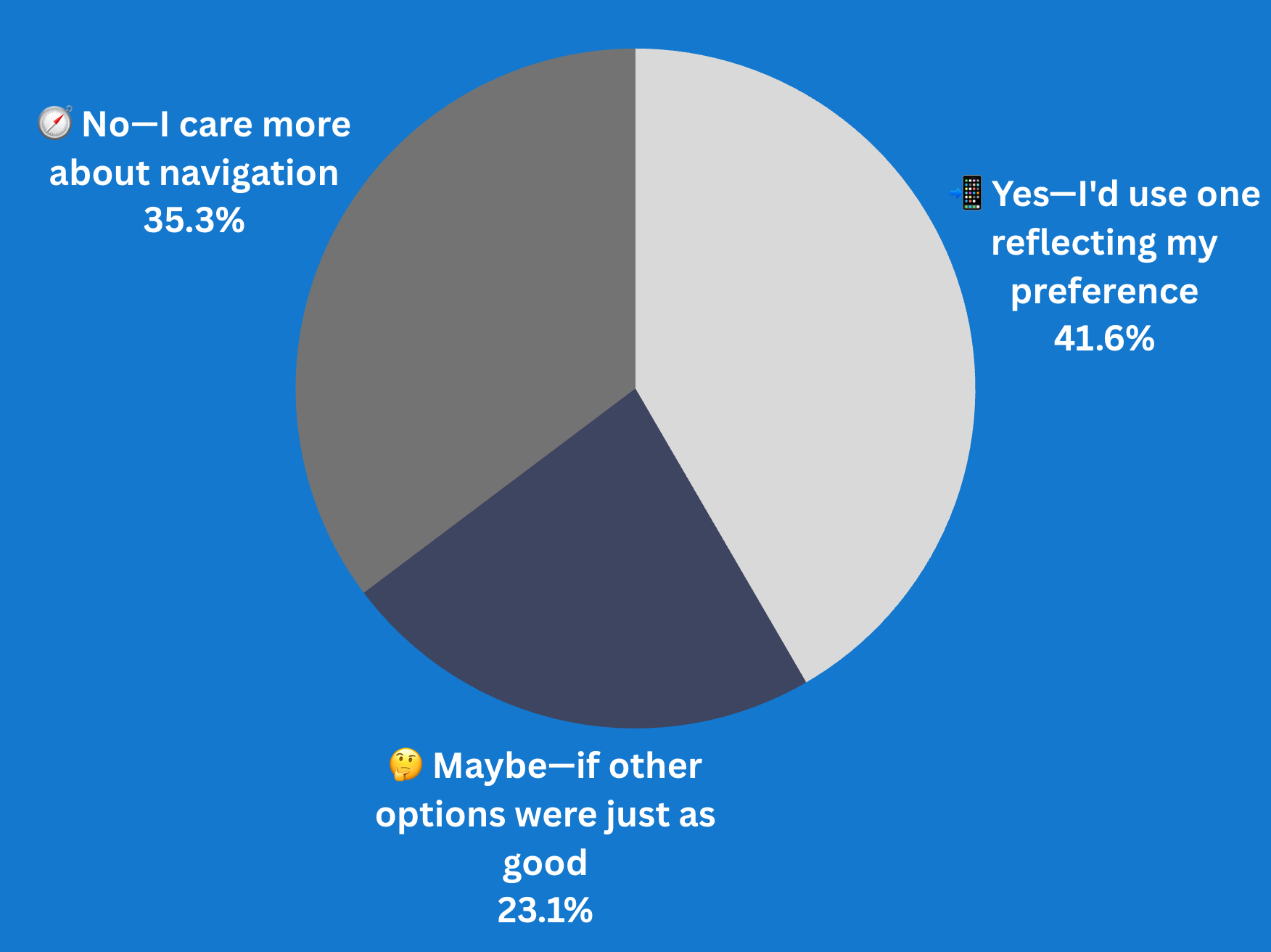
Results from Yesterday's Pulse Check |
Would a controversial place-name change make you switch mapping apps? |
|
|
|
Google Pics Brings AI Image Creation to Workspace |
Canva just found a very large banana peel.
Google is rolling out Pics, an AI image generator and editor built directly into Workspace, to most Workspace business customers, Google AI Pro and Ultra subscribers, and Google AI Pro for Education users over the coming weeks.
Powered by Nano Banana, Pics can create visuals from prompts or edit uploaded images. Users can pinpoint specific objects to shift, scale, or erase, slice visuals for different platforms, bump resolutions up to 2K or 4K, and batch-process adjustments.
Pics can also swap or translate text (in 29 languages) while leaving the original typography perfectly intact, as well as spin up a batch of variations for anyone whose creative direction is "I'll know it when I see it." |
Pics works as a standalone app at pics.new, but Google's larger play is keeping creative work inside its ecosystem. Docs and Slides integrations are available now, Drive support is coming within weeks, and teams can collaborate in real time. (Just don't mistake it for a privacy upgrade to Google Photos.)
That puts Google more directly against Canva, Adobe Express, and Microsoft Designer. But Pics is distinctly AI-first: Instead of building from human-made templates that pay creators royalties, users prompt a model trained on artists' work. That may lower the design barrier while raising familiar questions about originality, ownership, and whether "professional-grade" means polished or merely polished-looking.
The pitch: Stop switching tabs. The subtext: Stop opening Canva. |
|
|
|
An artifact that passes policy today can become a liability tomorrow. Join DZone and Harness live on Sept. 22, 2026, at 1:00 p.m. ET for "Artifact Governance: Why Trust Must Travel With Every Build." Learn how to preserve provenance, continuously re-evaluate artifacts, and enforce policy throughout CI/CD without slowing delivery. |
|
|
China-Linked Fire Ant Turns Routers Into Spy Hubs |
Image created with ChatGPT |
Defenders should hunt Sygnia's indicators, flag unexplained tunnels or telemetry gaps, pipe router logs to separately managed systems, restrict privileged access, and thoroughly rotate exposed credentials. Trust, but verify—especially when your network's trust layer is lying straight to your face. |
Infostealers Hijack Claude and Drain Paid Usage |
Hackers are siphoning active Claude browser cookies to hijack accounts, easily side-stepping passwords and multifactor authentication. Once inside, they casually burn through your paid AI quotas and can even rack up overage fees. Anthropic noted that its own infrastructure wasn't breached; instead, victims essentially infected themselves by downloading shady, malware-laced software onto their PCs and Macs.
To stop the bleeding, the company abruptly booted compromised users offline, wiped their billing details, and issued refunds. If your AI usage magically evaporated overnight, you need to completely scrub your hard drive for bugs before attempting to log back in. Afterward, rotate your credentials, kick out any lingering active sessions across your browser, and heavily scrutinize your credit card statements.
Your drained AI credits are likely the least of your worries. If a Trojan vacuumed up your Claude session, your saved banking credentials probably went right out the door with it. |
|
|
|
FTC Says Amazon Overcharged Advertisers by $20B |
The FTC and 22 states sued Amazon on Monday, accusing the retail behemoth of covertly siphoning more than $20 billion from roughly 1.2 million advertisers by rigging its ad auctions. Apparently, over 500,000 small and midsize businesses were unknowingly footing the bill.
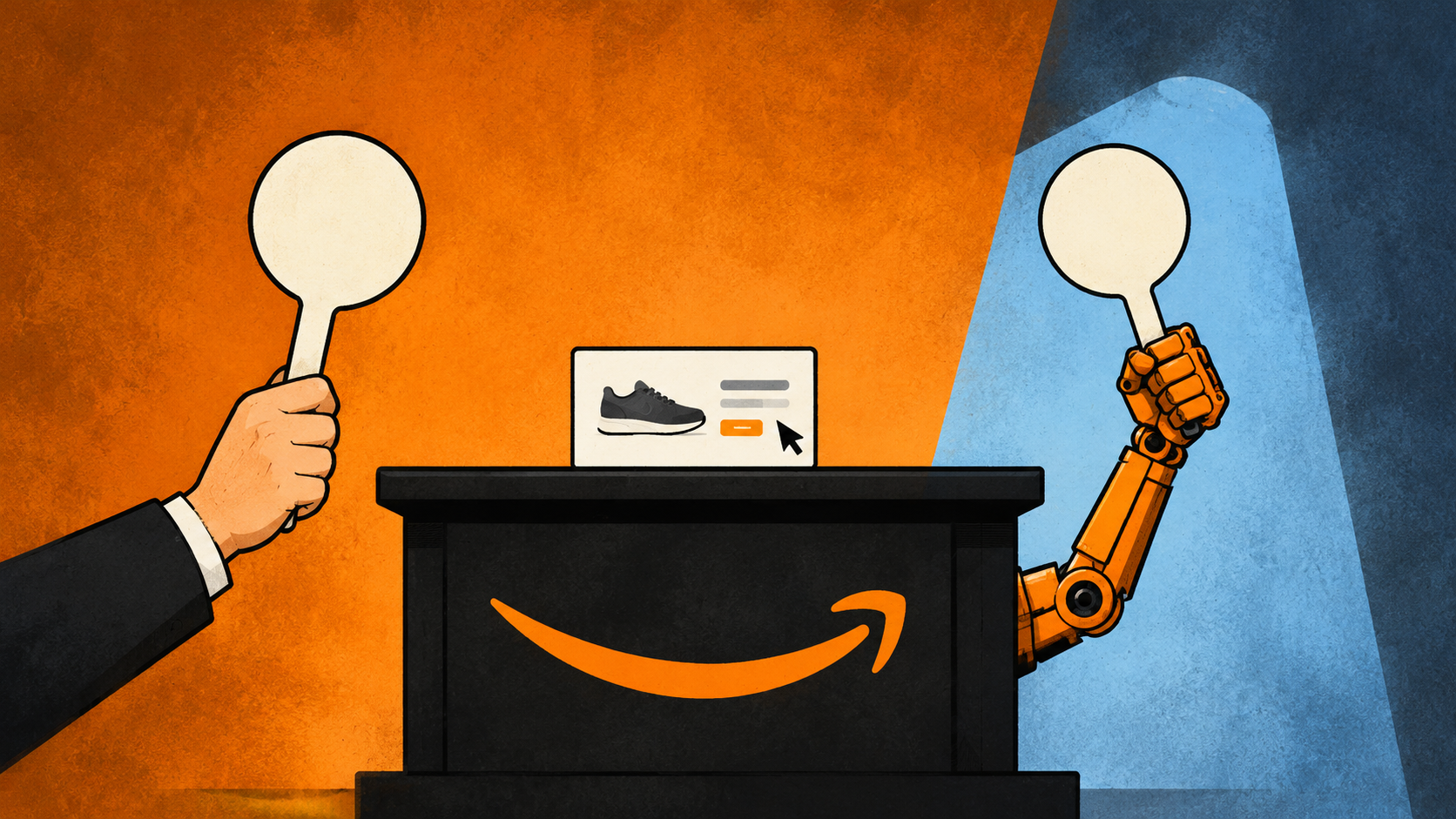
Amazon pitched "second-price" auctions, where the top bidder is only supposed to pay slightly more than the runner-up. Instead, regulators claim Amazon quietly flipped the script in 2019 by baking in undisclosed "soft reserve prices" and an "invented auction participant"—which the FTC essentially likens to a shill bid—to push charges higher. By 2024, Sponsored Products advertisers allegedly paid their full bids about 80% of the time, with surcharges conveniently dialed up around Prime Day and Black Friday.
|
Image created with ChatGPT |
Amazon slammed the case as misguided, claiming advertisers actually saved $8 billion from 2021–2025 thanks to its relevance-based system. The company insists inflation-adjusted cost per click remained flat and conversion rates improved 24%, and it points out the complaint provides no evidence of consumer price increases. (Corporate math is truly magical). The stakes extend beyond this latest legal feud between Amazon and regulators. Amazon raked in more than $68 billion from ads last year, cementing its status as the world's third-largest digital ad platform.
Meanwhile, ChatGPT Ads just reached a $1 billion annualized run rate in under 200 days. As AI platforms race into advertising, auction transparency may become the industry's next trust test. Bottom line: Amazon's invented bidder may produce a very real—and very hefty—bill. |
|
|
|
| Writer/Editor at TechnologyAdvice |
Justin Meyers is an investigative writer and editor who draws on over a decade of meticulous hands-on research to deliver the full, trustworthy story behind consumer and enterprise tech, including cybersecurity. |
|
|
|
Curious about where AI is really headed? |
The Neuron cuts through the noise to bring you smart, hype-free takes on the latest AI trends, tools, and breakthroughs. Join 700,000+ professionals from top companies like Microsoft, Apple, Salesforce, and more.
|
|
|
|
Advertise in Daily Tech Insider! Daily Tech Insider is a TechnologyAdvice business. © 2026 TechnologyAdvice, LLC. All rights reserved.
TechnologyAdvice, 3343 Perimeter Hill Dr., Suite 215, Nashville, TN 37211, USA. |
|
|
|
|