







Owners of the new, Kinect-less version of Microsoft’s video game console will soon be able to upgrade to the full, voice- and motion-controlled Xbox One experience.
Microsoft’s lower-priced Xbox One console, which ships without the formerly included Kinect sensor, went on sale on June 9 for $100 less than the full-fledged bundle ($499) that first launched on Nov. 22, 2013. Sales doubled by an unspecified amount, according to the company, suggesting that many new buyers are snapping up the streamlined version of the game and digital media streaming hardware.
This fall, Microsoft is allowing those new owners to piece together their own Kinect-enabled Xbox Ones.
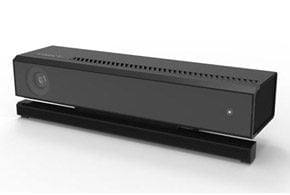
On Aug. 27, the company announced that the stand-alone version of the Kinect sensor will go on sale on Oct. 7 for $149.99. The price includes the device and a copy of Dance Central Spotlight from game developer Harmonix.
Kinect for Xbox One is practically identical to its PC counterpart, Kinect for Windows v2, apart from a few cosmetic differences, a PC-compatible hub and a complete lack of software. “It is intended for use with the Kinect for Windows SDK 2.0 (licensed separately) and will operate only with applications developed for Kinect for Windows v2,” states a product description for Kinect for Windows v2.
By comparison, Kinect for Windows v2 is priced at $200. Both the PC and Xbox One versions capture video at 1080p and feature improved skeletal tracking compared to its predecessor, Kinect for Xbox 360.
On the Xbox One, Kinect enables a wide range of voice and gesture control options. “The Kinect experience includes voice and gesture controls, biometric sign-in, instant personalization, instant scanning of QR codes,” said the company in a statement. For instance, users can turn on the device by simply uttering “Xbox On” and switch channels while watching live TV with voice commands.
Users are clearly putting the tech through its paces, argued the Redmond, Wash.-based company. “We believe Xbox One is better with Kinect, offering unlimited possibilities, and we’re seeing our fans use Kinect for Xbox One every day, with billions of voice commands since launch.”
Playing Catch-Up with Sony’s PlayStation 4
Those levels of engagement aren’t translating into enough sales to beat rival Sony’s PlayStation 4, however.
On Aug. 12, the Japanese consumer electronics company announced that it had crossed a major milestone. “We just announced that the PlayStation 4 has sold through more than 10 million units worldwide—and more than 30 million PS4 games have been sold—since its launch less than nine months ago,” said Shawn Layden, president and CEO of Sony Computer Entertainment America in a statement.
At last count, Microsoft said on April 17 that it had shipped—not necessarily sold—5 million Xbox Ones, a day after Sony reported PlayStation 4 sales of 7 million. However, Microsoft’s fortunes may turn next month when the Xbox One officially arrives in China, ending the populous nation’s 14-year ban on video game consoles.