







How Good Collaboration Software Can Help Erase Shadow IT
Most organizations contend that content security is always their highest priority. However, unless content collaboration technology is easy to use, users will inevitably turn to less-secure shadow IT solutions like Dropbox, Evernote and Google Drive. Why? Employees simply want to be productive and get work done. While this motivation is admirable—and the underlying business purpose is usually fundamentally sound—the practice is highly risky, especially when dealing with sensitive information that may be subject to industry regulations. If organizations want to avoid having information handled, shared or stored using shadow IT products, they need to introduce a collaboration solution that balances security and ease of use. In this eWEEK slide show, we offer some considerations.
Intuitive User Interface

One element that makes shadow IT so compelling for employees is ease of use. By introducing collaboration solutions that feature a familiar user interface, enterprises are much more likely to see increased adoption rates. Email, for example, is an application every employee is familiar and comfortable with. And by incorporating secure file sharing from within the email interface through a “plugin,” or inside of existing enterprise applications through API-level integration, secure collaboration is just a click away.
Mobile Security
While transformational for employee productivity, smartphones and tablets have also proved to be a challenge for IT departments. Lost or stolen devices, connections over public WiFi networks, unsecure apps and other vulnerabilities make managing the devices and the sensitive content they hold extremely tricky. Encryption of content in motion and at rest, secure mobile containers, antivirus protection on all uploaded content and DLP integration for all downloaded content are just some of the mobile security capabilities that can protect enterprise content when it’s being handled by remote employees.
Editing Tools You Know, Including Co-authoring
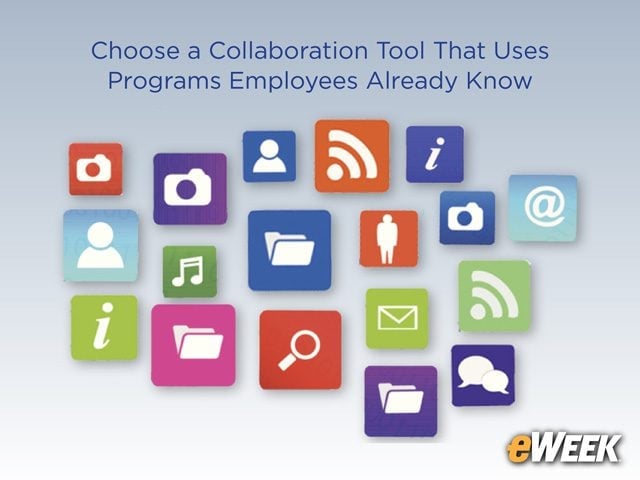
Nobody wants to learn how to use a different application to do something they know how to do already. An enterprise collaboration solution that enables employees to easily access, share and jointly edit in real time using Microsoft Word, PowerPoint and Excel—from any location, using any device—significantly enhances employee productivity and alleviates the need to move and store these files in unsecure shadow IT systems.
Integration With ECM Systems
The typical enterprise has content stored in multiple content management systems and applications. The ability for employees to search, access, edit, share, modify and return files in their system of record alleviates the temptation to use an unsecure cloud-based platform. In addition, a collaboration solution that integrates with on-premises enterprise content management (ECM) systems like Microsoft SharePoint, OpenText, Documentum and others can do wonders for employee productivity and ensure content is handled and shared securely.
Evolving Content
Tools such as Slack are great for informal collaboration, but they won’t help when dealing with content that is changing rapidly, or where you need certainty around delivery. Enterprise collaboration can learn from applications like Slack by bringing real-time notification when files are uploaded, while including functionality in the areas of synchronization/version control, file expiration, and confirmation a document was downloaded or viewed. Or you can integrate the two and include links to your collaboration repository in your Slack messages so users get the best of both worlds.
Auditing and Activity Logging
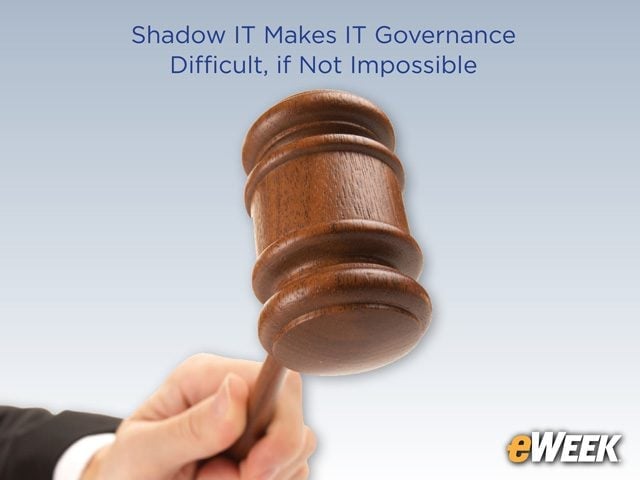
Regulations aimed at reducing data breaches and the compromising of customer information like PHI and PII require enterprises to demonstrate compliance with HIPAA, SOX, PCI DSS and more. As a result, IT governance requires the ability to track and report all file activity—who accesses a file, what do they do with the file (download, print, copy, etc.), from what location and device, and so on. These capabilities enable organizations to know what’s going on with their content at all times—something they can’t do if employees are using shadow IT solutions.