







- IBM HPC Technology Helps Universities Perform Pioneering Research
- Texas A&M University System
- Durham University’s Institute for Computational Cosmology
- The University of Washington
- Nova Southeastern University
- Marist College
- The University of Miami
- Universidad de Cantabria
- Technische Universität Dresden
- PHYSnet/University of Hamburg
IBM HPC Technology Helps Universities Perform Pioneering Research

by Darryl K. Taft
Texas A&M University System
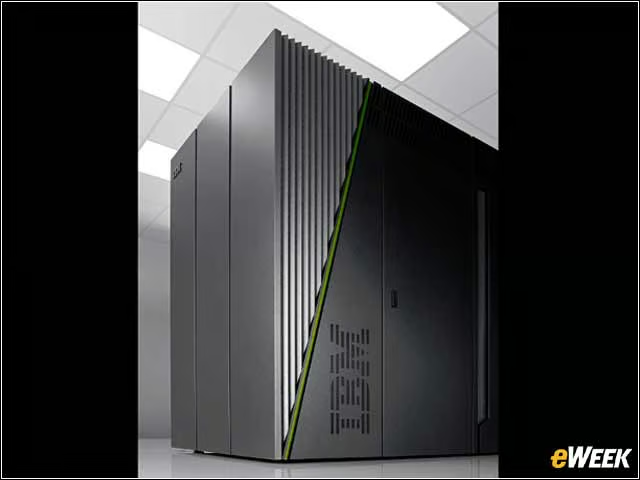
The Texas A&M University System is using an IBM HPC system to advance research in agriculture, geosciences, engineering, medicine and other areas. The program harnesses the power of big data and analytics by using HPC systems to develop solutions for improving the extraction of energy resources, enabling the smart energy grid, accelerating materials development, better disease identification and tracking, and fostering better understanding and monitoring of our global food supplies.
Durham University’s Institute for Computational Cosmology
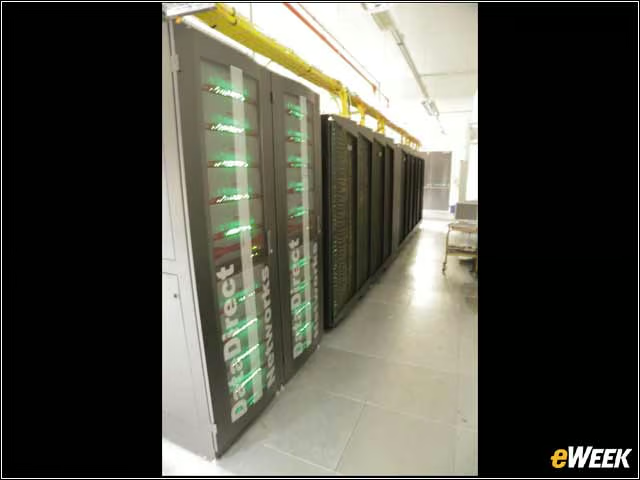
Based in the U.K., Durham University’s Institute for Computational Cosmology (ICC) is a leading international center for research into the origin and evolution of the universe. ICC uses HPC clusters to simulate cosmological events, aiming to answer some of the most fundamental questions in science. The ICC created COSMA5, a cluster built on IBM System x iDataPlex and System x3750 servers, IBM Storage Systems, and IBM Platform Computing, GPFS, and Tivoli Storage manager software, which is capable of processing huge data sets to simulate the formation of structure in the universe and solve problems in many other fields.
The University of Washington
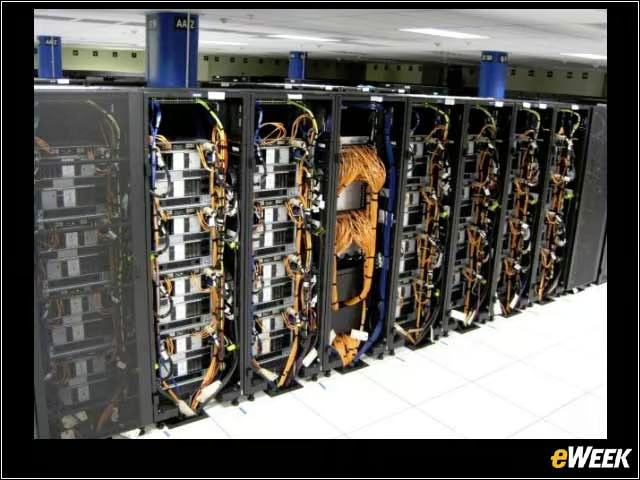
The University of Washington wanted an HPC solution to aid advanced research across a variety of departments and to use as a tool for recruiting the foremost authorities in fields like nuclear physics and chemical engineering to the university. UW deployed an HPC solution named Hyak—a Chinook word meaning “hurry” or “fast”—using IBM BladeCenter and IBM System x3650 servers, with IBM DS5300 and GPFS Storage, running Red Hat Enterprise Linux.
Nova Southeastern University

Nova Southeastern University‘s Graduate School of Computer and Information Sciences is deploying its first supercomputer, an IBM system dubbed “Megalodon,” which will place its research at the forefront of computational biology, data mining, graphic visualization and software engineering. The Power Systems machine cluster is a collection of 32 nodes, each with 16 POWER CPUs with 256 gigabytes of RAM.
Marist College

Recognizing analytics as an emerging career field for its students, Marist College sought to make its existing business analytics technologies available to students and professors across a variety of academic and research programs. Marist implemented an IBM SmartCloud solution based on the IBM zEnterprise 114 mainframe with Integrated Facility for Linux. This has enabled Marist to create the Enterprise Computing Research Laboratory, and with funding from the National Science Foundation, the college has been able to make it available to the enterprise computing community across the U.S.
The University of Miami
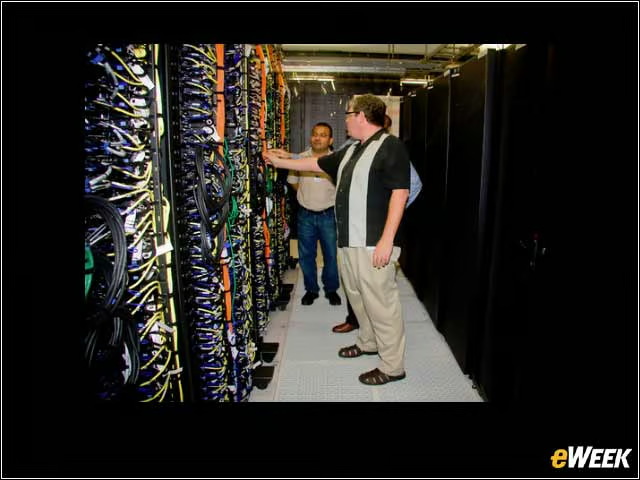
The University of Miami’s Center for Computational Science is working to advance the field of genetics through the development of its Human Genome Clinical Annotation Tool for identifying specific genes associated with various human diseases. The university turned to IBM to develop and deploy a HPC system called Pegasus to analyze as many as 200 billion data points in tens of thousands of individuals in order to accurately identify specific genomes.
Universidad de Cantabria
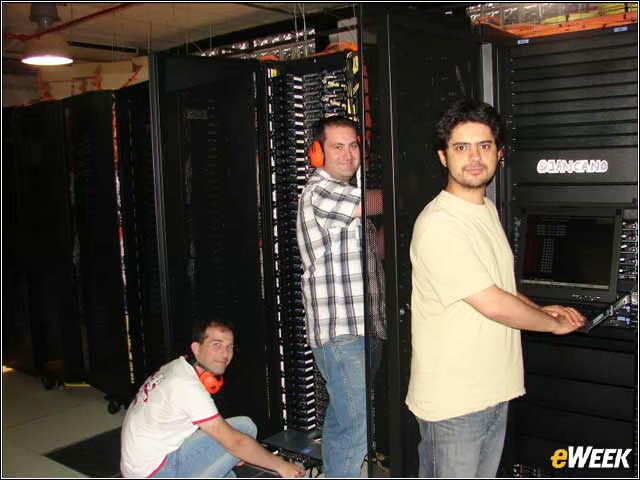
Scientists at Universidad de Cantabria wanted to pursue extremely complex projects, such as processing maps of the universe, searching for new subatomic particles and supporting personalized medicine. Working with IBM, along with the Barcelona Supercomputing Center and the Instituto de Física, the university designed ALTAMIRA, a supercomputer based on IBM iDataPlex, BladeCenter and System x3650 and 3550 servers, with IBM Storage Systems and GPFS software, running Scientific Linux.
Technische Universität Dresden
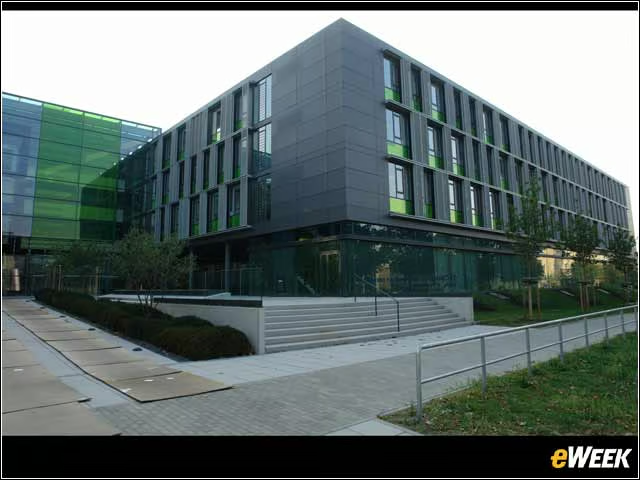
At Technische Universität Dresden, one of the top universities in Europe, the Operating Systems Group researches and develops micro-kernel and virtualization technology for use in system security. To support this research, the team deployed an IBM PowerLinux 7R1 server running a Linux operating system.
PHYSnet/University of Hamburg
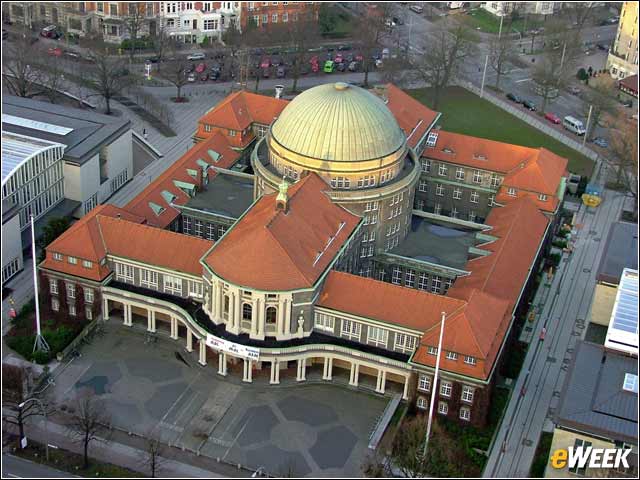
PHYSnet provides IT services to the University of Hamburg, running a large data center for the computing power needed by the university’s physics researchers. The existing servers weren’t delivering the high performance needed, but the university didn’t want to invest in a large number of physical servers. Instead, PHYSnet implemented a virtual distributed configuration using two IBM PowerLinux servers with Linux and IBM Power VM software running 10 virtual Linux servers.