







A Windows 8 price hike is approaching, and users have only until the end of the month to take advantage of low-cost Windows 8 upgrades.
In a bid to spur demand and build excitement for its new tablet-ready, touch-enabled operating system, Microsoft announced last summer that for a limited time, Windows 8 upgrades would cost $39.99 for Windows XP, Vista or Windows 7 users. The deal even undercut the Windows 7 Home Premium launch promotion of $49 upgrades.
Now, time is running out and hopes are dimming that Microsoft would follow Apple’s long-established policy favoring inexpensive operating system upgrades.
Microsoft spokesman Brandon LeBlanc announced the new Windows 8 upgrade prices that take effect next month. Come Feb. 1, PC users are facing some steep, although not unprecedented, price increases.
“The Windows 8 Pro upgrade edition will be available online and at retail for $199.99 MSRP (U.S.). The Windows 8 upgrade edition will be available online and at retail for $119.99 MSRP (U.S.),” notified LeBlanc in a company blog post.
Upgrades from Windows 8 to Windows 8 Pro will cost $99.99 (currently $69.99) and the Windows 8 Media Center Pack, which adds Windows Media Center and DVD playback, will cost $9.99 (currently free for Windows 8 Pro users).
PC owners that purchased a qualifying Windows 7 system between June 2, 2012, and Jan. 31, 2013, have a few more weeks to score a deal on Windows 8. Registration for the Windows Upgrade Offer, which allows Windows 7 users to upgrade to Windows 8 Pro for $14.99, is open until Feb. 28.
Despite bargain basement prices, indications are that Windows 8 failed to outsell Windows 7 during its first few months of retail availability.
Windows 8 is a big bet for Microsoft, an IT giant caught in the throes of a shifting technology landscape. Tablets and smartphones are taking a bite out of PC sales, according to Gartner. The research firm said that worldwide PC shipments suffered a 4.9 percent decline (90.3 million units) during the fourth quarter of 2012 compared to a year earlier.
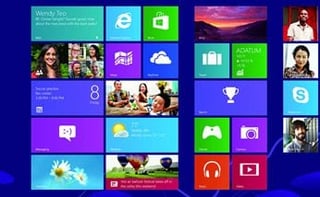
Microsoft revamped its desktop operating system with mobility in mind. New features include a new Start screen based on touch-friendly live tiles that offer quick access to tablet-style Windows apps. A Windows desktop lurks underneath for business users and traditionalists.
So far, Microsoft’s efforts appear to be paying off, although barely.
Earlier this month, Tami Reller, chief marketing officer and chief financial officer for Windows, revealed that Microsoft sold 60 million Windows 8 licenses, a figure that includes upgrades and sales to OEMs. The company portrayed Windows 8 sales in a positive light. “This is a similar sales trajectory that we saw with Windows 7,” stated LeBlanc.
Windows 7 is a tough act to follow. It broke sales records for Microsoft and consistently boosted revenues following its launch. Windows 7 also helped the software company improve its image following the release of the unpopular Windows Vista desktop operating system. Even enterprise IT departments, typically a conservative bunch, warmed to Windows 7.