








- 10 Ways Enterprise Mobile Apps Differ From Standard Web Apps
- Connectivity Is Not a Given
- Context Enables Disruption
- Development Is Done Differently
- Control Is Not Possible
- Versioning Is Uncontrollable
- The 10-Second Window
- UX Is Not UI
- All Mobile PCs Are Inherently Vulnerable
- Enterprise Architecture Is a Foreign Language
- Major Skills Gap to Overcome
10 Ways Enterprise Mobile Apps Differ From Standard Web Apps
by Chris Preimesberger
Connectivity Is Not a Given
Web apps aren’t necessarily expected to work offline, but mobile apps must. Users expect full functionality, either online or offline.
Context Enables Disruption
Businesses have new capabilities for engaging customers, redefining business processes, driving productivity, cutting costs and generating new revenue sources. If enterprises don’t embrace mobile, they risk being disrupted and left behind by their competition.
Development Is Done Differently
Developers must embrace these differences in terms of time to market. The “iterate to innovate” process is essential. Most mobile apps have six or more releases per year, according to Forrester Research.
Control Is Not Possible
On all platforms (iOS, Android, HTML5 and so on) constant updates are pushed to users. While companies could previously standardize on a single version of a single browser, mobile OS versioning is out of their control.
Versioning Is Uncontrollable
Since OS versioning is uncontrollable, enterprises must accommodate for that constant change. Managing multiple versions of apps on the app store is hard, but enterprises must be prepared.
The 10-Second Window
Users are accustomed to “snacking” on app interactions—touching quickly on apps and then losing interest. If they can’t get what they want immediately, they move on.
UX Is Not UI
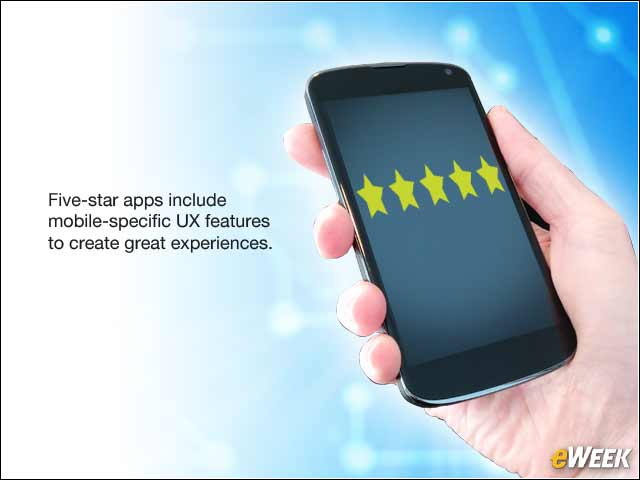
Five-star apps include mobile-specific UX features (caching, sync, push, etc.) to create great experiences. UI is design; UX is development. UX design for five-star apps is difficult for the enterprise. It’s expensive and time-consuming for one app; multiply it by three or more to cover all key platforms (iOS, Android, Web, Windows).
All Mobile PCs Are Inherently Vulnerable
Mobile and tablet devices are inherently vulnerable. Devices are victims to loss, theft and hacking. Enterprises need to secure data and identity differently.
Enterprise Architecture Is a Foreign Language
Enterprises speak Latin: SOA, SOAP, LDAP, SAML. Mobile speaks Italian: REST and OAuth. Same alphabet, same roots, completely different language. Translator required.
Major Skills Gap to Overcome
There’s a huge skills gap for mobile development. Enterprise IT has a lot of Web and client/server developers, but not a lot of mobile developers.