






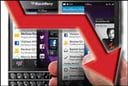

- BlackBerry’s Mobile Market Decline the Result of 10 Basic Factors
- Poor Leadership From Balsillie and Lazaridis
- Poor Leadership From Heins
- Apple Used Its Brand Appeal to Make the iPhone a Huge Success
- Android’s Rapid Growth Blindsided BlackBerry
- The iPhone Moved Into the Enterprise
- BlackBerry Enterprise Server Became Less Important
- App Makers Couldn’t Care Less
- Poor Device Designs Are Killers
- BlackBerry’s Branding Caused Buyer Confusion
- Slow Response Times Are No Good
BlackBerry’s Mobile Market Decline the Result of 10 Basic Factors

By Don Reisinger
Poor Leadership From Balsillie and Lazaridis

Although it’s easy to blame BlackBerry’s current CEO Thorsten Heins for its troubles (more on that in a second), the fact is, the real issues started when Jim Balsillie and Mike Lazaridis were running the company. Both chief executives failed to react to the changing times and thought the same strategy would work forever. They were wrong.
Poor Leadership From Heins

Although Thorsten Heins has tried to turn BlackBerry around by reducing costs and changing the company’s market, his ideas haven’t worked. He’s still trying to deliver products that fail to appeal to the broad range of consumers while enterprise users are more willing to accept alternatives. Furthermore, BlackBerry has been bypassed by the enterprise’s acceptance of the bring-your-own-device (BYOD) trend.
Apple Used Its Brand Appeal to Make the iPhone a Huge Success

Apple came on the scene in 2007 and totally changed the smartphone market. The company unveiled a touch screen-based smartphone, and suddenly everything changed. Few companies aside from Apple could have caused such a huge change in the marketplace, but Steve Jobs and Company did it. And now, the rest is history.
Android’s Rapid Growth Blindsided BlackBerry

Android’s success has also proved troublesome for BlackBerry. The mobile operating system attracted all kinds of vendors, including some that hadn’t even worked in the mobile space before, and it grew by leaps and bounds. Now, consumers who might have at least considered buying BlackBerry units are opting for Android.
The iPhone Moved Into the Enterprise

The iPhone’s success hasn’t been limited to consumers. Quite the contrary, the device has benefited from the BYOD craze that has seen employees bring their personal devices into the office. IT decision-makers, once BlackBerry’s most important customers, have started to accept more and more iPhones. This has been the major contributor to BlackBerry’s market share losses.
BlackBerry Enterprise Server Became Less Important

There was a time when BlackBerry thought that its Enterprise Server platform would be enough to keep its business afloat. However, Enterprise Server is becoming less important in the enterprise, as Apple has been doing a good job of delivering services that compete against it. Plus, BlackBerry Enterprise Server is no longer providing the protection that it once did.
App Makers Couldn’t Care Less

Developers have been a key component in the success of both iOS and Android. Thousands of developers flock to Apple’s App Store and the Google Play marketplace to deliver their programs, and mobile customers respond favorably. Unfortunately for BlackBerry, developers haven’t made similar moves to BlackBerry 10. And that has reduced the platform’s appeal in the mobile market.
Poor Device Designs Are Killers

Looking at the designs of BlackBerry’s latest handsets, it’s easy to see why the company has been less successful than its competition. The handsets lack design flair, and the company’s stubborn adherence to physical keyboards has been extremely damaging. BlackBerry never truly understood the value of strong design.
BlackBerry’s Branding Caused Buyer Confusion

When BlackBerry unveiled BlackBerry 10, something happened. In addition to changing its name from RIM to BlackBerry, the company seemed convinced that it could straddle the fence between consumers and enterprise customers. However, BlackBerry confused customers and didn’t explain how its operating system would appeal to them. The result was slow sales.
Slow Response Times Are No Good

BlackBerry has been extremely slow over the last several years. The company was late responding to touch displays, it was slow to deliver a strong value proposition to developers, and it took far too long to bring an operating system to the market that could compete on some level with iOS and Android. BlackBerry’s slow response time has been the death of its business.