








- IDC, Strategy Analytics Reports Show Tablet Market Still Struggling
- The Tablet Market Is in Free Fall
- Apple iPad Exemplifies Tablet Market’s Struggles
- Samsung Is in Even Bigger Trouble
- Hybrid Devices Finding Favor With Buyers
- Amazon Reports Remarkable Tablet Shipment Growth
- Low-Cost Tablet Popularity Rising
- Huawei Tablet Sales Benefit From Popularity of Its Smartphones
- Android Remains on Top as Tablet Shipments Fall
- Windows Gaining Market Share on Tablets
- There Was Bad News for Small-Scale Tablet Makers, Too
IDC, Strategy Analytics Reports Show Tablet Market Still Struggling
The latest tablet market reports from IDC and Strategy Analytics show that tablet makers all around are struggling—with one notable exception.
The Tablet Market Is in Free Fall

The tablet market is in a steep decline, according to IDC. The research firm says total tablet shipments in the third quarter reached 43 million units, a 14.7 percent decline compared with the 50.5 million units shipped in the third quarter of 2015. The drop was due in no small part to a change in how consumers buy new tablets.
Apple iPad Exemplifies Tablet Market’s Struggles
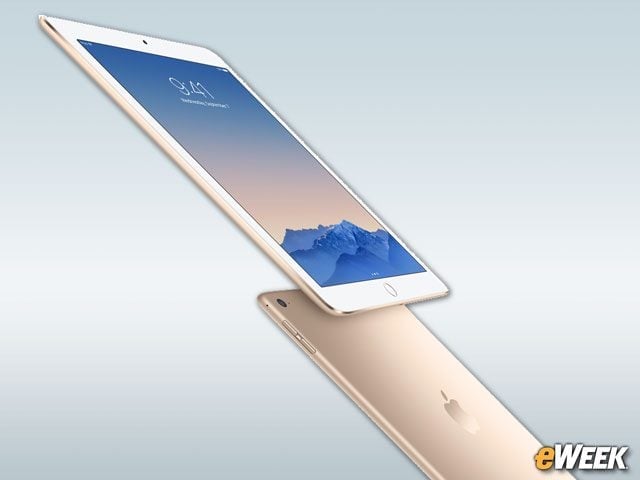
Apple’s iPad was the market leader during the third quarter, thanks to its 9.3 million unit shipments. However, IDC says iPad shipments slipped 6.2 percent year-over-year as Apple tried to boost the appeal of its high-end iPad Pro as a notebook replacement. Despite that, the iPad Air and iPad Mini accounted for two-thirds of all iPad shipments last quarter, according to the research firm.
Samsung Is in Even Bigger Trouble
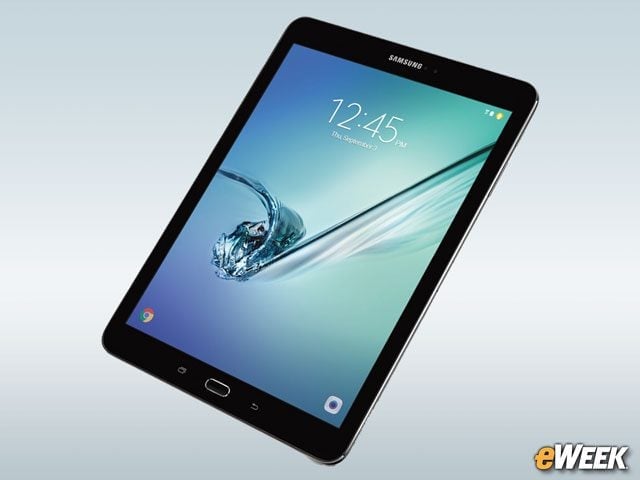
Samsung’s troubles were even worse in the third quarter, as shipments fell 19.3 percent year-over-year to 6.5 million units. The research firms say Samsung’s tablet business wasn’t affected by the exploding Galaxy Note7, but customers saw little value in the company’s new TabPro S, a hybrid that IDC calls “uncompetitive” in the broader tablet market.
Hybrid Devices Finding Favor With Buyers
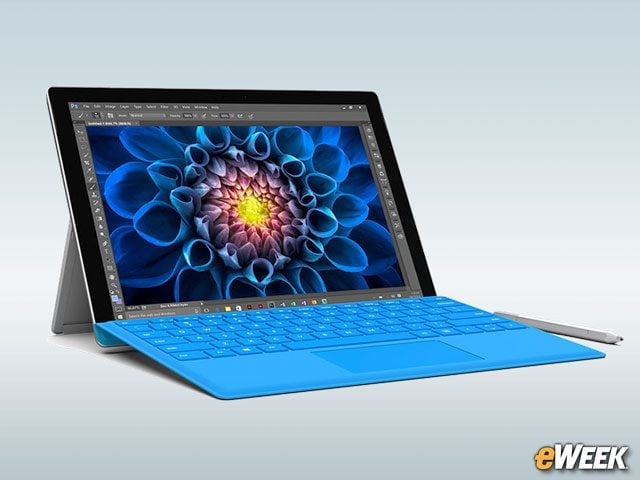
Hybrids are more appealing to customers. In fact, Strategy Analytics’ data shows vendors are seeing far more demand for two-in-one hybrids than tablets. Customers have found that hybrids offer more “productivity and versatility” and have become suitable replacements not only for tablets, but also notebooks. So, companies that invested more heavily in hybrids last quarter did a bit better than those that did not.
Amazon Reports Remarkable Tablet Shipment Growth
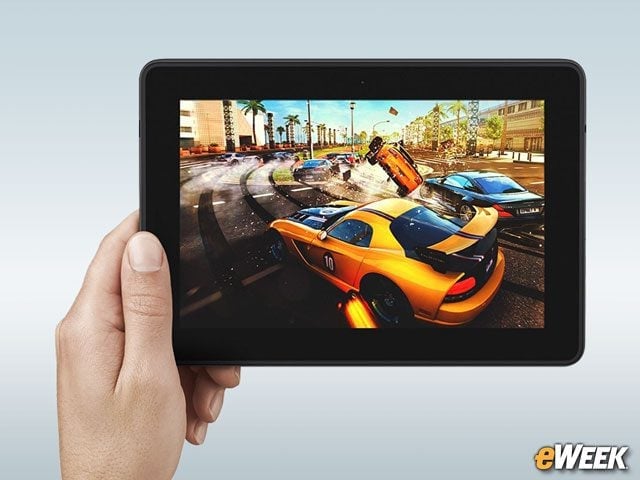
Amazon’s success during the third quarter was nothing short of astounding. Amazon’s shipments soared 319.9 percent in the third quarter, landing at 3.1 million units compared with the 800,000 it sold in the third quarter of 2015. Amazon’s success was due to the company’s low-priced Kindle Fire tablets, which are notably cheaper than higher-end alternatives like the iPad.
Low-Cost Tablet Popularity Rising

Amazon wasn’t the only company to do well last quarter because of cheap tablets. In fact, IDC found that demand was strong for low-cost slates. The research shows customers are using the tablets for entertainment and other simple features and relying on either hybrids or full-scale notebooks for their higher-end computing power. Customers also view low-cost tablets as “disposable,” making them even more attractive for road warriors.
Huawei Tablet Sales Benefit From Popularity of Its Smartphones
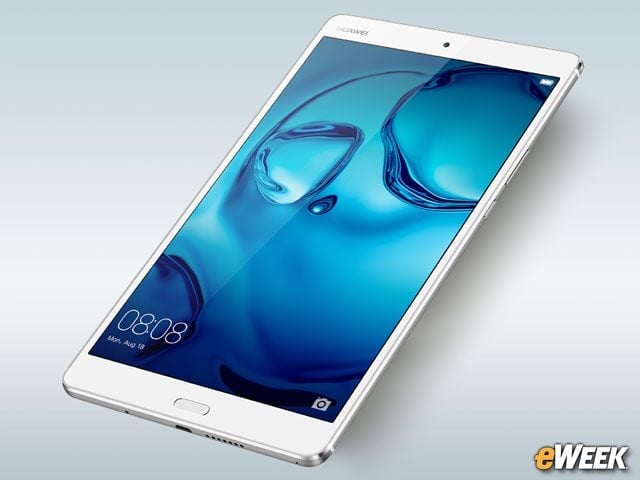
Huawei is starting to gain some ground in the tablet market. Tablet shipments for Huawei were up 28.4 percent in the third quarter to 2.4 million. The company’s success during the period was due to its prominence in smartphones, according to IDC. It appears customers worldwide who find value in Huawei’s smartphones are buying the company’s tablets.
Android Remains on Top as Tablet Shipments Fall

In addition to hardware shipments, Strategy Analytics broke out operating system software market share. The company found that Android was running on 30.1 million tablets that shipped in the third quarter, down 17 percent from the 36 million Android tablets that shipped last year. That gave Android 65 percent tablet market ownership, easily topping iOS at 20 percent market share.
Windows Gaining Market Share on Tablets
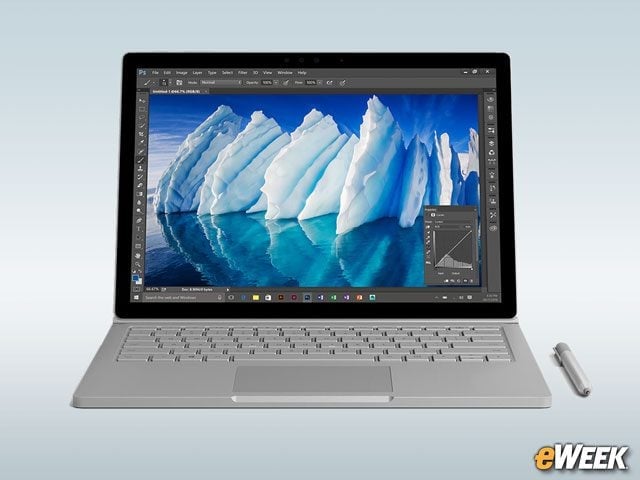
Windows is swiftly gaining ground in the tablet market, due to the soaring popularity of two-in-one hybrids. During the third quarter, Windows was running on 16 percent of all shipped tablets, a 25 percent boost compared with the 5.8 million units it was running on in the third quarter of 2015.
There Was Bad News for Small-Scale Tablet Makers, Too
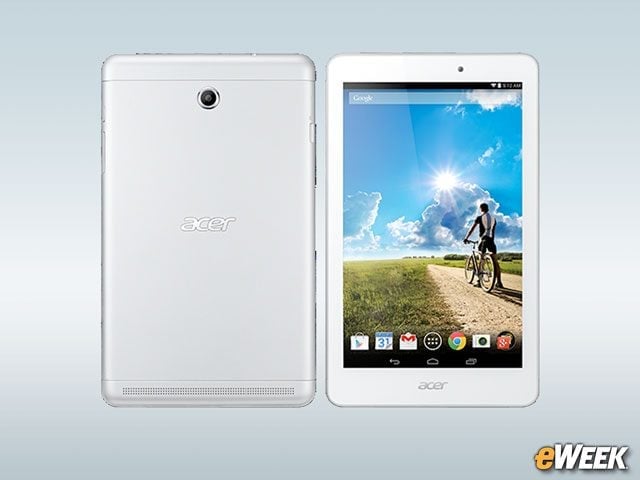
It’s not a good thing to be a small competitor in the tablet market. During the third quarter, the IDC “Others” category, which includes companies like Acer, HP and others, saw shipments fall by 29.2 percent to 19 million units. During the same period in 2015, shipments stood at 26.9 million units.