







- Surface 2 Won’t Improve Microsoft’s Tablet Fortunes: 10 Reasons Why
- The Design Didn’t Work the First Time Around
- In Fact, Nothing Worked the First Time Around
- Windows RT Has No Legs to Stand On
- Surface Pro 2 Is Expensive
- Microsoft Is Going Too Heavy on Accessories
- The Power Cover Is Cool but Really Expensive
- No One Likes to Be Locked In
- iPad Owners Are Loyal
- What About the Average Consumer?
- The Release Date Is Plain Wrong
Surface 2 Won’t Improve Microsoft’s Tablet Fortunes: 10 Reasons Why
By Don Reisinger
The Design Didn’t Work the First Time Around
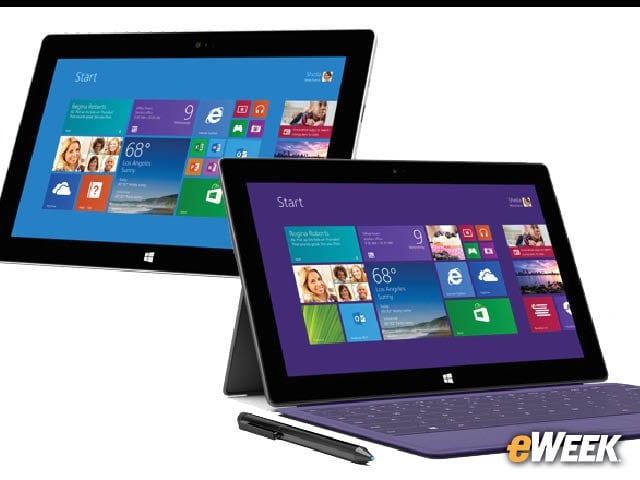
Microsoft believes that its product design is strong enough to hold up for a second generation. While the Surface’s design was fine the first time around, it wasn’t necessarily on the same level as Apple’s iPad. The Surface needed a design overhaul to appeal to certain customers, and unfortunately, it didn’t get it.
In Fact, Nothing Worked the First Time Around
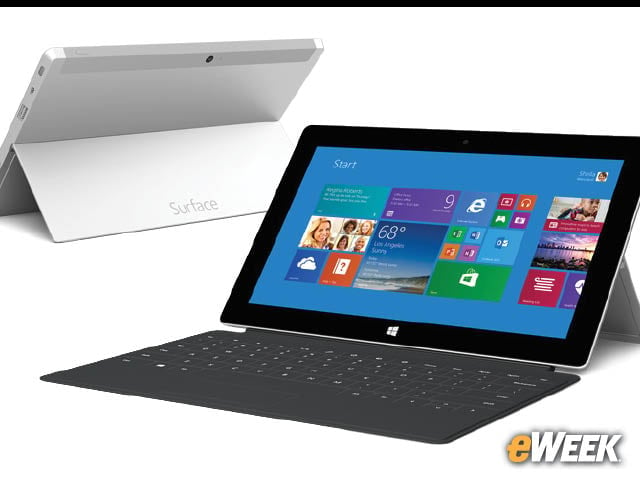
Let’s be honest: the first Surface was a dud in terms of sales. At best, Microsoft has a single-digit market share in certain tablet markets around the world, and there’s no indication that demand for the company’s slates was improving. With that legacy, the Surface 2 might have some trouble overcoming the naysayers.
Windows RT Has No Legs to Stand On
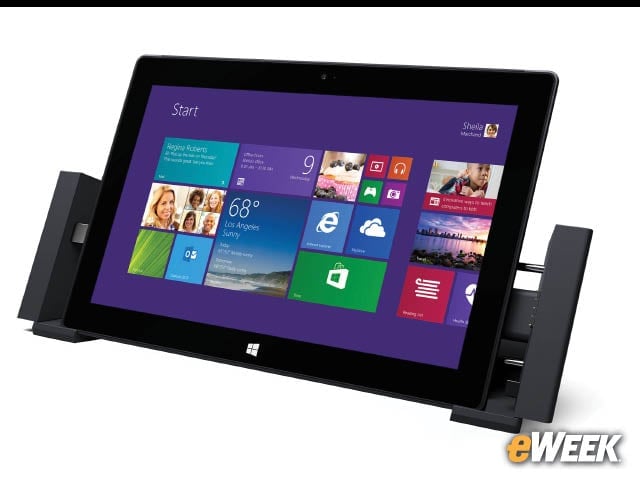
Microsoft continues to believe that Windows RT is a worthwhile platform. Unfortunately, few vendors agree. Even Acer, which has indicated in the past that it would invest heavily in Windows RT, has backed away from the platform, citing soft demand. Why does Microsoft think its new Surface RT 2 can change that?
Surface Pro 2 Is Expensive
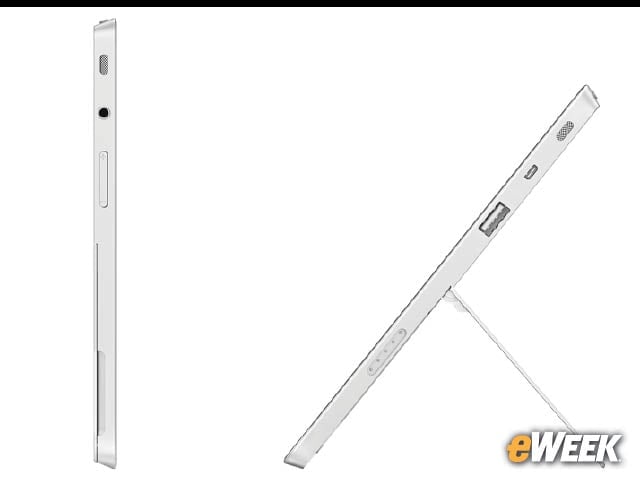
Companies around the globe are still contending with limited hardware budgets. Meanwhile, the Surface Pro 2 is targeted at corporate customers, and will set them back a whopping $899 to start. Considering the lowest-end flagship iPad goes for $499 to start, albeit without as much storage or Long-Term Evolution (LTE) service, that might be a hard sell to CIOs who want to improve productivity while keeping costs low.
Microsoft Is Going Too Heavy on Accessories
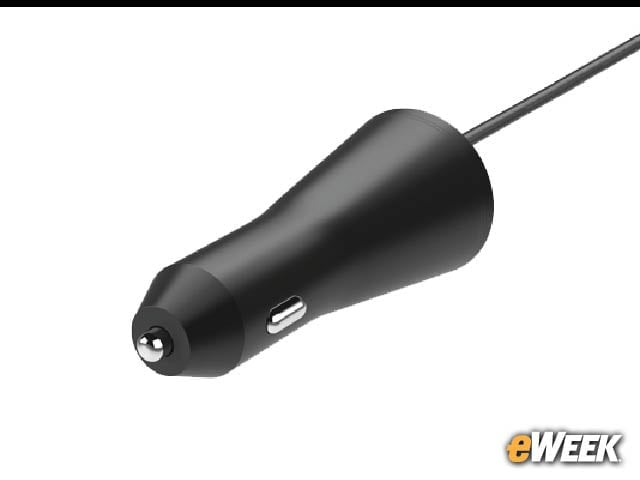
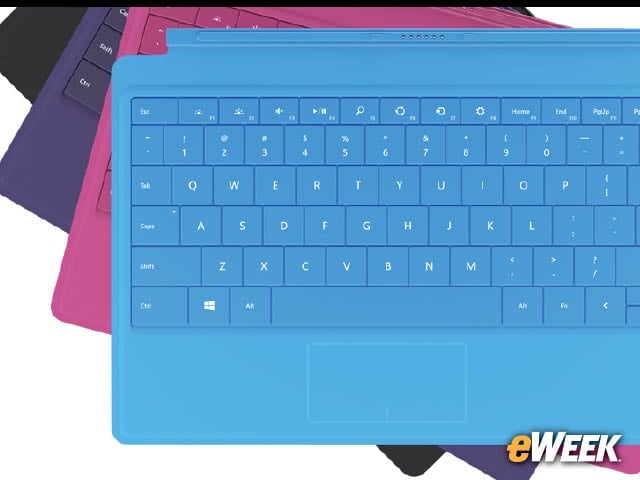
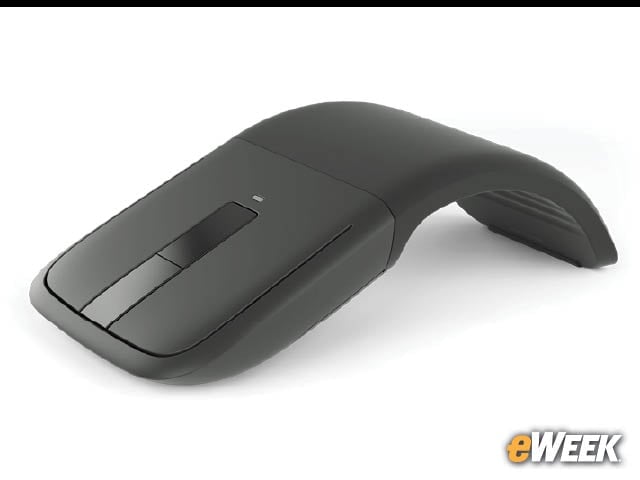
Microsoft has gone wild with its accessories for the Surface 2. In addition to an improved cover, the company’s customers can pick up docking stations, wireless adapters for their covers, the Arc Touch Mouse and other add-ons. It’s hard to understand why Microsoft would pile on the accessories when the tablets themselves haven’t become big sellers.
The Power Cover Is Cool but Really Expensive
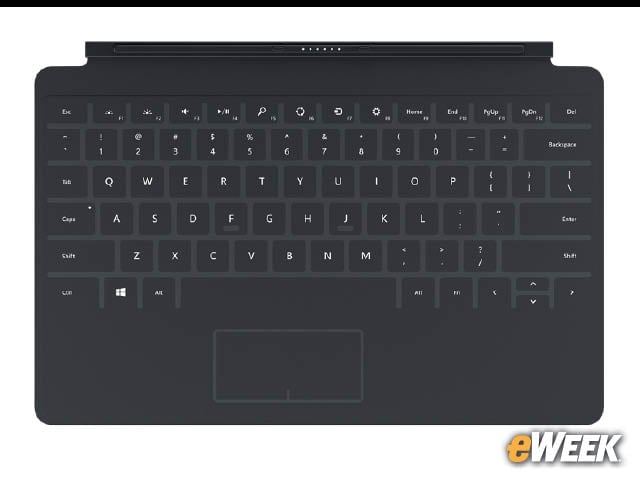
There’s no debating it: The Power Cover is a really neat piece of technology. The device acts as a cover in one sense, but doubles as a keyboard and charging station to vastly improve battery life. But there’s one problem: Microsoft is charging $200 for the accessory. Really?
No One Likes to Be Locked In
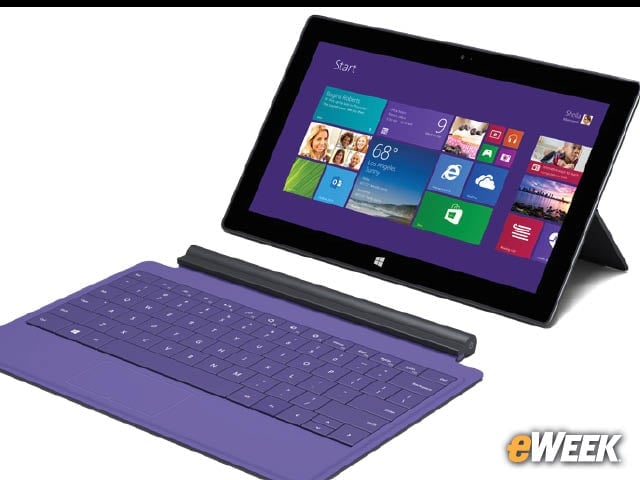
Microsoft definitely needed to provide value-added services with the Surface to appeal more to customers. However, the company has—just as it has so many times in the past—decided to lock folks into its own services. So, if they want cloud storage, they’ll get 200GB free with SkyDrive. Want to place some calls or access free WiFi? They’ll need Skype for that. No one likes to be locked in to certain services. That’s why Google, while offering its own apps, has at least left Android open to other things. Too bad Microsoft didn’t learn that lesson.
iPad Owners Are Loyal
Microsoft’s goal with the Surface 2 is to attract more iPad owners to its platform. In fact, Bill Gates said earlier this year in an interview that he believes the Surface platform will attract iPad and Android owners. But as Apple’s consistently high market share in the tablet space has shown, iPad owners are loyal, and they don’t like the idea of switching to other platforms. If the average iPad owner is who Microsoft wants to target—and it certainly seems that way—the company might be in for trouble when the Surface 2 hits store shelves.
What About the Average Consumer?
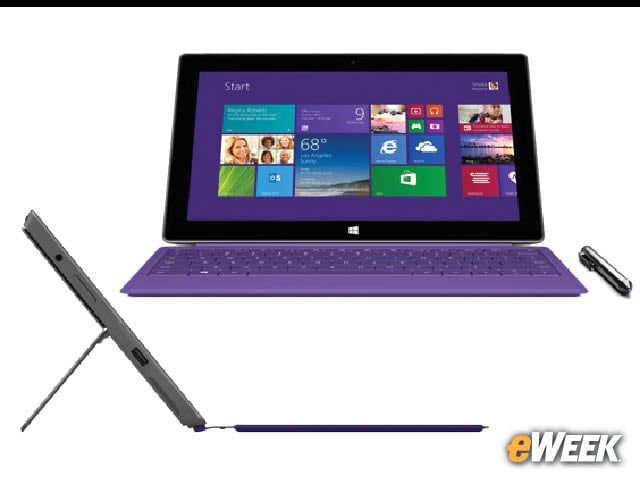
Microsoft has divided its addressable market in a very odd way. The Surface RT is designed for the budget-conscious customer who doesn’t necessarily care about Windows programs, but wants to use a Microsoft product. The Surface Pro 2, meanwhile, is designed with corporate customers in mind. But what about the average consumer who wants a hybrid experience similar to what the iPad delivers? Unfortunately, the Surface line doesn’t try to reach that market.
The Release Date Is Plain Wrong
Microsoft’s decision to launch the Surface 2 line in October is a major blunder. Around the same time, Apple is expected to launch a new iPad, which means the Surface will go head-to-head with the world’s most successful tablet. And as history has shown, there’s only one result when a company tries to go head-to-head with a new Apple product—failure.