






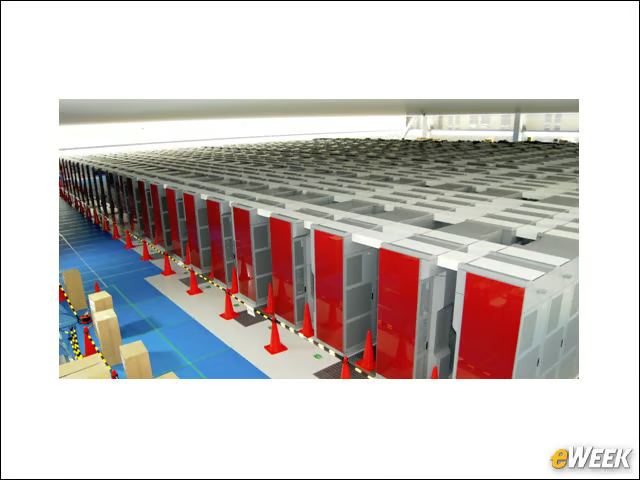


K Computer
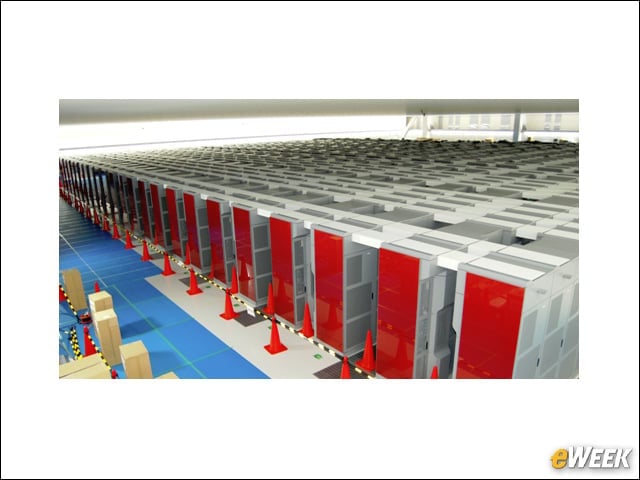
The supercomputer is powered by 705,024 of Fujitsus SPARC64 processors spread over 864 server racks. When the system entered the list at No. 1 in June, it marked the first time since 2004, when Fujitsus Earth Simulator was knocked off the perch, that a Japanese computer headed the list.
Tianhe-A1
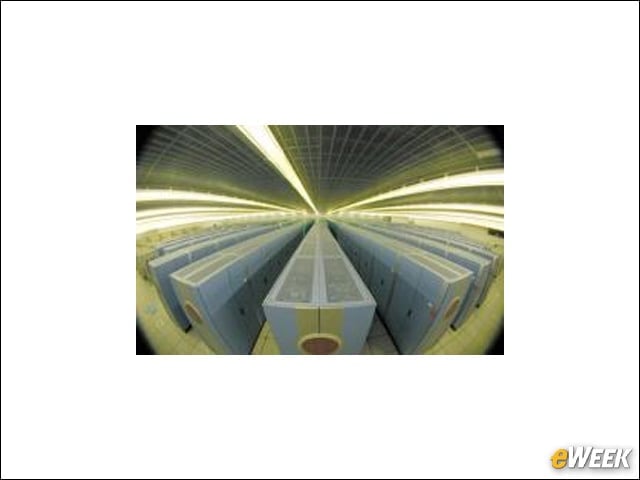
Developed by the Chinese National University of Defense Technology, the Tianhe-A1 was knocked off the top of the list in June by the K Computer. Powered by more than 14,000 Xeon X5670 chips and more than 7,000 GPUs from Nvidia, the system, installed at the National Supercomputing Center in Tianjin, has hit a peak of 2.5 petaflops.
Jaguar
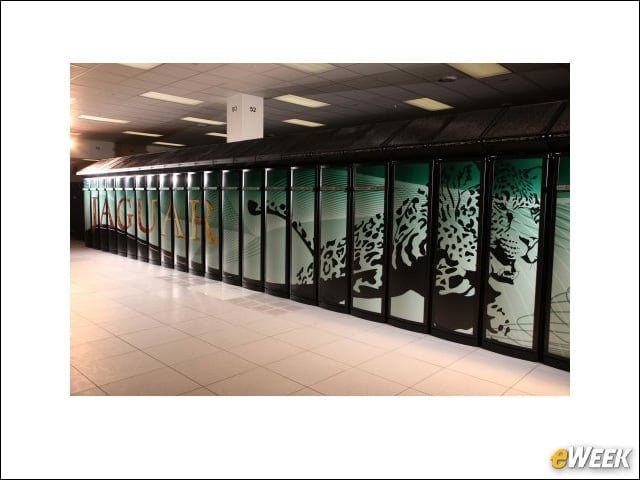
Installed at the Oak Ridge National Laboratory in Tennessee, the Jaguar supercomputer is powered by Crays XT5-HE technology powered by AMDs six-core Opteron chips. The system, which has hit a peak of about 1.75 petaflops, is about to be revamped by Cray using AMDs new 16-core Opteron 6200 chips and GPUs from Nvidia. Once completed, the new system—dubbed Titan—will have theoretical peaks of 10 to 20 petaflops.
Nebulae
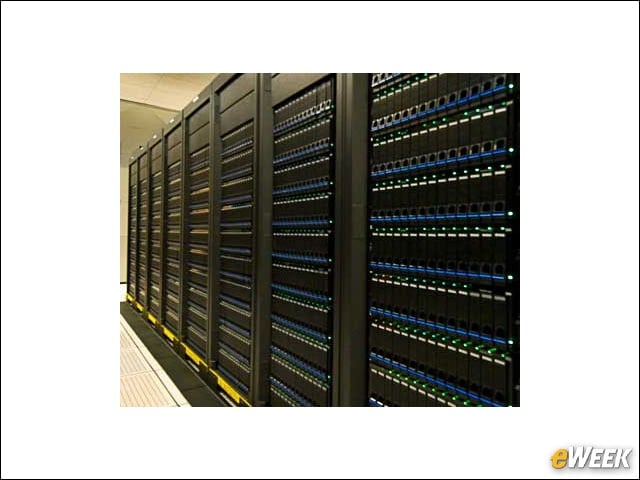
Built from Dawnings TC3600 blades using Intels six-core Xeon 5650 and Nvidia GPUs, the Nebulae at the National Supercomputing Center at Shenzhen has hit 1.27 petaflops.
Tsubame 2.0
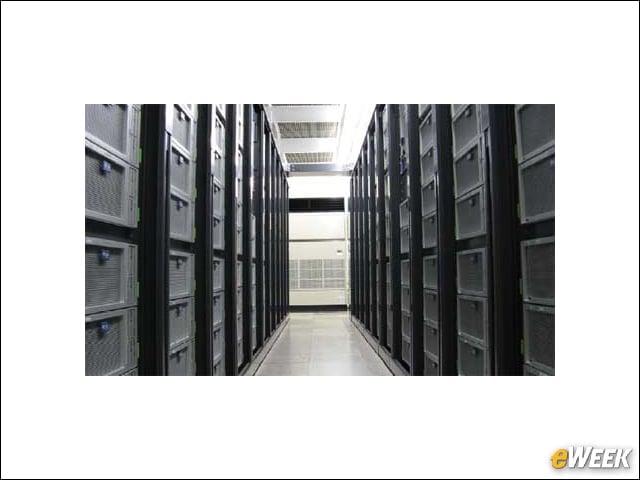
Installed at the GSIC Center at the Tokyo Institute of Technology, the Tsubame 2.0 comprises HPs ProLiant SL390 G7 systems, which are powered by Intels six-core Xeon 5670 processors and leverage Nvidia GPUs. The system, which runs both Linux and Windows, has a performance of 1.19 petaflops.
Cielo
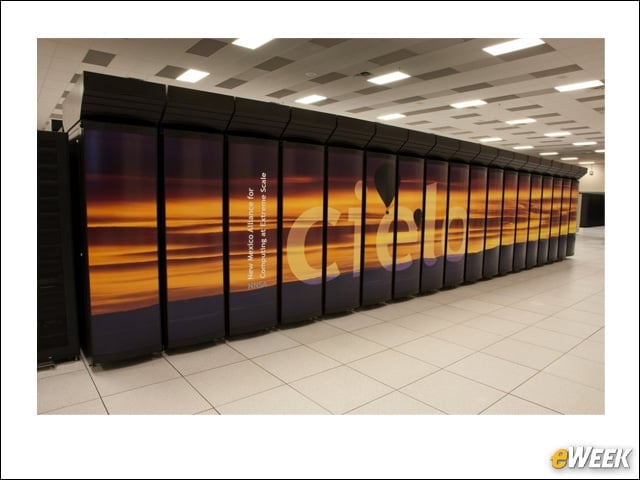
Cielo was built by Cray using its XE6 systems at the Los Alamos National Laboratory for the National Nuclear Security Administration. Cielo leverages AMDs eight-core Opteron 6136 chips for a performance level of 1.11 petaflops.
Pleiades
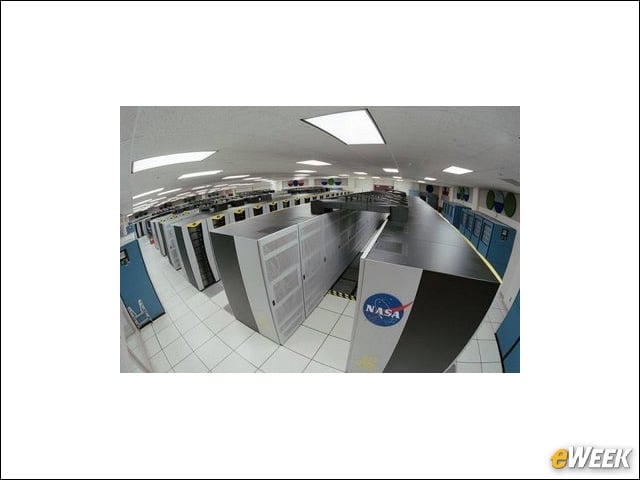
The NASA supercomputer at the Ames Research Center comprises SGIs Altix ICE 8200EX/8400EX servers powered by Intels Xeon HT QC 3.0, 5570 and 5670 processors. It offers a performance of 1.08 petaflops.
Hopper
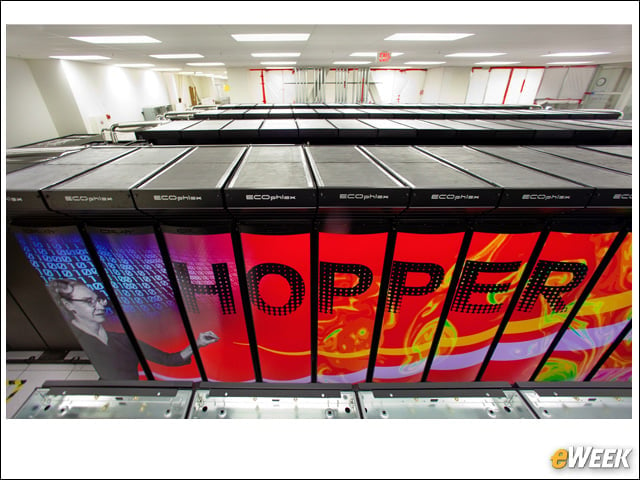
Another Cray supercomputer, this one for the National Energy Research Scientific Computing Center at the Lawrence Berkeley National Laboratory. It leverages Crays XE6 systems, which are powered by AMDs 12-core Opteron 6172 processors. The system, with a total of 153,408 cores, offers a performance of 1.05 petaflops.
Tera-100
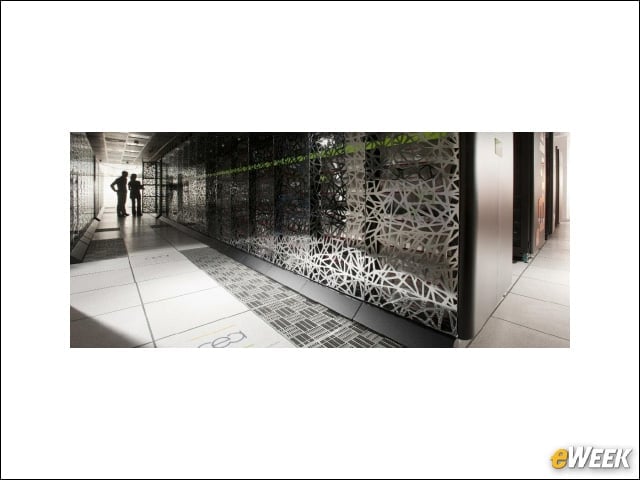
Housed at Frances Atomic Energy Commission, the Tera-100 last year became Europes first supercomputer to break the petaflop barrier. Built by Bull, the system is a cluster of 4,370 bullx S series servers, with more than 17,400 Xeon 7500 chips from Intel. Its performance is listed at 1.05 petaflops.
Roadrunner
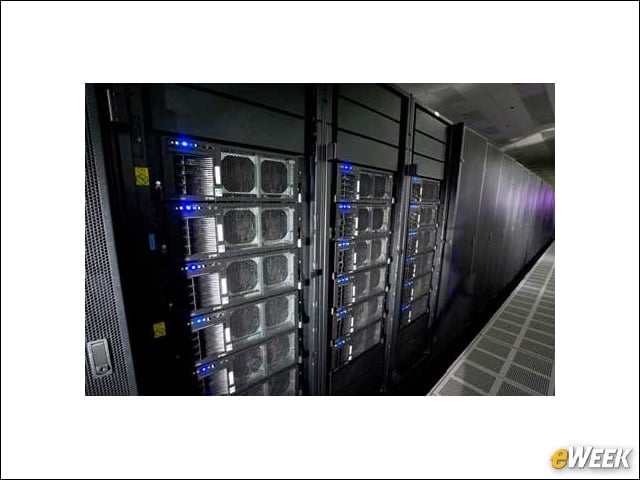
The IBM-built supercomputer, installed at the Los Alamos National Laboratory, is a cluster of BladeCenter systems powered by Big Blues 3.2GHz PowerXCell 8i and AMDs dual-core Opteron chips. Its performance is listed at 1.04 petaflops.