






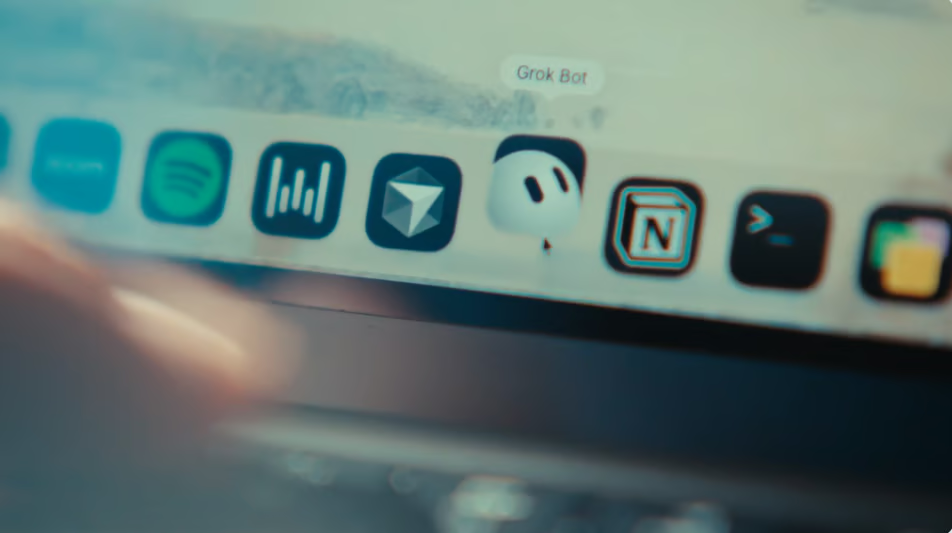


SpaceXAI just introduced Grok Bot, giving users always-on AI agents that can log into workplace apps, continue running on cloud computers, and return when a task is finished or needs approval.
The beta is available on desktop and iOS for SuperGrok Heavy, Cursor Ultra, and Cursor Teams Premium subscribers.
Teams and enterprise customers can join a waitlist for future access. The launch moves Grok further from answering prompts toward carrying out work inside the systems employees already use.
Grok Bot moves from chat into business systems
SpaceXAI says each Grok Bot gets a computer in the cloud and can sign into apps, websites, and other tools, including services without a dedicated API or MCP connection. A user can hand over a task, leave their own computer, and let the bot continue until it needs a decision or completes the job.
That model fits the broader shift toward agentic AI systems that plan, use tools, and take actions rather than only generate an answer.
Grok Bot adds persistence: SpaceXAI says bots can remember prior conversations, learn a workflow by watching a user perform it, save the routine, and apply corrections the next time it runs.
Multiple bots can also work in parallel and exchange context. SpaceXAI describes internal use cases in which one bot coordinates specialists handling inboxes, expenses, recruiting, sales outreach, CRM updates, and bug fixes.
For IT teams, the important change is the authority being delegated.
An agent that can sign into business systems may inherit access to customer records, email, support tools, or internal applications. Existing enterprise identity controls for AI agents therefore become part of the deployment decision: teams need to know which identity a bot uses, what permissions it receives, which actions require approval, and how access can be revoked.
Enterprise controls are the biggest unanswered question
SpaceXAI already offers enterprise controls for Grok Business and Enterprise, including SSO, SCIM directory sync, role-based access controls, audit capabilities, no training on customer data, and an Enterprise Vault option with customer-managed encryption keys.
Grok Bot's launch materials do not say which of those controls apply to the beta. Enterprise access remains waitlisted, and SpaceXAI has not published bot-specific documentation covering delegated credentials, action logs, approval policies, rollback, or how saved routines and long-term memory are stored and deleted.
The company's May 12 enterprise terms set a general maximum retention period of 30 days after an interaction or session ends, unless longer retention is agreed or required for specified legal, security, or compliance reasons. A shorter limit of one hour applies only when customers elect to use a Zero Data Retention-enabled API. The terms do not establish whether Grok Bot uses either retention model.
That distinction is especially relevant because an always-on agent needs persistent context to remember routines and continue work. Grok's related coding agent has already drawn scrutiny over data handling after a researcher found Grok Build uploaded full Git repositories to cloud storage before SpaceXAI changed the behavior.
Before Grok Bot reaches enterprise production, buyers will need product-specific answers on identity, credential storage, audit trails, approval thresholds, retention, and recovery after an incorrect action.
Its ability to work across existing tools expands what an AI assistant can accomplish, but it also expands the number of systems affected when an automated decision goes wrong.
Also read: OpenAI Presence combines policies, simulations, approved actions, and human approvals for enterprise AI agent deployments.