





An old application can run for years before anyone needs to ask what protects the data it sends. Preparing for quantum computing makes that question harder to put off.
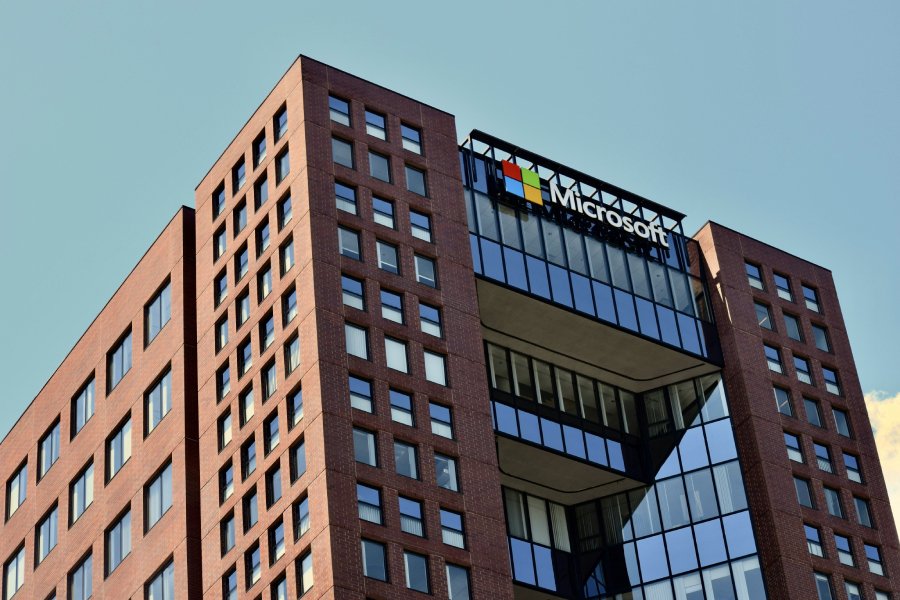
Microsoft is forming a team at its Israeli research and development center to build AI tools that help companies find where they use cryptography, rank the risks, and address weaknesses, Calcalist reported. That inventory can help security teams decide which systems to upgrade first.
Inbar Badian, who previously worked on strategy and innovation in the office of the chief technology officer for Microsoft’s Security division, will lead the group, Calcalist reported Nov. 23. The report gave no product name, pricing, or release date.
What the Israeli Team Will Build
According to Calcalist, the tool is meant to cover four jobs:
- Map: Keep a continuous inventory of where an organization uses encryption.
- Assess: Evaluate the risks in that inventory and rank them.
- Fix: Help security teams remediate the vulnerabilities it finds.
- Prepare: Help organizations plan the move to quantum-resistant cryptography. Attackers can collect encrypted data today and try to decrypt it later if sufficiently powerful quantum computers become available.
An October Government Accountability Office audit found that only one of 24 major federal agencies fully met the criteria for a prioritized inventory of vulnerable cryptography. Nineteen agencies did not use automated tools to build or verify their inventories.
A Nov. 10 posting from Microsoft’s Israeli R&D center describes similar work under Project Compass, a new Microsoft Security group hiring engineers in Herzliya. The posting says the team will use AI agents to find cryptographic assets, assess risks, and address weaknesses. The posting does not name a leader or link Project Compass to the team Calcalist described.
Microsoft’s 2029 Quantum-Safe Target
Calcalist linked the new team to Microsoft’s accelerated post-quantum plans.
| Date | Microsoft milestone |
| 2023 | Creates its Quantum Safe Program (QSP) |
| Aug. 20, 2025 | Sets early adoption of quantum-safe capabilities by 2029 and full transition by 2033 |
| June 30, 2026 | Moves its target for transitioning Microsoft products and services to post-quantum cryptography to 2029 |
| Nov. 10, 2026 | Posts a Project Compass opening in Herzliya |
| Nov. 23, 2026 | Calcalist reports the Israeli AI encryption team |
Explaining the June change, Mark Russinovich, chief technology officer of Microsoft Azure, wrote, “Advances in quantum research and development have shifted the risk horizon.” The same post told organizations to begin with a living cryptographic inventory. Google Cloud also targets 2029 for its own post-quantum readiness and recommends that customers start with an inventory.
What eWeek Found: The Test Is What Microsoft Can Discover
Microsoft’s 2029 target covers its own products and services. Customers still have to track down vulnerable cryptography in the systems they manage. A company might know which certificates it issued and still have to work out which applications use them, who owns those applications, and whether an upgrade could interrupt service.
That’s the problem other vendors are trying to solve. Q.security announced its launch with $11.5 million in seed funding on Nov. 23, saying its platform connects cryptographic findings to the applications they affect. Governments are pushing organizations to start that work, too. Germany’s post-quantum guidance calls for an initial inventory by the end of 2026.
If Microsoft makes the tool available to customers, these are the details to watch:
- Coverage. Can it find cryptography in third-party software, custom applications, and on-premises systems?
- Prioritization. Does it show which applications and sensitive data depend on a vulnerable algorithm so teams can decide what to upgrade first?
- Change control. Can teams review proposed fixes and check that dependent services still work after an upgrade?
An inventory gets the migration started. Its value grows when teams can connect each finding to a system owner and a change they can test.
Subscribe to the Quantum State newsletter from eWeek to stay ahead of quantum computing and real-world applications shaping the next era of technology.