







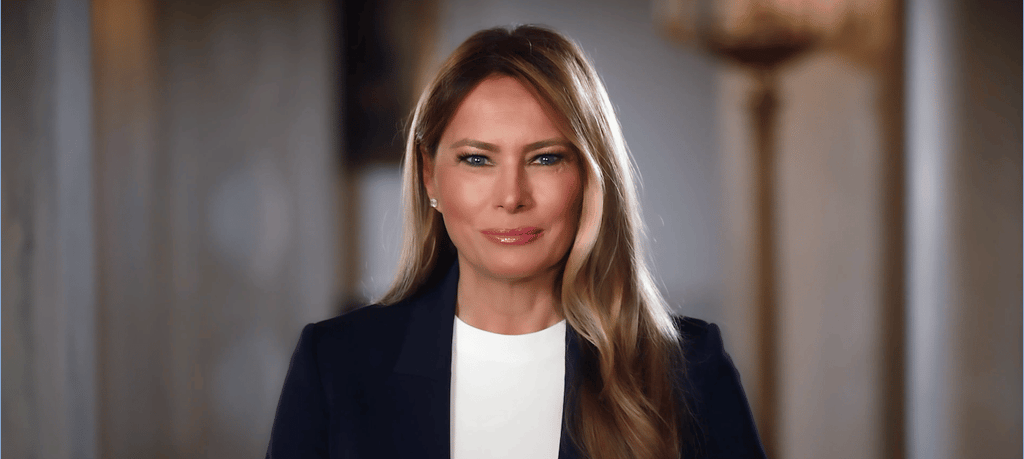
First Lady Melania Trump has introduced the Presidential AI Challenge, a nationwide contest for grades K-12 designed to familiarize children with generative AI technology. While details vary by age group, all participants are required to develop a generative AI solution that addresses a community issue.
Educators can also participate, as long as they meet the Presidential AI Challenge’s eligibility requirements.
Registration for the Presidential AI Challenge is open. All projects must be completed by January 20, 2026, at 11:59 PM local time, with state champions named in March. The National Championships will be judged from June 7 to 10, 2026. Participants will have access to information sessions, mentorship, and office hours.
National winners can take home up to $10,000
Competitive participation is optional but rewarded through incentives, including:
- Cloud credits and other resources from corporate partners to foster youth participation in AI initiatives.
- A Presidential Certificate of Achievement for State Champion winners.
- A three-day in-person showcase in Washington, D.C., for selected Regional winners.
- $10,000 per group for the elementary students or per individual for the older students who are named National Champions.
Challenge aims to strengthen America’s AI workforce
“Just as America once led the world into the skies, we are poised to lead again, this time in the age of AI,” Melania Trump said in a video post on X.
The initiative follows President Donald Trump’s executive order — Advancing Artificial Intelligence (AI) Education for American Youth — signed five months ago. The order has “the goal of maintaining America’s global dominance in this technological revolution for future generations,” according to the AI Challenge website.
The competition is designed not only to boost AI literacy but also to prepare students for a labor market increasingly shaped by AI tools and systems. According to some studies, AI skills are in high demand and pay well. However, the capabilities of generative AI may make it more challenging to secure some entry-level positions.
Like other internet-connected services, generative AI can expose children to sexualized content or parasocial relationships, warned 44 US attorneys general in an open letter on Aug. 25.