






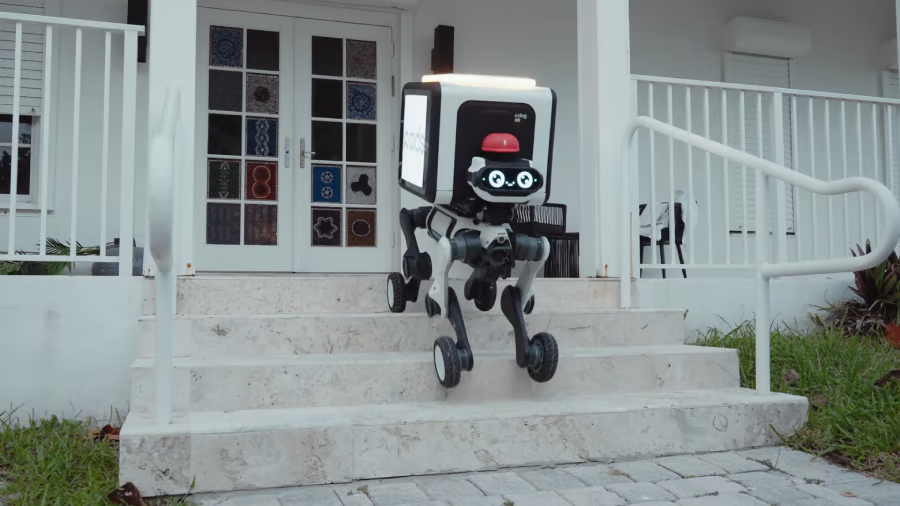


R-Dog takes its cues from a familiar four-legged companion. Pet the dog-inspired robot on the head and its tail wags.
Robot.com is developing the quadruped for commercial work. The robot pairs autonomous delivery with mobile advertising, turning its pet-like design into part of how the machine attracts attention in public spaces.
Playful behavior is only the introduction. Robot.com wants one robotic platform handling jobs that would normally call for very different machines, from getting an order to its destination to putting a brand in front of people along the route.
One trip can do more than deliver
Food orders and e-commerce parcels fit inside one onboard compartment, according to Robot.com. Unattended drop-off can complete the handoff before the machine moves on.
Four legs are central to the robot’s design. Similar quadruped robots can handle terrain that poses problems for wheels.
Felipe Chavez Cortes, CEO of the robot manufacturer, said years of delivery work showed that robots often hit a wall in the final 100 meters. R-Dog is meant to cover those remaining steps.
Advertising gives each trip another use. Brands can run campaigns on two screens through R-ads, while expressive movement and engagement tracking add other ways to interact with passersby.
Shared software handles the harder routes
REMI connects the quadruped to the company’s existing fleet system for tasks such as teleoperation and deployment. Using the same software across different machines lets the manufacturer add new robot forms without starting over each time.
FieldAI is supplying another piece of the autonomy system. Its Foundation Models are meant to help machines adjust when surroundings change, an increasingly important challenge as physical AI moves into spaces designed for people.
R-Dog remains a concept, with commercial deployments planned for 2027. Pricing has not been announced.
Four legs could open more places to automation
Campus and hospital operators should watch the first deployments closely. Routes filled with steps, curbs, and mixed indoor-outdoor surfaces could give legged machines a real advantage.
Retailers and delivery teams have another angle to consider. A robot carrying an order could also earn advertising revenue during the same trip. Buyers should compare that opportunity against battery life, payload capacity, and operating costs.
Public-space managers should pay attention to interaction too. Expressive behavior may help people feel comfortable around human-facing robots, but engagement tracking may raise privacy considerations before machines enter hospitals or residential areas.
While a wagging tail gets attention, operators will care whether one machine can turn the same route into more than one paying job as robotics deployments spread into everyday spaces.
More News: Digit v5 pairs longer workdays with faster charging as Agility Robotics targets heavier use in industrial environments.