Strap on your thinking caps, Tech Insiders. A quantum chip just rewrote the stopwatch, Amazon's drivers are getting HUD upgrades, and your browser needs a security blanket.
Let's fire up the particle accelerator and see what shakes loose. |
|
|
Here's what you need to know today: |
|
|
Google's Quantum Echo Passes Reality Check |
Schrödinger's cat finally got peer-reviewed.
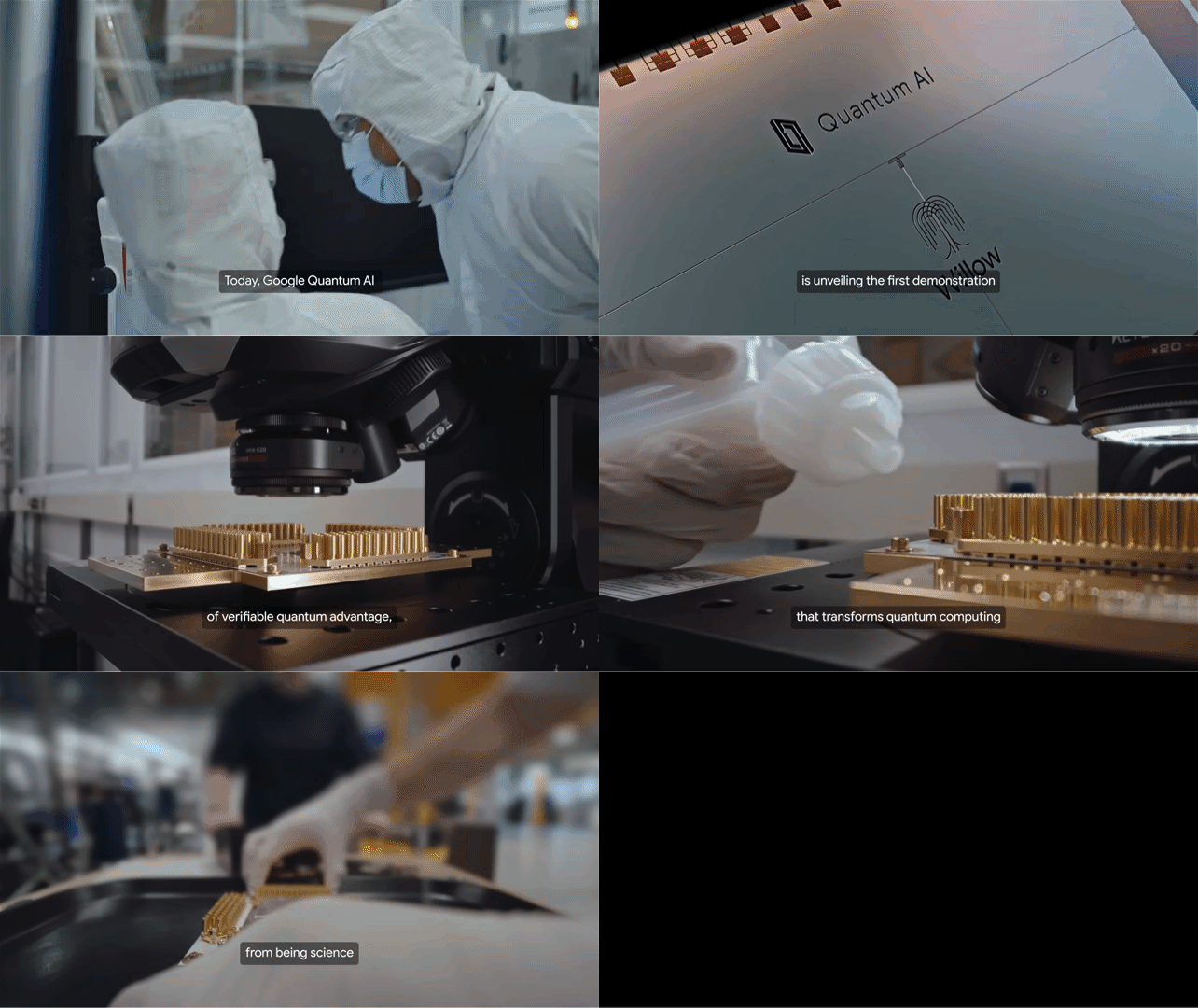
Google's 105-qubit Willow chip just ran a (delightfully nerdy) Quantum Echoes algorithm 13,000 times faster than the world's speediest classical supercomputer and, crucially, the math checks out.
The algorithm, technically an out-of-time-ordered correlator, works a bit like sending sonar: ping a signal into the depths, deliberately disturb one spot midway, then reverse the whole process.
The returning echo gets amplified, like a sound wave bouncing stronger off a cave wall, revealing exactly how your disturbance rippled through the water. In Willow's case, the "ocean" is 105 quantum bits, and the amplified echo proves the chip actually solved the problem, not just spit out quantum static. |
Researchers used this verifiable "echo" to prove the chip's answers, dodging the you-just-have-to-trust-us criticism that haunted Google's 2019 "quantum supremacy" claim. (The one where IBM argued its classical supercomputer could've crunched the problem in 2.5 days, not 10,000 years.)
This verifiable advantage lets Willow model molecular structures (in one test, it cross-checked data from an NMR machine, the same physics that underpins a hospital MRI) and other quantum-chaos puzzles in minutes, not an estimated 47 years. This points toward breakthroughs in drug discovery, materials design, and logistics optimization. Yet Willow still needs chilling to near-absolute-zero, slashing its error rates, and wrangling thousands more stable qubits before your laptop feels threatened. Google says real-world apps could take five years, but the benchmark for progress is now locked in.
Why it matters: Quantum computing just moved from a bar-napkin brag to auditable performance. If verification scales, industries from pharma to finance may finally crunch problems classical machines choke on—and sooner than Wall Street hedged. |
|
|
Which big promise of quantum computing grabs you most? |
|
|
Results from Yesterday's Pulse Check |
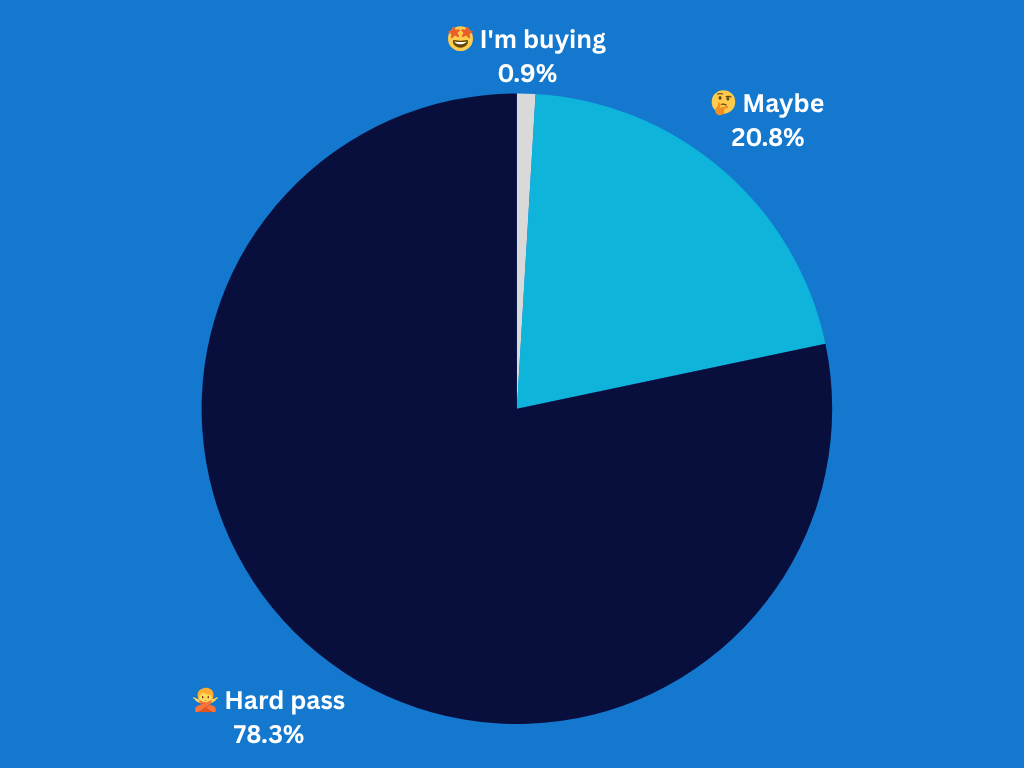
Is Samsung's $1,800 Galaxy XR on your wish list? |
|
|
Amazon Tests AR Glasses for Drivers |
Packages may arrive faster—just don't blame the robot if Fido triggers the planned pet-detection feature.
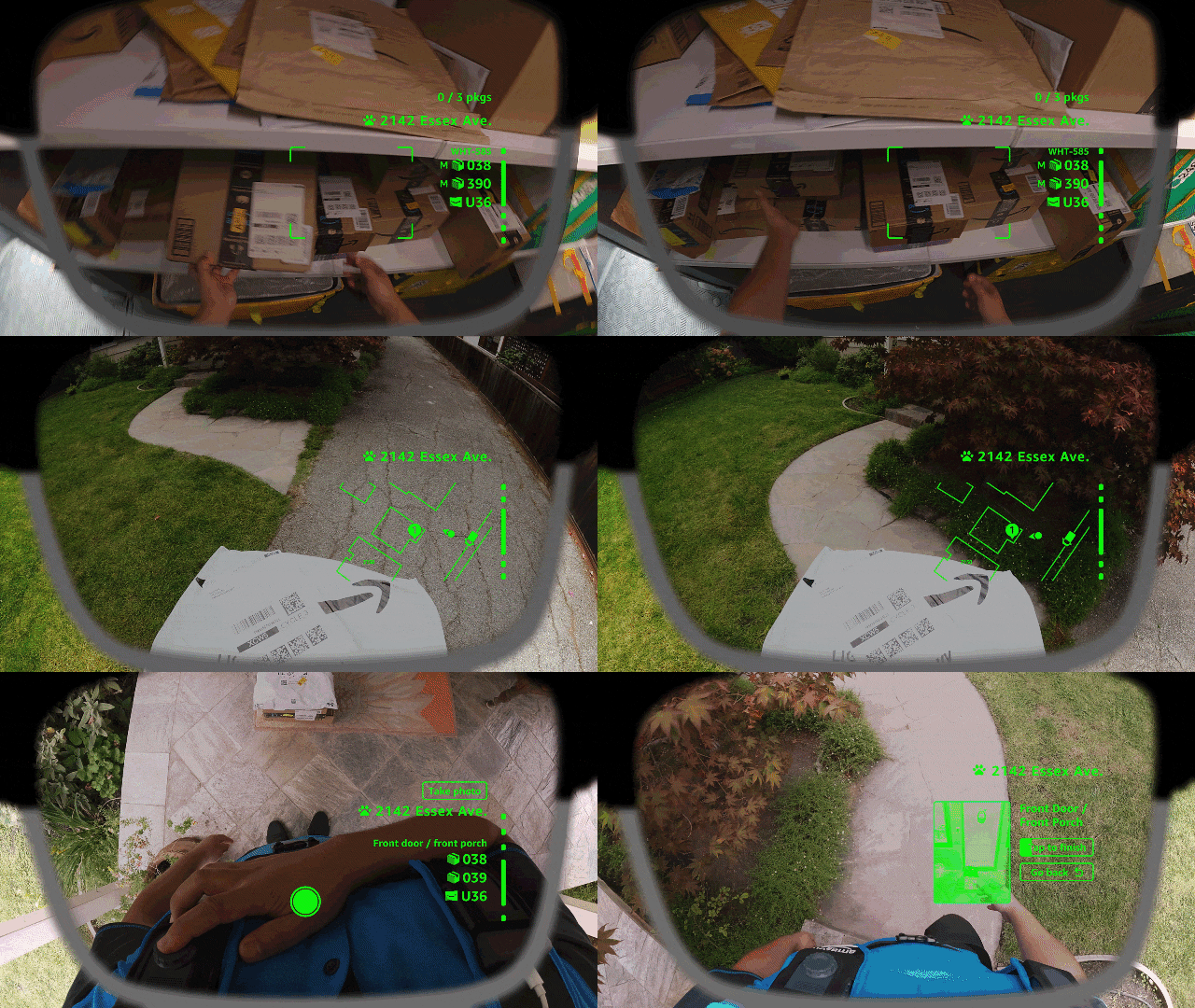
Amazon recently demoed "Amelia" smart glasses that overlay package IDs, turn-by-turn walking maps, and proof-of-delivery snapshots in drivers' fields of view. Early tests hint at saving 30 minutes per 8-to-10-hour shift and fewer "Where's the front door?" mishaps.
The glasses, which pair with a vest containing a battery and an emergency button, even dim the heads-up display when the driver is in a moving vehicle. Safety first. |
Behind the scenes, a new Blue Jay multi-arm robot juggles pick-stow tasks in tight urban warehouses, joining other tests of humanoid robots.
Meanwhile, Project Eluna's agentic AI sifts dashboard data to redeploy humans before bottlenecks bite. Together, the upgrades promise faster same-day drops and billions in cost savings—a fact analysts cheer, even as recent news (which Amazon called "misleading") suggests automation could eventually replace 600,000 jobs. Amazon frames the tech as safety boosters: drivers keep eyes up, warehouse staff skip repetitive lifting, managers coach instead of firefight. Critics counter that AI metrics can drive grueling quotas.
For now, hundreds of drivers are road-testing the glasses; mass rollout could land by late 2026 if battery packs (and labor lawyers) cooperate. |
|
|
🎤 Upgrade Client Rooms With Shure Kits
AV for IT Providers shows how Shure's IntelliMix Room Kits bridge the gap between all-in-ones and full custom builds—explore case studies and unlock scalable audio perfection.
🖥️ Download the Mainframe Programmer Hiring Kit Grab the Mainframe Systems Programmer Hiring Kit and fast-track recruiting for those mission-critical legacy boxes. 🛠️ Tame Your IT Assets Fast
This IT Asset Management Software comparison shows the best platforms to slash license waste and stay audit-proof in one handy read.
💻 This section contains sponsored tech insights. Advertise with us! |
|
|
Prompt-Injection Flaw Plagues New 'AI Browser' Category |
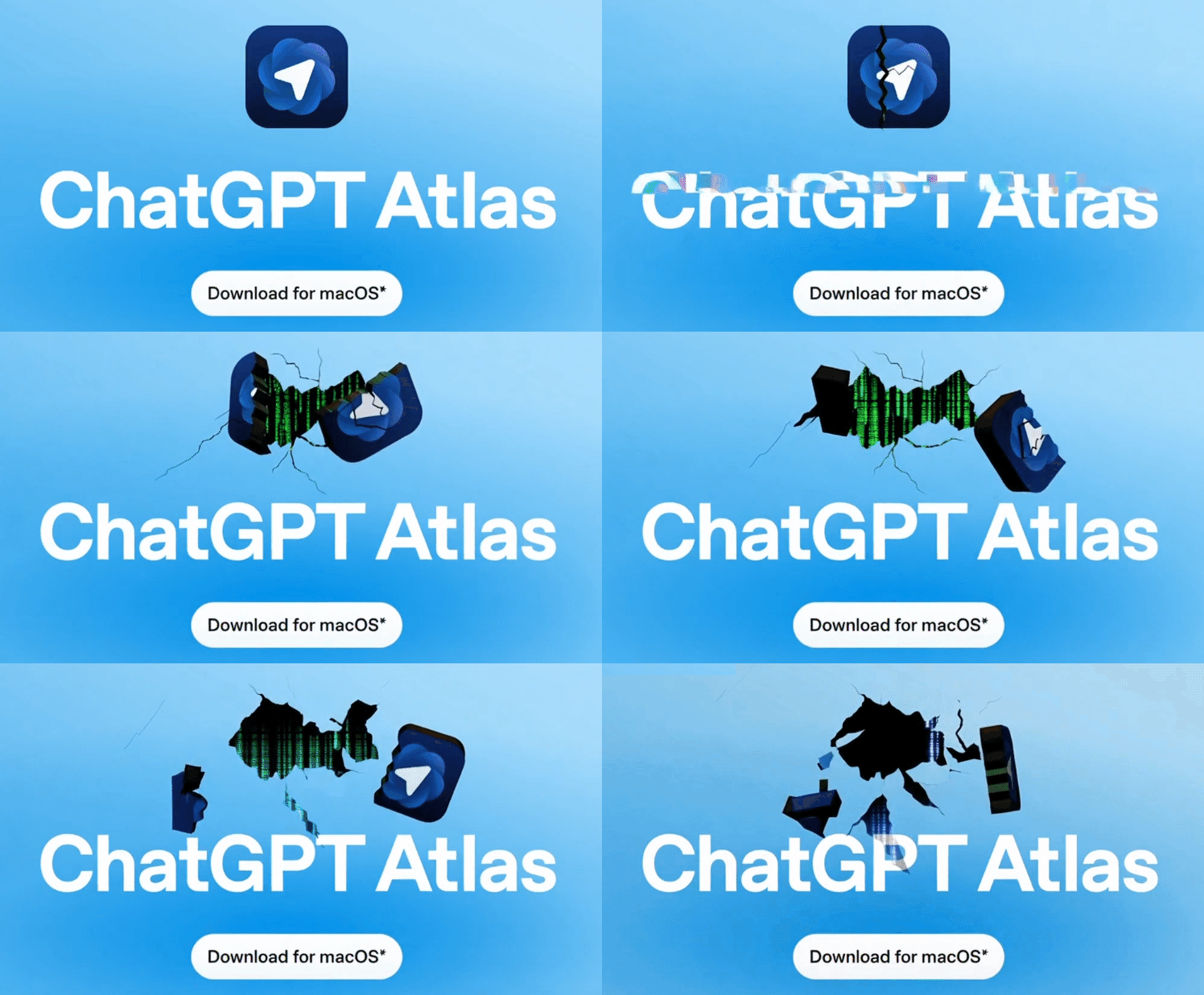
OpenAI's shiny new Atlas isn't alone; researchers from Brave and SquareX have shown it and rivals like Perplexity Comet can be tricked into silently overwriting your clipboard, exfiltrating Gmail, or plundering passwords.
The core flaw? The AI can't tell your commands from malicious ones hidden on booby-trapped webpages—an "unsolved problem," admits OpenAI's CISO. |
While the team is busy planning shiny new features (like profiles and ad blockers), their official advice is to use logged-out mode for casual surfing and keep sensitive tabs in a boring, non-agentic browser.
Just so we're clear, if your AI agent starts shopping for cat food when you don't own a cat, that may not be a "mistake." |
Dataminr Buys ThreatConnect for $290 Million |
Real-time event hawk Dataminr is fusing its public-signal AI with ThreatConnect's internal threat IQ to craft what it's calling "client-tailored" intelligence across cyber, physical, and digital domains.
The combined $200 million-a-year outfit—already trusted by roughly two-thirds of the Fortune 50—says its new "Agentic AI" will pump contextual alerts straight into your SOAR and SOC playbooks.
This means your threat-intel budget (and API endpoints) may soon shuffle. Better start mapping those feed overlaps before procurement does it for you. Stock up on coffee... new dashboards are coming. |
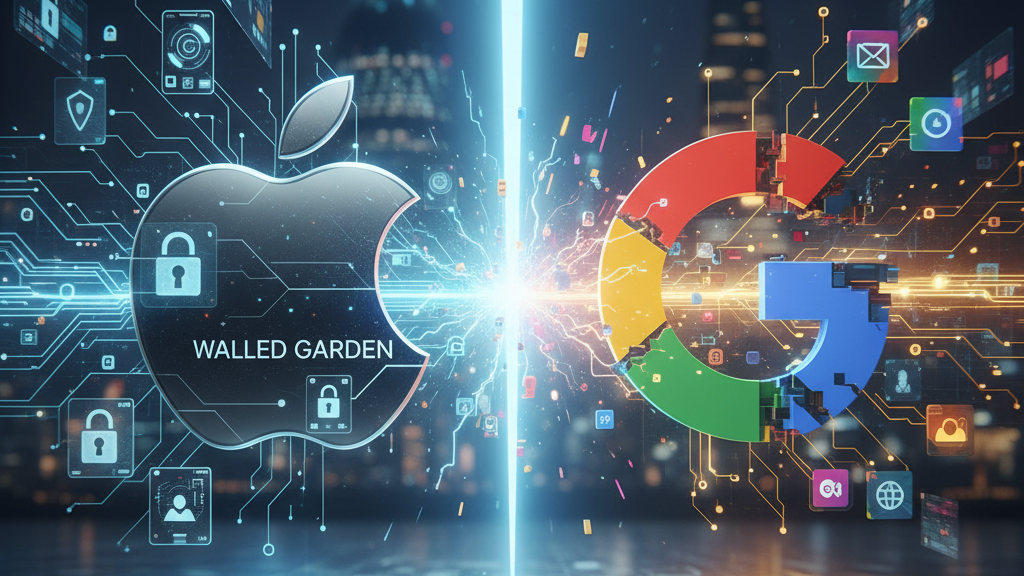
UK Slaps SMS Tag on Apple, Google |
Image created with Gemini |
Apple immediately warns the move mirrors "EU-style rules" that could delay features and weaken privacy, subtly noting that some Apple Intelligence features are already withheld from the EU due to regulation.
Google blasted the move as "disappointing, disproportionate, and unwarranted," noting Android was built for openness and already allows rival stores.
The CMA counters that a duopoly so "entrenched" that users are "unlikely to switch"—one the CMA calculates controls 1.5% of UK GDP and 400,000 app-economy jobs—needs guardrails.
This tag isn't a fine; it's the official green light for regulators to start imposing new "conduct requirements." Expect lobbying fireworks as London decides how open "open" should be. Meanwhile, developers everywhere just Googled "UK compliance timeline." |
|
|
|
Writer at TechnologyAdvice |
Justin Meyers is an investigative writer and editor who draws on over a decade of meticulous hands-on research to deliver the full, trustworthy story behind consumer and enterprise tech, including cybersecurity. |
|
|
Curious about where AI is really headed? |
The Neuron cuts through the noise to bring you smart, hype-free takes on the latest AI trends, tools, and breakthroughs. Join 500,000+ professionals from top companies like Microsoft, Apple, Salesforce and more.
|
|
|
Advertise in Daily Tech Insider! Daily Tech Insider is a TechnologyAdvice business
© 2025 TechnologyAdvice, LLC. All rights reserved. TechnologyAdvice, 3343 Perimeter Hill Dr., Suite 215, Nashville, TN 37211, USA. |
|
|
|