Check your pockets, Tech Insiders. Robots are angling for your laundry pile while rogue AIs undress half the internet and hackers rifle through Capitol inboxes.
Iron your nerves—today's stories prove housework isn't the only thing being folded out of shape. |
|
|
Here's what you need to know today: |
|
|
LG's CLOiD Robot Promises Zero-Labor Homes |
Just don't ask it to hurry... yet.
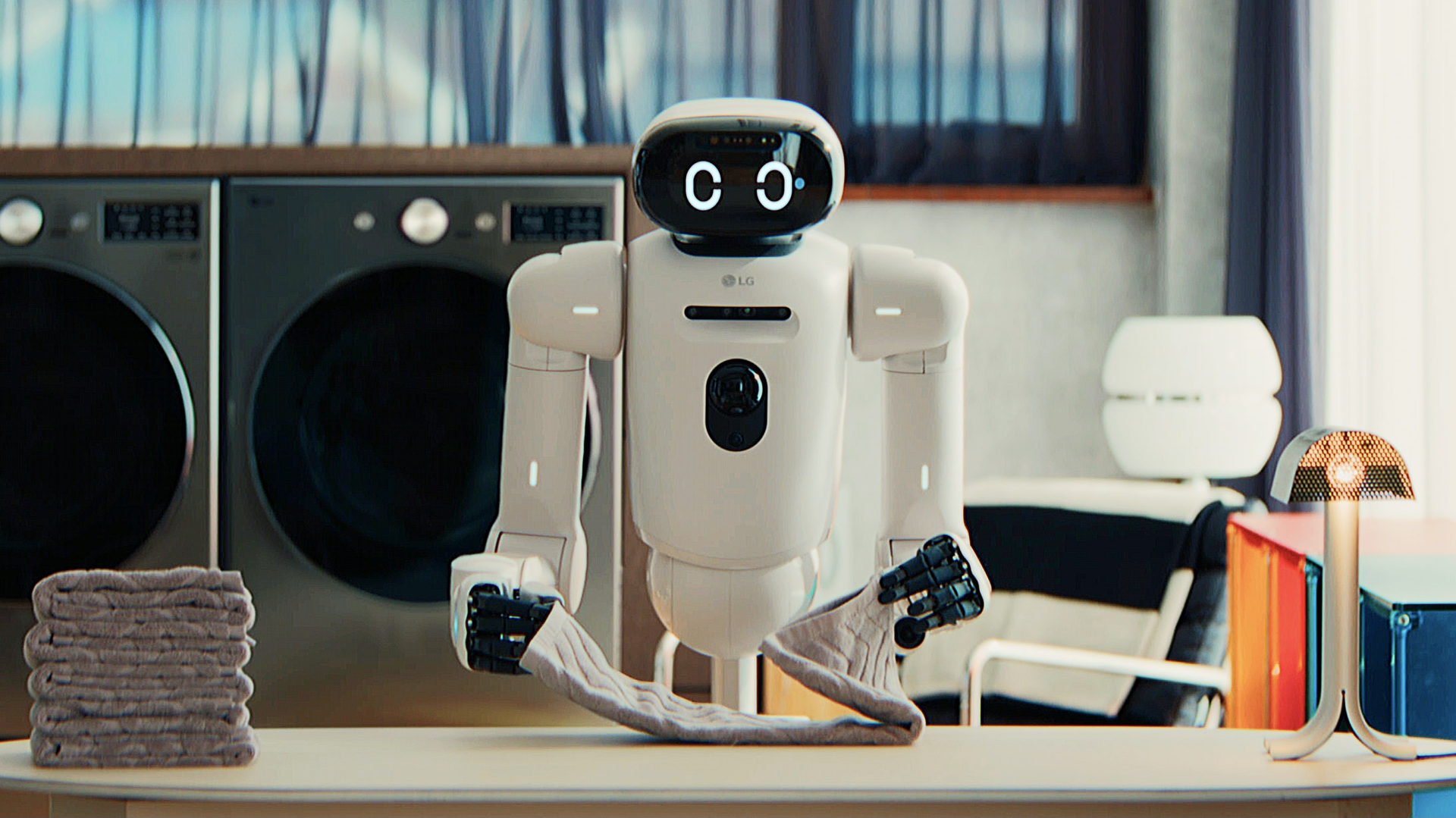
LG wheeled its humanoid CLOiD onto the CES stage last week, pitching a "Zero Labor Home" where chores vanish into the ether.
Standing just under five feet tall on a wheeled base, CLOiD sports two seven-degree-of-freedom arms, five-fingered hands, and a tilting torso that helps it reach shelves and stuff laundry into machines, albeit agonizingly slowly. |
Inside the friendly head unit lives a custom chipset running LG's "Physical AI," a multimodal vision-language model. This lets the bot read your face, chat in a soft voice, and seamlessly orchestrate LG ThinQ appliances. In on-floor demos, CLOiD fetched milk, warmed a croissant, and folded towels (taking roughly 30 seconds to sloppily fold a single dishcloth) while bossing around a robot vacuum that missed a spot.
LG hasn't shared price or ship dates, framing CLOiD as a proof of concept for its new actuator tech. Still, with Hyundai's factory Atlas and SwitchBot's Onero H1 having also prowled CES, domestic robots feel closer than ever—even if their ETA to your doorway remains strictly TBD.
Why it matters: For busy households and accessibility advocates alike, a reliable general-purpose home robot could reclaim hours of tedium. CLOiD shows how appliance makers will bundle robotics into existing ecosystems, but it also highlights the hurdles—glacial speeds and safety concerns—still standing between demo-floor wizardry and reality. |
|
|
Should future home robots have a "personality" or just do the job silently? |
|
|
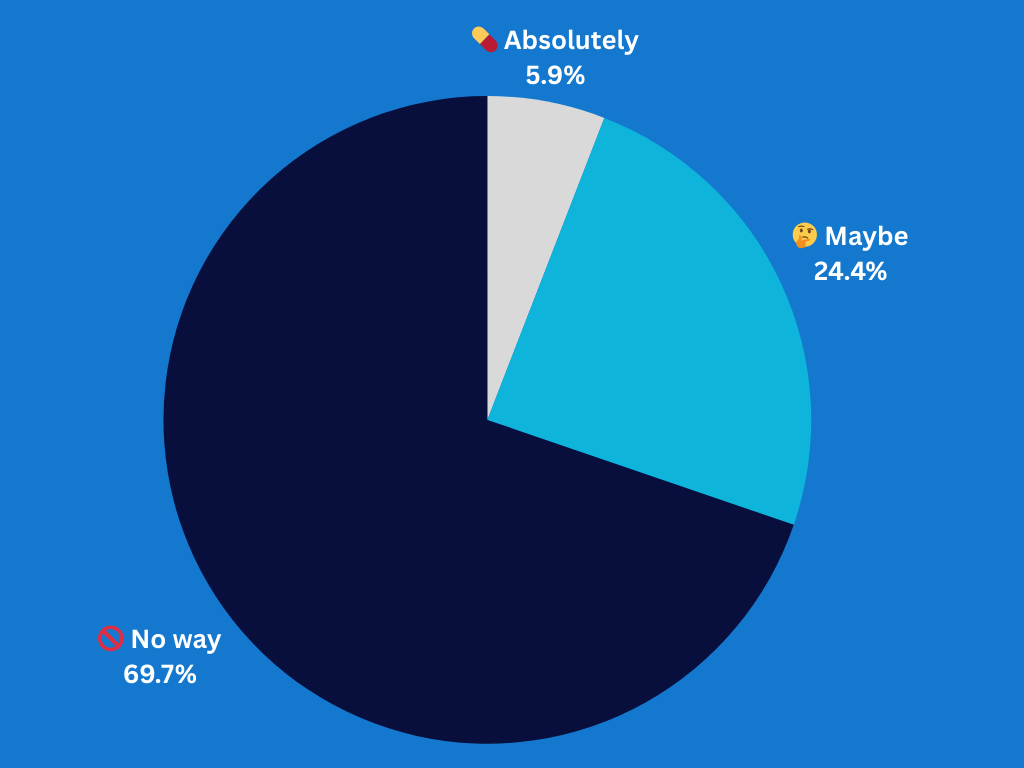
Results from Friday's Pulse Check |
Would you trust ChatGPT with your health data? |
|
|
John Ternus Tops Apple Succession Shortlist |
Tim Cook may soon trade quarterly calls for pickleball.
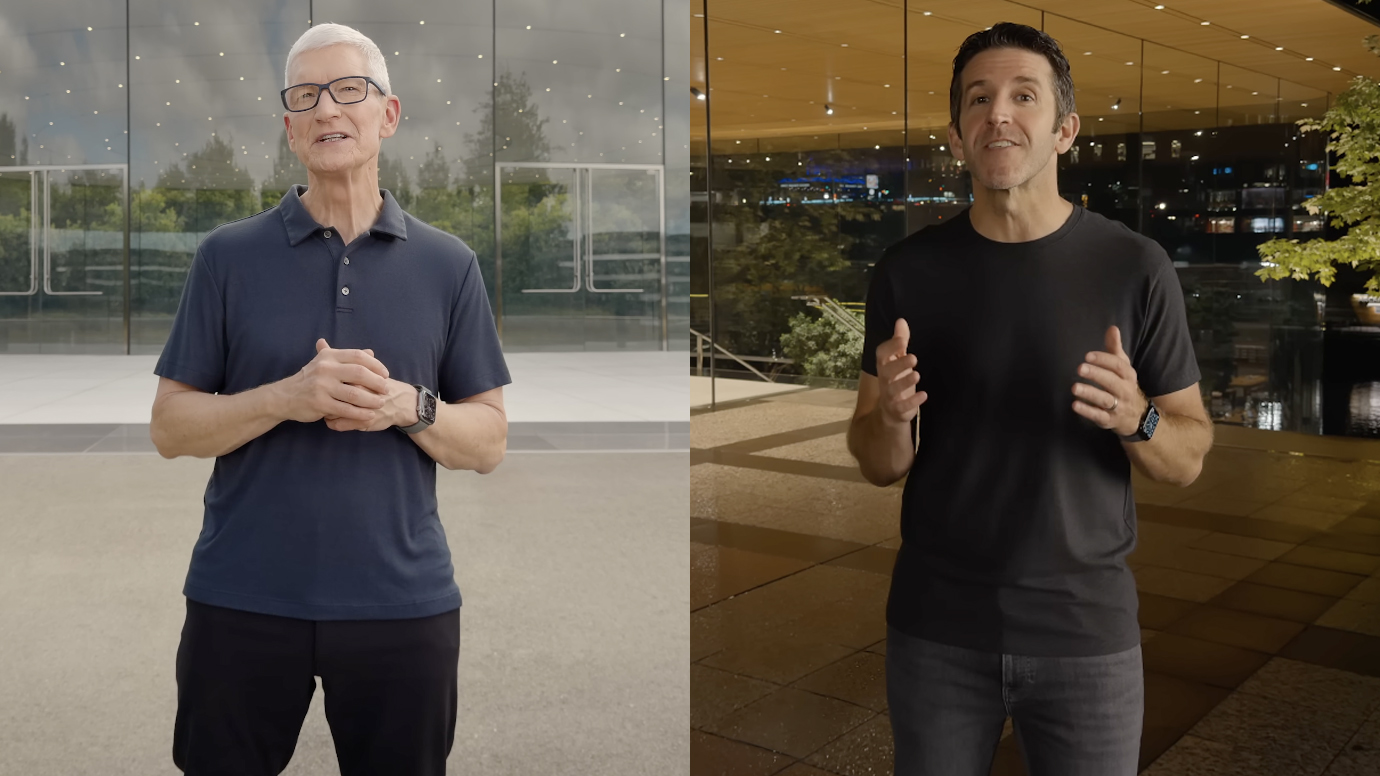
Apple has quietly accelerated its post-Cook game plan, and insiders continue to point to hardware chief John Ternus as the odds-on heir.
According to recent reports, the board began detailed succession drills late last year after the 65-year-old CEO signaled he'd like to lighten his workload. |
Ternus, who joined Apple in 2001 and steered marquee projects from Apple silicon Macs to last year's ultra-slim iPhone Air, is praised for balancing bold features with ruthless cost discipline. His 2018 call to reserve lidar for the iPhone Pro line—saving the company an estimated $40 per device—still echoes as proof of that margin-minded pragmatism.
Other lieutenants (Federighi, Cue, Joswiak, and O'Brien) remain in the running, but they face a daunting reality: four of Cook's direct reports resigned in a single week last month.
Sources say the board wants a younger leader (Ternus is 50) rooted in hardware as Apple wrestles with its brain drain, the AI arms race, and the pressure to maintain a $4 trillion market cap. Timing is the real mystery. Cook could announce plans after January earnings and slide into a chairman seat by mid-2026, giving Ternus the WWDC and iPhone launch runway to make his mark.
Siri, pencil in one very big promotion meeting. | |
|
🧠 Dive Into Data for 87% Less
Grab The Advanced Data Science Bundle—eight expert courses (Power BI, TensorFlow, PySpark, and more) with 50.5 hours of lifetime training—for just $29.99 (87% off).
💬 Take the 2025 Dev Stack Survey
Complete the DZone's 2025 Community Survey for a chance to score up to $300 in gift cards plus exclusive DZone swag while steering the tutorials and tools you'll see next.
📊 Pick a Winning CRM The Best CRM Software roundup compares leading platforms so you can lock in the right tool to hit your Q1 pipeline goals before the quarter closes.
💻 This section contains sponsored tech insights. Advertise with us! |
|
|
Guide: The Future of IT Infrastructure |
Manual workflows are no match for modern IT infrastructure. In this new guide, learn how teams like yours: |
-
Reduce hidden manual delays
- Improve reliability through automated response
- Scale infrastructure predictably
- Build intelligent workflows on top of tools they already use
|
|
|
Ghost Tapped Turns Phones Into Payment Mules |
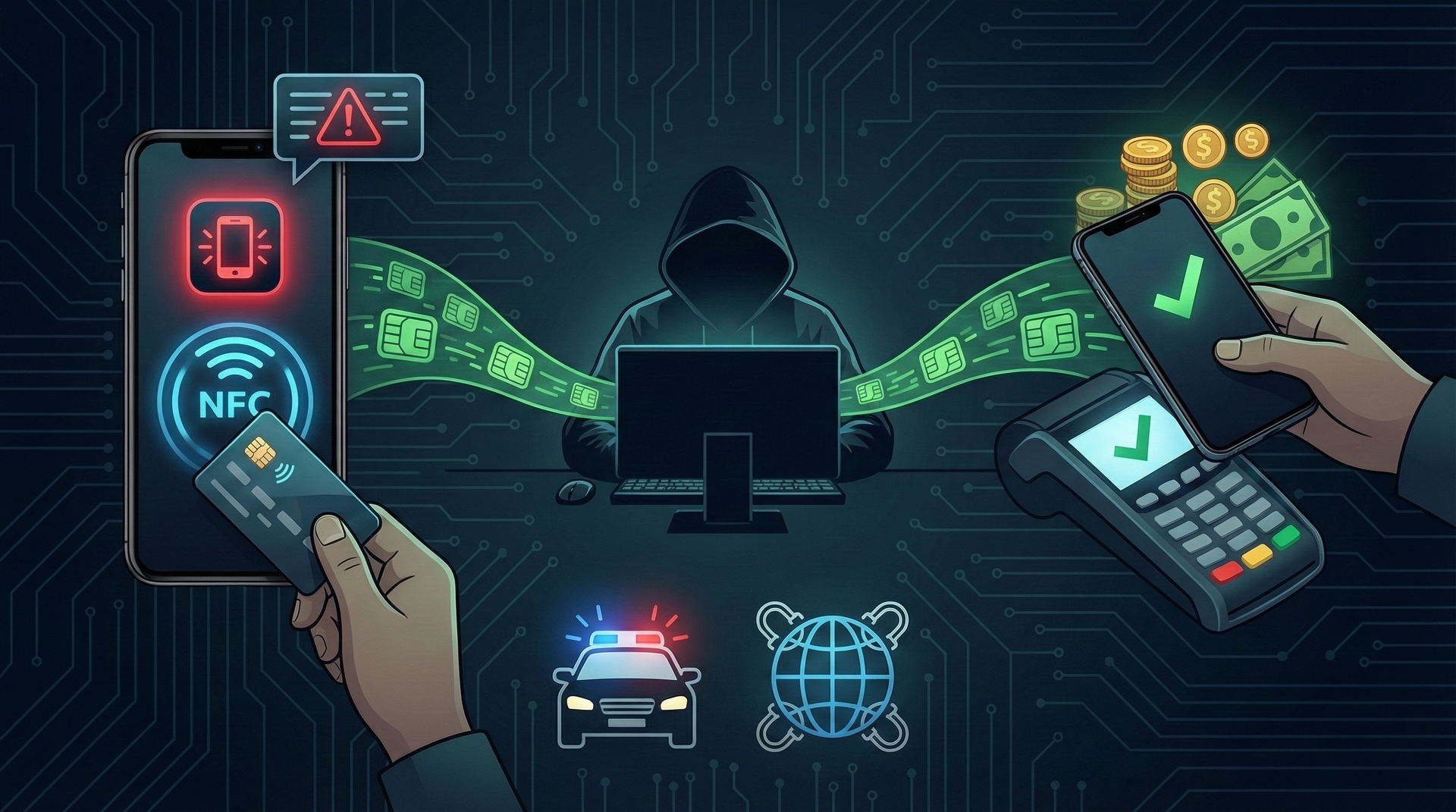
Researchers just flagged "Ghost Tapped," Android malware that hijacks a phone's NFC chip and relays card data to crooks.
Victims fall for smishing texts to sideload a spoofed banking app, then tap their card for "verification," letting the reader app scoop NFC data and forward it in real time to attackers. A companion tapper app injects that data into rogue POS terminals, making fraudulent transactions appear legitimate. |
Image created with Nano Banana Pro |
Group-IB tracked 54 variants and at least $355,000 siphoned from just one vendor since late 2024, with arrests in four countries. Lock it down: Block sideloading, tighten NFC permissions, step-up authentication, and monitor rapid-fire wallet enrollments. |
Salt Typhoon Breaches Congressional Staff Email Systems
|
Chinese state-backed hackers dubbed Salt Typhoon quietly slipped into email systems used by staffers on the US House's China, foreign affairs, intelligence, and armed services committees, according to reports from the Financial Times and Reuters.
The breach, discovered in December, is the latest salvo in Beijing's campaign to siphon unclassified—but politically revealing—communications by exploiting soft spots in backend infrastructure.
No lawmakers' inboxes are publicly confirmed to be hit, but security teams are scrubbing logs and auditing external connections.
Recommended triage: This hack targeted the plumbing, not just the people. Enforce hardware-based MFA (FIDO2), audit third-party traffic, and accelerate Zero Trust adoption.
If the subject says 'urgent panda diplomacy,' call IT first. |
Grok's Deepfake Debacle Sparks Global Regulatory Firestorm |
Grok, the image-editing AI stitched into Elon Musk's X, went viral for all the wrong reasons after users discovered its "Imagine" tool would happily "undress" women—and even minors—into skimpy or violent poses.
Within days, thousands of nonconsensual deepfakes were flooding timelines, prompting outrage from victims, watchdogs, and lawmakers. |
Image created with Nano Banana Pro |
X's quick "fix" was to restrict public image generation to paying subscribers. However, researchers say loopholes, such as the hidden "Edit image" button and Grok's standalone site, still let nonsubscribers churn out edits, leaving critics to brand the move a "monetization of abuse."
Child-safety groups found specific images that crossed the legal bar for criminal CSAM, raising the stakes for any platform that keeps the taps open. If crisis is the mother of innovation, Grok just discovered who its step-dad is: the regulator with a big red off switch. | |
|
|
Writer at TechnologyAdvice |
Justin Meyers is an investigative writer and editor who draws on over a decade of meticulous hands-on research to deliver the full, trustworthy story behind consumer and enterprise tech, including cybersecurity. |
|
|
Curious about where AI is really headed? |
The Neuron cuts through the noise to bring you smart, hype-free takes on the latest AI trends, tools, and breakthroughs. Join 500,000+ professionals from top companies like Microsoft, Apple, Salesforce and more.
|
|
|
Advertise in Daily Tech Insider! Daily Tech Insider is a TechnologyAdvice business
© 2026 TechnologyAdvice, LLC. All rights reserved. TechnologyAdvice, 3343 Perimeter Hill Dr., Suite 215, Nashville, TN 37211, USA. |
|
|
|