Code red, Tech Insiders.
Google's AI is red-lining headlines, Navia's leak is red-flagging identities, and Microsoft is red-facing over a busted patch. Grab your digital fire extinguisher; today's stories are all flashing warning lights at once. |
|
|
Here's what you need to know today: |
|
|
Google Mulls AI-Made Search Headlines |
If your article headline suddenly feels "off," it might be Google's new ghostwriter at work. Google has begun experimenting with AI-generated headlines in classic search results, trimming and remixing publishers' titles to "better match" user queries.
The company calls the rollout "small and narrow," but examples from The Verge, PCMag, and others show entire phrases cut, tone softened, and context lost. And before you think your corporate blog is safe, Google confirmed this test applies horizontally to all websites, not just news publications.
|
Publishers aren't amused. Headlines are crafted to convey nuance, reinforce brand voice, and earn clicks. Replace them without notice, and you risk confusing readers or misrepresenting the story. Critics point to Google Discover, where a similar "experiment" quietly became a permanent, click-driven feature earlier this year.
Google insists the test is temporary and says a full launch would ditch generative models, though it hasn't explained how titles would change without them. Meanwhile, SEO teams worry about traffic that's already declining, especially with a recent Reuters Institute study showing AI Overviews tanking US news site traffic by 38% (and 33% globally).
For now, rewritten titles are rare, unlabeled, and uneven, but history suggests "rare" can flip to "routine" faster than you can say "10 blue links." Why it matters: If AI strips context or spins clickbait, reader trust takes the hit, yet the publisher's brand gets the blame. Marketers and SEO pros should monitor search results closely; your next viral headline might belong to Google, not you. |
|
|
Should Google's AI be allowed to rewrite article headlines? |
|
|
Results from Yesterday's Pulse Check |
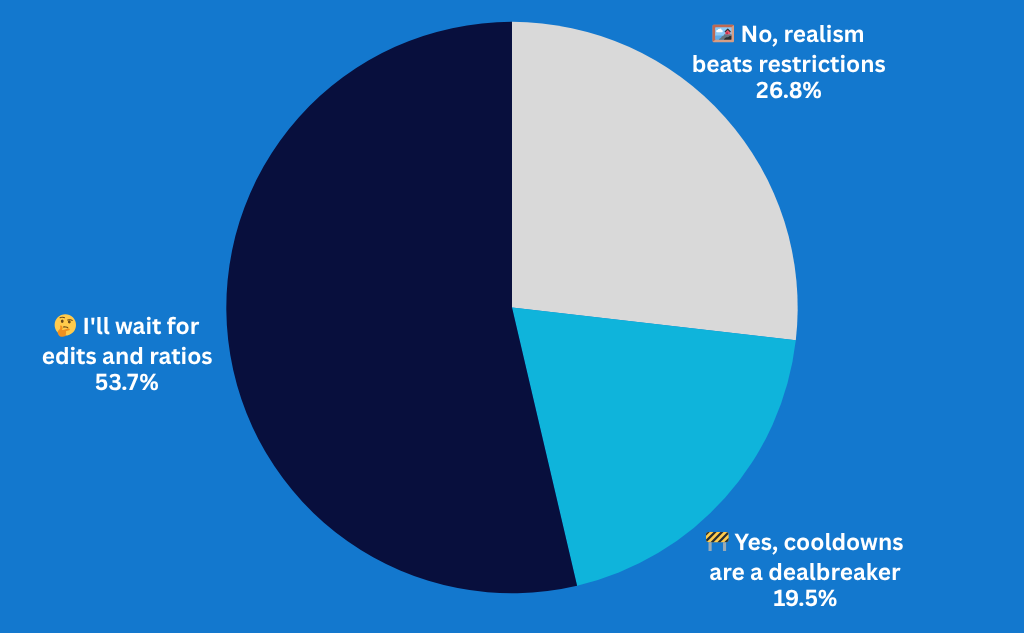
Would MAI-Image-2's strict limits stop you from using it? |
|
|
Tesla's $2.9B Solar Shopping Spree Heads East |
Turns out the road to "Made in America" runs straight through Suzhou. Tesla is negotiating a blockbuster $2.9 billion order for solar-panel production lines from Chinese heavyweights like Suzhou Maxwell Technologies, Shenzhen S.C New Energy, and Laplace Renewable Energy.
The gear, which includes screen-printing robots, assembly modules, and other heavy machinery, would arrive in Texas before autumn, letting Elon Musk kick-start an in-house solar gigafactory just as AI data centers push US power demand to record highs. |
Image created with ChatGPT |
The purchase is the first concrete step toward Musk's jaw-dropping pledge at Davos: 100 gigawatts of US solar manufacturing per year by 2028. For context, total US installed solar capacity sat at roughly 135 gigawatts in 2024, meaning Tesla wants to pump out nearly that much hardware every single year.
Most output would power SpaceX satellites and AI data centers, while integrating with Tesla's highly profitable Megapack batteries.
However, there's a catch. Despite railing against tariffs that make solar artificially pricey, Tesla still depends on Chinese machinery because no US supplier builds this kit. Luckily, solar-equipment imports are exempt from Section 301 duties until November 2026, smoothing customs even as broader clean-energy subsidies shrink.
But the regulatory drama isn't over. Beijing's Commerce Ministry must approve some exports, and Washington can always tweak trade rules mid-voyage. Then there's execution. After years of sputtering solar installs post-SolarCity, Tesla must scale from a few hundred megawatts in Buffalo to three figures of gigawatts nationwide—fast.
Maybe the real solar breakthrough was the friends we outsourced along the way. |
|
|
📈 Upgrade Your Marketing Playbook Weekly
You already know the tech landscape is shifting fast. The Marketing Against the Grain newsletter helps you stay ahead of what that means for reaching and converting customers. Every week you get campaign breakdowns with real numbers, tactical playbooks you can use immediately, and insights from marketers who are navigating the same tools and trends you're watching. Plus inside access to HubSpot's own experiments, including the ones that flopped. We cover what's actually working right now in SEO, content, social, and AI, not where the puck was six months ago. No thought leadership fluff. No recycled takes. Just the smart, practical marketing perspective that belongs in the inbox of anyone serious about building and growing in the current landscape.
🔍 Audit Your Endpoints in One Dashboard
Snag the Best Remote Monitoring and Management Software 2026 list to automate patches and keep remote fleets hacker-free in 2026.
☁️ Master Cloud Skills—83% Off
The 2026 Cloud Computing Course Bundle (CompTIA and AWS) plunges from $180 to less than $30—score lifetime Cloud+, Azure and AWS security, and Spring Cloud microservices training in one shot. 💻 This section contains sponsored tech insights. Advertise with us! |
|
|
Final Call for the UCaaS Control Playbook |
Last chance to join TechnologyAdvice with Bicom Systems for a focused UCaaS strategy discussion. On March 26 at 1:00 p.m. ET, learn how resellers protect margins, meet regulatory demands, and scale voice services with confidence. |
|
|
Navia Hack Exposes 2.7M Benefit Profiles |
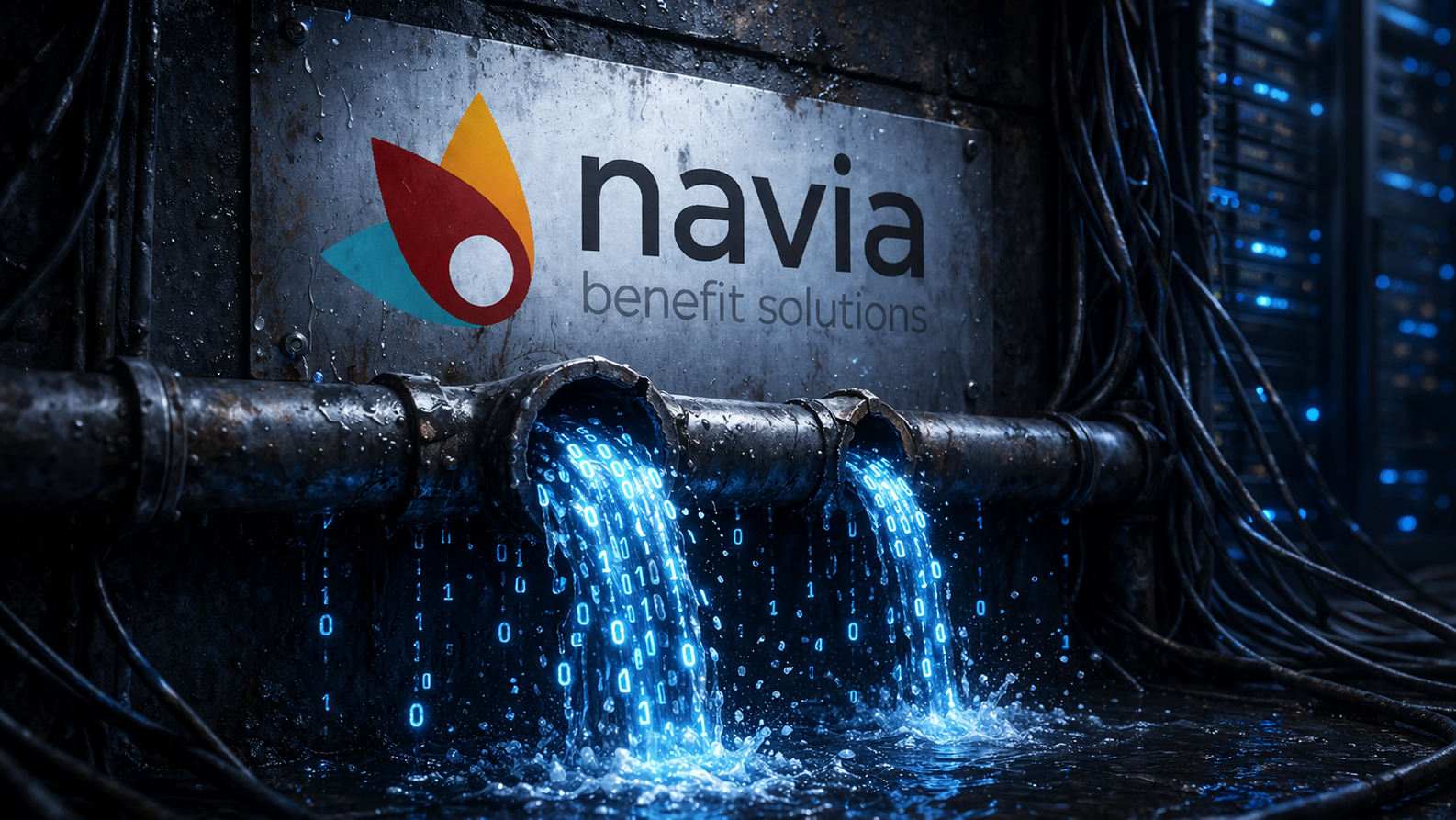
Employee-benefits administrator Navia Benefit Solutions quietly told regulators last week that hackers prowled its network from Dec. 22 to Jan. 15, siphoning 2.7 million people's data—a breach Navia says it spotted on Jan. 23.
The breach covers workers at more than 10,000 US employers, meaning you could be affected even if you've never heard of them. |
Image created with ChatGPT
|
Stolen files include names, birth dates, Social Security numbers, contact details, plus FSA, HRA, and COBRA info. (Luckily, no bank or claims data was exposed).
If Navia's letter hits your mailbox, activate the free Kroll monitoring, place a credit freeze, watch for spear-phishing emails, and treat "benefits update" messages with extreme suspicion. |
Buggy Windows 11 Patch Breaks Logins, Emergency Fix Lands
|
Microsoft account sign-ins were promptly torpedoed by the KB5079473 update from March 10, which also added a built-in speed test. Users saw a bogus "You'll need the Internet" error locking them out of Teams, OneDrive, Edge, Copilot, and Office despite solid connectivity.
Entra ID enterprises dodged the bullet, but home PCs slipped into a weird "offline" state that only a fully connected reboot could temporarily clear. Microsoft pushed an optional out-of-band patch, KB5085516, on March 21. Open Settings › Windows Update to manually install it, then reboot.
Pro tip: Disable "Get the latest updates" and pause them if you'd rather not beta-test Redmond's Tuesday surprises. |
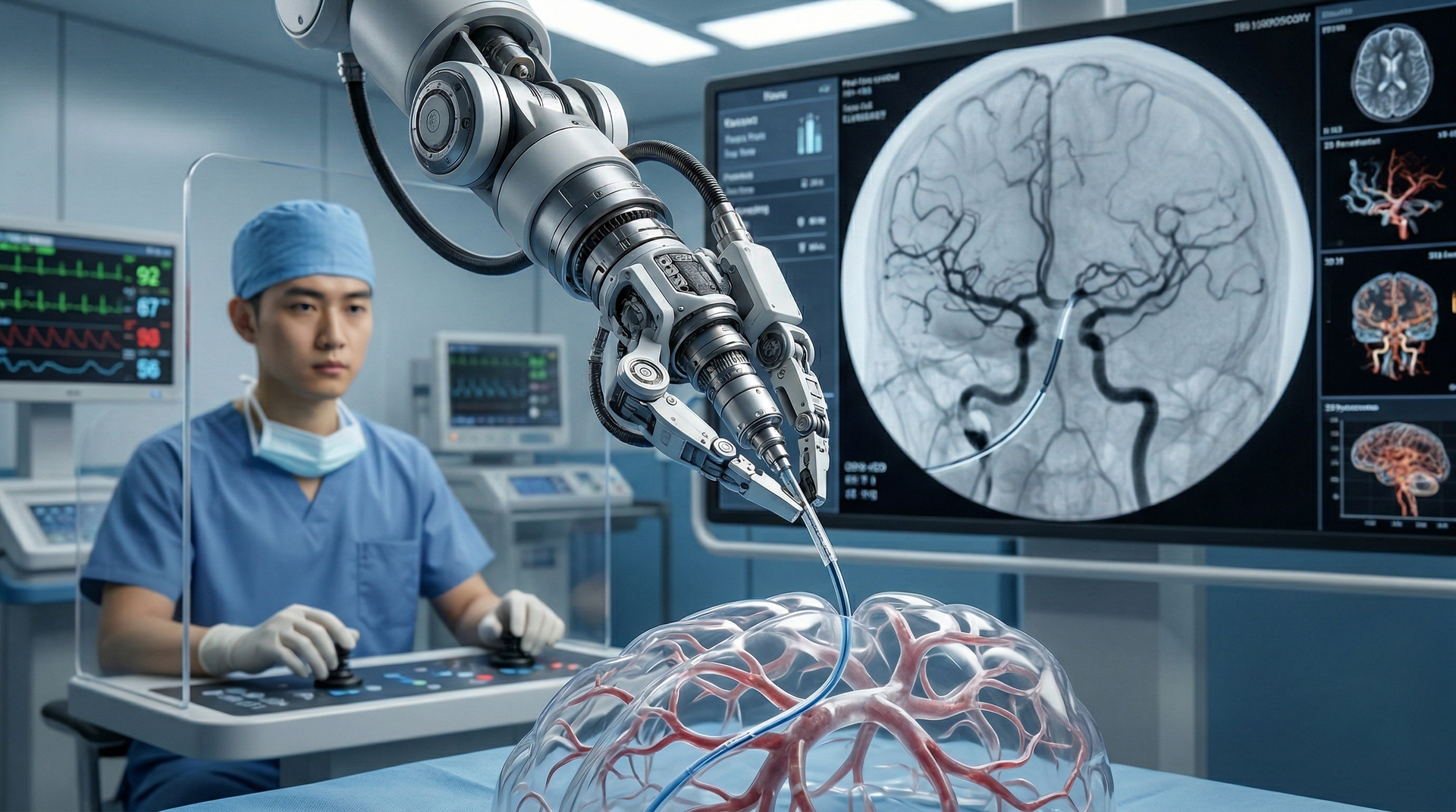
Chinese Robot Cuts Cerebral Angiography Time by Nearly 30% |
Image created with Nano Banana Pro |
Operating from a radiation-shielded console in an adjacent room, the surgeon guided catheters remotely with force-feedback controls, sparing himself the lead-apron workout and long-term X-ray exposure. No mechanical hiccups or patient complications were reported, and the learning curve flattened after just two cases.
Researchers now plan larger multicenter trials and hope to extend the system to complex interventions like aneurysm embolization, a sign that surgical robotics is shifting from a glossy demo to an everyday tool. Next up... teaching it to remind residents where they left the coffee. |
|
|
|
Writer at TechnologyAdvice |
Justin Meyers is an investigative writer and editor who draws on over a decade of meticulous hands-on research to deliver the full, trustworthy story behind consumer and enterprise tech, including cybersecurity. |
|
|
Curious about where AI is really headed? |
The Neuron cuts through the noise to bring you smart, hype-free takes on the latest AI trends, tools, and breakthroughs. Join 500,000+ professionals from top companies like Microsoft, Apple, Salesforce and more.
|
|
|
Advertise in Daily Tech Insider! Daily Tech Insider is a TechnologyAdvice business.
© 2026 TechnologyAdvice, LLC. All rights reserved. TechnologyAdvice, 3343 Perimeter Hill Dr., Suite 215, Nashville, TN 37211, USA. |
|
|
|