Dial in, Tech Insiders.
Samsung is sunsetting its own chat app while Apple adds end-to-end encryption to its already-live RCS, hinting that the final texting firewall might soon drop. Meanwhile, Cloudflare drafts a "WordPress successor," and Netflix's AI editor deletes props as easily as it deletes typos. Grab your popcorn and toggles; today's updates are equal parts cinematic and systemic. |
|
|
Here's what you need to know today: |
|
|
Samsung Ditches Messages for Google |
Blue bubbles are never happening, but encryption is.
Samsung has set July 2026 as the cutoff for its long‑running Messages app, urging Galaxy owners to flip the switch to Google Messages before texts stop flowing. The company's support notice says that after the deadline, Messages will work only for emergency numbers and your designated emergency contacts, and that the app is already missing on the newest Galaxy phones.
Google's alternative brings a unified Rich Communication Services (RCS) experience—bypassing the fragmented carrier support that plagued Samsung's app—for high‑quality photos, read receipts, and group chats. It also adds Gemini‑powered perks such as smart replies, scam‑spotting, and photo remixing.
|
Older devices on Android 11 or earlier can keep Samsung Messages, but anyone hanging on to a Tizen‑powered watch will lose full chat history when the change hits.
The timing lines up nicely with Apple's iOS 26.5 beta, which is testing end‑to‑end‑encrypted RCS between iPhone and Android users (it's supported RCS since iOS 18). If carriers play along, July could mark the moment Apple and Android devices finally speak the same secure language—even if those texts stay stubbornly green.
Why it matters: Samsung's hand‑off cements Google Messages as Android's default, accelerates encrypted, cross‑platform texting, and chips away at WhatsApp's grip on casual chats. For businesses, it means richer media, safer links, and AI triage without another app to manage. |
|
|
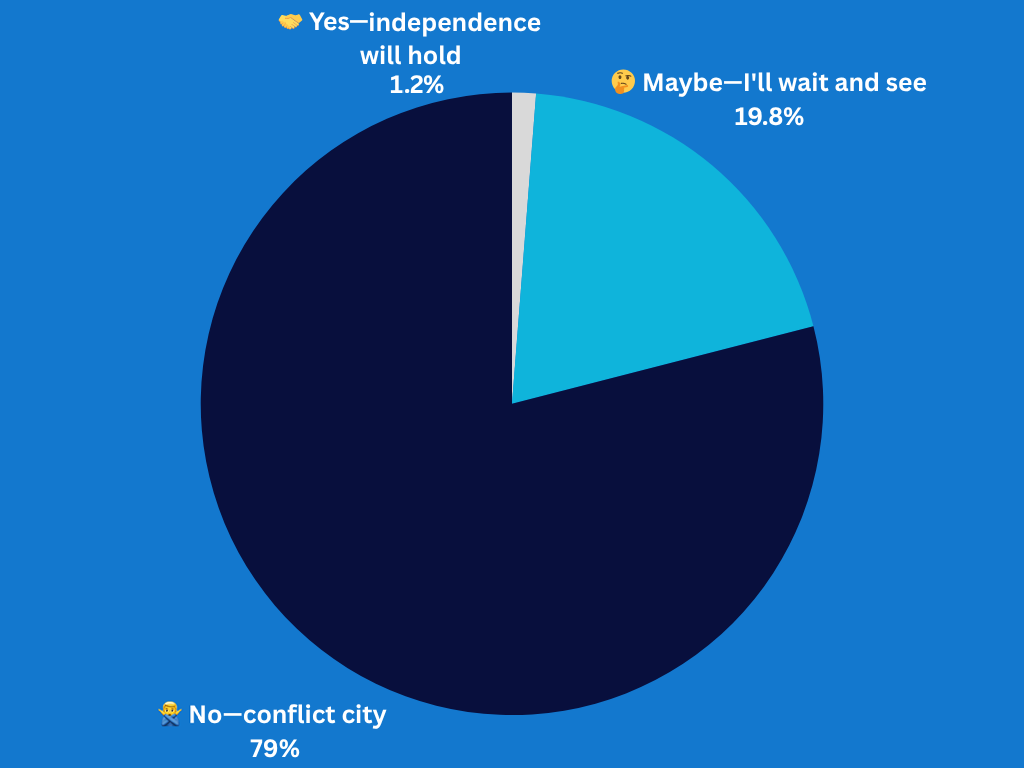
Will you miss Samsung Messages? |
|
|
Results from Yesterday's Pulse Check |
Would you trust TBPN's coverage of OpenAI after the buyout? |
|
|
Netflix's VOID Reinvents Video Editing With Physics |
Hollywood, meet your undo button.
Netflix and Sofia University have open‑sourced VOID, an AI model that doesn't just erase unwanted props—it rewrites the scene so that remaining objects move and fall as if the prop had never been there.
Built atop Alibaba's CogVideoX video‑diffusion transformer, VOID, which stands for Video Object and Interaction Deletion, pairs quad‑value masks with Google's Gemini 3 Pro reasoning and Meta's SAM2 segmentation, then uses a flow‑warped second pass to fix AI object morphing and keep shapes steady.
|
Early user tests (albeit a tiny 25-person survey) show VOID beating Runway and other inpainting rivals 65% of the time, and anyone with a 40 GB GPU can grab the checkpoints from Hugging Face or GitHub for commercial use under a permissive Apache 2.0 license.
For studios and YouTubers alike, that means instant reshoots, slimmer VFX budgets, and a new headache for digital‑forensics teams trying to spot doctored footage in an election and deepfake‑heavy era. Somewhere, a stunt budget just cried. |
|
|
🛡️ 30% Off Bitdefender Business Products
Protect your business with cloud and on-premise management from Bitdefender, 30% off annual plans now.
📧 Grow Lists With Email Power Picks
The Best Email Marketing Software guide compares top platforms for automation, analytics, and segmentation so you can convert subscribers and crank revenue faster.
💡 Level Up Writing With AI Forever
DeskSense AI Assistant - Basic Plan: Lifetime Subscription grants lifetime access to unlimited AI chat, 40+ writing templates, and monthly image generation for just $38, boosting productivity without recurring fees. 💻 This section contains sponsored tech insights. Advertise with us! |
|
|
Last Chance to Prepare for What Comes After Migration |
On April 9, 2026, at 11:00 AM ET, Rewind will outline how to secure SaaS data, validate recovery workflows, and meet audit standards before issues arise. Resilience should be engineered, not assumed. |
|
|
Critical Fortinet EMS Zero‑Day Under Fire |
Fortinet has released an emergency hotfix for CVE‑2026‑35616, a CVSS 9.1 pre‑auth API bypass in FortiClient EMS (Enterprise Management Server) that crooks have been hammering since March 31. The flaw lets attackers execute commands on high‑privilege management servers.
|
Image created with Nano Banana Pro |
Alarmingly, this is the second EMS zero-day in weeks. Only versions 7.4.5 and 7.4.6 are vulnerable, but they sit on ~2,000 internet‑exposed boxes, according to Shadowserver. CISA added the bug to its KEV catalog and gave federal agencies until April 9 to patch.
Actions: Patch immediately, yank EMS off the public internet, gate access behind VPNs, scrutinize API-access logs, hunt for persistence, and rotate credentials. |
TeamPCP Supply Chain Hack Snags $10B AI Vendor |
Meta halted work with data vendor Mercor after a poisoned LiteLLM update infiltrated its pipeline, potentially leaking 4 TB of AI training secrets and PII.
Rogue PyPI versions from hacking group TeamPCP were live for 40 minutes before being snagged by automated CI/CD (continuous integration/continuous delivery) jobs.
Wiz Research estimates LiteLLM lurks in roughly 36% of monitored cloud environments, meaning thousands share Mercor's pain as cybercriminal group Lapsus$ auctions the haul and class-action lawsuits fly.
Mercor says it contained the breach. Meanwhile, OpenAI is reviewing exposure. Reduce risk: Pin dependency hashes, scan packages pre-deploy, rotate keys, and require signed SBOMs (software bills of materials). Remember, friends don't let friends pip install on autopilot. |
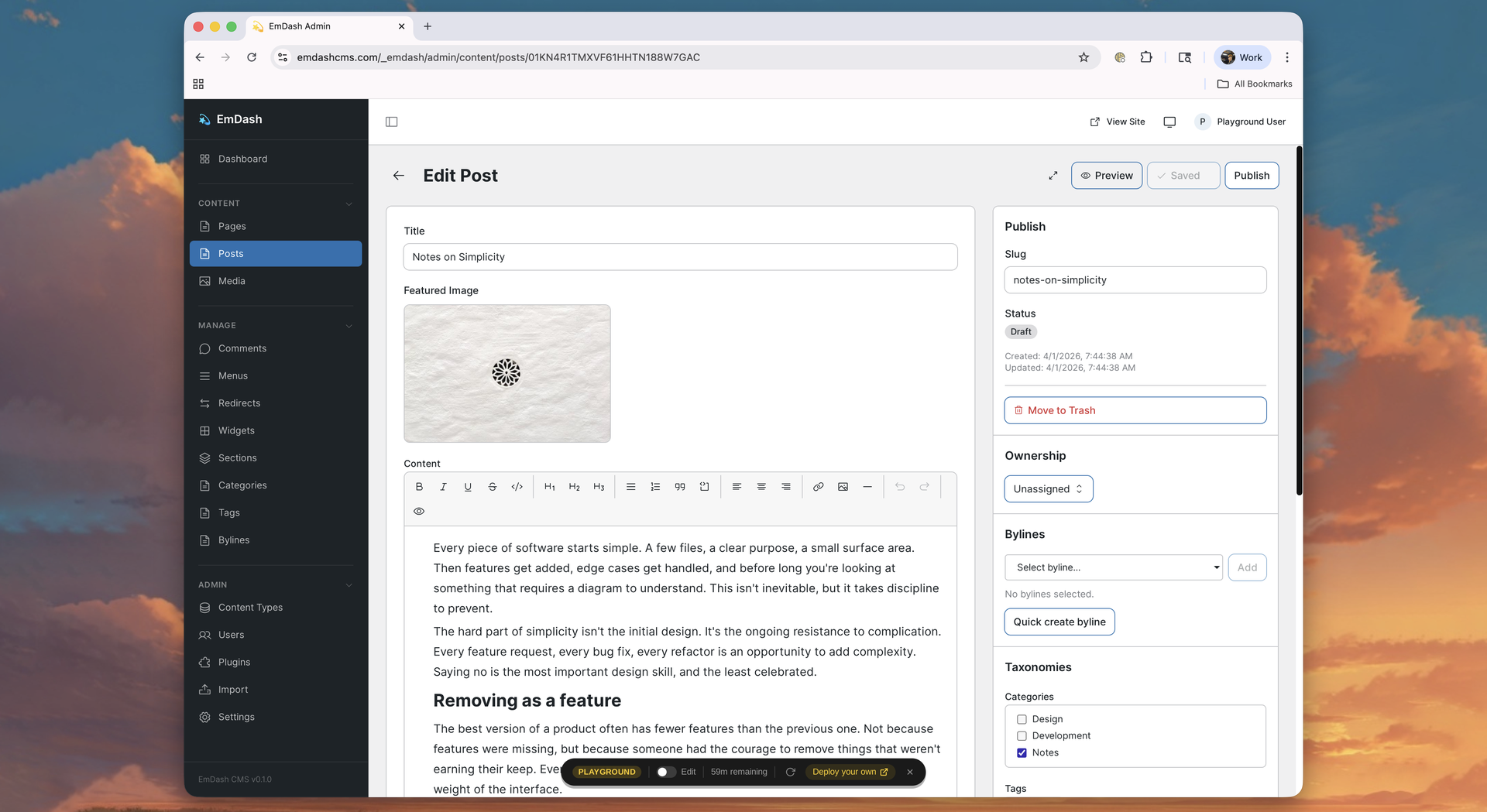
Cloudflare's EmDash Sparks CMS Showdown With WordPress Loyalists |
Cloudflare has unveiled EmDash, a TypeScript-based, serverless CMS built on Astro that claims to be the "spiritual successor" to WordPress.
The open-source project sandboxes plugins in isolated "Workers," touting an end to the plugin-driven vulnerabilities that plague its PHP predecessor. Other headline features include passkey-by-default logins, built-in x402 paywall support (an HTTP 402 payment spec meant to charge AI bots for content), and AI-centric "Agent Skills" designed for autonomous site maintenance.
WordPress cofounder Matt Mullenweg shot back with a classic compliment sandwich, praising the engineering while accusing Cloudflare of using the "successor" label to upsell its paid edge network. And he's not entirely wrong. Critics note that EmDash's vaunted security advantages vanish off-platform (and actually require a paid Cloudflare tier), its beta requires command-line chops, and—most importantly—its plugin and theme ecosystems are starting from scratch.
|
Analysts say the AI-native project could still influence next-gen CMS design, but a mass migration is unlikely until real-world sites prove the model. Even fans concede that WordPress's 40% market share, 62K plugins, and global community won't be forked overnight, but they welcome fresh pressure to modernize. For now, EmDash looks less like a WordPress killer and more like a glossy R&D demo with potential for vendor lock-in. |
|
|
|
Writer at TechnologyAdvice |
Justin Meyers is an investigative writer and editor who draws on over a decade of meticulous hands-on research to deliver the full, trustworthy story behind consumer and enterprise tech, including cybersecurity. |
|
|
Curious about where AI is really headed? |
The Neuron cuts through the noise to bring you smart, hype-free takes on the latest AI trends, tools, and breakthroughs. Join 500,000+ professionals from top companies like Microsoft, Apple, Salesforce and more.
|
|
|
Advertise in Daily Tech Insider! Daily Tech Insider is a TechnologyAdvice business.
© 2026 TechnologyAdvice, LLC. All rights reserved. TechnologyAdvice, 3343 Perimeter Hill Dr., Suite 215, Nashville, TN 37211, USA. |
|
|
|