Click, tap, rethink, Tech Insiders.
From AI-enhanced snapshots to laptops abandoning Windows and browsers scrambling for patches, today's headlines are all about pushing familiar buttons in unfamiliar ways. Ready to see what happens when every everyday gadget hits refresh? |
|
|
|
Here's what you need to know today: |
|
|
|
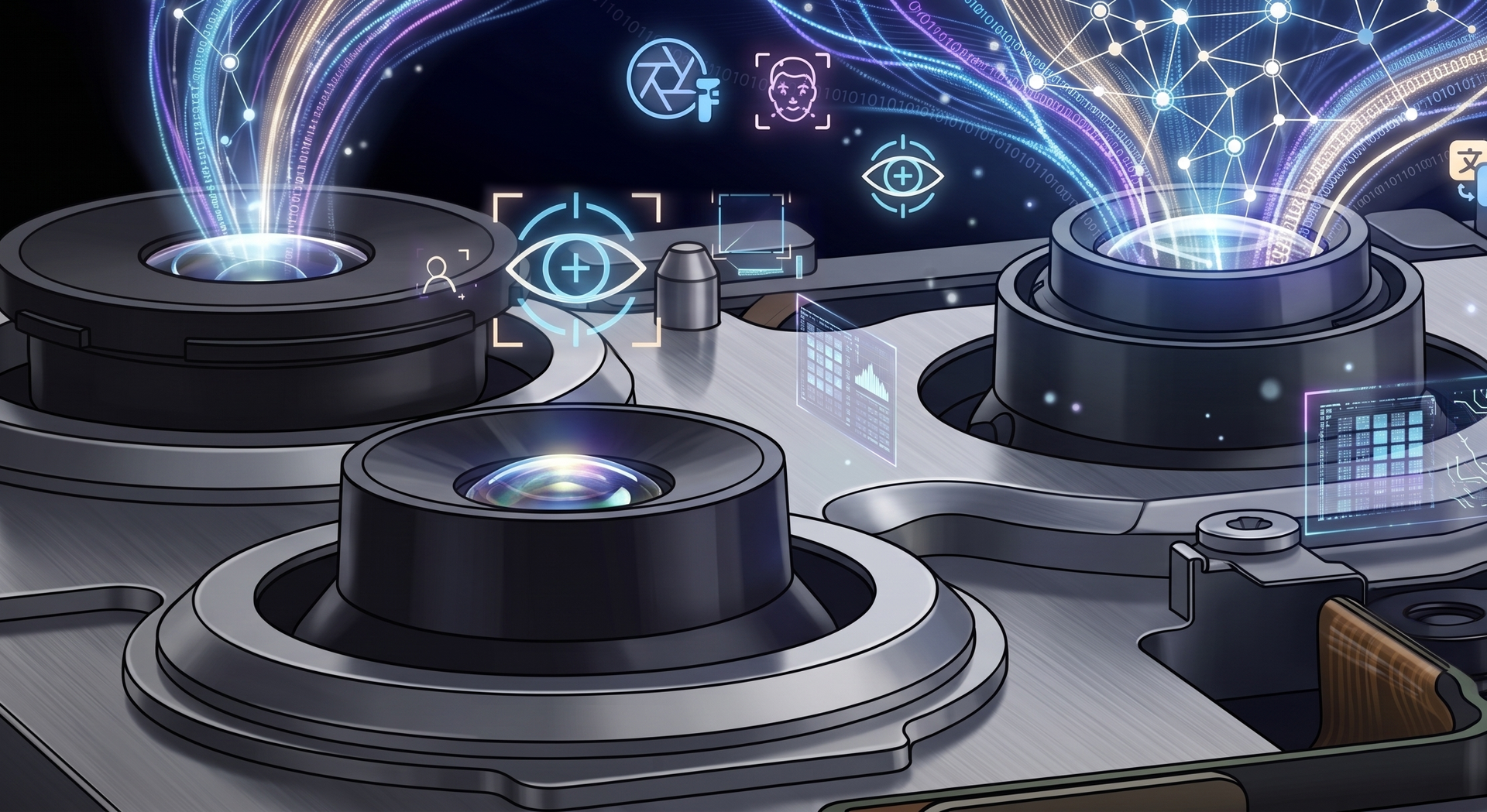
Apple's iPhone Camera Goes Full AI in iOS 27 |
Image created with Gemini |
Meanwhile, the Photos app is gaining three Apple Intelligence tricks: Extend, Enhance, and Reframe to grow borders, auto-tune lighting, and even shift spatial 3D perspective, though early tests remain glitchy.
The software splash is timed for a WWDC reveal on June 8, 2026, and a fall release, but Cupertino's hardware isn't sitting still. Leaks hint the iPhone 18 Pro will pack the lineup's "biggest camera hardware upgrades ever in the lineup's history," including a variable-aperture main lens and brighter telephoto glass (which reportedly has Samsung sweating over its own Galaxy cameras).
With AI edits baked in, Apple aims to finally close the gap with Pixel and Galaxy shooters and make every casual snap look studio smart. Why it matters: A smarter, Gemini-charged Siri plus more on-device image wizardry could turn everyday photos into searchable, editable data without leaving your handset. For Apple, it's an answer to Android's AI headstart and a fresh reason for users to eye that fall upgrade.
|
|
|
|
Will AI-powered camera and photo tools convince you to upgrade this year? |
|
|
|
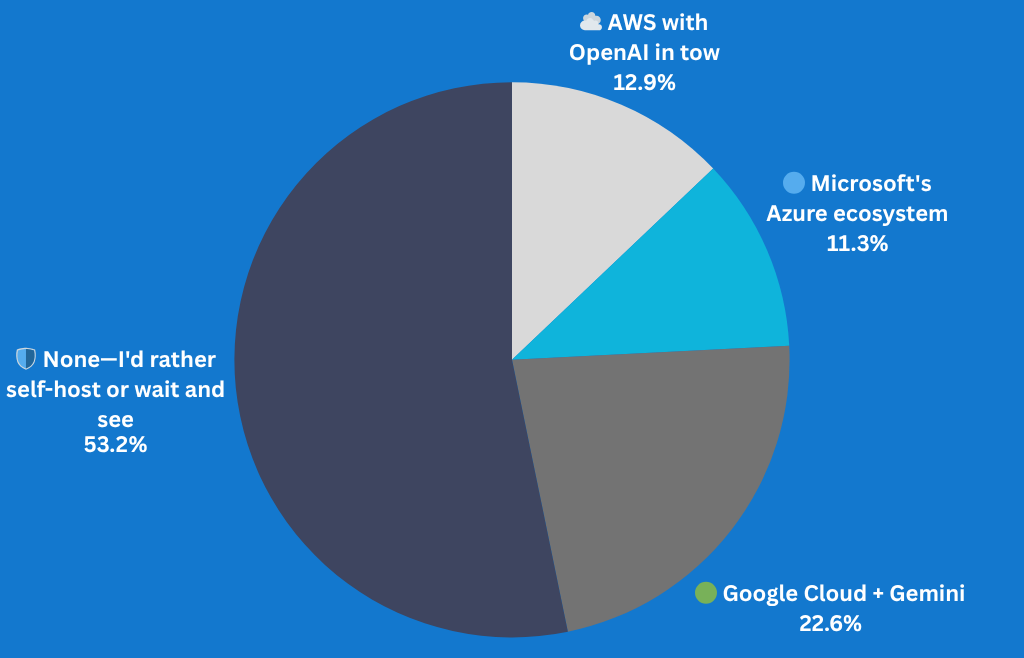
Results from Yesterday's Pulse Check |
Which cloud now feels like the safest bet for future-proof AI? |
|
|
|
Samsung Plots Android-Powered Galaxy Book Laptop Line |
Because what's one more OS between friends?
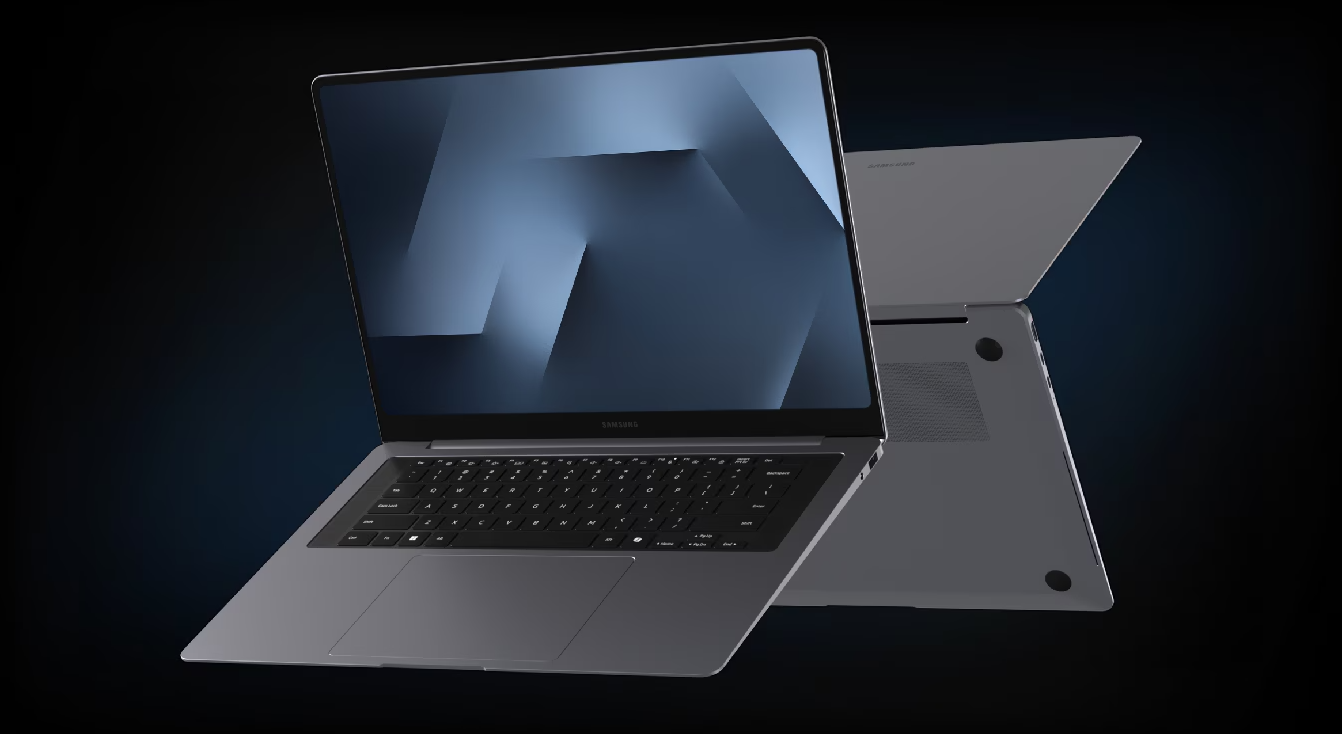
Samsung is reportedly ditching Windows on at least three upcoming Galaxy Book laptops, swapping Microsoft's OS with Android 17, One UI 9, and Google's Aluminium OS desktop build. Since the "Galaxy Book" moniker is historically strictly reserved for Windows machines, this is a rather delicious branding betrayal.
Sources say entry-, mid-, and flagship-level machines could arrive later this year with Galaxy AI baked in and a souped-up DeX that launches desktop apps and syncs seamlessly with your phone. The flagship model is reportedly getting a hyper-sleek redesign specifically to combat Apple's wildly popular new MacBook Neo.
|
Allowing Samsung to plaster One UI over Aluminium also signals Google will let partners skin its new PC platform—great for brand consistency, but a terrifying open door for bloatware and fragmented updates that could kill ChromeOS-style simplicity. A teaser at Google I/O later this month looks likely.
If Samsung really switches to Android, Microsoft loses a high-profile Windows showcase, and the laptop world gains an Apple-like ecosystem rival. Whether buyers cheer tighter device harmony or groan at Android app scaling will determine how bold this move feels. Get ready for the great Aluminium vs. aluminum showdown; whatever you call it, Windows just got smelted. |
|
|
|
💾 Snag Windows 11 Pro for Less Than $10
Grab a lifetime Microsoft Windows 11 Pro license for just $9.97—unlock Snap Layouts, BitLocker, and Copilot while it's 94% off.
🛡️ Shape Security's Future in Two Minutes
Take a 2-minute survey on Cisco Secure Access and share your perspective on today's security challenges. Take the Survey Now.
🔍 Audit Your Endpoints in One Dashboard Snag the Best Remote Monitoring and Management Software 2026 list to automate patches and keep remote fleets hacker-free in 2026.
💻 This section contains sponsored tech insights. Advertise with us! |
|
|
|
As service demand increases and workflows become more complex, many IT teams are looking to AI for a more scalable approach. Register for The Future of ITSM in the AI Era: What's Changing and How to Prepare, hosted by Freshworks on May 12, 2026, at 1:00 p.m. ET, to see how AI can reduce service noise and improve operational efficiency.
Get practical insights you can apply immediately. |
|
|
|
Chrome Patches 30 Flaws—Update Now or Risk RCE |
Image created with ChatGPT |
Grab the update in Chrome or any Chromium cousin if it hasn't already been auto-installed, then relaunch. Mobile users, hit your app stores. Enterprise admins should push updates ASAP.
Because playing unpatched roulette is a terrible hobby, especially since attackers are already reverse-engineering these fixes. |
Fake Zoom Invites Steal Crypto in New Scam |
North Korea–linked Lazarus subgroup BlueNoroff is luring crypto and Web3 leaders into phony Zoom or Teams calls via typo-squatted Calendar invites. To make the trap even more convincing, stolen webcam footage and AI-generated faces are recycled to populate each fake meeting.
Instead of "one click," a fake "SDK update" tricks targets into copying and pasting malicious code when the audio "fails." Arctic Wolf says the full chain moves from click to wallet theft in under five minutes, as a fileless PowerShell implant grabs wallet keys and Telegram sessions.
Researchers traced more than 100 victims across 20+ nations—41% in the US—with CEOs and founders making up 45%. How to stay safe? Double-check meeting URLs with a second channel, block unknown Zoom/Teams domains, enable PowerShell script-block logging, restrict clipboard and camera permissions, never run terminal commands to fix video calls, and keep keys offline.
Consider it the most expensive "sorry, you're on mute" ever. |
China Hits Pause on Robotaxis; US Expectations Rise, Trust Doesn't |
China has slammed the brakes on new Level-4 robotaxi licenses after a Baidu Apollo Go glitch froze more than 100 cars in Wuhan, stranding riders for up to two hours, triggering a rear-end collision, and spooking regulators. Cities must now audit safety practices before any fleets can expand.
Across the Pacific, a fresh Gallup survey shows 31% of Americans now expect driverless cars to be common within five years. Yet actual trust is sinking: just 19% say they'd personally buy one, and only 13% think roads would be safest if every car were driverless.
Interestingly, demographics paint a fractured picture: people of color and higher-income earners are the most willing to adopt at 24% and 25% respectively, compared to just 16% of white Americans and 15% of lower-income earners. |
Reality sits somewhere in between: Waymo is adding cities and now claims 500,000 paid rides every week across its network, yet first responders in San Francisco and Austin complain the cars "freeze" and block emergency crews. California's DMV has approved tougher 30-second response-time rules that take effect July 1, while China shifts from growth at all costs to "safety first."
None of this deters the arms race. Nvidia signed Hyundai, Nissan, BYD, and Geely to its Level-4 stack, and Kakao Mobility unveiled an in-house road map for 24/7 autonomous taxis. And Chinese EV makers are designing their own chips to cut reliance on US silicon, even if Beijing is tapping the brakes today.
Maybe the real self-driving milestone isn't autonomous cars, but regulators finally learning where the off-switch is. | |
|
|
| Writer at TechnologyAdvice |
Justin Meyers is an investigative writer and editor who draws on over a decade of meticulous hands-on research to deliver the full, trustworthy story behind consumer and enterprise tech, including cybersecurity. |
|
|
|
Curious about where AI is really headed? |
The Neuron cuts through the noise to bring you smart, hype-free takes on the latest AI trends, tools, and breakthroughs. Join 500,000+ professionals from top companies like Microsoft, Apple, Salesforce and more.
|
|
|
|
Advertise in Daily Tech Insider! Daily Tech Insider is a TechnologyAdvice business. © 2026 TechnologyAdvice, LLC. All rights reserved.
TechnologyAdvice, 3343 Perimeter Hill Dr., Suite 215, Nashville, TN 37211, USA. |
|
|
|
|