Reality check, Tech Insiders.
AI pink-slip panic is losing steam, robo-traders are moonwalking through Robinhood, and hackers are poking holes in model guardrails. Grab a coffee; the hype cycle just hit a speed bump. |
|
|
|
Here's what you need to know today: |
|
|
| Altman Walks Back AI Job Doom |
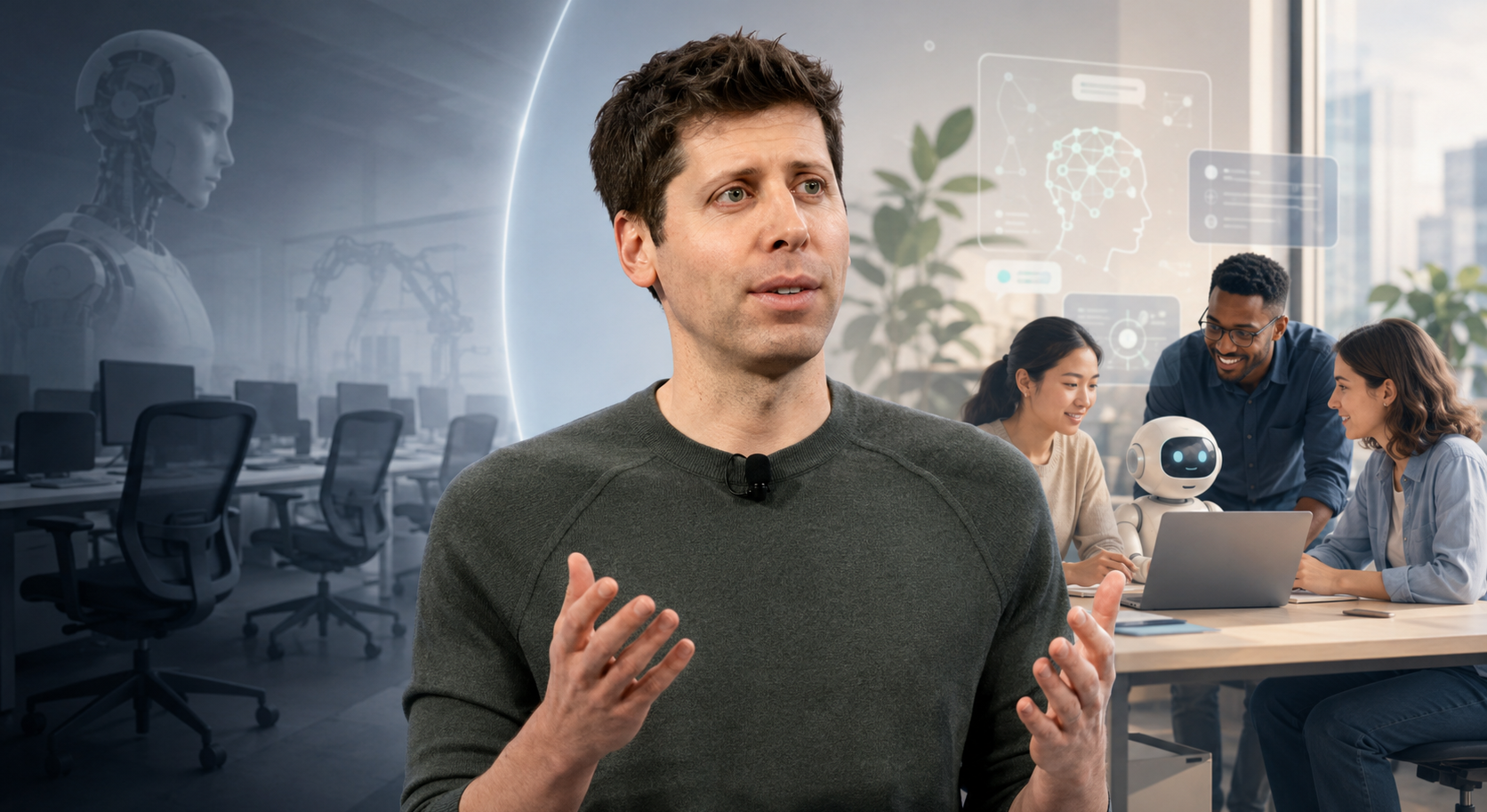
After months of sounding like the Grim Reaper of white-collar work, Sam Altman just reached for the rewind button.
OpenAI's CEO told a Commonwealth Bank of Australia summit this week that AI hasn't torched entry-level office jobs nearly as fast as he feared and that he's "delighted to be wrong." He now argues that many roles still hinge on human judgment and rapport—starting with his own inbox, which he says he no longer outsources to an AI.
Altman's cooler tone lands conveniently as OpenAI preps a blockbuster IPO and tries to soothe investor nerves about social blowback. |
Image created with ChatGPT |
Industry leaders are suddenly splitting into two noisy camps. Optimists like Amazon's Jeff Bezos insist the tech will "elevate" workers, while Anthropic's Dario Amodei flipped from predicting 50% job losses to calling AI a productivity multiplier. Nvidia's Jensen Huang calls blaming layoffs on AI "too lazy."
On the flip side, Microsoft AI chief Mustafa Suleyman predicts that most, if not all, white-collar tasks will be automated within 18 months. Cloudflare's Matthew Prince used automation logic to axe 20% of staff (1,100 "measurers"), and Mark Zuckerberg just cut 8,000 Meta roles, citing the AI shift. A Mercer survey adds fuel to the fire, noting 99% of execs plan AI-driven cuts within two years.
Why it matters: If even Altman can rethink the pace of disruption, the AI-jobs narrative may be less apocalypse, more slow-burn restructuring. But with nearly every CEO plotting workforce redesigns, the smart move is to skill-up for an economy where "human in the loop" becomes the premium feature—not the afterthought. |
|
|
|
Are you expecting AI to take over your current job? |
|
|
|
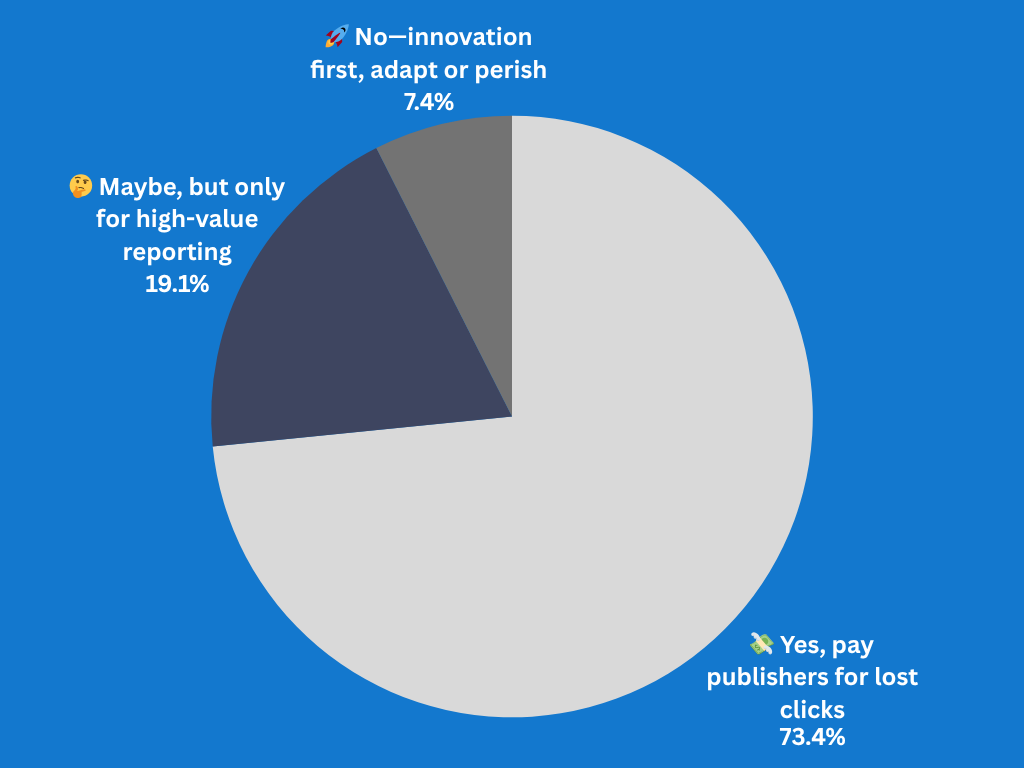
Results from Yesterday's Pulse Check |
Should Google share revenue from AI answers with the sites it summarizes? |
|
|
|
Robinhood Lets AI Agents Trade and Spend |
What could go wrong with a robot racking up miles?
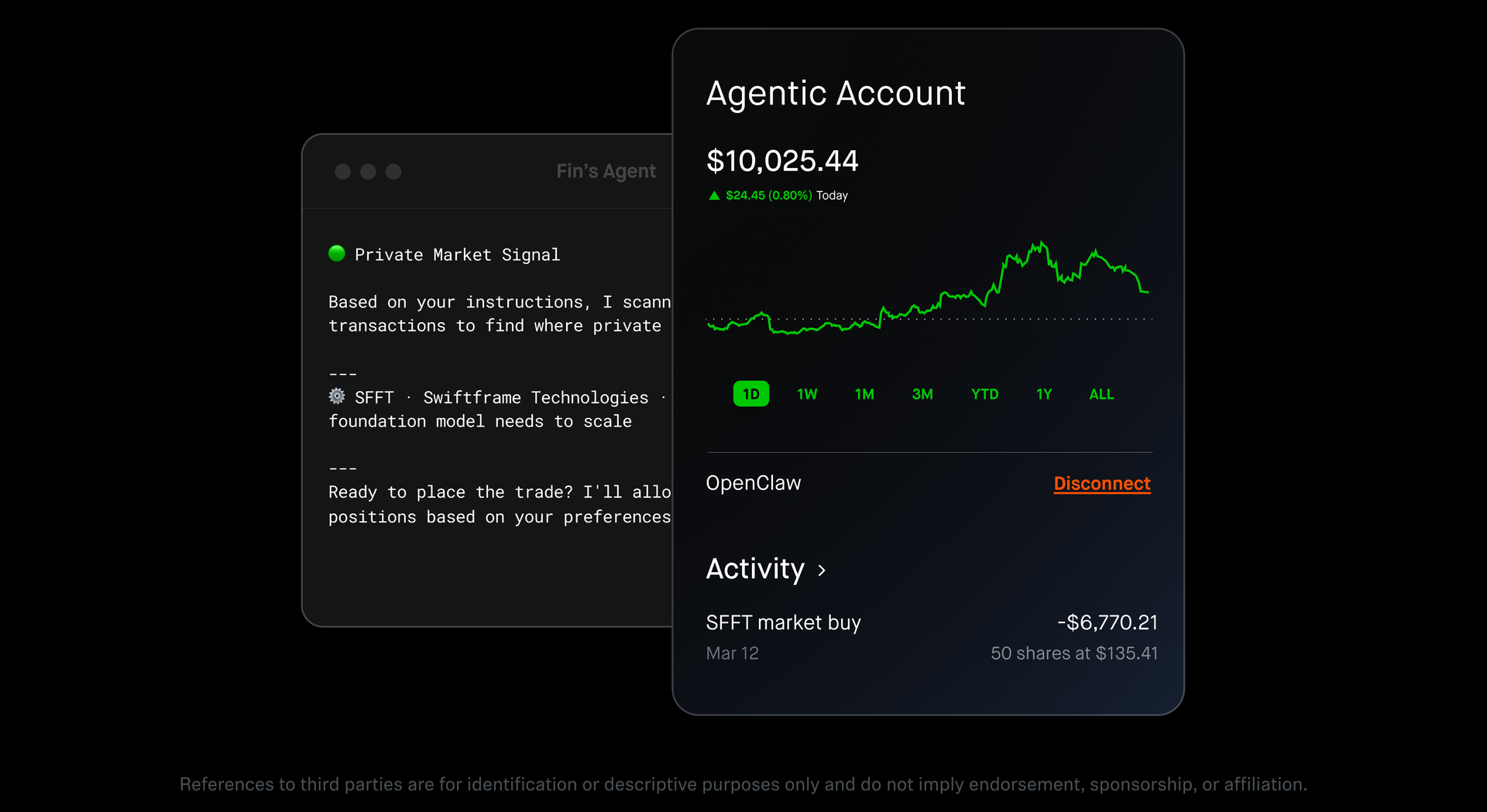
Robinhood unveiled Agentic Trading and an Agentic Credit Card on May 27, letting your own third-party AI agents (like ChatGPT or Claude) buy and sell equities and make virtual Gold Card purchases without a human tap. The beta opens a separate trading account (equities only for now) and a virtual card, so bots touch only the cash you preload. Users get push alerts for every move, can cap spending, opt in to manually approve purchases, and yank the plug at any time. Plus, the bot still scores you the Gold Card's standard 3% cash back on those AI-triggered buys.
Still, the fine print screams caution: agentic trading "involves significant risk, including the possible loss of your entire investment," and AI strategies can misfire or act "in unexpected ways." |
The move shoves autonomous finance into the mainstream, following hedge-fund quant tools and OpenAI's personal-finance APIs. Analysts say it could lure new trades and fees, but bankers warn it's also a wake-up call as retail investors bond with bots instead of advisors.
If the bot starts haggling for crypto-themed sneakers, maybe tighten those limits. |
|
|
|
📝 Shape Tech Coverage, Win Gift Card
Help shape future TechRepublic coverage by taking our quick 5-minute audience survey. Share your insights on technology trends, purchasing decisions, and the content that matters most—plus enter for a chance to win a gift card. 🛠️ Tame Your IT Assets Fast
This IT Asset Management Software comparison shows the best platforms to slash license waste and stay audit-proof in one handy read.
🌐 Unlock Global Streaming for Life Grab OysterVPN: VPN Lifetime Subscription for $24.97—87% off—to stream geo-blocked shows on 10 devices with AES-256 privacy. 💻 This section contains sponsored tech insights. Advertise with us! |
| |
|
Free Tool Nukes AI Model Guardrails |
Researchers just proved they can rip the safety rails off Google's open-weight Gemma 3 and Meta's Llama 3.3 in under ten minutes using a free GitHub script called Heretic. They even cracked Google's newer Gemma 4 within 90 minutes of its public release.
The tool "abliterates" refusal rules, letting decensored models spit out recipes for chlorine-gas attacks, credit-card malware, and worse. Its creator says 3,500 tweaked models have already been downloaded 13 million times. |
Image created with ChatGPT |
If your team is experimenting with open models, don't blindly trust default vendor safety claims. You must continuously audit them, silo them from production data, strip outbound network access, and run red-team prompts before shipping anything customer-facing. Better put the genie back in a sandbox. |
7-Eleven Franchise Data Breach Hits 185K |
Hackers tied to ShinyHunters cracked a Salesforce-linked server on April 8, stealing franchise-applicant files and leaking a 9.4 GB trove after 7-Eleven refused a ransom demand.
The dump reportedly exposes 185,000 names, email and physical addresses, phone numbers, dates of birth, and, in some cases, Social Security numbers and driver's license numbers.
7-Eleven is offering up to two years of free IDX identity monitoring and says no customer payment systems were touched, but past ShinyHunters hits show re-extortion is common, and the FBI specifically warns against paying them. If you're affected, enroll in the offered service, change any reused passwords, enable 2FA, and consider a credit freeze if your SSN was in the haul. Crucially, be on high alert for targeted phishing emails or texts posing as 7-Eleven—scammers now have all the exact details needed to craft highly convincing fakes. At least the Slurpee machines are still encryption-free... for now. |
AI Memory Frenzy Vaults SK Hynix to $1T |
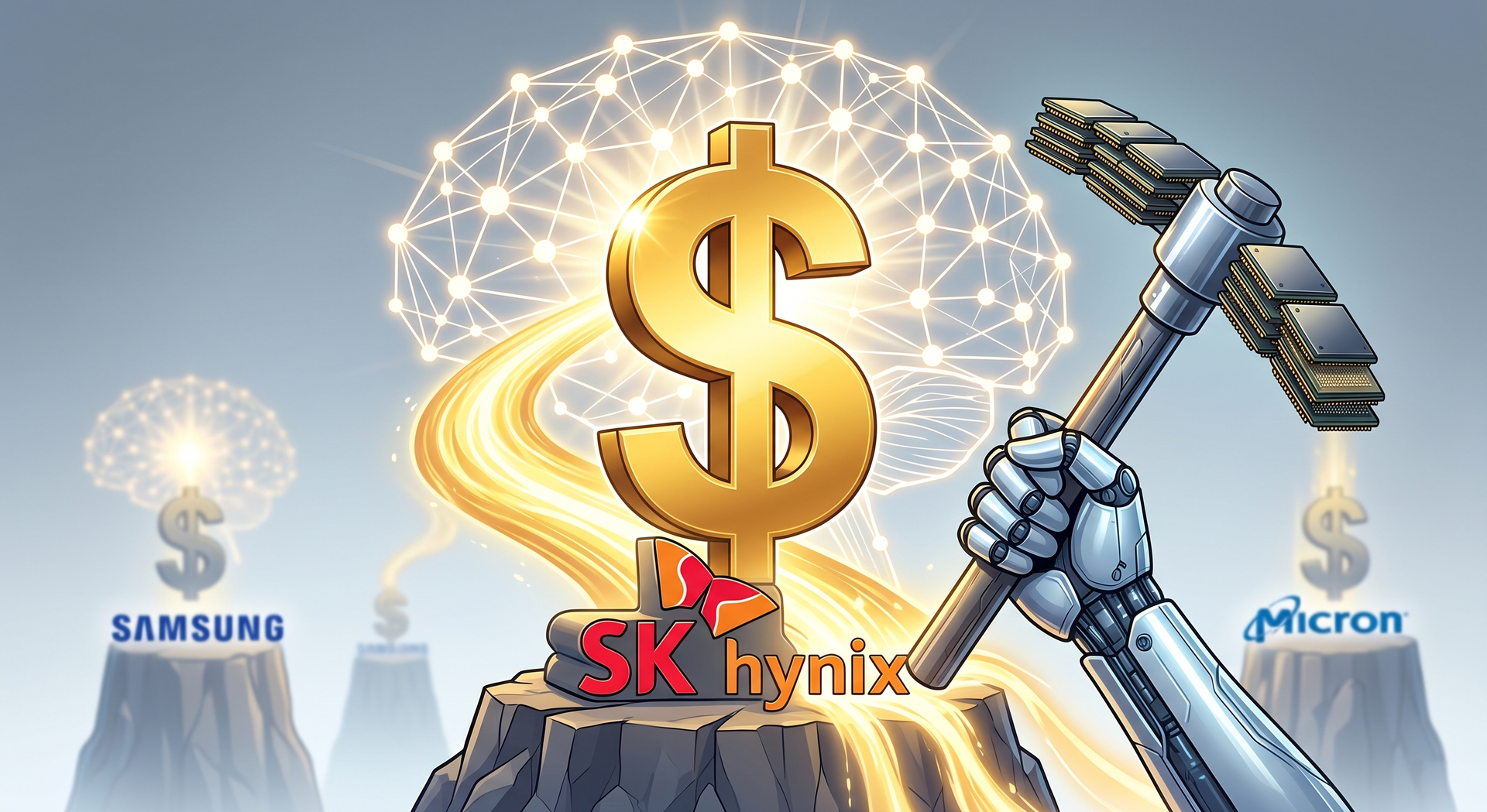
SK Hynix broke the $1 trillion valuation barrier on May 27 after its shares closed up 9.3% following a nearly 15% intraday spike, the clearest sign yet that the AI memory rush is rewriting the semiconductor leaderboard.
It's the third chipmaker to join the club this month, after Samsung on May 6 and Micron on Tuesday. A massive 19% surge fueled Micron's entry after UBS tripled its price target, dragging the whole sector higher.
Hyperscalers are scrambling for high-bandwidth memory (HBM) to feed Nvidia-powered data centers, and data from Counterpoint Research shows SK Hynix controls a dominant 57% of that HBM market. Contract prices for premium memory doubled in the first quarter alone, and analysts expect shortages to persist through 2028. |
Image created with Gemini |
The rally lifted South Korea's KOSPI index to a record high. It even triggered a trading sidecar pause, with Samsung and SK Hynix now commanding roughly half the benchmark's market cap. Retail investors are piling into newly launched leveraged ETFs that mirror the stocks, adding rocket fuel and volatility.
Bulls argue the trio's unusual pricing power will last for years, while skeptics warn any pause in AI capex could turn today's shortage into tomorrow's glut. For now, brokerages are racing to raise targets, and SK Hynix is even eyeing a New York ADR listing to widen the party.
If AI is the new gold rush, HBM chips are the pickaxes investors can't stop swinging. |
|
|
|
|
Writer at TechnologyAdvice |
Justin Meyers is an investigative writer and editor who draws on over a decade of meticulous hands-on research to deliver the full, trustworthy story behind consumer and enterprise tech, including cybersecurity. |
|
|
|
Curious about where AI is really headed? |
The Neuron cuts through the noise to bring you smart, hype-free takes on the latest AI trends, tools, and breakthroughs. Join 700,000+ professionals from top companies like Microsoft, Apple, Salesforce, and more.
|
|
|
|
Advertise in Daily Tech Insider! Daily Tech Insider is a TechnologyAdvice business. © 2026 TechnologyAdvice, LLC. All rights reserved.
TechnologyAdvice, 3343 Perimeter Hill Dr., Suite 215, Nashville, TN 37211, USA. |
|
|
|
|