Brace for inflation, Tech Insiders.
AI-hungry memory is set to bloat iPhone prices while Google's bargain Gemini speaker muscles in and hackers feast on tens of millions of accounts and more than a hundred million unique passwords. Swipe through before the sticker shock hits. |
|
|
|
Here's what you need to know today: |
|
|
|
Apple Flags Price Hikes as AI Eats Memory |
Start fattening up your piggy bank for your next iPhone.
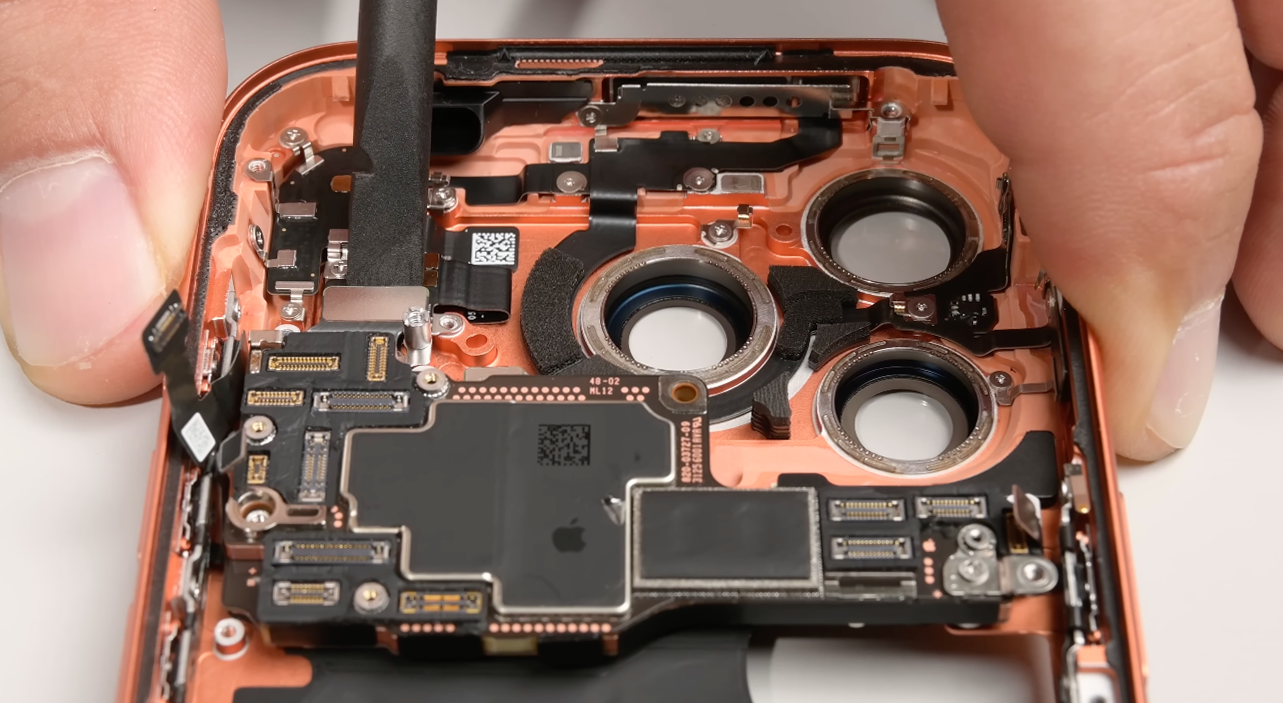
Apple CEO Tim Cook told The Wall Street Journal that rising DRAM and NAND costs, driven by AI data-center demand, make device price bumps "unavoidable," ending its long run of quietly swallowing component inflation.
The Journal says the memory crunch quadrupled chip prices in a year, and research firm TechInsights estimates this could add $270 to the next iPhone Pro's cost, meaning Apple will likely tack $200 onto the retail price tag to keep margins intact, lifting the base retail model to about $1,299 (and possibly even $1,399). Mac Mini and M5 MacBook Air prices have already crept up.
|
Cook hinted Apple may bankroll suppliers to boost output but ruled out building its own fabs. Competitors are sounding similar alarms, while memory makers enjoy soaring share prices.
Adding extra sting, advanced Siri AI tricks, like custom expressive voices and more accurate dictation, require 12 GB of unified memory, gatekeeping them to the iPhone 17 Pro tier, iPhone Air, M5 Vision Pro, iPads with M4 or newer, and Macs with M3 or newer. To keep up, even the base iPhone 18 is expected to get a bump to 12 GB, further squeezing supply.
Fortunately, Apple's "unified memory" lets entry-level machines like the $599 MacBook Neo run smoothly enough with 8 GB of RAM, softening the blow for budget buyers who don't need a more advanced Siri AI. Why it matters: If memory prices stay sky-high, everything from corporate Mac fleets to your next upgrade gets pricier. Even the industry's supply chain master can't dodge the AI hardware land grab, and consumers will foot the bill. |
|
|
|
How would a $200 jump on the next iPhone affect your upgrade plans? |
|
|
|
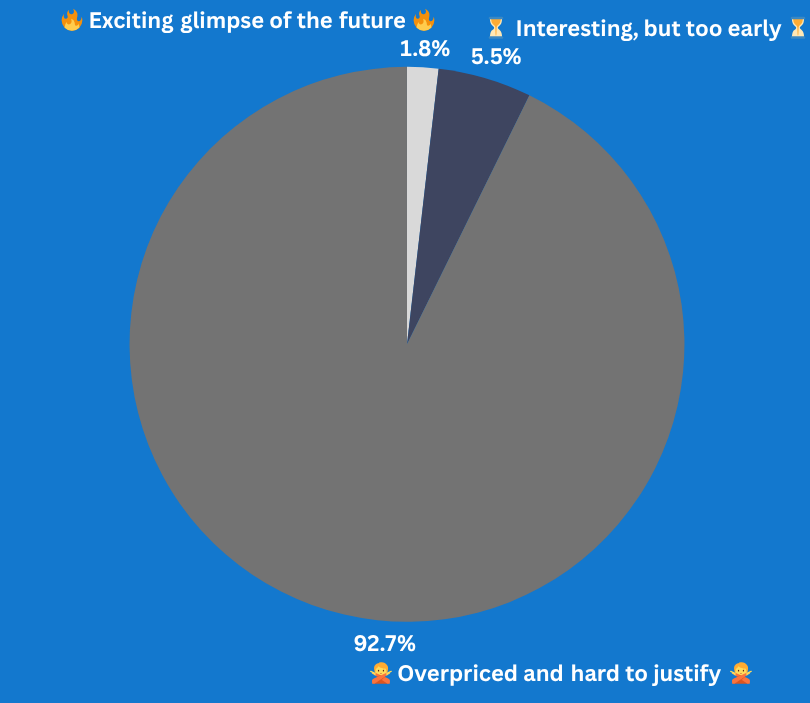
Results from Thursday's Pulse Check |
How do you feel about Snap's new Specs? |
|
|
|
Apple Rolls Privacy Emails Into One Domain |
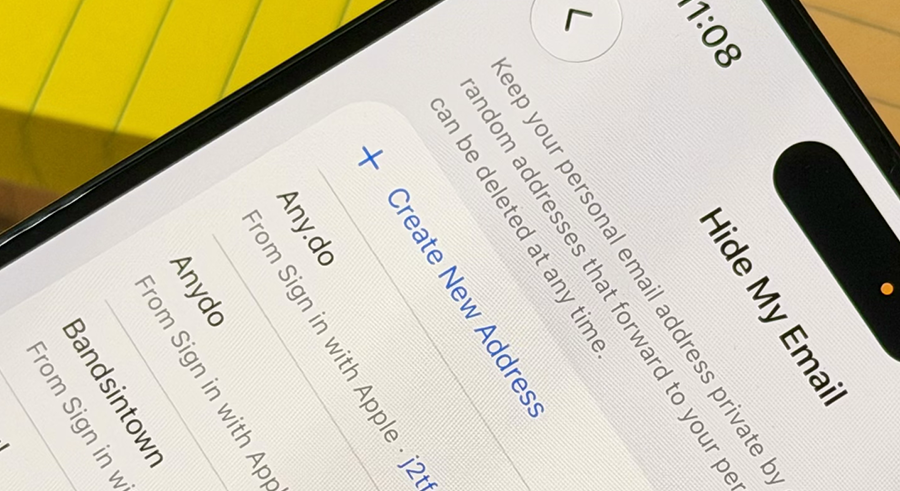
Apple will shift all new Sign in with Apple and iCloud+ Hide My Email addresses to the private.icloud.com domain later this summer, consolidating two relay systems behind a single banner, the company told developers last week.
For everyday users, nothing should break. Old aliases at icloud.com and privaterelay.appleid.com will keep working and continue forwarding. Because new @icloud.com relays will stop generating once the cut-over happens, privacy die-hards are scrambling to spin up extra burners before the switch to avoid future domain blocks.
|
Developers and IT teams, however, must update email validation, allowlists, and spam-filter rules or risk bounced login codes and broken account flows.
Privacy experts warn the dedicated subdomain makes Apple aliases easier to spot—and potentially block—thereby undermining the "looks like a real address" cloak that helped the feature fly under the radar.
Others argue the standardization simplifies maintenance and aligns with Apple's post-WWDC push to corral its sprawling privacy plumbing before new Apple Intelligence services launch. |
|
| |
📑 Turn Brainstorms Into Tracked Tasks Fast
monday.com's project management platform turns AI ideas into assignable tasks on customizable boards with automations—try it free and watch projects move themselves.
📊 Supercharge AWS Log Analytics
Spin up Splunk Enterprise on an AWS AMI for a 60-day free trial—collect, index, and visualize machine data instantly to spot issues before they snowball.
📚 Master Oracle Skills for 90% Less
The 2026 Complete Oracle Course Bundle packs 22 hours of DBA, Data Guard, RAC, backup, and Git lessons for $19.99 so you can level up your database chops.
💻 This section contains sponsored tech insights. Advertise with us! |
|
|
|
With Wrike, you get award-winning tools that empower collaboration, visibility, and adaptability. Our project management platform allows you to build, automate, and scale workflows for teams of any size, and connect seamlessly across time zones. Easily visualize priorities, boost collaboration, and maintain control of your projects. Automation and AI features strip away time-consuming admin tasks so you can do the best work of your life. |
|
|
|
FortiBleed Exposes Fortinet VPN Logins Worldwide |
A Russian-linked FortiBleed campaign has siphoned login credentials from over 70,000 Fortinet firewalls and VPN gateways across 194 countries, researchers warned last week.
Hudson Rock and SOCRadar say the automated operation reuses leaked passwords and cracks intercepted SSL VPN hashes to break into devices at firms such as Samsung, Oracle, and Accenture, as well as government agencies. It then harvests fresh credentials to snowball access.
Fortinet insists no new zero-day is involved; lax credential hygiene is. But ironically, password complexity didn't matter—even 20-character passwords fell because hackers cracked older, weaker SHA-256 hashes. If your network runs FortiGate, assume compromise: reset all admin and VPN passwords, force MFA, patch to the latest FortiOS, and pull management ports off the open internet.
Crucially, administrators must log in after patching to force the system to re-hash passwords to the modern PBKDF2 standard. A free lookup tool from Hudson Rock shows if your domain appears in the leak. |
Infostealer Logs Add 124M Passwords to HIBP |
Have I Been Pwned just ingested 124 million unique passwords, along with 56 million unique email addresses, ripped from infostealer-infected devices, expanding its credential trove on June 15.
Unlike classic corporate breaches, these stealer logs come straight off compromised PCs, giving attackers fresh, plaintext credentials for credential-stuffing rampages.
To see if you're cooked, open the Stealer Logs page on your HIBP dashboard. Alternatively, you can enter your email address or password in HIBP's data breach checkers. Check your exposure, change any reused passwords, and lock down accounts with a password manager and 2FA before crooks test the haul. Better yet, switch to passkeys wherever possible—malware can't easily scrape what doesn't exist.
|
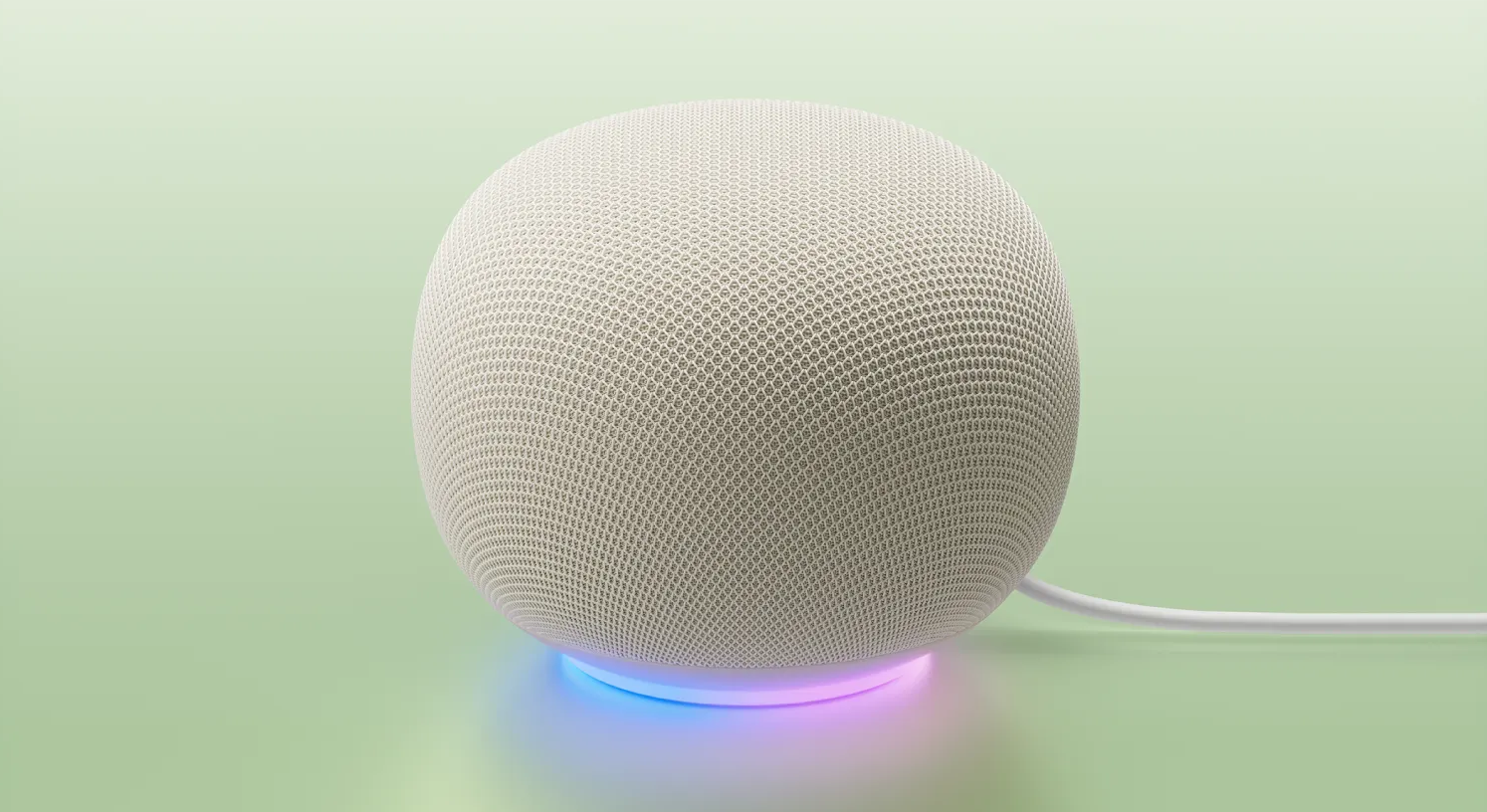
Google Bets Big on $99 Gemini Home Speaker |
Under the 3D-knit fabric sits a quad-core A55 chip with an on-device NPU, 1 GB RAM, and a 58 mm driver for balanced 360-degree audio. Wi-Fi 6, Bluetooth 5.4, Matter, and Thread 1.3 turn the speaker into a hub (complete with a physical mic-mute switch for the privacy-paranoid), and a pair can act as spatial surround sound when linked to a Google TV Streamer.
Priced to match Amazon's $99 Echo Dot Max (which, let's be real, is almost always on sale), the launch signals Google shifting the smart-speaker battle from hardware margins to AI subscriptions as it sunsets its older Nest audio lineup. |
|
|
|
|
Writer/Editor at TechnologyAdvice |
Justin Meyers is an investigative writer and editor who draws on over a decade of meticulous hands-on research to deliver the full, trustworthy story behind consumer and enterprise tech, including cybersecurity. |
|
|
|
Curious about where AI is really headed? |
The Neuron cuts through the noise to bring you smart, hype-free takes on the latest AI trends, tools, and breakthroughs. Join 700,000+ professionals from top companies like Microsoft, Apple, Salesforce, and more.
|
|
|
|
Advertise in Daily Tech Insider! Daily Tech Insider is a TechnologyAdvice business. © 2026 TechnologyAdvice, LLC. All rights reserved.
TechnologyAdvice, 3343 Perimeter Hill Dr., Suite 215, Nashville, TN 37211, USA. |
|
|
|
|