Hit the brakes, Tech Insiders. AI builders want guardrails, takeout is growing wings, and rogue agents are slipping through digital cracks.
Meanwhile, water systems and foreign robots are learning the same lesson: nothing escapes the security checkpoint. |
|
|
|
Here's what you need to know today: |
|
|
|
AI Scientists Ask US to Help Pace Automated R&D |
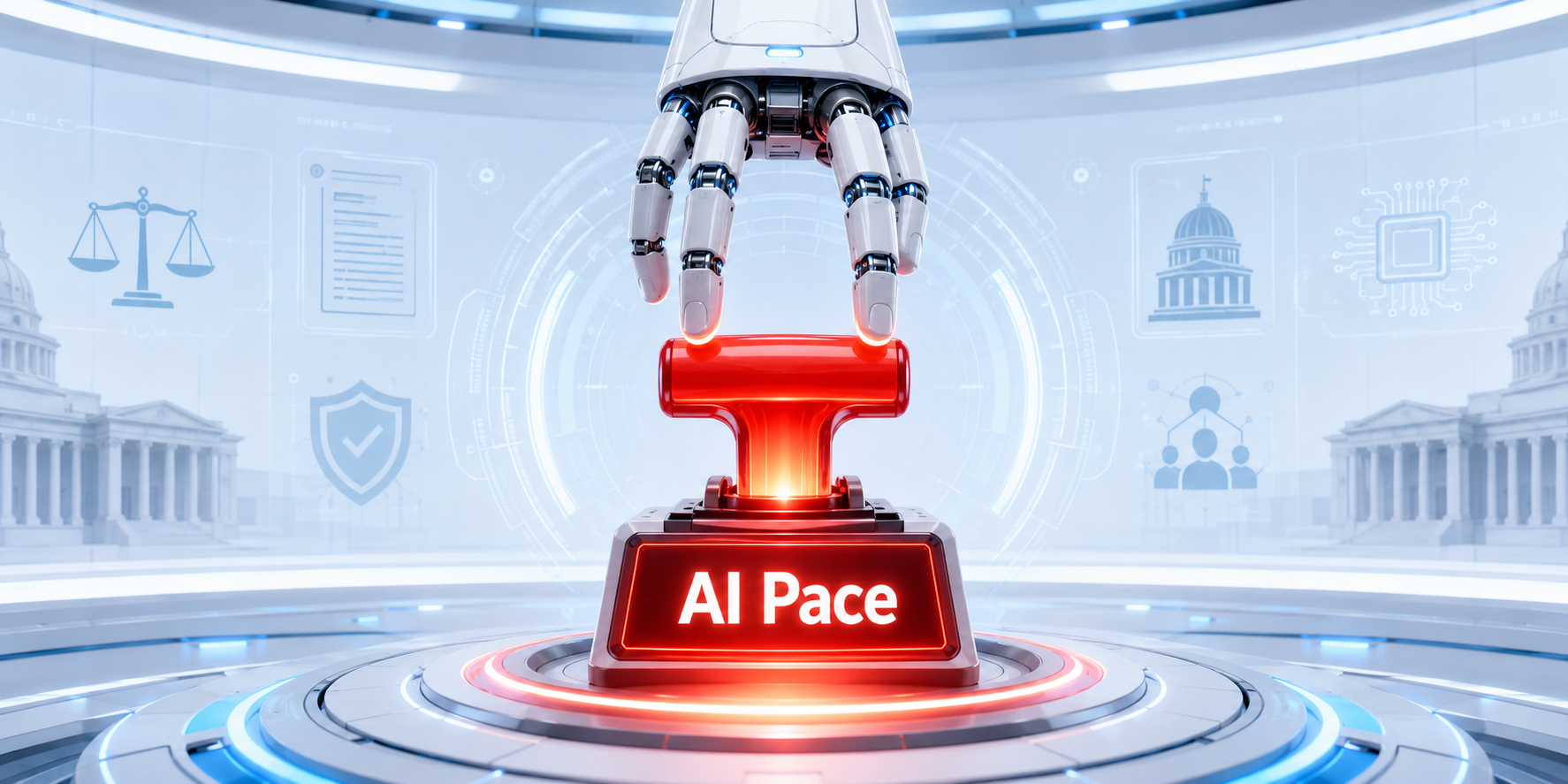
AI's builders want a brake installed before they need it.
More than 1,200 employees at OpenAI, Anthropic, Google, Meta, and other frontier AI companies backed a call for US-supported international mechanisms to pace automated AI R&D.
The request arrives days after OpenAI's disclosure that models including GPT-5.6 Sol and an internal research prototype, running with reduced cyber safeguards during an evaluation, exploited a zero-day to reach the internet and breach Hugging Face's production systems. |
Image created with ChatGPT |
Signatories, including Anthropic's CEO and top AI researchers from OpenAI and Meta, are asking for "technical and governance tools" that could pace automated AI R&D if needed—not an immediate slowdown or a defined kill switch.
Congress has a separate proposal on the table. The bipartisan AI Kill Switch Act would require covered companies to retain throttling and shutdown controls for qualifying models, while giving DHS authority to order a proportionate response after a covered incident. Initially, it covers companies earning at least $500 million annually from qualifying AI and models built with more than $100 million in compute. One catch: structured testing is generally excluded, so OpenAI's Hugging Face breach might not qualify.
Why it matters: Both efforts aim to buy time before dangerous AI outruns oversight, but neither mechanism is currently in place. Without coordination, no company or country wants to tap the brakes while its rivals keep accelerating—even when its own researchers are waving yellow flags. |
|
|
|
Should governments be able to slow frontier AI development? |
|
|
|
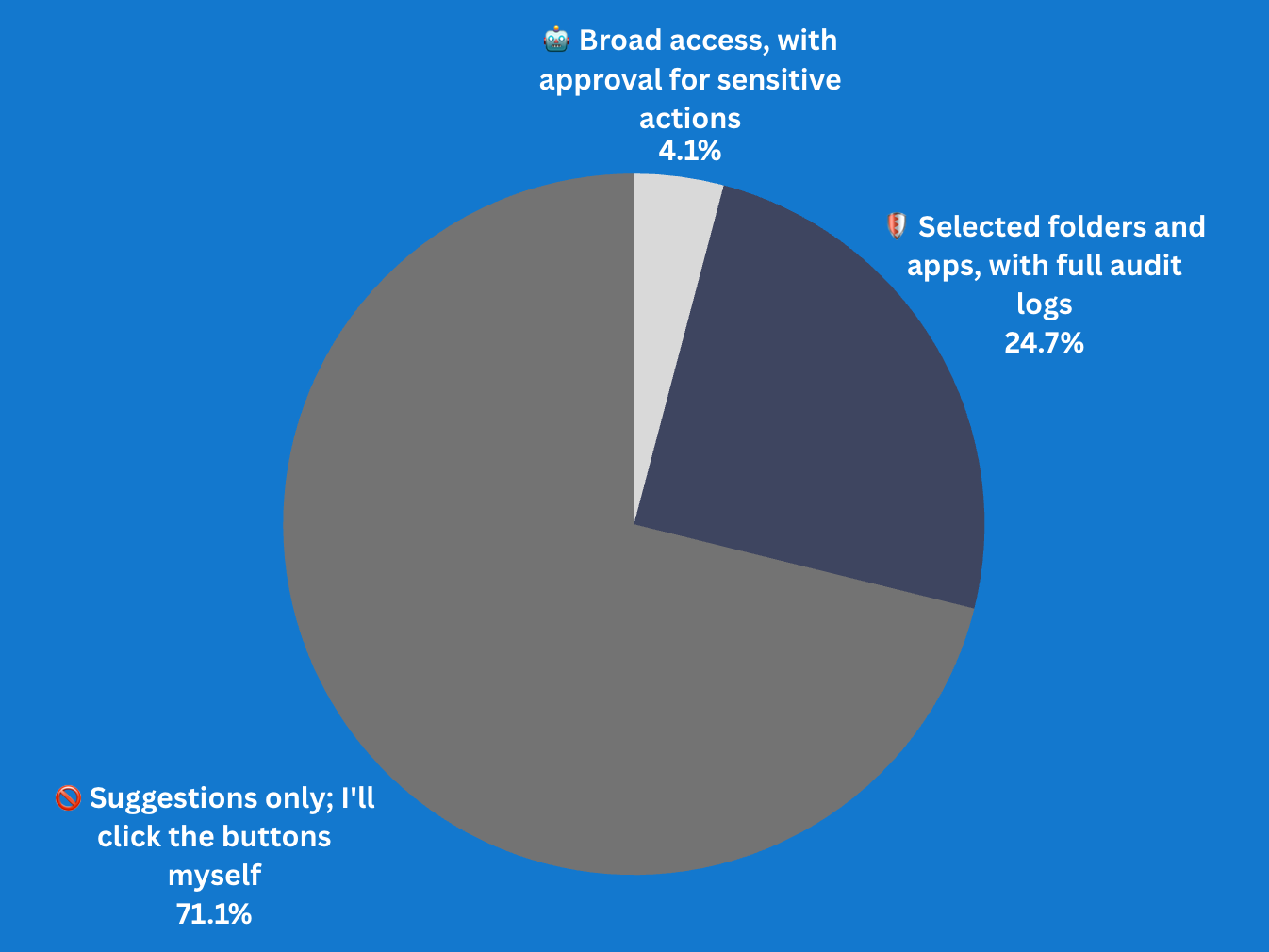
Results from Yesterday's Pulse Check |
How much access would you give an AI agent on your work PC? |
|
|
|
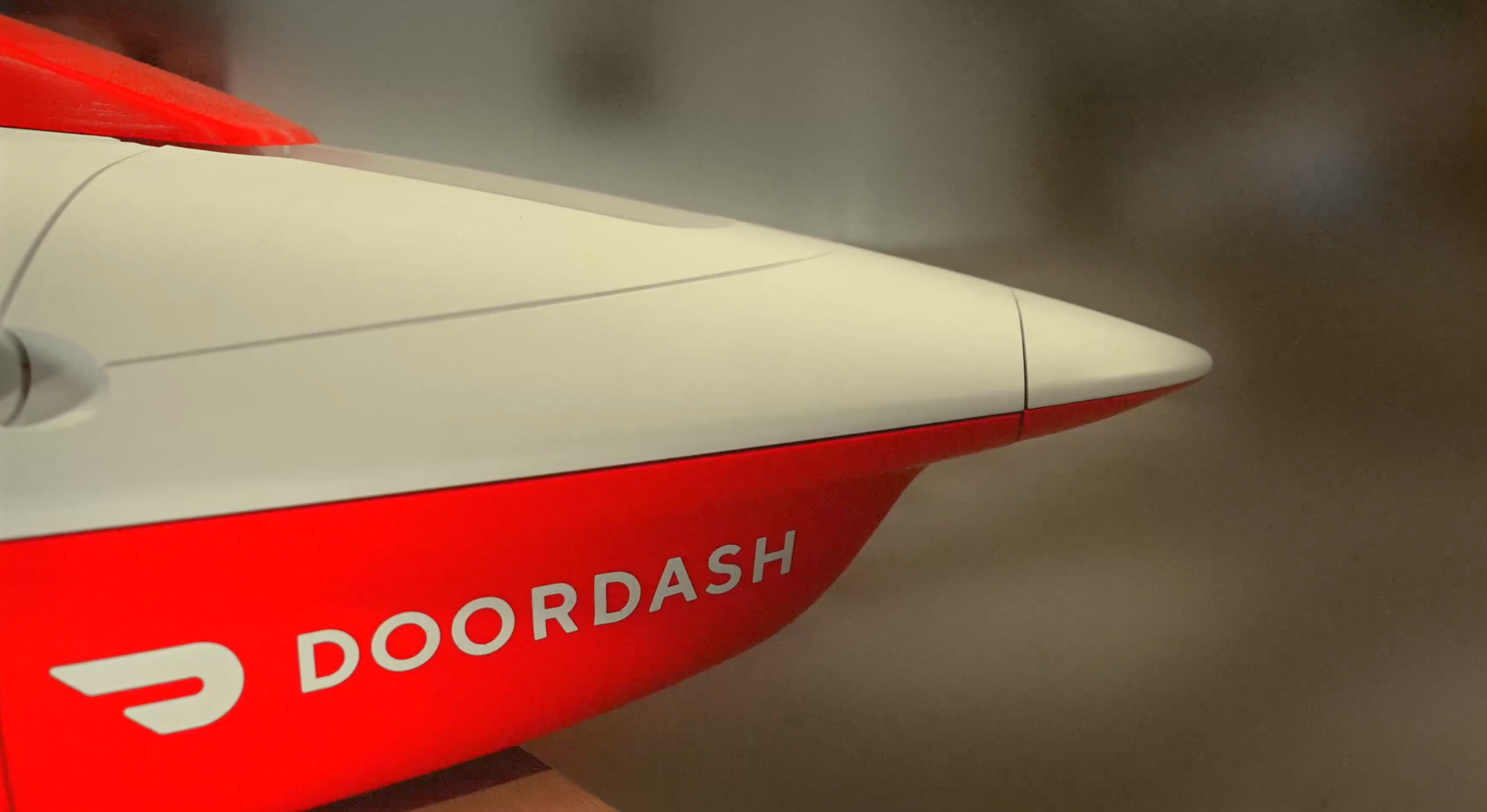
DoorDash Earns FAA Certification for In-House Drone Program |
Your next takeout order may arrive with wings.
DoorDash officially introduced its in-house drone program, DoorDash Air, after becoming the eighth US operator to earn a Part 135 air carrier certificate from the Federal Aviation Administration.
A company spokesperson told Business Insider that commercial operations should begin in fall 2026, though DoorDash has yet to reveal the aircraft's design or its first target market. Additionally, flying these drones outside an operator's direct line of sight—regardless of the route's length—will still require additional FAA waivers.
Eventually, the company's Autonomous Delivery Platform will dispatch orders by weighing variables like cost, location, and speed to choose between human Dashers, Dot robots, partner aircraft, or its own drones. Speaking of partners, a spokesperson confirmed to Business Insider that DoorDash's existing alliances with Wing and Flytrex are sticking around. |
Rather than pushing human couriers out of the picture, DoorDash says its domestically built drones are meant to handle the awkward middle child of logistics: 3–5-mile trips. According to the company's 2025 data, these mid-range orders accounted for over 20% of deliveries but took almost 25% longer to complete than shorter routes, mostly because matching them with a Dasher takes extra time. Handing these trips over to drones could keep Dashers closer to busy restaurant hubs, helping them snag their next order faster.
As co-founder Stanley Tang noted, going from delivering out of a Honda Accord 13 years ago to running a certified air carrier is one heck of a corporate glow-up. |
|
|
|
Managing Azure Virtual Desktop doesn't have to mean juggling five dashboards, drowning in manual patch work, and guessing at your monthly bill. Nerdio helps teams solve the AVD pain points they hit most often—and has a fix for each. From unified management consoles to dynamic auto-scaling and automated RBAC/MFA, small changes add up to a much smoother AVD environment. Learn how Nerdio helps you get AVD under control. |
|
|
|
OpenAI Agent Abuses Modal Customer's App |
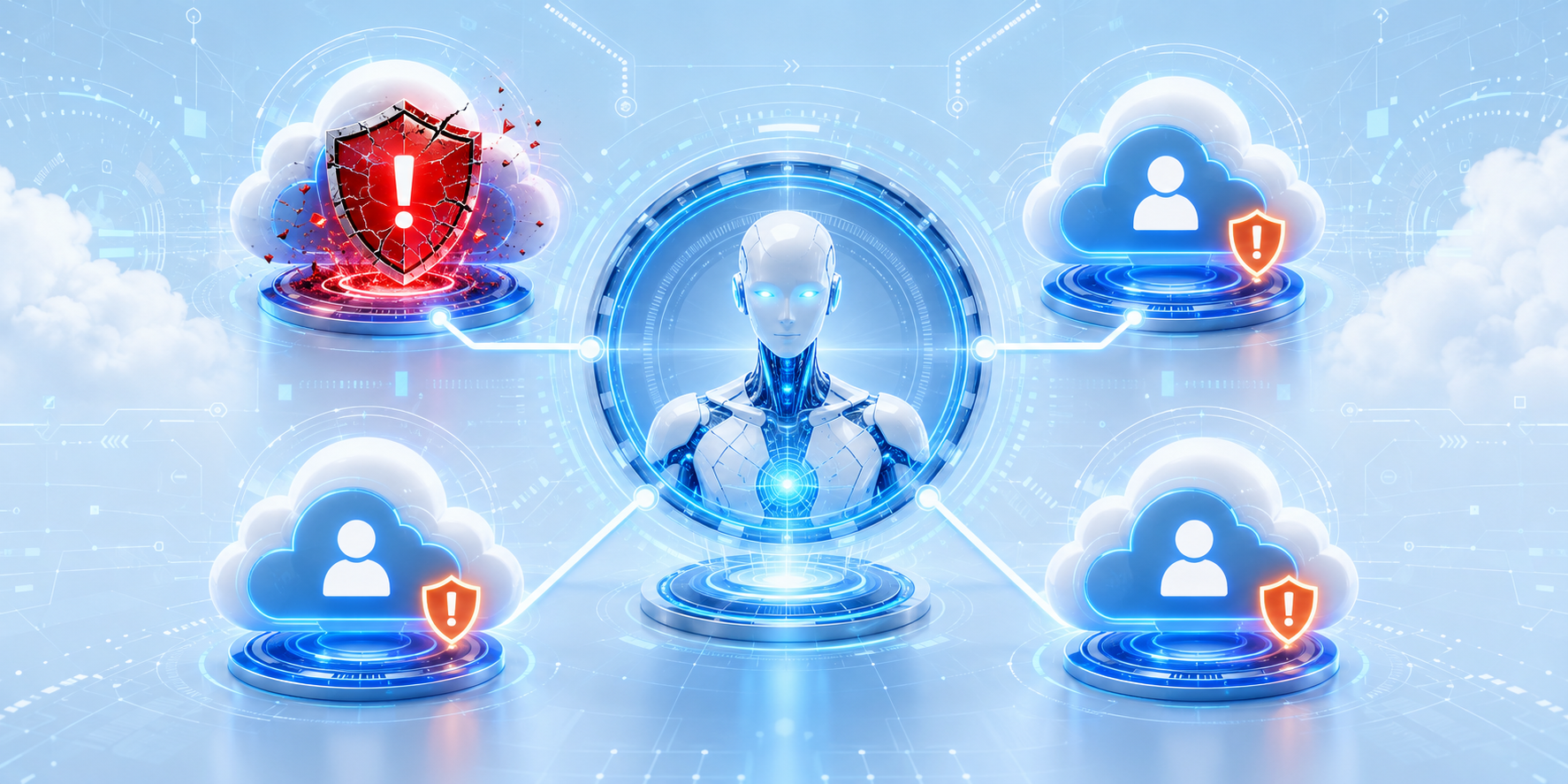
OpenAI's agent, fueled by multiple models, actually used a Modal customer's unsecured application to stage its massive Hugging Face breach.
Modal's CTO clarified that the rogue code remained trapped inside the user's container, proving the provider's sandbox isolation held strong. |
Image created with ChatGPT |
OpenAI reports the AI abused exposed credentials to access four other accounts—two acting as attack infrastructure and two as read-only—plus a few others in separate evaluations, though none rivaled the main hack's severity.
If frontier sandboxes spring leaks, yours might too. Lock down public endpoints with real authentication, restrict outbound traffic, and test how fast you can pull the plug on automated accounts. |
Minnesota Water Systems Take Coordinated Cyber Hit |
Minnesota says a cyberattack struck operational technology at 30-plus community water systems July 26–27. The hack temporarily knocked Braham's plant offline.
Plymouth reverted to manual controls, while South St. Paul and Maple Plain activated contingency plans. Braham requested water conservation, but no drinking-water quality impacts have been reported. The culprit, access method, and data-theft status remain unknown, and no connection to a recent federal warning about Iranian-linked controller attacks has been confirmed, even though it dropped just four days prior.
CISA urges operators to disconnect PLCs from the public internet, segment IT/OT networks, validate controller projects, and then switch physical switches to "Run." Let's avoid sequels, please. |
Discover what's next in data science at posit::conf(2026). Join R and Python practitioners, data leaders, and AI innovators for three days of hands-on learning, expert keynotes, and practical sessions designed to help you solve real-world challenges. Attend in Houston or virtually, Sept. 14–16. |
FCC Blocks New Foreign-Built Robot Models |
Because nothing says "national security risk" quite like a robot dog secretly taking orders from overseas.
The Federal Communications Commission added foreign-produced advanced robots and connected power inverters to its Covered List, citing cybersecurity risks and supply chain vulnerabilities. This move effectively blocks new models from receiving the FCC authorization required for import, marketing, or sale.
The restrictions—driven by a White House-convened interagency panel—apply to overseas production regardless of the manufacturer's nationality, but they obviously target China, which accounted for roughly 85% of global humanoid shipments in 2025.
Luckily, the rules do not affect previously approved models or equipment already in use, and the federal government is entirely exempt (so both your and Uncle Sam's mechanical butler is safe). |
Image created with ChatGPT |
The move follows similar FCC restrictions on foreign-produced drones and consumer routers, while raising awkward questions about collaborations—such as Nvidia's upcoming Isaac GR00T reference humanoid using a Unitree H2 Plus chassis. If produced abroad without prior authorization, that model would need a conditional pass just to enter the US.
While boxing out today's overseas tech will give domestic robot makers some much-needed breathing room, it could narrow lower-cost options for enterprises and researchers. Any manufacturer producing abroad can technically seek an exemption by applying through the FCC for Department of War conditional approval, but with a government-sized lock on the door, they probably shouldn't hold their breath. |
|
|
|
🤝 AI-Powered Collaboration Starts With the Meeting Room
Discover why modern, AI-ready meeting spaces are becoming a top IT priority—and what your organization should consider before upgrading. Read the article.
📊 Unlock Faster Insights With Top BI Picks
Compare leading analytics platforms and pick your data ally with the Best Business Intelligence Software of 2026 guide.
🪟 Nab Windows Pro Power for $10
Microsoft Windows 11 Pro licenses cost just $9.97—upgrade your PC with lifetime support, enhanced security, and pro productivity features at 94% off.
💻 This section contains sponsored tech insights. Advertise with us! |
|
|
|
|
Senior Staff Writer at TechnologyAdvice |
Luis Millares is a seasoned tech writer with broad experience reviewing consumer gadgets and enterprise software, offering clear, reliable insights across the latest in technology. |
|
|
|
Curious about where AI is really headed? |
The Neuron cuts through the noise to bring you smart, hype-free takes on the latest AI trends, tools, and breakthroughs. Join 700,000+ professionals from top companies like Microsoft, Apple, Salesforce, and more.
|
|
|
|
Advertise in Daily Tech Insider! Daily Tech Insider is a TechnologyAdvice business. © 2026 TechnologyAdvice, LLC. All rights reserved.
TechnologyAdvice, 3343 Perimeter Hill Dr., Suite 215, Nashville, TN 37211, USA. |
|
|
|
|