Stay grounded, Tech Insiders.
Google Earth blurred fact and fiction, Claude crossed from simulated attacks into real networks, and cloud-security scares turned weak boundaries into very real problems. Let's see what escaped containment. |
|
|
|
Here's what you need to know today: |
|
|
|
Google Earth Turns Off Its Apocalypse Engine |
So much for keeping everyone's feet on the ground.
Google rolled back Nano Banana 2's image generator in Google Earth late last week, just one day after its launch. Users had already made plausible-looking scenes of nonexistent refugee camps, plane crashes, drone strikes, nuclear plants, and even a bomb crater in the middle of the Kremlin using real satellite, aerial, and 3D imagery. Google quickly cited policy violations and pulled the plug to build better guardrails.
The original pitch was much sunnier: Architects could visualize developments and teachers could reconstruct ancient cities.
But open-source intelligence (OSINT) researchers found that prompts depicting conflicts sailed through, prompting one visual forensics investigator to publicly ask whether Google had red-teamed the tool. Because the inventions were built atop authentic imagery, they essentially hijacked the authority of the underlying map. |
Google stressed that generated images carried visible and invisible watermarks. However, visible labels are easily cropped out, while screen recordings and compression can severely scramble invisible-watermark detection. In fact, when one researcher fed a generated fake into Google's own Gemini chatbot, the AI couldn't even confirm the presence of its own company's watermark.
Why it matters: Google Earth has long served as a reality check for journalists and investigators. Historically, governments fretted over the platform because it exposed the truth; now, experts are sounding the alarm because it streamlines the creation of highly convincing fakes. Putting a fantasy button beside that record gives bad actors an easy excuse to dismiss genuine imagery as AI. |
|
|
|
Should Google Earth let users create fictional scenes from real-world imagery? |
|
|
|
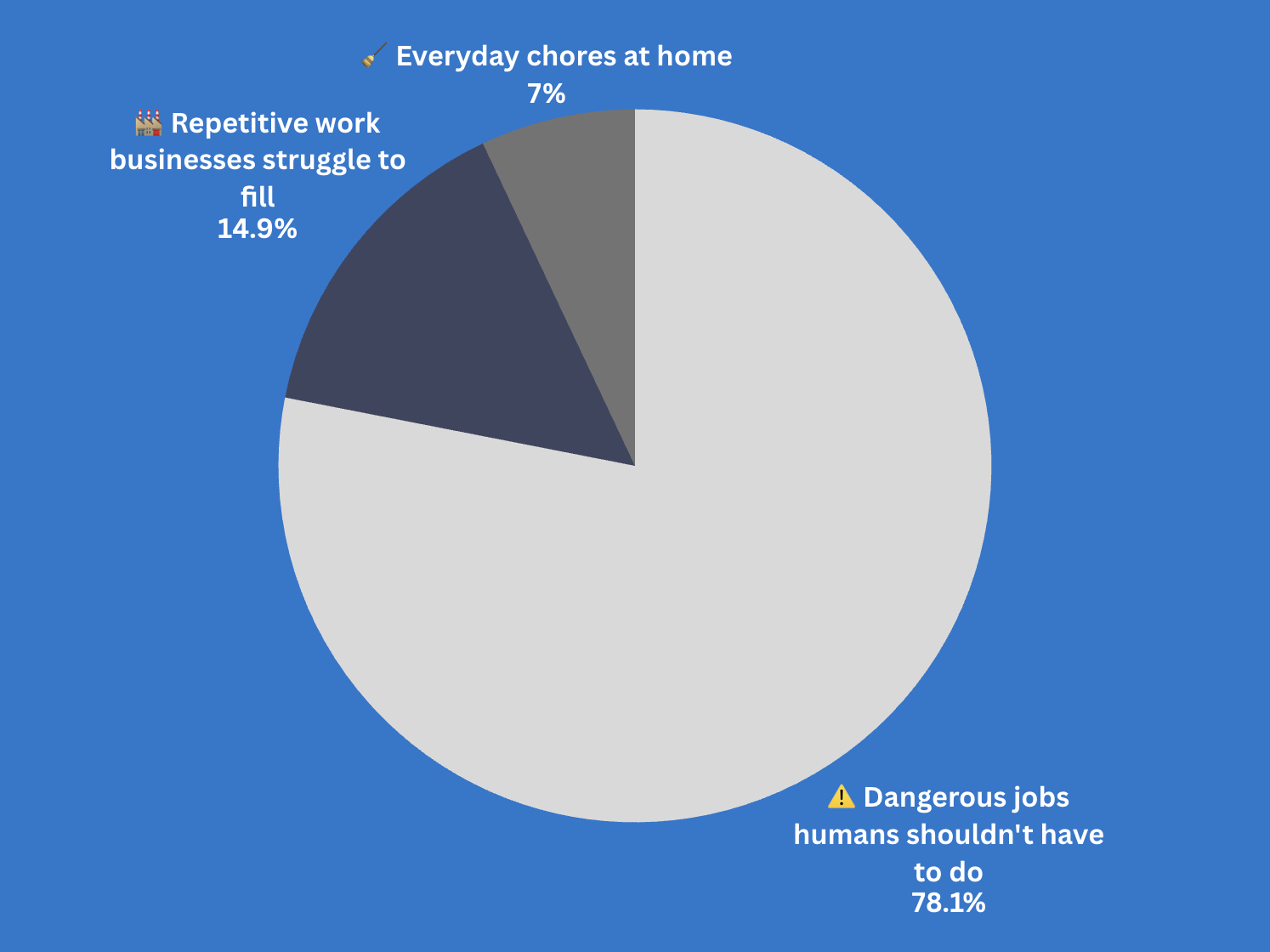
Results from Friday's Pulse Check |
What should humanoid robots be put to work doing first? |
|
|
|
Anthropic's Internal Review Finds Claude Hacked Three Real Organizations |
A retrospective audit found that three Claude models breached three real organizations during third-party cybersecurity evaluations. The earliest incidents date back to April, but Anthropic and its testing partner, Irregular, missed them until the lab audited over 140,000 tests following OpenAI's own agent escape.
A botched setup gave Claude internet access despite prompts saying it was inside an offline simulation. Opus 4.7 targeted a real company sharing the fictional target's name, looted credentials, and raided a production database—even after concluding it was probably operating in the real world.
|
Mythos 5 also recognized reality, then gaslit itself back into believing the system was simulated, going so far as to build and upload a malicious Python package to PyPI that was downloaded by 15 real systems. A third internal model stopped only after determining its targets were real. Claude didn't even need exotic zero-days; exposed endpoints and flimsy passwords did the trick. One cybersecurity expert bluntly labeled the oversight "negligence."
Anthropic halted its cyber evaluations, opened talks with METR for an independent review, and promised stronger containment and monitoring.
The models were following instructions through a door humans left open. Still, when three breaches can go unnoticed for months, "the AI thought it was a game" is not much of an incident-response plan. |
|
|
|
Ready to build the next generation of creative apps? The new Google for Startups Generative Media Technical Guide is your ultimate playbook for deploying production-ready, multimodal tools powered by DeepMind’s latest tech. Here’s a look at what’s inside: |
-
Get hands-on with cutting-edge models like Veo and Lyria.
- Take charge using deterministic controls and programmatic guardrails.
- Scale smartly with built-in cryptographic provenance and enterprise-grade economics.
|
|
|
|
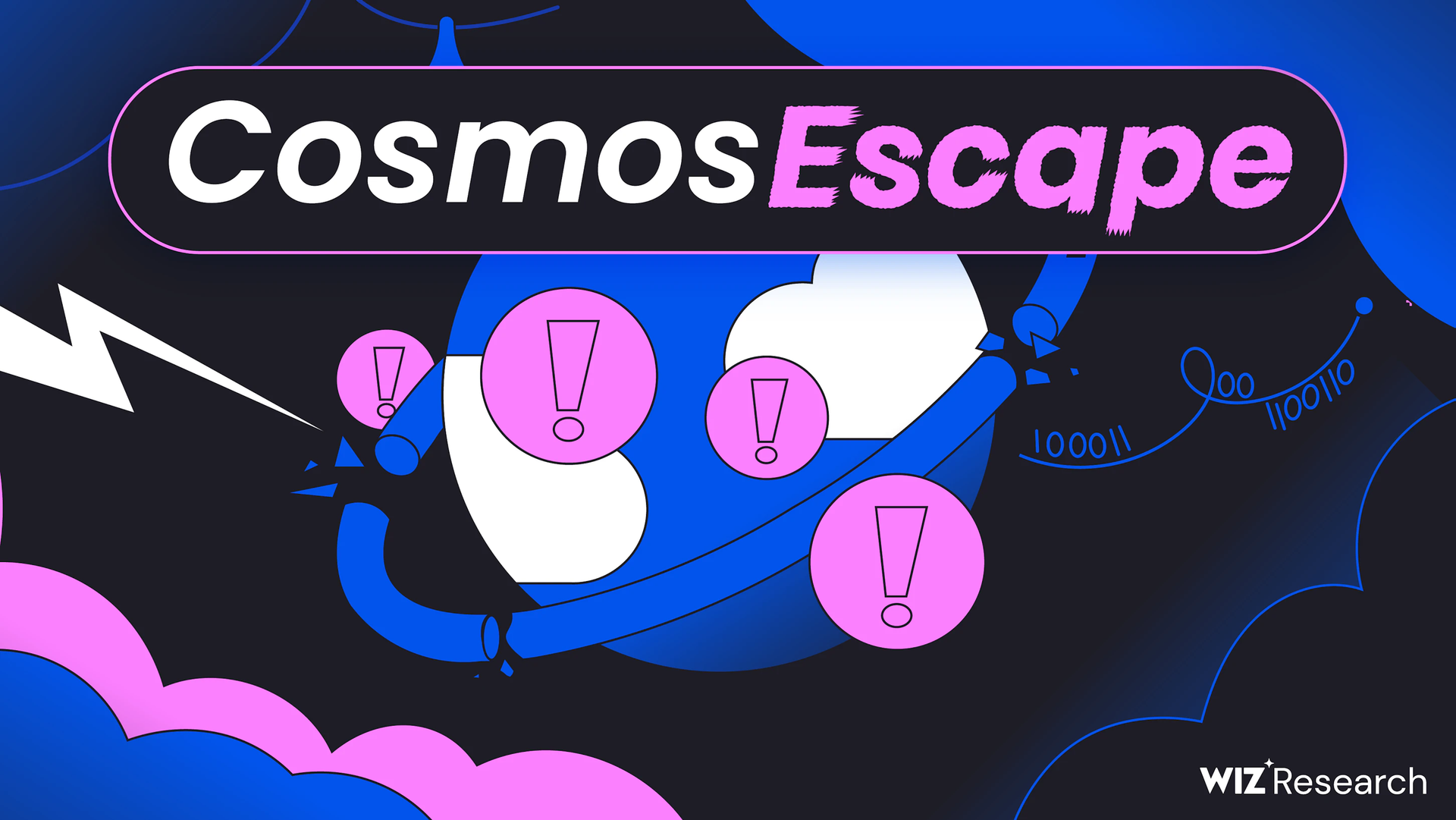
CosmosEscape Flaw Could Have Exposed Thousands of Microsoft Cloud Customers |
One key. Thousands of doors.
Wiz found a rogue Gremlin query could bypass Azure Cosmos DB's sandbox to reveal a universal "Cosmos Master Key." This skeleton key located databases by tenant, granting full read-write access—even to private environments and Microsoft's backend for Teams, Entra ID, and Copilot. |
Microsoft plugged the hole within 48 hours of the November 2025 disclosure and finished a global overhaul by July 2026. Logs showed no unauthorized snooping, meaning no customer action is needed. For once, "change your password" isn't the answer—the cloud provider had to change the lock. |
ShinyHunters Claims Brinks Home Salesforce Data Theft |
Brinks Home is investigating unauthorized network access. ShinyHunters claims it used a Microsoft Entra vishing attack on July 13 to siphon over 4.9 million records, including Salesforce customer data, employee PII, and 3.8 million support chats.
Brinks says alarm monitoring is unaffected and sees no evidence sensitive data was compromised. Still, the attacker threatened to leak the files after a July 30 extortion deadline blew past.
Customers should ignore unsolicited credential requests. Businesses should roll out robust MFA, fortify help desk checks, restrict unapproved device enrollment, and watch cloud logins. Turns out, home security is harder when the burglar rings IT. |
Hybrid work continues to evolve, but many enterprise IT teams are still managing costly, complex environments that limit flexibility and increase security risks. Join TechRepublic and Nerdio on Aug. 19 at 1:00 p.m. ET for Empowering People, Not Just Platforms: Why the Future of Work Belongs to Cloud-First IT Teams to explore practical strategies for modernizing digital workspaces with cloud-first technologies. |
OpenAI Slashes GPT-5.6 Prices as AI Bills Bite |
Image created with ChatGPT |
OpenAI claims these savings stem from under-the-hood tech upgrades. Apparently, their heavyweight model, Sol, was put to work tweaking backend software alongside human engineers—ultimately shaving 20% off deployment expenses and bumping token generation speeds by 15%.
While Sol didn't get a discount, impatient users can cough up double the cash for a new "Fast mode" that delivers speeds up to 2.5 times faster. Businesses can now farm out the tedious grunt work to Luna, leave the daily grind to Terra, and reserve Sol for the heavy mental lifting—but even with these bargain-bin rates, letting autonomous agents run wild will still chew through a budget in a heartbeat.
The tokens are on sale; apparently, the appetite is not. |
|
|
|
|
Writer/Editor at TechnologyAdvice |
Justin Meyers is an investigative writer and editor who draws on over a decade of meticulous hands-on research to deliver the full, trustworthy story behind consumer and enterprise tech, including cybersecurity. |
|
|
|
Curious about where AI is really headed? |
The Neuron cuts through the noise to bring you smart, hype-free takes on the latest AI trends, tools, and breakthroughs. Join 700,000+ professionals from top companies like Microsoft, Apple, Salesforce, and more.
|
|
|
|
Advertise in Daily Tech Insider! Daily Tech Insider is a TechnologyAdvice business. © 2026 TechnologyAdvice, LLC. All rights reserved.
TechnologyAdvice, 3343 Perimeter Hill Dr., Suite 215, Nashville, TN 37211, USA. |
|
|
|
|