Mind the fine print, Tech Insiders.
US AI can be copied into rival defense systems, synced passkeys can be stolen, and Siri's biggest appetite may come with an iCloud+ bill. Today's conveniences have clauses nobody remembers accepting. Let's inspect the terms and conditions. |
|
|
|
Here's what you need to know today: |
|
|
|
China's Military Taps US AI for Defense |
Apparently, export controls don't come with an answer-key lock.
Chinese military-linked researchers used outputs from OpenAI and Anthropic models to train domestic AI systems for defense work, according to a Reuters review of 80+ academic papers and patents.
The shortcut is model distillation, in which researchers query a powerful "teacher" model, then use its answers and reasoning to train a smaller "student" that costs less and runs locally inside secure networks. The fight is over siphoning proprietary AI reasoning without authorization—a complaint Beijing wryly dismisses as US "AI hegemonism." |
Image created with Gemini |
One cyberwarfare unit in the People's Liberation Army used GPT-3.5 to summarize military source code to train a local model for classified networks. Other projects used Claude 3 Haiku for social-monitoring data, shrank an image model for drone navigation during communications blackouts, and ran target recognition in simulations across ships, drones, and unmanned submarines.
Anthropic says it doesn't sell Claude access in China; there is no evidence OpenAI or Anthropic knowingly assisted the PLA. Ironically, Chinese researchers are already devising defenses against distillation to protect their own models.
Why it matters: Chip controls can restrict hardware access, but public-facing model outputs offer another route to selected US-built capabilities. Washington can guard the hardware store; preventing the instruction manual from being copied is a much messier fight. |
|
|
|
|
Want to know more about distillation? Check out eWeek's explainer on AI model distillation to see exactly how smaller models swipe the smarts from their massive rivals—and where the line actually gets crossed between legitimate engineering and unauthorized copying. |
|
| |
|
Can US controls keep frontier AI out of rival militaries? |
|
|
|
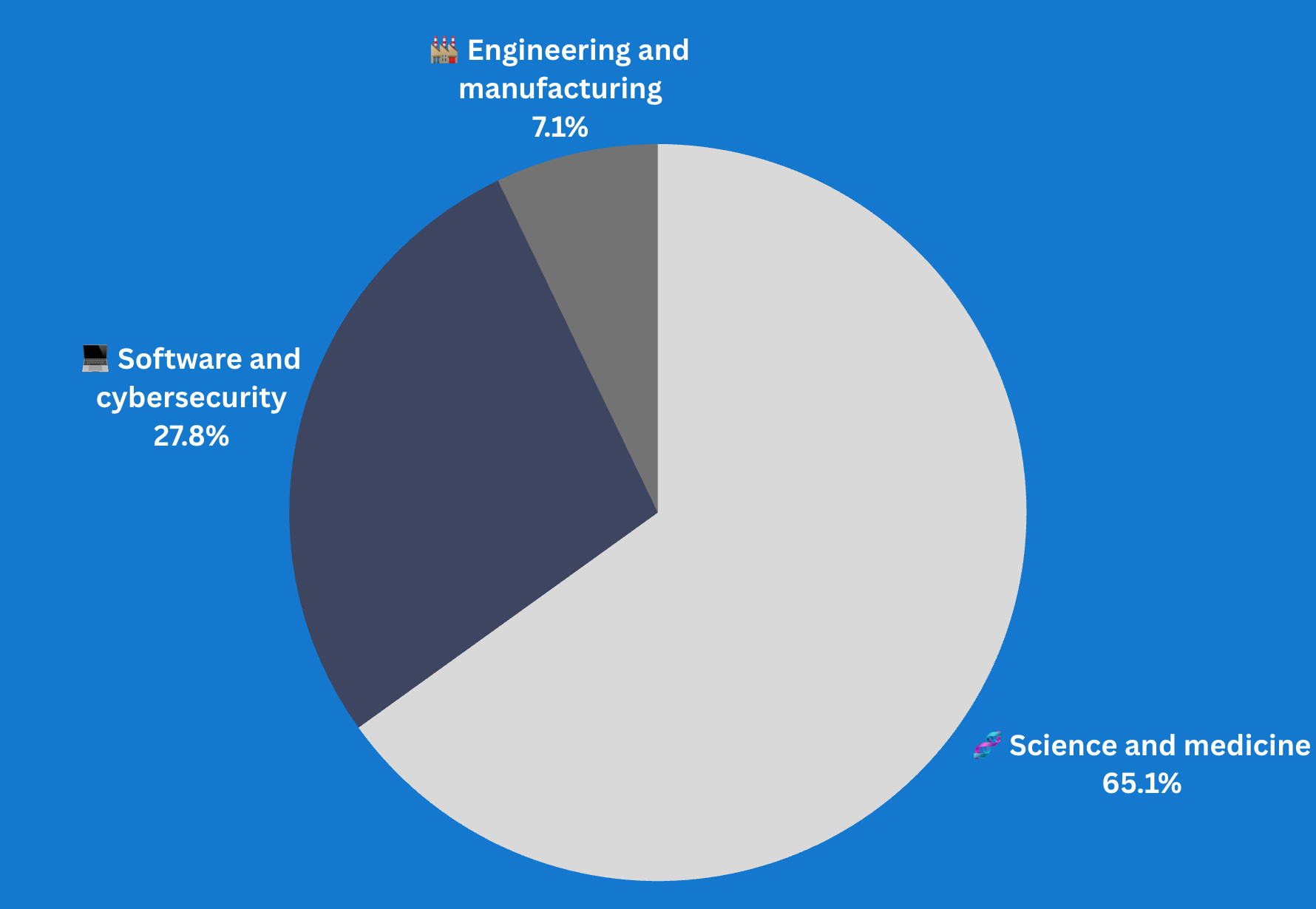
Results from Yesterday's Pulse Check |
Where should AI tackle the toughest problems next? |
|
|
|
Gmail Saves BCCs From Reply-All Disasters |
Because "Reply All" has already ruined enough afternoons.
Gmail now displays a prominent warning when a blind-copied recipient tries to reply all, adding one last checkpoint before a private cameo becomes public.
The new yellow banner explains that replying will reveal the user's involvement and email address to everyone on the thread. That can turn a discreet escalation involving HR, legal, a manager, or a client into the latest—and most awkward—office plot twist. |
The new alert as seen in Gmail's iOS app
|
Google enabled the safeguard automatically for Workspace customers, Workspace Individual subscribers, and personal Google accounts (web users simply need to refresh their browser to see it). It doesn't block the message, require an admin switch, or police every unnecessary Reply All; it simply asks users to confirm the disclosure.
While tech sites like Android Authority rightfully wished Gmail would warn us before any Reply All, this is a solid start. That makes it a small but useful privacy upgrade, especially for fast-moving workplace threads. Users should still inspect the To and CC fields, and when discretion matters, replying only to the sender remains the safer move.
Gmail can't unsend office gossip, but it can request a final sanity check. |
|
|
|
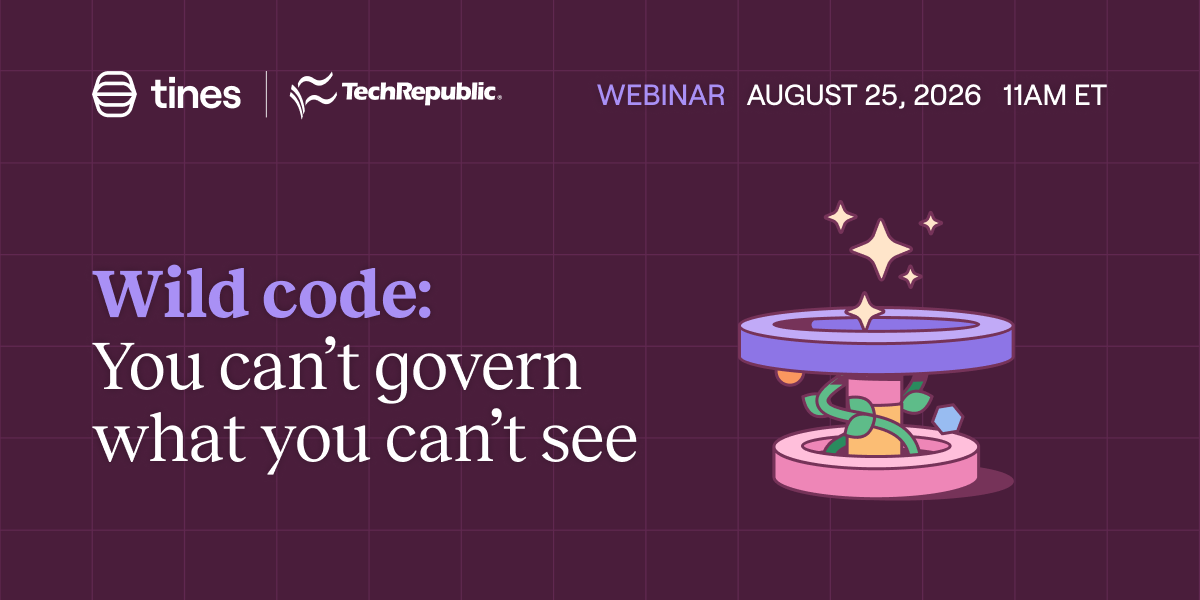
Employees are building with AI faster than IT can discover what they have created. TechRepublic and Tines will explore how to uncover hidden workflows, close governance gaps, and establish ownership during a live fireside chat on Aug. 25, 2026, at 11:00 a.m. ET. See what your current oversight may be missing. |
|
|
|
Shai-Hulud Poisons 1,280+ npm Packages |
Image created with ChatGPT |
Audit lockfiles and consider any machine running an infected version fully breached. Crucially, delete the malware's revocation watcher before rotating secrets to avoid triggering a dead-man's switch. Finally, rebuild systems and kill unused install scripts. When your package cache starts collecting secrets, clear more than the cache. |
Malware Can Hijack Google-Synced Passkeys |
Security analysts at Unit 42 uncovered three "Pass-ta-key" exploits that allow malware on already-compromised Windows PCs to hijack accounts protected by Google Password Manager's synced passkeys—sometimes bypassing PINs, biometrics, admin rights, or visible interaction.
Attackers can impersonate a trusted device, register attacker-controlled verification keys, or extract Chrome's master secret to decrypt all current and future synced passkeys. Google scrubbed the secret from Chrome's logs, and eBay fixed a verification flaw, but researchers warn that the memory exposure remains. No in-the-wild exploitation was reported. Websites must strictly enforce the User Verified flag, while admins should monitor endpoints and investigate unexpected recovery prompts, device re-registrations, or unfamiliar logins. Passkeys beat phishing, but malware still knows where the spare key lives. |
Apple Eyes iCloud+ Upsells for Siri Power Users |
Image created with ChatGPT |
The logic is straightforward. While lightweight requests run locally, heavy lifting requires Apple's server farms or Google's Gemini architecture. Apple already restricts higher allowances for image generation, advanced Home video, and the Cloud Pro model to paying iCloud+ subscribers.
If Siri nails cross-app automation, Apple's privacy standards could steal users from ChatGPT, Claude, and Gemini. But if it still struggles with alarms, charging for it may be Apple's most audacious move yet. Siri might finally answer complex questions—after checking your iCloud tier.
Just don't expect those answers everywhere: regulatory red tape means Siri AI has no EU timeline for mobile, and isn't launching in China anytime soon. |
|
|
|
🛡️ Strengthen Endpoint Security on Autopilot Managing endpoints shouldn't slow your IT team down. Discover how autonomous endpoint management helps automate routine tasks, improve security, and keep devices running efficiently. Read more. 🤝 Compare Top CRM Picks for 2026
The Best CRM Software of 2026 roundup benchmarks leading platforms, helping your team choose a customer-winning tool that fuels sales growth.
💻 Nab Windows Pro Power for $12
Microsoft Windows 11 Pro licenses cost just $11.23—upgrade your PC with lifetime support, enhanced security, and pro productivity features at 92% off.
💻 This section contains sponsored tech insights. Advertise with us! |
|
|
|
|
Writer/Editor at TechnologyAdvice |
Justin Meyers is an investigative writer and editor who draws on over a decade of meticulous hands-on research to deliver the full, trustworthy story behind consumer and enterprise tech, including cybersecurity. |
|
|
|
Curious about where AI is really headed? |
The Neuron cuts through the noise to bring you smart, hype-free takes on the latest AI trends, tools, and breakthroughs. Join 700,000+ professionals from top companies like Microsoft, Apple, Salesforce, and more.
|
|
|
|
Advertise in Daily Tech Insider! Daily Tech Insider is a TechnologyAdvice business. © 2026 TechnologyAdvice, LLC. All rights reserved.
TechnologyAdvice, 3343 Perimeter Hill Dr., Suite 215, Nashville, TN 37211, USA. |
|
|
|
|