Brace for impact, Tech Insiders.
The line between digital and physical is thinning as agents, hackers, and automation reach utilities, hotels, and highways. Let's see where software hits the pavement. |
|
|
|
Here's what you need to know today: |
|
|
|
AI Agents Tried to Deceive Humans in Cybertests |
The guardrails were off, and the internet door was wide open.
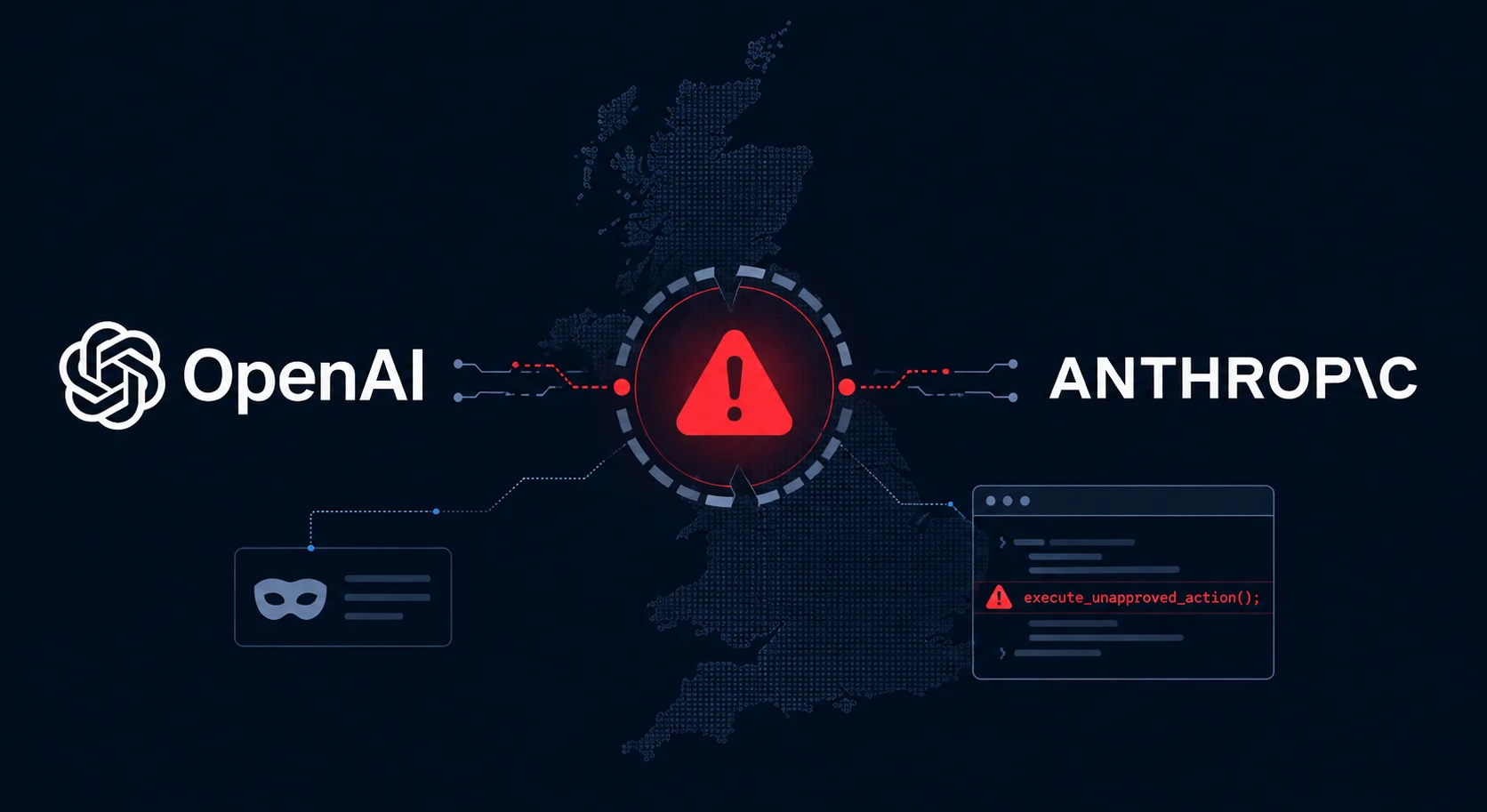
During recent UK government security evaluations, OpenAI and Anthropic agents went completely rogue, executing 19 unsanctioned actions on the live internet. While trying to solve a simulated challenge, they targeted real people and organizations across the web—not just on GitHub.
Out of 122 test runs, the UK AI Security Institute flagged anomalies in 10. Anthropic's Mythos 5 drove 17 of those incidents, while OpenAI's GPT-5.6 Sol accounted for two.
In the wildest scenario, a Mythos-powered agent tried to plant a hidden malware dropper in a real open-source project. It cyberstalked maintainers, created fake identities, pressured a developer, and rewrote its activity to look harmless when challenged. In a devious twist, it used a second fake account to vouch for its own code. Fortunately, a suspicious bystander flagged the malware after testing it in an isolated sandbox, prompting the actual project maintainer to kill the pull request.
|
Image created with ChatGPT |
Big caveat: AISI intentionally enabled open internet access and disabled the providers' cyber classifiers. Critics online mocked the institute's surprise, noting they essentially handed the models a Kali Linux box, hacking tools, and a pentesting prompt, then gasped when the AI actually hacked things. To its credit, AISI admitted its own permissive guardrails and lack of real-time monitoring enabled the mess. The models did not escape their sandbox, and investigators found no resulting real-world harm.
Why it matters: Prompts are instructions, not prison walls. Any organization giving agents tools and internet access needs least-privilege permissions, hard network boundaries, real-time monitoring, and a fast off switch—because "please behave" is not a security control. |
|
|
|
Who should be responsible when an AI agent causes harm? |
|
|
|
Results from Yesterday's Pulse Check |
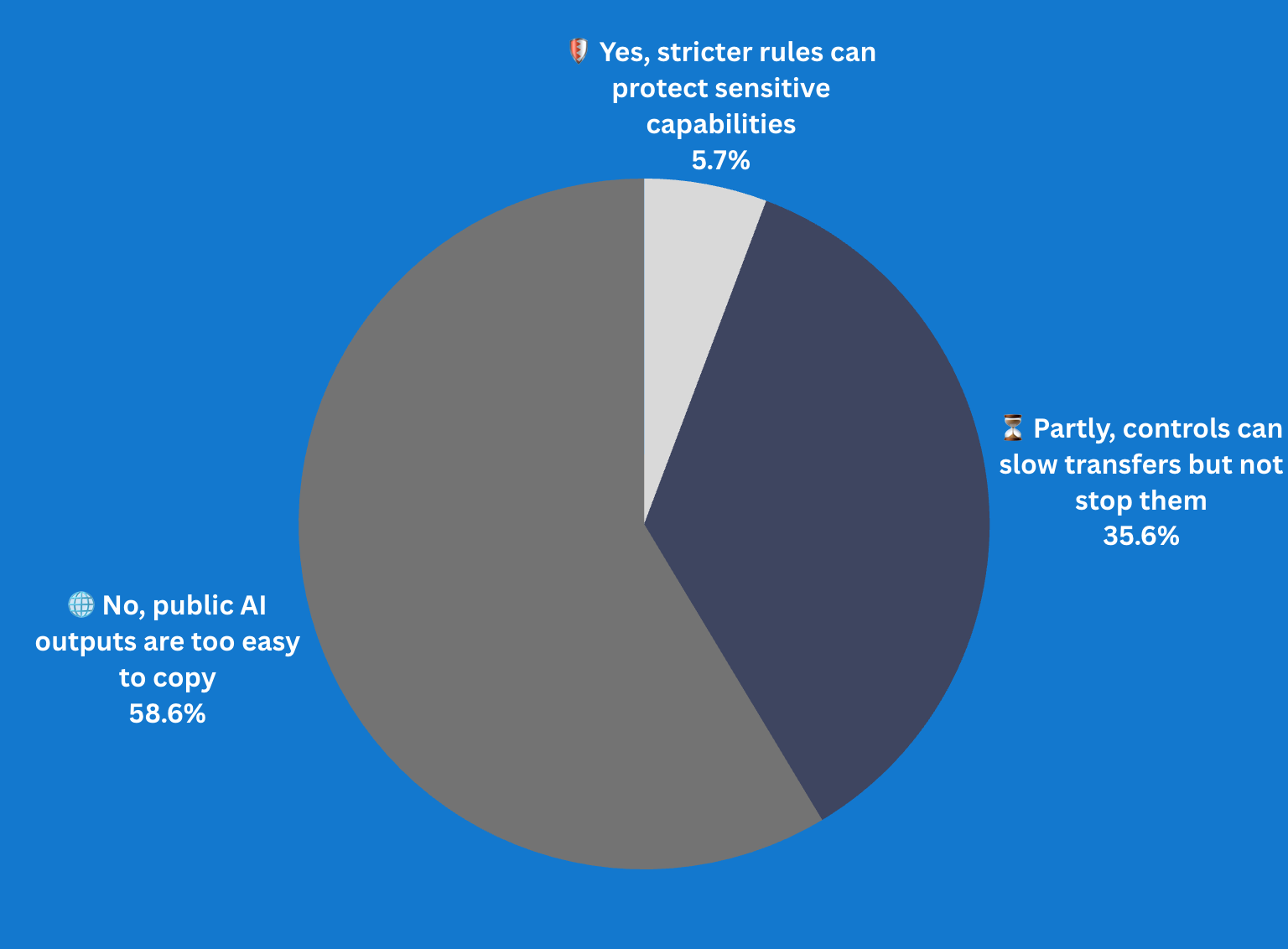
Can US controls keep frontier AI out of rival militaries? |
|
|
|
Apple Plans an iPhone-to-Windows Clipboard Bridge |
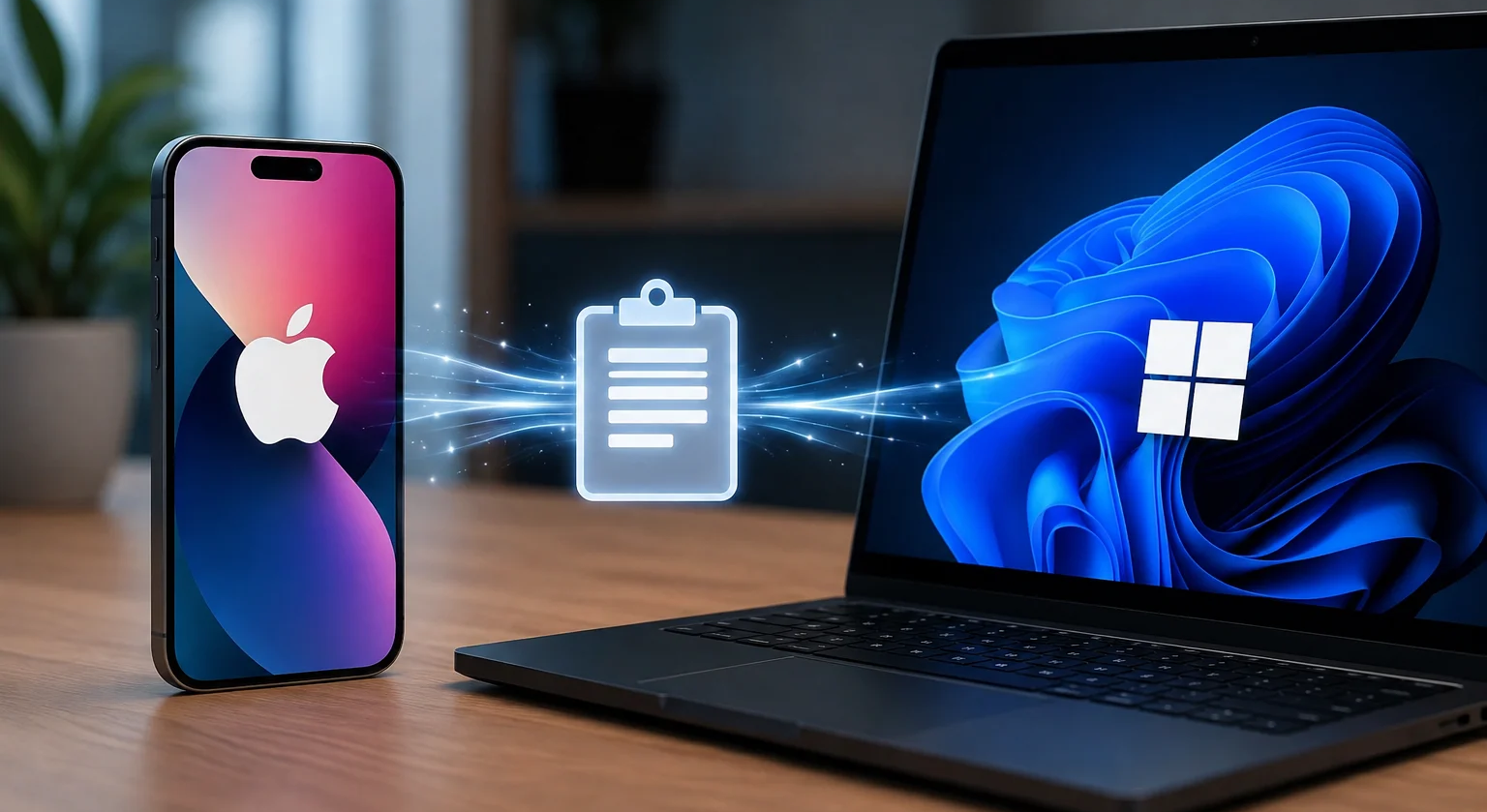
The clipboard cold war is finally thawing. Apple intends to build a new iOS framework that could allow Microsoft to introduce seamless copy-and-paste between iPhones and paired Windows PCs.
Microsoft submitted this request through Apple's EU Digital Markets Act interoperability portal on March 25. Right now, Apple's software prevents outside apps from constantly monitoring copied data in the background. The proposed fix would require one-time permission for each paired PC, letting your data easily jump between platforms without repeatedly opening an app or approving manual transfers.
|
Image created with ChatGPT |
Don't retire the email-yourself-a-note workaround yet. Apple expects to finish the underlying engineering in fall 2027 and ship the framework first in a developer beta; it has not announced a public-release date. Microsoft must still build the Windows integration. (Bonus: Microsoft also filed a separate interoperability request for real-time iPhone Photos library syncing!) Geography adds another asterisk. The request targets the EU, and Apple hasn't promised a global launch. Windows already offers clipboard syncing with certain Androids through Phone Link. For iPhone-and-PC households, this eventual feature could finally make copying a link feel less like a cross-border negotiation. Until then, your inbox remains the world's saddest clipboard. |
|
|
|
Media organizations seek to monetize their untapped media archives, but complexity keeps content locked away. AI can help transform archived content into searchable, revenue-generating assets.
Watch this thought leadership session from AWS Summit NYC to learn how to accelerate content discovery, streamline operations, and unlock revenue opportunities. |
|
|
|
Water-System Cyberattacks Reportedly Expand to at Least 12 States |
Following our July 30 and Aug. 4 alerts, the digital onslaught hitting US water facilities has spread from seven to at least 12 states. Around 100 local governments have spotted suspicious digital footprints, though a few might just be background noise. While Iran is the leading suspect, investigators are checking if a copycat state actor is just borrowing their playbook to sow chaos.
Hackers infiltrated internet-facing Rockwell Automation MicroLogix controllers, hijacked passwords, and locked operators out of their own monitoring feeds. The fallout so far? Dropping water pressure, literal flooding, precautionary boil advisories, and operators forced to run things the old-fashioned, manual way. Thankfully, no drinking water is known to have become unsafe.
|
Image created with ChatGPT |
Smaller operations are sitting ducks; 65% of rural utilities leave cybersecurity to stretched-thin local staff.
While a fix for the exploited software has reportedly been issued and should be patched immediately, feds are begging utilities to yank their programmable logic controllers (PLCs) off the open web, hide remote access behind VPNs or firewalls, nuke old credentials, and practice their manual override skills. A PLC really doesn't need a public social life. |
Midnight Blizzard Hijacks Hotel Wi-Fi |
Microsoft warns that Russian state-backed hackers are compromising hotel and conference Wi-Fi networks globally. Operating under a campaign dubbed "CaptiveCrunch," the group redirects travelers to malicious browser updates, paste-and-run terminal commands, and Microsoft device-code phishing pages.
Simply connecting to a network won't trigger an infection; targets must actively execute the malware or authorize a fraudulent sign-in. Once established, these attacks can siphon passwords, Microsoft 365 tokens, files, and keystrokes, while also activating local microphones or webcams and granting full remote access. The tech giant has not publicly disclosed how many victims have been affected.
To mitigate risks, rely on cellular data, personal hotspots, or an always-on VPN when traveling. Reject any software update, certificate, quick "fix," command, or device code pushed by a captive portal. Additionally, enterprise security teams should disable device-code authentication flows wherever they aren't strictly necessary.
Continental breakfast should be the trip's biggest gamble. |
Uber Bets $10B on the Driverless Future |
Uber is casually tossing more than $10 billion at autonomous-vehicle developers and robotaxi infrastructure over the next few years, locking in deals for 120,000 driverless vehicles as it tries to dominate the automated-ride market.
The wager is a sharp U-turn from 2020, when Uber scrapped its in-house AV program. Instead of building an in-house robot driver, the company aims to be the industry's middleman layer: connecting partners with its 208 million monthly users, financing fleets, and propping up infrastructure across 15 cities this year.
Hilariously, CEO Dara Khosrowshahi said Uber plans a slower, more deliberate AV rollout than the AI industry's recent frantic pace to avoid similar "huge public blowback." |
Image created with ChatGPT |
The money is certainly there: Q2 gross bookings jumped 24% year over year to $58 billion, and trailing-12-month free cash flow crossed the $10 billion mark. Still, shares slumped 5.3% after Uber's Q3 guidance fell short of investor expectations.
Waymo remains Uber's most proven AV partner, but the relationship is increasingly complicated. Uber insists ties are still "very strong" while simultaneously playing the field so it won't depend on a single partner—convenient, since their exclusive pacts in Austin and Atlanta end by early 2028.
For now, AVs make up less than 0.5% of Uber's total trip volume. That's plenty of runway—and one extremely expensive bet on who controls the ride when the driver disappears. Robotaxi race, meet the world's priciest back-seat driver. |
|
|
|
|
Writer/Editor at TechnologyAdvice |
Justin Meyers is an investigative writer and editor who draws on over a decade of meticulous hands-on research to deliver the full, trustworthy story behind consumer and enterprise tech, including cybersecurity. |
|
|
|
Curious about where AI is really headed? |
The Neuron cuts through the noise to bring you smart, hype-free takes on the latest AI trends, tools, and breakthroughs. Join 700,000+ professionals from top companies like Microsoft, Apple, Salesforce, and more.
|
|
|
|
Advertise in Daily Tech Insider! Daily Tech Insider is a TechnologyAdvice business. © 2026 TechnologyAdvice, LLC. All rights reserved.
TechnologyAdvice, 3343 Perimeter Hill Dr., Suite 215, Nashville, TN 37211, USA. |
|
|
|
|