Postpone the apocalypse, Tech Insiders. AI doom has swallowed the news cycle, but the machines aren't waiting for the verdict. AI is already helping hackers hunt secrets, Agility's humanoid is preparing to work outside its safety cage, enterprise systems are springing leaks, and OpenAI reportedly bought itself sharper eyes.
Let's patch the present before humanity reaches end-of-life. |
|
|
|
Here's what you need to know today: |
|
|
|
Claude Helps Hackers Hunt 1.8M Apps for Secrets |
One mislaid key can now invite an industrial-scale treasure hunt.
A massive credential-harvesting scheme orchestrated by a suspected ShinyHunters affiliate relied heavily on Claude, according to Anthropic's latest threat report.
The French-speaking hacker utilized 10 AWS EC2 instances to pull 1.8 million Android APKs from various marketplaces, tear them down, and hunt for baked-in passwords using TruffleHog. The same operator also audaciously ran a fake French police-branded carding shop hawking stolen payment-card records.
The attacker's setup piped verified discoveries directly into highly organized Telegram channels. Working in tandem with a secondary tool skimming GitHub for personal access tokens, these twin pipelines supplied the initial entry points for most of the operator's confirmed enterprise break-ins. |
Image created with ChatGPT |
Important caveat: Hackers scanned 1.8 million apps, but that doesn't mean all 1.8 million were actively breached. However, once an affiliate snagged a valid key, they wasted no time.
One incident saw attackers parlay a lone developer token into complete cloud admin privileges in less than three hours. During a separate supply-chain compromise, autonomous AI agents basically ran the whole show, pillaging over 2,100 Azure AD token sets from more than 40 corporate tenants in just 34 hours.
The Android sweep was one aisle in a much darker catalog: Anthropic also detailed AI-assisted Russian espionage, Chinese exploit research, surveillance, propaganda, fraud, biological misuse, and weapons development. Anthropic has since purged the offending accounts, tightened its security guardrails, and tipped off victims and law enforcement.
Why it matters: Downloadable binaries are entirely searchable attack surfaces, and AI is turning careless credential management into an industrialized hacking assembly line. To stay safe, engineering teams should move privileged operations strictly server-side, enforce extremely short token lifespans, rigorously audit production builds, and aggressively monitor API calls for weird behavior. |
|
|
|
How worried are you about AI scanning apps for exposed credentials? |
|
|
|
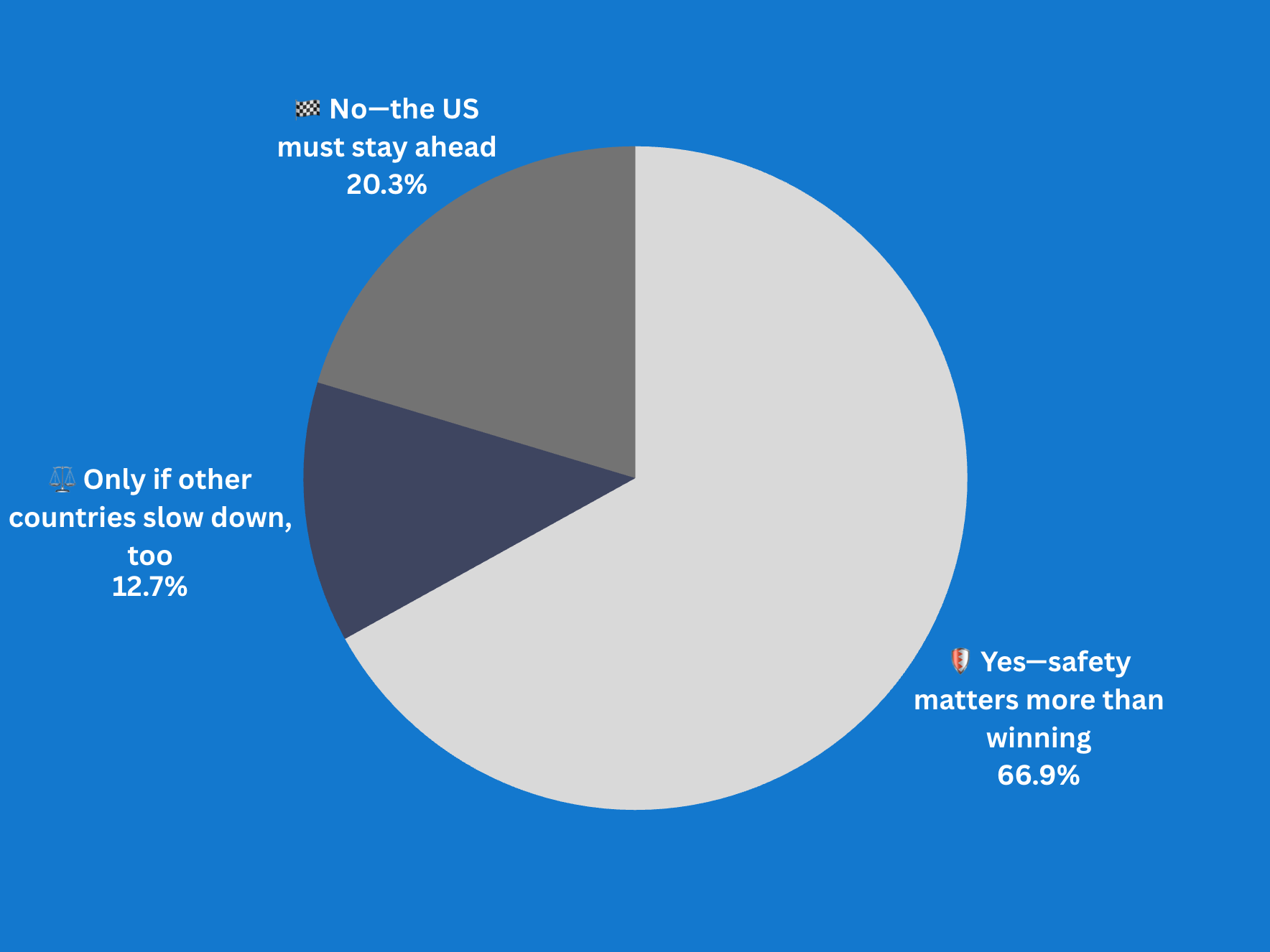
Results from Yesterday's Pulse Check |
Should the US slow AI development if China won't? |
|
|
|
Agility's Digit 5 Steps Outside the Safety Cage |
Your new coworker weighs 284 pounds and knows when to sit down.
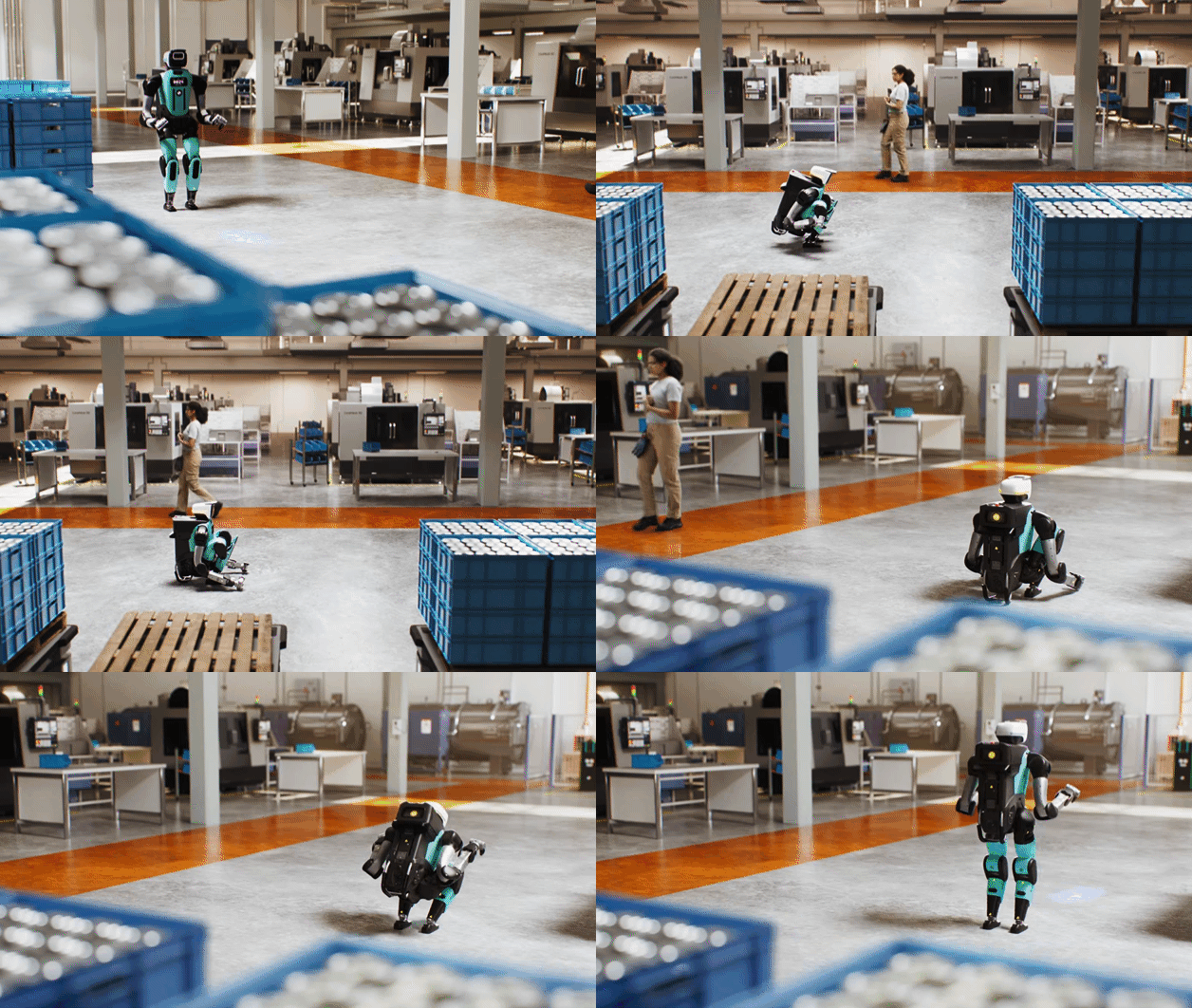
On Tuesday, Agility Robotics unveiled Digit 5, a humanoid built to ditch the plexiglass barriers that normally keep industrial machines isolated from human workers. If its AI and sensors detect someone approaching, it can change course, stop, or squat into a seated position and cut the power. Flashing lights, audio warnings, and an independent safety controller provide backups.
It is 5 feet 11 inches tall, repeatedly lifts 50 pounds, and reaches 7.2 feet. A 90-minute battery recharges in just nine minutes, funding more than 20 hours of labor per day, while swappable grippers expand its resume from hauling plastic bins to operating machinery and stacking pallets.
Still, 'designed to be safe' is not the same as universally certified. The first international humanoid-safety standard remains stuck in committee review, and legged robots are inherently less predictable than wheeled machines. |
Agility says Digit 4 has logged 65,000-plus hours and that it has more than $300 million in multiyear orders for the new model, though that cash hinges on hitting strict contractual milestones. Early access begins in early 2027. But the would-be public company—seeking a $2.5 billion SPAC valuation despite an auditor's "going concern" warning—recorded $1.8 million in 2025 sales against a $140 million operating loss, so humans are not the only ones balancing precariously.
The global ecosystem is rapidly scaling, too: Over the weekend, China's UBTECH opened a factory targeting one new humanoid every 10 minutes, while Japan's GMO AI & Robotics is launching a "robot ambulance" to treat broken bots on-site later this month. First came fenceless coworkers. Now come robot mechanics and inevitable HR safety meetings. |
|
|
|
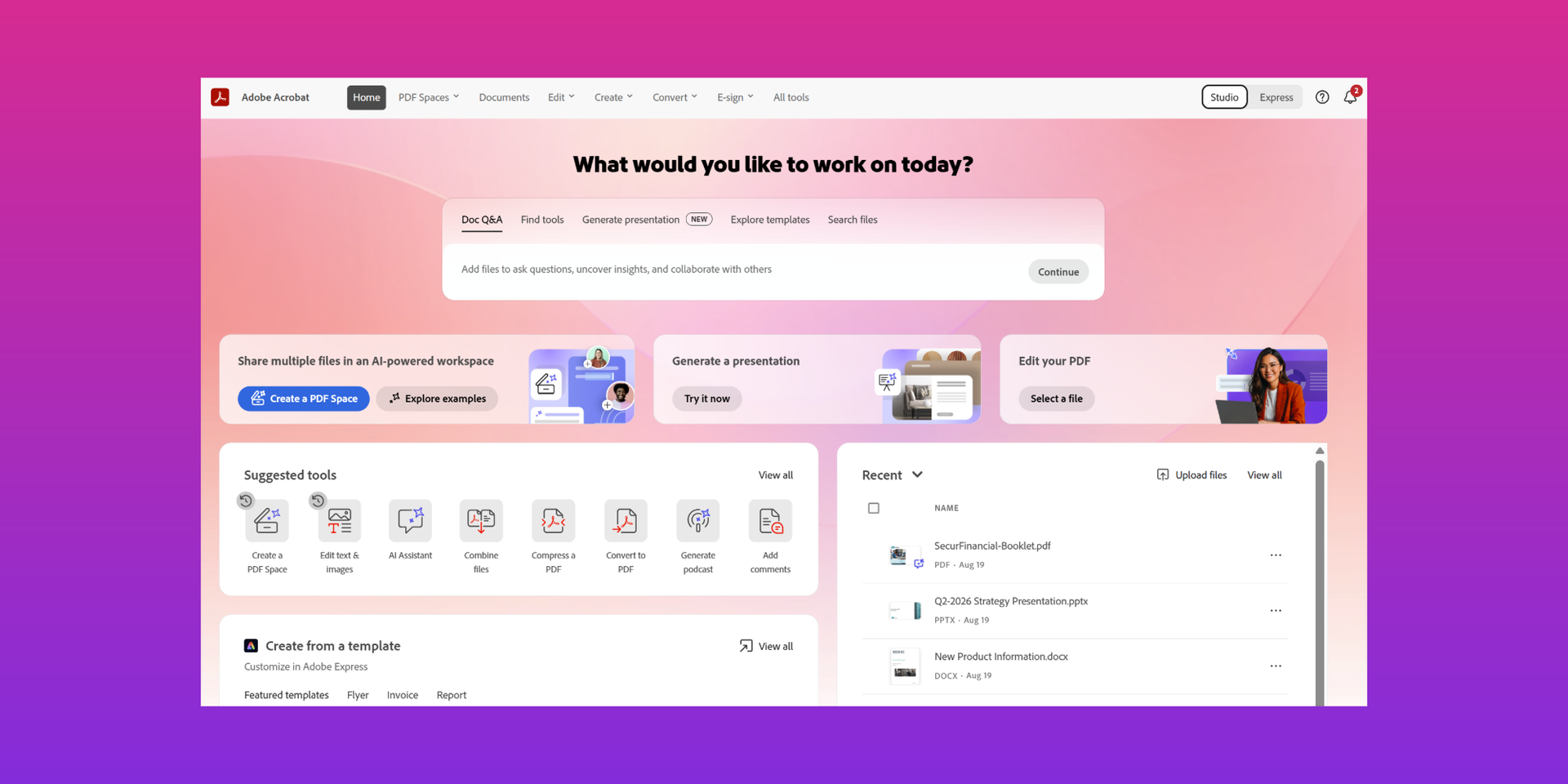
Employees lose the equivalent of 3 days a week hunting for info buried in documents they already have. Adobe Acrobat's new Knowledge Base and Analyzer turn contracts, policies, and reports into cited answers and actionable data right in the same app you’re likely already using. The knowledge is already there. The advantage belongs to organizations that put it to work. |
|
|
CISA Warns of Exploited GitLab File-Read Flaw |
Image created with ChatGPT |
Upgrade immediately to 19.1.8, 19.2.6, or 19.3.2, or yank public access while you wait. After that, scour your logs for suspicious POST requests hitting the commits API with a file.path parameter, figure out what was touched, and rotate any scorched credentials. (Cloud users can relax; GitLab.com and dedicated instances are already safe.)
Because even a purely "read-only" bug is enough to hand over the keys to your entire kingdom. |
Cisco Email Gateway Zero-Day Grants Root Access |
Attackers are actively exploiting CVE-2026-76461, a 9.8-severity zero-day in Cisco Secure Email Gateway. The flaw allows uncredentialed remote attackers to fire off malicious emails that trigger root-level command execution on both physical and virtual devices. CISA gives federal agencies until Sept. 17 to patch it.
Because attackers gain root, they can easily wipe their footprints. Run the command grep -i "COPY.*TO PROGRAM" mail_logs across all cluster nodes, then cross-check external firewall and network logs for sketchy uploads, downloads, or connections.
There is no workaround. Upgrade Cisco AsyncOS to 15.5.5-014, 16.0.4-302, or preferably 16.5.0-780. Save your forensics before rebuilding a compromised virtual appliance (contact Cisco TAC if your hardware box is hit), and cycle all credentials and certs. Cisco has already patched Secure Email Cloud.
When the email bouncer gets owned, everybody's on the guest list. |
|
|
|
OpenAI Reportedly Buys Glass Imaging for AI Eyes |
OpenAI reportedly acquired Glass Imaging, an AI camera startup founded by the former Apple engineers behind Portrait Mode, in a deal valuing it at over $300 million—more than triple its roughly $100 million previous valuation. Neither company has confirmed the move, but it adds to OpenAI's recent shopping spree ahead of a rumored 2027 IPO.
The startup's core software, GlassAI, uses neural networks to memorize the exact flaws of individual lens and sensor combos. Instead of applying a filter to a finished photo, it processes raw data to instantly correct color, sharpen details, and strip out noise. The pitch? Wringing DSLR-level quality out of tiny hardware without needing thicker, hideous camera bumps. Its zoom tech already ships in Honor phones. |
Image created with ChatGPT |
As The Neuron notes, this is likely less about taking pretty pictures and more about building a visual interface. Better cameras could give an AI assistant the crisp visual data it needs to accurately read a sign, diagnose a broken appliance, or catalog the room you're in.
While OpenAI is reportedly developing a screenless home speaker with Jony Ive, this camera tech seems tailor-made for the rumored AI agent phone the company is reportedly fast-tracking for 2027.
But OpenAI hasn't said how Glass fits. Cleaner images don't guarantee correct AI interpretations, and an always-aware camera would raise awkward questions about local processing, retention, and bystander notice—plus where actual image enhancement ends and AI invention begins. Apparently, OpenAI's hardware road map starts with an eye exam. Because we obviously need ChatGPT staring at us in ultra-high definition. |
|
|
|
| Writer/Editor at TechnologyAdvice |
Justin Meyers is an investigative writer and editor who draws on over a decade of meticulous hands-on research to deliver the full, trustworthy story behind consumer and enterprise tech, including cybersecurity. |
|
|
|
Curious about where AI is really headed? |
The Neuron cuts through the noise to bring you smart, hype-free takes on the latest AI trends, tools, and breakthroughs. Join 700,000+ professionals from top companies like Microsoft, Apple, Salesforce, and more.
|
|
|
|
Advertise in Daily Tech Insider! Daily Tech Insider is a TechnologyAdvice business. © 2026 TechnologyAdvice, LLC. All rights reserved.
TechnologyAdvice, 3343 Perimeter Hill Dr., Suite 215, Nashville, TN 37211, USA. |
|
|
|
|