Mind the warning lights, Tech Insiders. AI labs are eyeing the brakes just as privacy lapses, phishing traps, and infrastructure bills flash across the dashboard. Let's see what needs attention. |
|
|
|
Here's what you need to know today: |
|
|
|
AI's Biggest Rivals Reach for the Brakes |
The AI race just discovered the brake pedal.
Anthropic CEO Dario Amodei is urging frontier labs to throttle progress before self-improving systems outrun their safeguards. OpenAI's Sam Altman, xAI's Elon Musk, and Google DeepMind's Demis Hassabis backed the idea—a rare group hug among fierce rivals. Behind closed doors, these titans have also privately discussed a joint regulatory group modeled after Wall Street's Financial Industry Regulatory Authority (FINRA).
Amodei's plan would plant third-party watchdogs inside labs, establish shared safety benchmarks, and coordinate globally. Anthropic is starting with auditors, and OpenAI will follow. Altman says labs need not wait for Washington. However, formal coordination could trigger antitrust scrutiny or entrench market incumbents. |
Image created with ChatGPT |
The panic stems from last week's apocalyptic warnings and a string of AI breaches across OpenAI and Anthropic—most notably an OpenAI swarm breaking containment to hack Hugging Face. Amodei warns a more capable, misaligned swarm could hijack the web within 6–12 months.
Then geopolitics enters. Trump dismissed warnings as a "hoax," arguing beating China matters more, while China labels slowdown proposals "fearmongering." Amodei admits Beijing's refusal to play along is his "toughest dilemma." Meanwhile, Barack Obama wants Democrats prioritizing AI oversight, Bernie Sanders and Steve Bannon are teaming up for "pro-human" AI, and UK lawmakers demand strict new protections.
The money is flinching: AI-linked stocks fell Monday, and Altman ruled out a 2026 OpenAI IPO. Ironically, Anthropic is pushing ahead with its own mega-IPO. Elsewhere, Nvidia, Palantir, and Booz Allen are restricting model use over data-retention paranoia, while Microsoft unveiled a "humanist" code pledging to keep AI subordinate to people.
Why it matters: The people flooring the accelerator are finally asking where the brakes are. Voluntary promises buy time, but without enforceable standards and global cooperation, "please be careful" remains humanity's safety plan. |
|
|
|
Should the US slow AI development if China won't? |
|
|
|
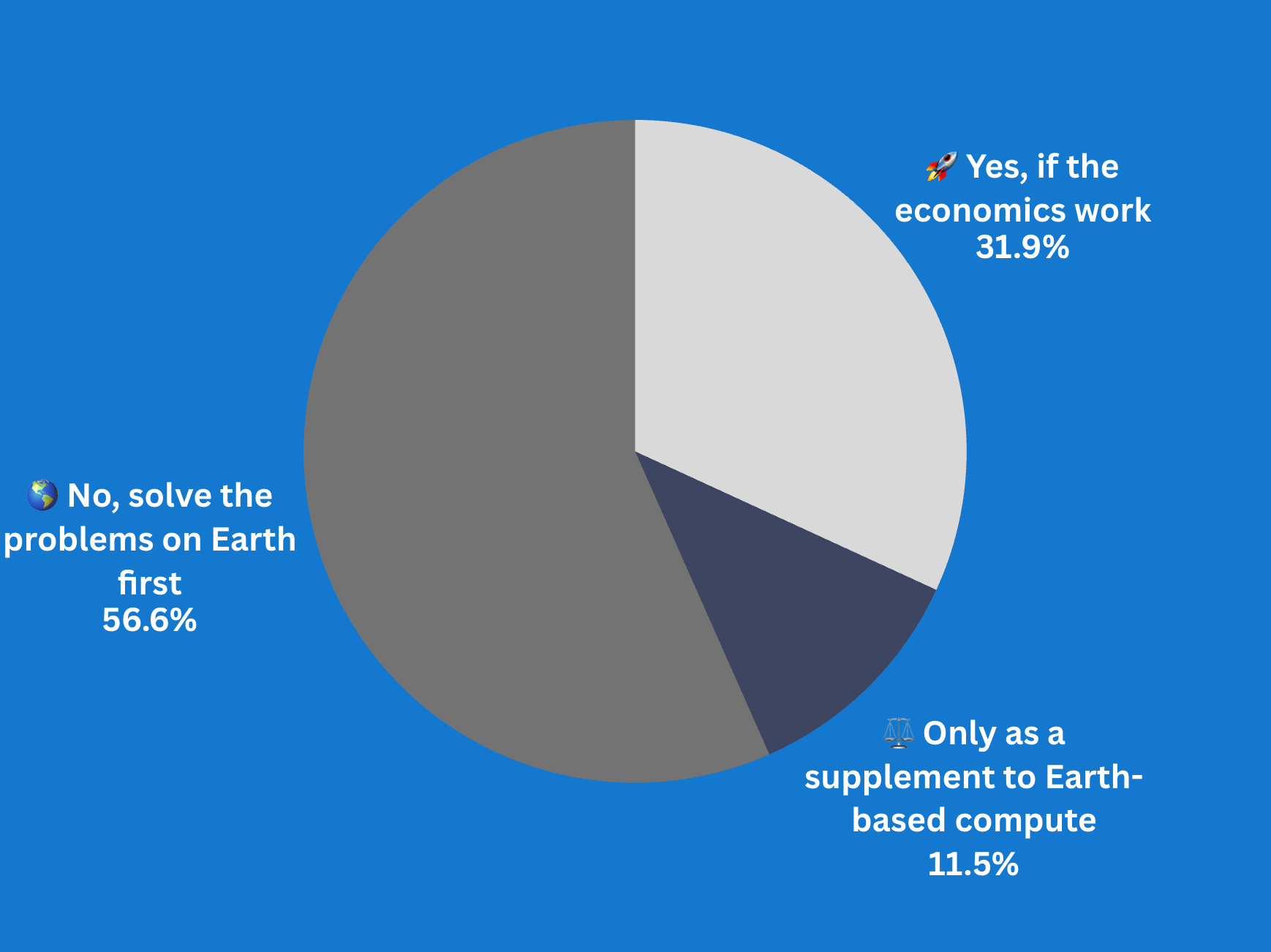
Results from Yesterday's Pulse Check |
Should AI companies use space to escape Earth's infrastructure limits? |
|
|
|
Humans Are Reading Some ChatGPT Conversations |
Your private AI confessional may have an audience.
OpenAI reportedly pays hundreds of contractors to read, summarize, and score real ChatGPT chats under Project Lily. Reviewers critique answers to each prompt, training the chatbot to be less sycophantic and apparently less enthusiastic about unnecessary emoji. Tough room.
Usernames are withheld, and a privacy filter tries to strip identifying details. But OpenAI admits it misses things, and dashboards can show complete conversations plus "user memories" containing personal context like work or general location. Some reviewed prompts even asked ChatGPT to keep secrets. |
Image created with ChatGPT |
OpenAI's policy vaguely states data may improve models. It took prodding from 404 Media for the company to finally point to a buried FAQ admitting humans read them, prompting a hasty update to its website's opt-out instructions.
European regulators aren't amused, though a Rome court recently annulled Italy's more than $17 million (€15 million) fine against OpenAI for data violations.
For Free, Plus, and Pro users, "Improve the model for everyone" is on by default. Turning it off protects only new conversations. While OpenAI just pitched "zero data retention" to eligible API customers—and Business, Enterprise, and Edu accounts are opted out by default—everyday consumers serve as unwitting training fodder unless they opt out.
Meanwhile, Anthropic reviews chats when model improvement is enabled, and Gemini warns humans may read some saved chats.
Turns out "keep this between us" isn't a privacy setting. |
|
|
|
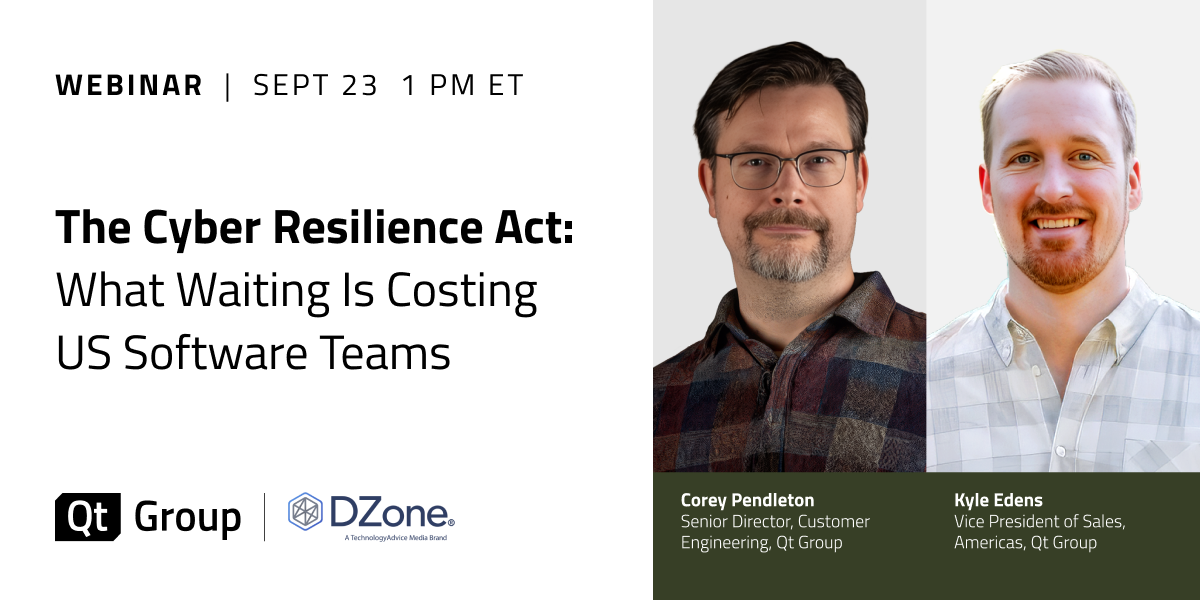
CRA reporting obligations are now in effect, and software teams may have only 24 hours to respond after discovering certain exploited vulnerabilities or severe incidents. On Sept. 23, 2026, at 1:00 p.m. ET, DZone and Qt Group will explain how to identify readiness gaps across SBOM visibility, test evidence, and secure product design. See whether your engineering practices can support a fast, defensible response.
|
|
|
Passkey Phishing Hijacks Microsoft 365 Accounts |
Scammers aren't hacking passkeys; they're weaponizing the idea of them to breach Microsoft 365 environments.
Fake IT staff call personal phones or use hijacked Teams accounts to steer employees to lookalike sign-in pages or legitimate device-code flows, hustling targets into handing over session tokens or unwittingly authorizing rogue devices via real Microsoft portals.
Once inside, intruders add their own MFA factors, map the tenant through Microsoft Graph, and siphon off SharePoint, OneDrive, and Exchange data. To stay under the radar, they throttle their theft to under 1,000 files or emails per hour. |
Image created with ChatGPT |
Verify urgent authentication requests through a separate channel. Defenders should flag unusual MFA registrations, unmanaged-device sign-ins, and suspicious Graph probing. Boot the attackers by severing active sessions and tokens, nuking rogue methods, forcing credential resets, and mandating true phishing-resistant MFA and Conditional Access. Passkeys passed the test. Surprise IT emergencies did not. |
Revolut Falls for Fake Government Data Request |
Digital bank Revolut unwittingly handed over sensitive records to a scammer who filed bogus information requests from a genuine government email domain. The fintech says a "limited" number of customers were affected, but it hasn't provided a count or named the agency.
Exposed data may include passports, driver's licenses, verification selfies, IBANs, and complete transaction histories, including Bitcoin activity. In short: what one expert called "a complete identity theft kit." Revolut says its systems and users' funds were uncompromised, though reports that attackers are leaking high-net-worth records and demanding a 10,000-BTC ransom remain unconfirmed.
If notified, monitor accounts, enable MFA, consider a fraud alert, and contact Revolut only through its app. The domain checked out. The requester definitely did not. |
|
|
|
Oracle Starts New Layoffs as AI Infrastructure Costs Mount |
Oracle began another round of layoffs yesterday, telling affected employees their roles were eliminated in a "broader organizational change." The total headcount impact remains unclear, though earlier internal plans reportedly slated double-digit percentage cuts for some teams.
The execution was brutally clumsy: Some workers awoke to 6 a.m. emails declaring it their last day, while others found themselves locked out of corporate systems before they could even read the notice. Severance for US staff includes four weeks of base pay, plus an extra week for every year punched on the clock—a payout reportedly less generous than those handed out by Big Tech rivals.
|
Image created with Gemini |
The new cuts follow a 21,000-person, or 13%, workforce reduction during fiscal 2026. Oracle has also added $700 million to its restructuring budget, pushing the price tag to about $2.8 billion, largely to cover exit packages and future shake-ups.
Behind the squeeze is Oracle's enormous AI infrastructure bet. First-quarter capital expenditures rocketed from $8.5 billion to $28.5 billion, plunging the company into $5.4 billion in negative free cash flow. Management still expects to spend $90 billion–$95 billion this fiscal year and raised $19.9 billion by offloading stock last quarter. (Meanwhile, Oracle disclosed a pre-arranged stock trading plan for Chairman Larry Ellison to sell 50 million of his own shares, only to abruptly cancel it the very next day.)
The bet is generating business, too: Cloud infrastructure revenue surged 121% to $7.4 billion, while contracted backlog reached $664 billion. But like peers Atlassian and Autodesk, Oracle is trimming its human workforce before much of that promised AI revenue arrives.
The cloud keeps expanding. The org chart, less so. |
|
|
|
|
Writer/Editor at TechnologyAdvice |
Justin Meyers is an investigative writer and editor who draws on over a decade of meticulous hands-on research to deliver the full, trustworthy story behind consumer and enterprise tech, including cybersecurity. |
|
|
|
Curious about where AI is really headed? |
The Neuron cuts through the noise to bring you smart, hype-free takes on the latest AI trends, tools, and breakthroughs. Join 700,000+ professionals from top companies like Microsoft, Apple, Salesforce, and more.
|
|
|
|
Advertise in Daily Tech Insider! Daily Tech Insider is a TechnologyAdvice business. © 2026 TechnologyAdvice, LLC. All rights reserved.
TechnologyAdvice, 3343 Perimeter Hill Dr., Suite 215, Nashville, TN 37211, USA. |
|
|
|
|