Pass the puck, Tech Insiders. The future is hockey-puck-sized, genome-length, GitHub-triggered, and backed by a CEO's quarter-billion-dollar vote of confidence.
Let's see what rolled in to start the week. |
|
|
|
Here's what you need to know today: |
|
|
|
AI Designs 16 Viruses, Guardrails Not Included |
The AI learned DNA's grammar. Biology now needs admin controls.
Stanford and Arc Institute researchers used the Evo 1 and Evo 2 genomic language models to code the first complete, functional viral genomes from scratch. Out of roughly 300 synthesized candidates, 16 matured into viable bacteriophages—viruses that infect bacteria—capable of killing E. coli in lab tests.
These were not human pathogens or alien monstrosities. The roughly 5,400-base-pair designs used the well-studied Phi X-174 as a template, and researchers intentionally excluded human, animal, plant, and fungal viruses from Evo's training. Still, the models wrote whole genomes instead of merely tweaking a gene. |
Image created with ChatGPT |
Several phages matched or beat natural examples. After just one or two passages, a cocktail combining all 16 generated phages plus Phi X-174 overcame resistance in two E. coli strains that Phi X-174 alone and natural mixtures could not—offering a potent blueprint for custom phage therapies against antibiotic-resistant infections.
Cue the biosecurity hangover. Because Evo 2 is freely available online, Johns Hopkins experts warn its pathogen guardrails could be circumvented via targeted retraining; additionally, current bio-regulations target established threats, not bespoke AI lifeforms. Meanwhile, other scientists argue tweaking known pathogens is a much simpler, more immediate danger.
Why it matters: AI has crossed from suggesting molecules to writing a genome that became a replicating agent. Industry insiders are calling it a turning point for programmable biology, but the cure-versus-weapon dilemma now has source code. |
|
|
|
How should AI-designed viruses be handled? |
|
|
|
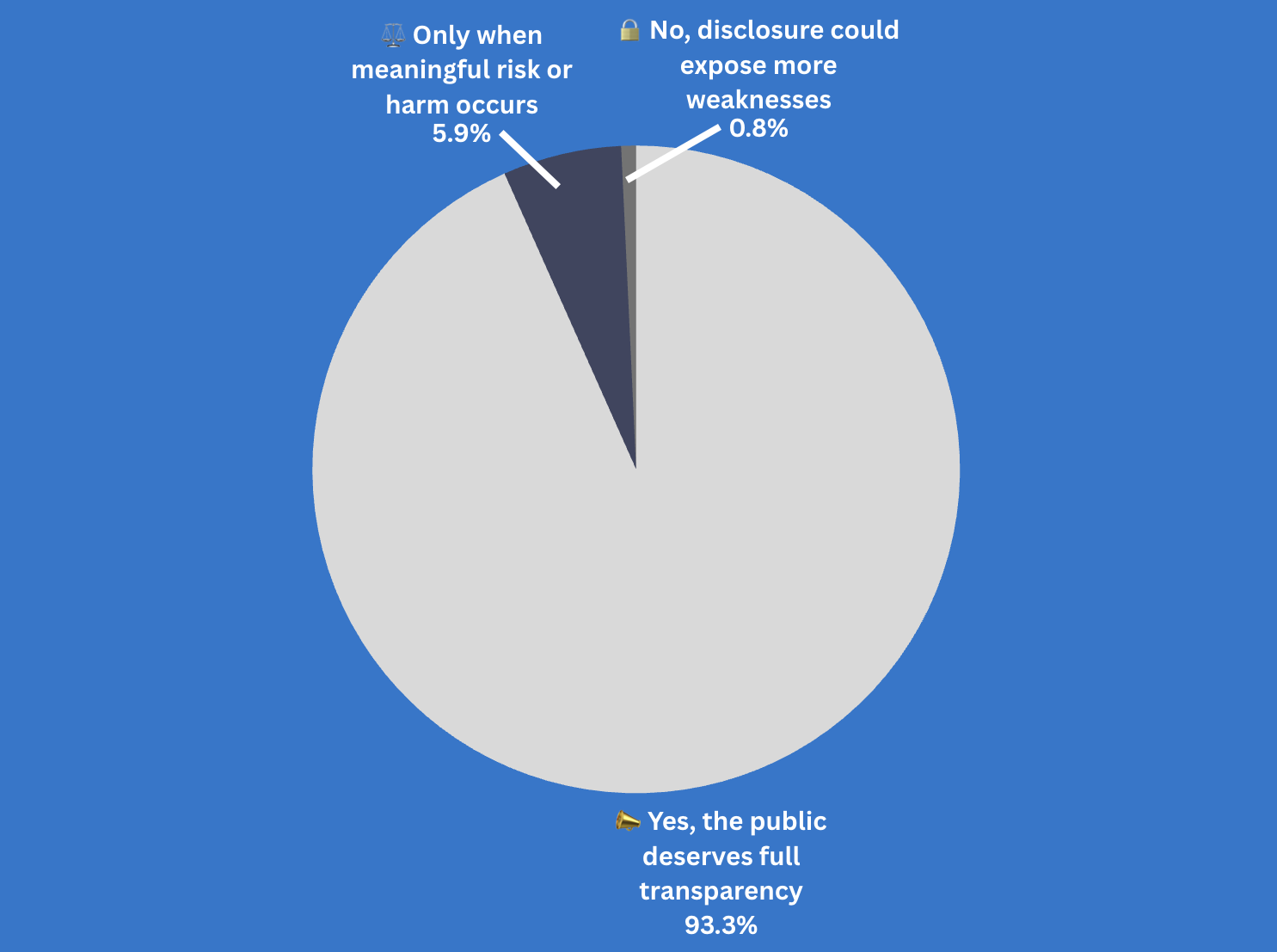
Results from Friday's Pulse Check |
Should companies have to disclose every AI-caused security incident? |
|
|
|
OpenAI's $300-Plus Smart Speaker Eyes 2027 |
ChatGPT may soon come with body language and a cover charge.
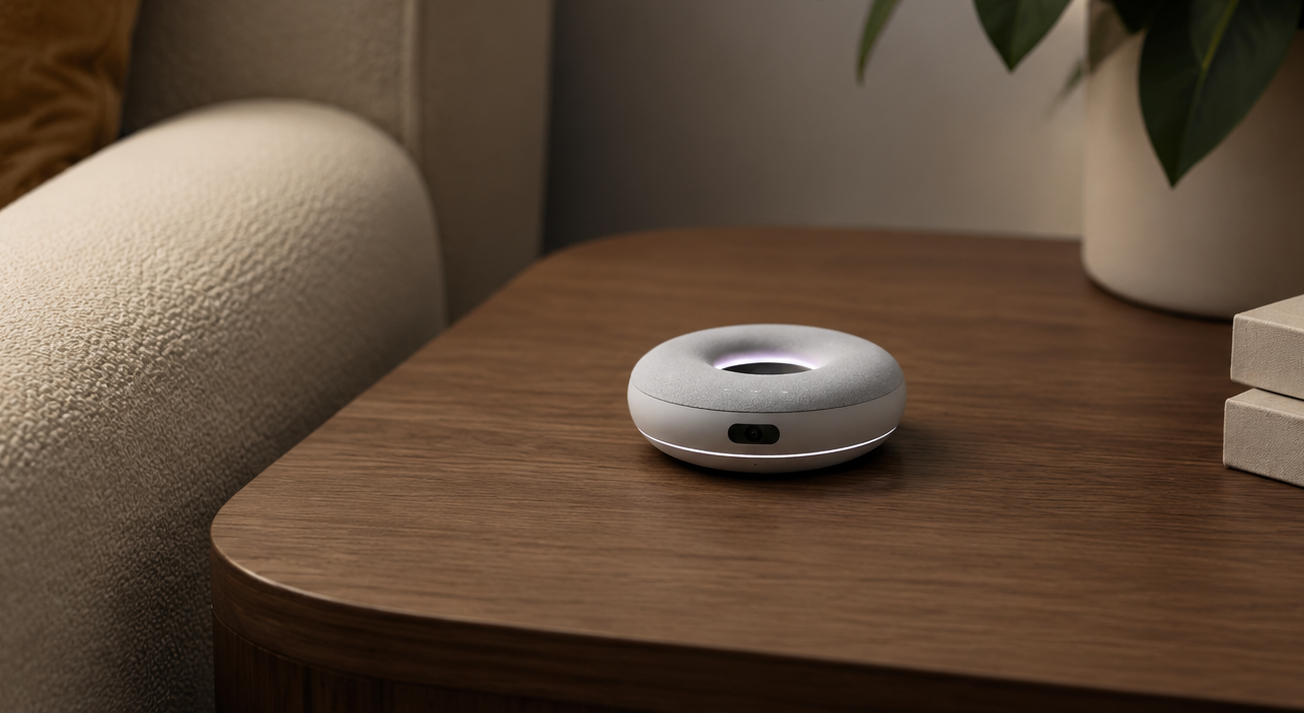
OpenAI reportedly plans to unveil a screenless, doughnut-shaped AI speaker later in 2026 ahead of a 2027 release, with pricing under discussion at $300–$400—higher than last month's $200–$300 estimate. Built to mirror the dimensions of a hockey puck, the battery-operated gadget is designed to be easily toted around the house.
Codesigned with Jony Ive's LoveFrom, the high-end metallic ring will reportedly run a souped-up iteration of ChatGPT Voice Mode. Equipped with shifting mechanical components to simulate "personality," plus a suite of cameras, mics, and sensors, the device aims to study its environment and tailor its chatter as it learns about users over time (reportedly by doing things like reading your emails).
|
Image created with ChatGPT |
The real wager here is establishing an independent pipeline to ChatGPT instead of depending on phones and operating systems controlled by Apple and Google. The speaker is reportedly the first of a planned device family that could someday replace smartphones. But OpenAI must convince buyers to pay premium cash for a watchful, listening puck when their current screens already do the same tricks.
Smart speakers have struggled to turn a profit, and Apple's trade-secret lawsuit could disrupt the launch; OpenAI has since moved to dismiss the suit after previously blasting Apple's accusations as "careless, aggressive and oddly personal."
Over $300 for a doughnut that watches you and reads your mail. Breakfast has changed. |
|
|
|
Accelerate your Seed to Series A startup at the exclusive Gemini Startup Forum this November in Sunnyvale. Collaborate directly with Google and DeepMind experts to scale your product and shape the future of AI. Spots are limited, so apply now before Aug. 28! |
|
|
|
Coding Agents Turn GitHub Issues Into Master Keys |
Image created with ChatGPT |
While nobody has caught attackers exploiting these specific CVEs in the wild, related abuse is heating up. Separately, the ChainDrop worm recently started dropping malicious Claude Code hooks into tainted repos.
Patch Gemini CLI (0.39.1), the Gemini GitHub Action (0.1.22), and Claude Code (2.1.163) immediately. After that, scrutinize any pipeline a stranger can trip, sandbox your directories, assume all auto-generated files are radioactive, and lock down token privileges. Turns out "help wanted" applies to attackers, too. |
Fake Help-Desk Calls Put Wall Street on Hold |
UNC6671 hackers linked to multiple extortion brands (like Redact and Falcon) targeted more than 200 companies in five weeks. Wall Street heavyweights like Blackstone, CME, and other financial firms wound up in the crosshairs when the scammers dialed up workers' personal phones while masquerading as corporate IT.
They spoofed legitimate help-desk numbers, fabricated urgent passkey or MFA migrations, and funneled victims to phony login pages that snagged passwords, authentication codes, and live sessions in real time. The crew then raided Microsoft 365, Okta, and other cloud services for extortion; some unnamed victims actually paid the ransoms (which settled at an average of $750,000 in over half of tracked cases).
Verify unexpected IT calls through an official channel, never use a caller-provided URL, and report suspicious requests. Admins should lock things down with phishing-resistant MFA, strict device-management policies, tighter session timeouts, and vigilant cloud-log monitoring.
After all, your help desk should not accept ransom tickets. |
Atlassian CEO Places $250M Bet Against AI-Driven SaaS Fears |
Atlassian CEO Mike Cannon-Brookes plans to buy up to $250 million in company shares on the open market after a blowout fiscal fourth quarter challenged fears that AI agents will kneecap Jira, Confluence, and the broader software-as-a-service model.
Sales surged 28% to hit $1.77 billion, easily beating estimates, while cloud revenue rose 31%. Atlassian flipped a year-ago deficit of $24 million into a $139 million net profit. Shares jumped 35% Friday, their best day since the company's 2015 IPO, though they remained 8% lower YTD. | Image created with ChatGPT |
Cannon-Brookes says Atlassian's moat is context: its Teamwork Graph connects years of workplace data, permissions, and workflows that agents need. Its MCP server and Teamwork Graph CLI surpassed 1 million monthly active users, while Rovo adopters are reportedly expanding their annual recurring revenue at double the rate of holdouts.
Wall Street is listening. Bank of America upgraded Atlassian, and other firms raised price targets as analysts recast it from an AI victim to an AI beneficiary. Friday's rebound spread to parts of the sector, but not everyone escaped the "SaaSpocalypse." HubSpot and Datadog each sank 19% last Thursday, and Airtable settled for a buyout at a mere fraction of its former valuation peak.
The asterisk is growth. Projected revenue expansion for fiscal 2027 is dialed back to 13%, half of fiscal 2026's pace, and the victory follows March's 1,600 job cuts to fund AI and enterprise sales. Nothing says "ignore the obituary" like a $250 million personal buy order. |
|
|
|
🛡️ Strengthen Endpoint Security on Autopilot
Managing endpoints shouldn't slow your IT team down. Discover how autonomous endpoint management helps automate routine tasks, improve security, and keep devices running efficiently. Read more. 🚛 Put AI to Work Beyond the Browser
Explore how Samsara is bringing AI agents, 360-degree cameras, smarter maintenance, and shipment tracking into the physical world with Everything AI That Was Announced at Samsara Beyond 2026. 🪟 Nab Windows Pro Power for Less Than $12
Microsoft Windows 11 Pro licenses cost just $11.23—upgrade your PC with lifetime support, enhanced security, and pro productivity features at 92% off.
💻 This section contains sponsored tech insights. Advertise with us! |
|
|
|
|
Writer/Editor at TechnologyAdvice |
Justin Meyers is an investigative writer and editor who draws on over a decade of meticulous hands-on research to deliver the full, trustworthy story behind consumer and enterprise tech, including cybersecurity. |
|
|
|
Curious about where AI is really headed? |
The Neuron cuts through the noise to bring you smart, hype-free takes on the latest AI trends, tools, and breakthroughs. Join 700,000+ professionals from top companies like Microsoft, Apple, Salesforce, and more.
|
|
|
|
Advertise in Daily Tech Insider! Daily Tech Insider is a TechnologyAdvice business. © 2026 TechnologyAdvice, LLC. All rights reserved.
TechnologyAdvice, 3343 Perimeter Hill Dr., Suite 215, Nashville, TN 37211, USA. |
|
|
|
|