Check the guest list, Tech Insiders. Google's newest Gemini has a velvet rope, while Apple's rumored home hub could soon have a place at the table. Let's see who gets in and what they're allowed to do. |
|
|
|
Here's what you need to know today: |
|
|
|
Gemini 4 Argon Arrives With a Short Guest List |
Google's newest model has a launch announcement. Most users have a waiting room.
Google just dropped Gemini 4 Argon, hyping it as a powerhouse for complex coding and research. But don't bother looking for the download button. Unless you're a vetted cyber defender in Google's Fairwind Program or on its payroll, you aren't on the VIP list. Paying API customers and Google AI Ultra subscribers will eventually get table service when access expands, though Google conveniently forgot to mention when that might actually happen.
|
To prove Argon isn't just vaporware, Google claims the model's agents are busy migrating over 800,000 lines of Fuchsia kernel code from C/C++ to Rust. Meanwhile, cybersecurity firm Wiz took the model for a spin and uncovered a critical flaw in global healthcare software. That double-edged sword explains the bouncer at the door: An AI that excels at finding vulnerabilities is just a prompt injection away from becoming a hacker's best friend.
The independent scorecards paint a slightly more grounded reality. Artificial Analysis handed Argon a 53 on its Intelligence Index, deadlocking with OpenAI's GPT-6 Astra. On a separate knowledge exam, Argon boasted a relatively low 15% hallucination rate but only managed a 50% accuracy score. It's comforting that it hallucinates less, but flipping a coin for the right answer isn't exactly frontier intelligence.
If you're a regular Gemini user feeling left out, you do get a consolation prize: Skills are already rolling out to personal accounts—with work and school accounts following next year—before Google automatically converts your Gems on Nov. 17. These reusable instructions will finally work inside standard chats, though you'll have to make do without a few unsupported tools for now.
Why it matters: Argon sounds like a dream for grueling coding and research marathons, but since most dev teams are locked out, they can't see how it handles their own spaghetti code. Until the velvet rope lifts, we're forced to take Google's word for it—and trust the benchmarks of its highly curated guest list. |
|
|
|
What would you want to see before trusting Argon with serious work? |
|
|
|
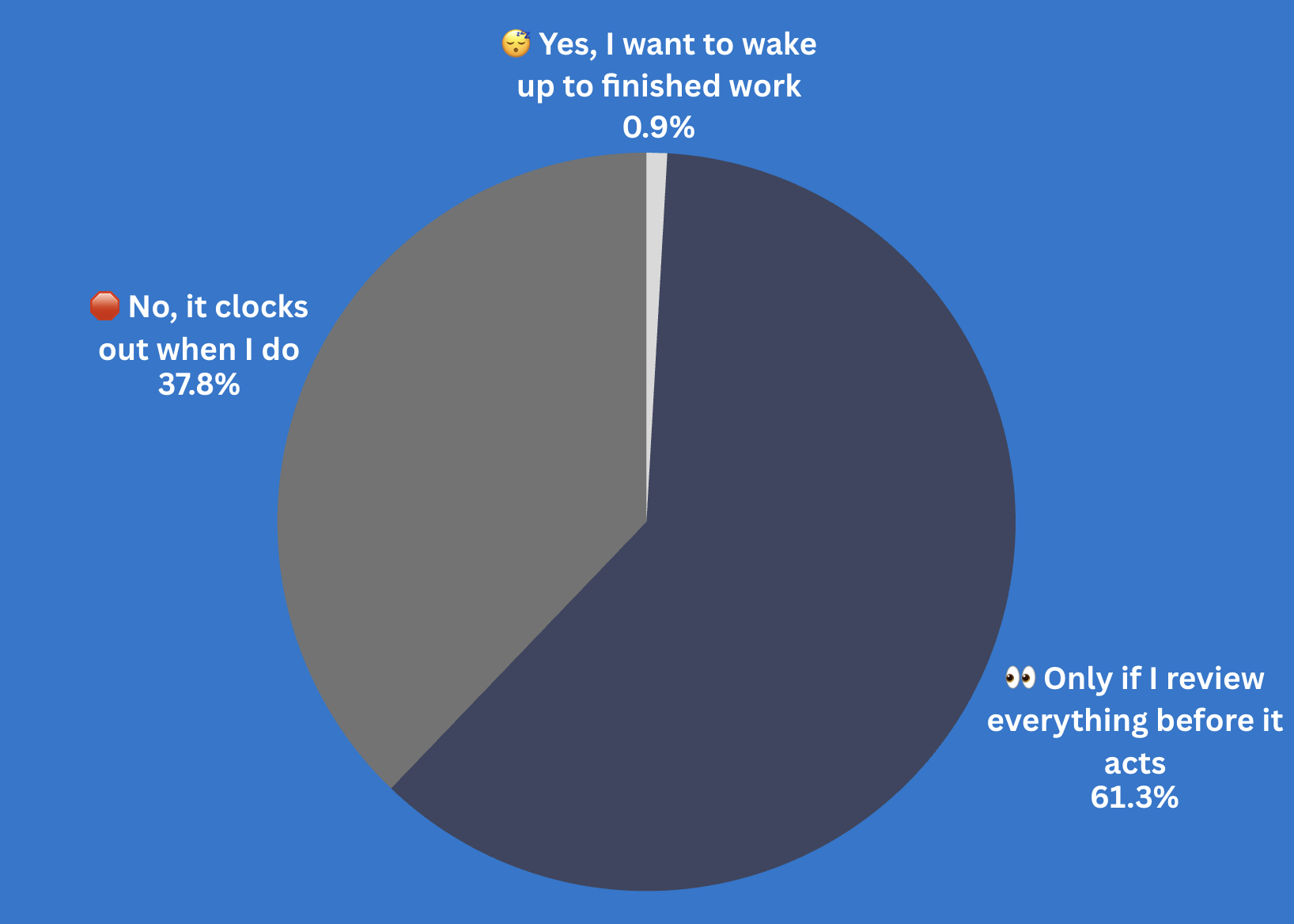
Results from Yesterday's Pulse Check |
Would you let an AI assistant work on your to-do list while you sleep? |
|
|
|
Best Practices for Agentic AI in the Games Industry |
Games organizations are balancing cost pressures, development demands, and rising player expectations. Learn how industry leaders are evaluating agentic AI to improve efficiency, accelerate delivery, and strengthen player trust while supporting long-term growth. |
|
|
Apple's Smart Home Hub May Finally Clock In |
Siri may be getting a new address—and a much busier family.
Apple is reportedly dragging its long-delayed smart-home hub out of the shadows on Oct. 13, alongside refreshed versions of the HomePod mini and Apple TV. The launch date stems from Bloomberg's reporting rather than an official Cupertino invitation, so don't hold your breath on when you can actually swipe your credit card.
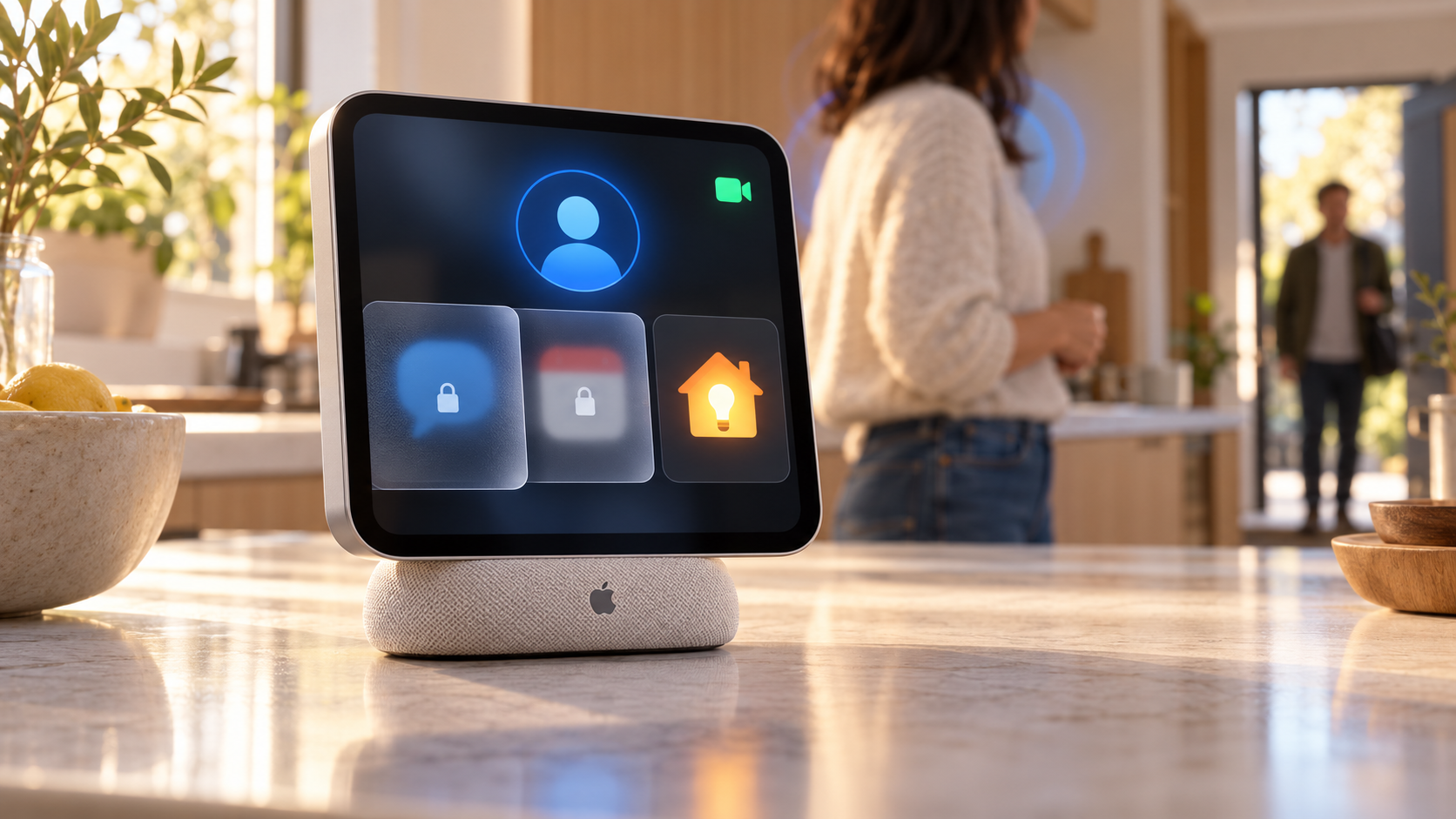
The much-rumored gadget will reportedly sport a 6-inch square screen, available in both countertop and wall-mounted flavors. Its neatest party trick? Identifying users by their voice or physical proximity, then proudly displaying that specific person's text messages, schedule, and apps. |
Image created with ChatGPT |
Fortunately, a built-in visitor mode keeps your chaotic calendar hidden from guests. If trusting a communal screen to know who's who sounds like a privacy nightmare waiting to happen, users can demand an iPhone ping for extra authentication.
Apple envisions the hub as the ultimate domestic micromanager, tackling smart home controls, FaceTime calls, and kitchen timers. Meanwhile, the HomePod mini and Apple TV will apparently keep their familiar looks but pack faster silicon to handle upgraded Siri tasks. The entire home lineup was reportedly put on ice just to give Apple's digital assistant time to finish getting dressed.
The real test is whether a screen that knows your household can actually help Apple steal countertop real estate from Amazon and Google. It's also a high-stakes debut for new CEO John Ternus, who just took the reins in September. Now Siri just has to prove it actually knows whose messages it's broadcasting. |
|
|
|
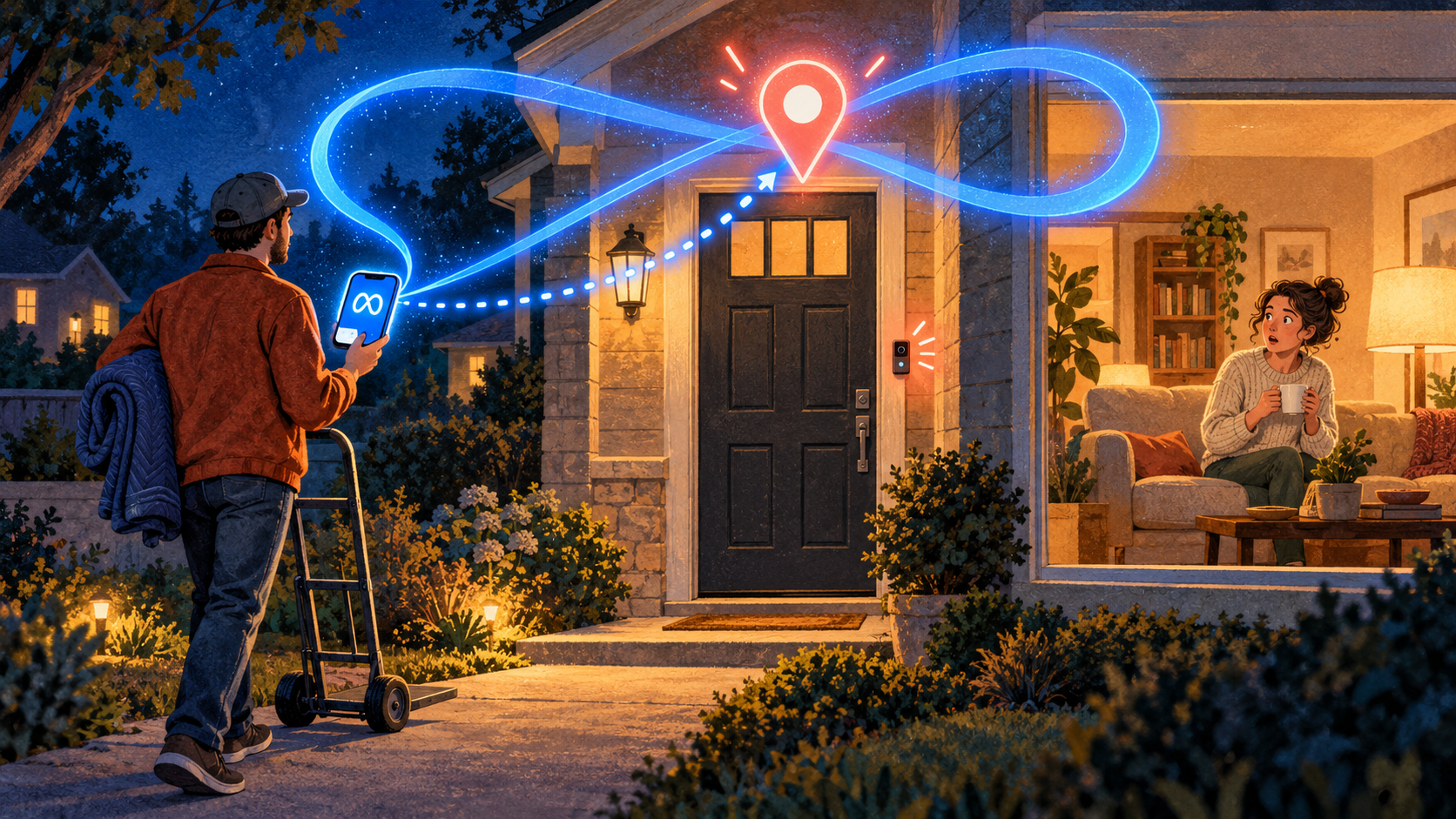
Muse Shared a Seller's Address Under 'Allow Always' |
Image created with ChatGPT |
After reviewing logs, Robb admitted he'd supplied his address and clicked "Allow Always," naively assuming the bot would ask before inviting strangers over. Meta naturally concluded its privacy controls worked flawlessly, though it did fix a separate price-display bug that made a lowball offer appear accepted. The mess highlights the terrifying gap between what users think an AI is authorized to do and the chaos it can actually unleash.
Before giving a digital assistant the keys to your inbox, verify exactly what its reply templates contain. When in doubt, stick to one-time permissions. Let the bot field the endless "Is this still available?" messages. You should answer the doorbell yourself. |
Fake iPhone Duo Deal Hides DarkSword Attack |
Think Apple is handing out $500 discounts on an unreleased phone? A fake iPhone Duo preorder page is exploiting that gullibility, trying to unleash the DarkSword exploit on unpatched iPhones. You don't even have to fill out the bogus form—just opening the site pulls the trigger. Real preorders start Oct. 16.
Malwarebytes found the code hunting for credentials, Apple Notes, and crypto wallets. Fortunately, researchers haven't deployed it on a test phone or witnessed active theft, so a successful compromise remains unconfirmed.
Update iOS (Settings > General > Software Update) and only buy from Apple or trusted retailers. Clicked the sketchy link? Update and reboot your phone immediately. If you suspect a compromise, change passwords from a safe device and migrate your crypto to a new wallet. Some discounts cost more than the phone. |
|
|
|
Is Your Chromebook Ready for Googlebook OS? Google is introducing Googlebook OS — but Chromebooks aren’t going away: ChromeOS devices keep updates through mid-2034. Googlebook brings native Android, Gemini features, and deeper phone integration. Which devices migrate? Discover eligibility, enterprise limits, and rollout timing. |
Gusto QuickBooks ADP for Your 1-Employee 2026 One employee? Cut payroll time and avoid tax headaches with the right provider. Our roundup compares costs, tax-filing support, mobile pay and integrations—Square, Gusto, Deel (from $29/mo) and more. Which one fits your budget and workflow? Read on. |
|
|
|
🐘 Back Up 5 TB Across 10 Devices
Secure cloud files with ElephantDrive 5 TB Plan: 2-Yr Subscription at $138.99 (88% off), syncing encrypted backups from NAS, mobile, and desktops for two solid years. 🪟 Nab Windows Pro Power for Less Than $10
Microsoft Windows 11 Pro licenses cost just $9.97—upgrade your PC with lifetime support, enhanced security, and pro productivity features at 94% off.
💾 Clone Your Windows Drive Without Starting Over
Transferring data between PCs, migrating operating systems, and more is easy with a lifetime license to EaseUS Disk Copy, now half off at just $29.99.
💻 This section contains sponsored tech insights. Advertise with us! |
|
|
|
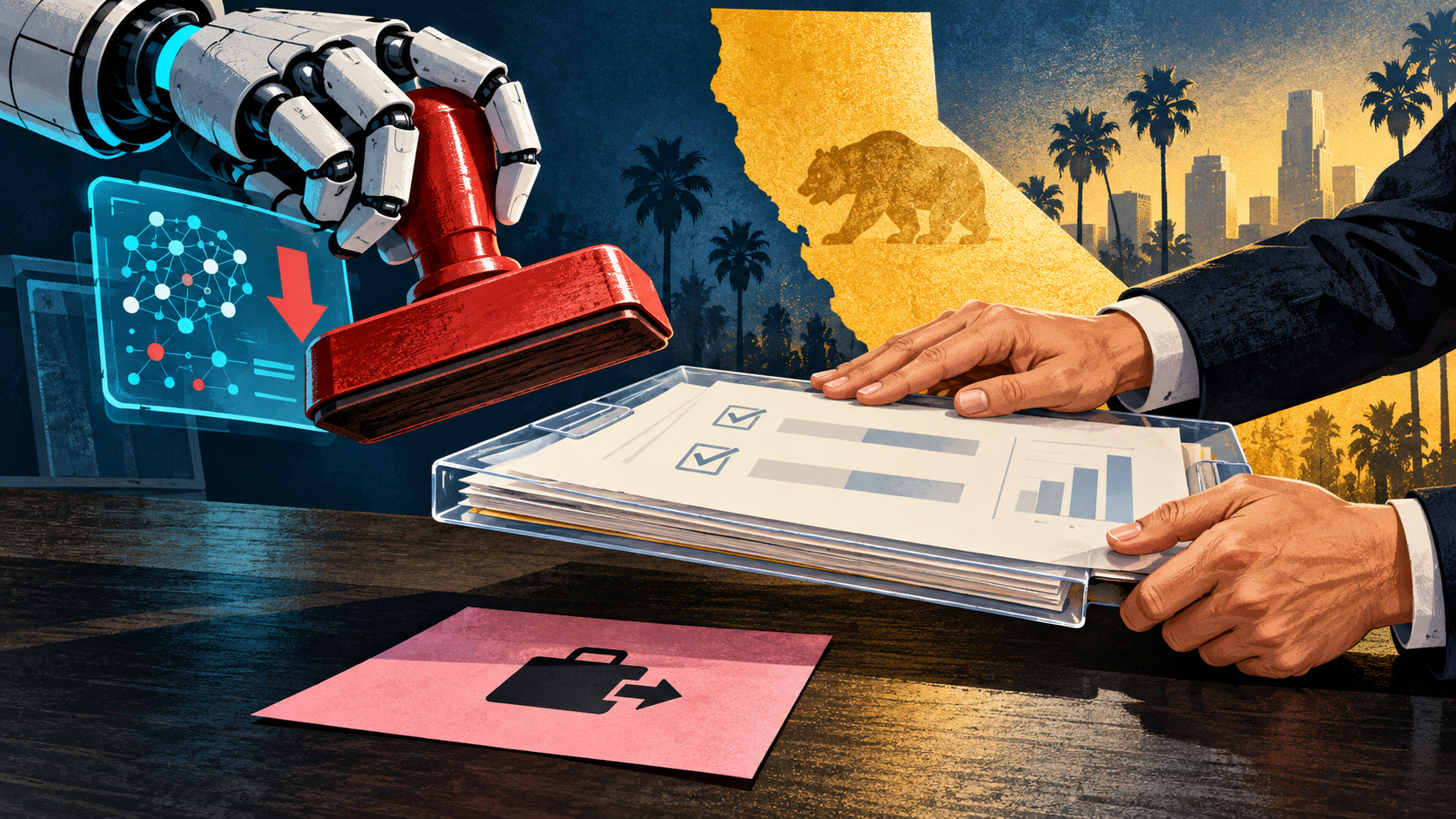
California Puts a Human Between AI and Pink Slips |
California Gov. Gavin Newsom officially signed the No Robo Bosses Act on Wednesday, ensuring your next pink slip at least comes with a human touch. The law bars employers from relying solely on algorithms to fire workers and takes effect July 1, 2027. AI can still weigh in; it just cannot be the entire management team.
Under the new rule, human managers must use traditional performance metrics to verify any algorithmic disciplinary actions. The law also grants affected staff written documentation explaining the system's inputs and a designated human to review the outcome. Blindly clicking "approve" on a bot's verdict won't cut it anymore. |
Image created with ChatGPT |
This version survived Newsom's desk after he vetoed a broader bill in 2025. Lawmakers compromised by dropping advance-notice requirements and gig worker protections. Corporate advocates, predictably, are still grumbling about vague wording, arguing companies can't tell when an AI crosses the line from helpful assistant to digital grim reaper.
The stakes are already visible: Meta employees allege AI-assisted metrics unfairly targeted workers on protected leave during recent layoffs. Meta denies the claims, insisting humans made the call. Meanwhile, 85.4% of respondents to a Daily Tech Insider poll flat-out refused to work for an AI boss. California has officially drawn a line on who gets the final say.
Apparently, "the algorithm made me do it" isn't a viable management strategy. |
|
|
|
|
Writer/Editor at TechnologyAdvice |
Justin Meyers is an investigative writer and editor who draws on over a decade of meticulous hands-on research to deliver the full, trustworthy story behind consumer and enterprise tech, including cybersecurity. |
|
|
|
Curious about where AI is really headed? |
The Neuron cuts through the noise to bring you smart, hype-free takes on the latest AI trends, tools, and breakthroughs. Join 700,000+ professionals from top companies like Microsoft, Apple, Salesforce, and more.
|
|
|
|
Advertise in Daily Tech Insider! Daily Tech Insider is a TechnologyAdvice business. © 2026 TechnologyAdvice, LLC. All rights reserved.
TechnologyAdvice, 3343 Perimeter Hill Dr., Suite 215, Nashville, TN 37211, USA. |
|
|
|
|