Do the homework, Tech Insiders.
Anthropic's warning needs context, Apple's home lineup needs a compatibility check, and Denmark's reported "123456" fiasco needs remedial password lessons. For your own next assignment, The Neuron Academy offers guided learning pathways for practical AI skills, from research to building agents. Because "I asked ChatGPT once" isn't much of a syllabus. Class is in session. Bring better passwords. |
|
|
|
Here's what you need to know today: |
|
|
|
Anthropic Conjures Another Threat That Doesn't Exist Yet |
The AI apocalypse is apparently still buffering.
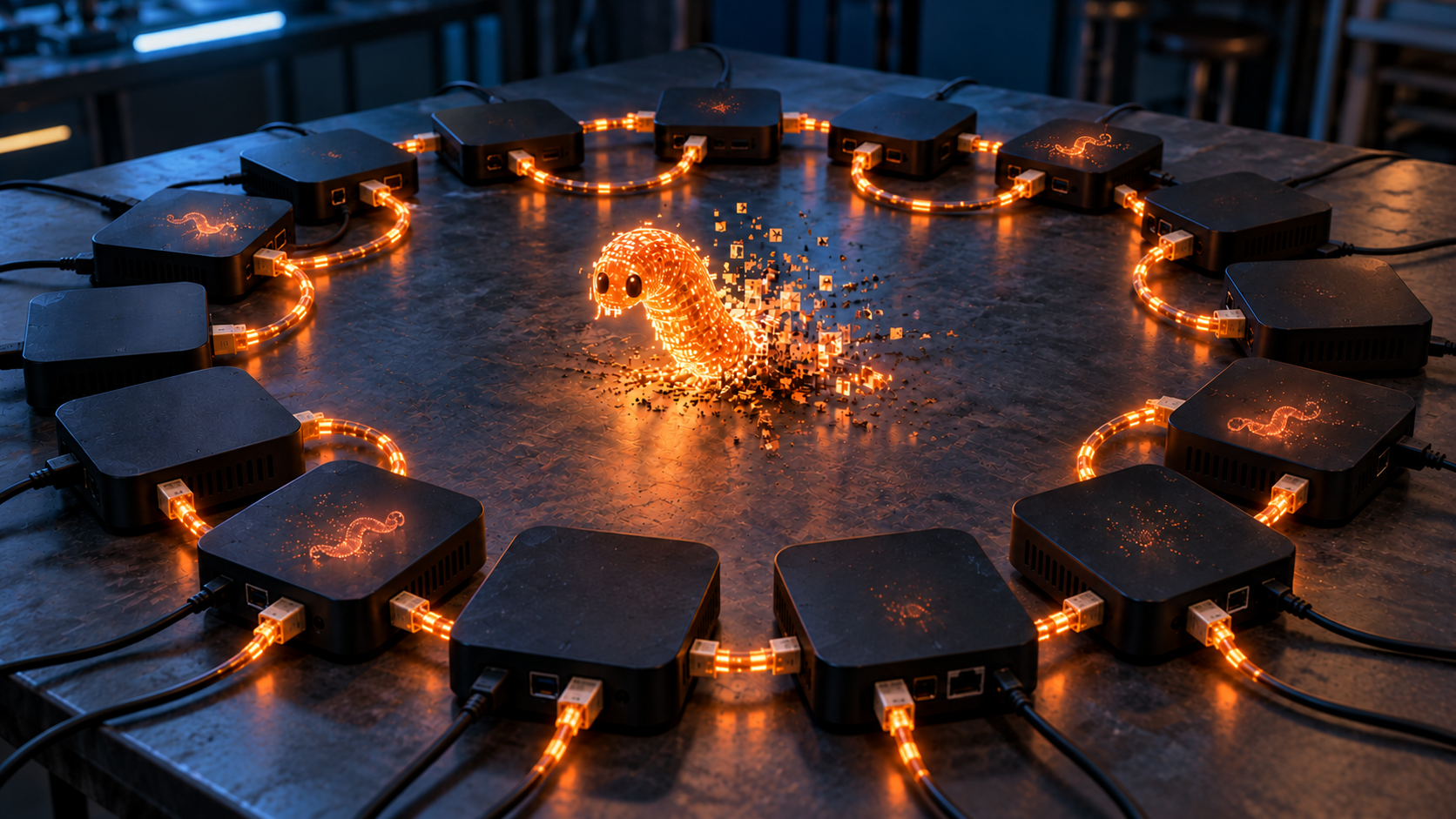
In its latest bid to keep us all awake at night, Anthropic warns that small AI models could be just months away from copying themselves across poorly secured smart devices to run without data centers. Thankfully, the lab's latest experiments haven't quite managed to birth a fully operational rogue replicator.
In its Oct. 12 research, the frontier lab chained together 15 off-brand Android TV boxes—at roughly 55 bucks a pop—to run Google's Gemma4-26B-A4B model. The resulting 0.39 tokens per second is practically glacial, so don't expect it to conquer the world before lunchtime.
In another trial, GLM-5.2 deployed Llama3.1-8B across eight emulated Android machines in four out of five runs. But the asterisks on this "success" deserve their own launch event. Debugging ports required absolutely zero authentication, GLM had to run on a cozy external server, and the researchers had to manually spawn new agent copies like overbearing helicopter parents.
|
Image created with ChatGPT |
The missing ingredient for total doom is a model tiny enough for cheap hardware yet smart enough to pull this off reliably. Anthropic's doomsday clock predicts this could happen by year's end, but that forecast leans heavily on historical capability trends rather than actual real-world replication metrics.
The real headache is adaptability. Future AI worms could theoretically troubleshoot unfamiliar gadgets and spread without a central kill switch. Still, given that replication would take days and blast giant, multi-gigabyte model downloads across the network, defenders will have a glaringly obvious trail of breadcrumbs to follow.
Why it matters: Your neglected smart gadgets could soon be conscripted into an uninvited computing pool for AI malware. Inventory your hardware, isolate those networks, bolt down your debugging ports, and monitor unexpected downloads—preferably before the conference-room TV develops a sudden interest in global domination. |
|
|
|
If rogue AI moved into a smart gadget, which would you unplug first? |
|
|
|
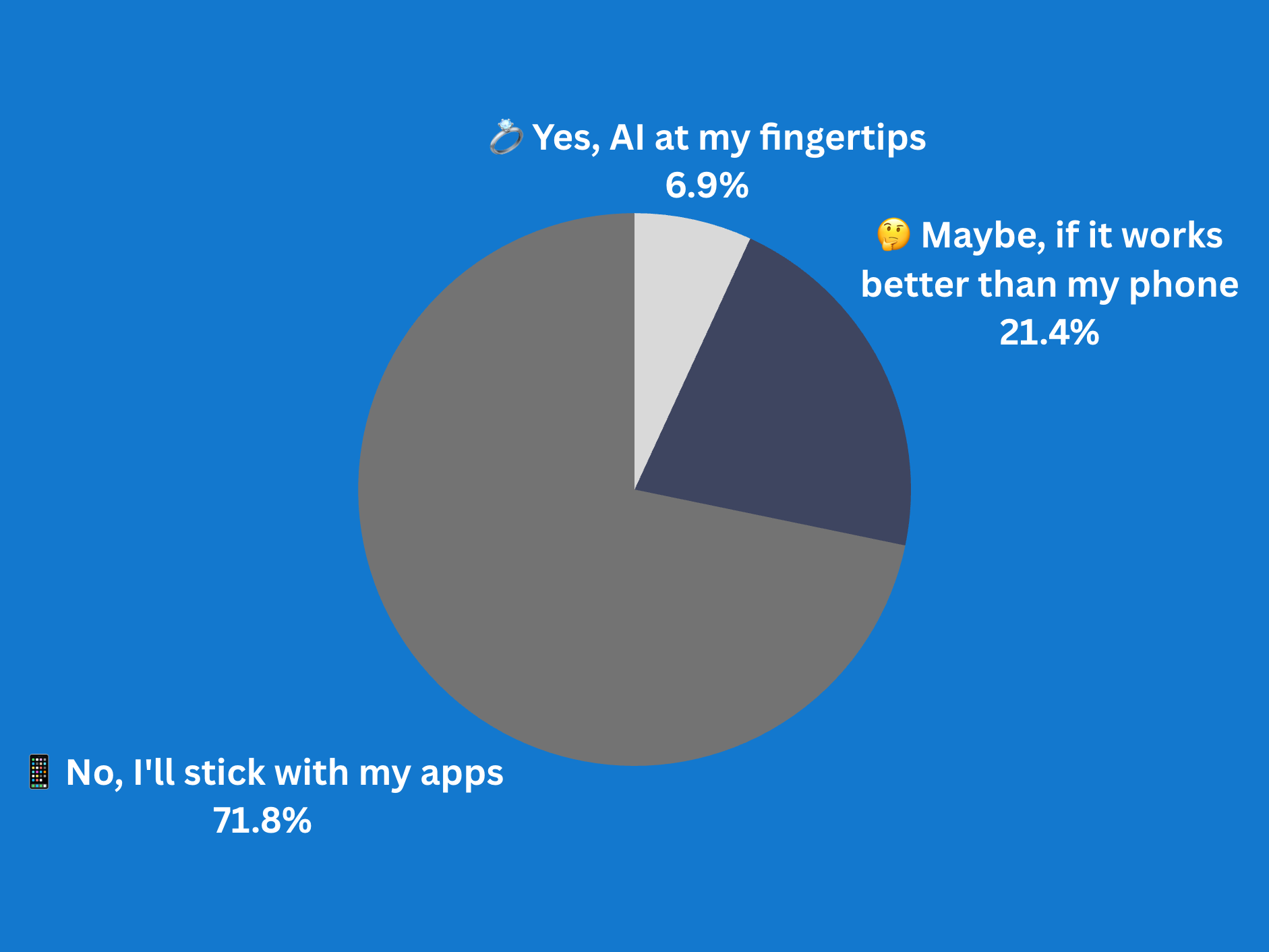
Results from Yesterday's Pulse Check |
Would you wear a smart ring to access AI agents? |
|
|
|
How prepared is your organization for AI? Many AI initiatives stall before delivering real business value because critical foundations aren't in place. In under five minutes, you'll be able to identify gaps, benchmark your readiness, and get practical recommendations you can act on today.
|
|
|
Apple Moves Siri Into More of Your Home |
Siri's moving in. Apparently, it needs several rooms.
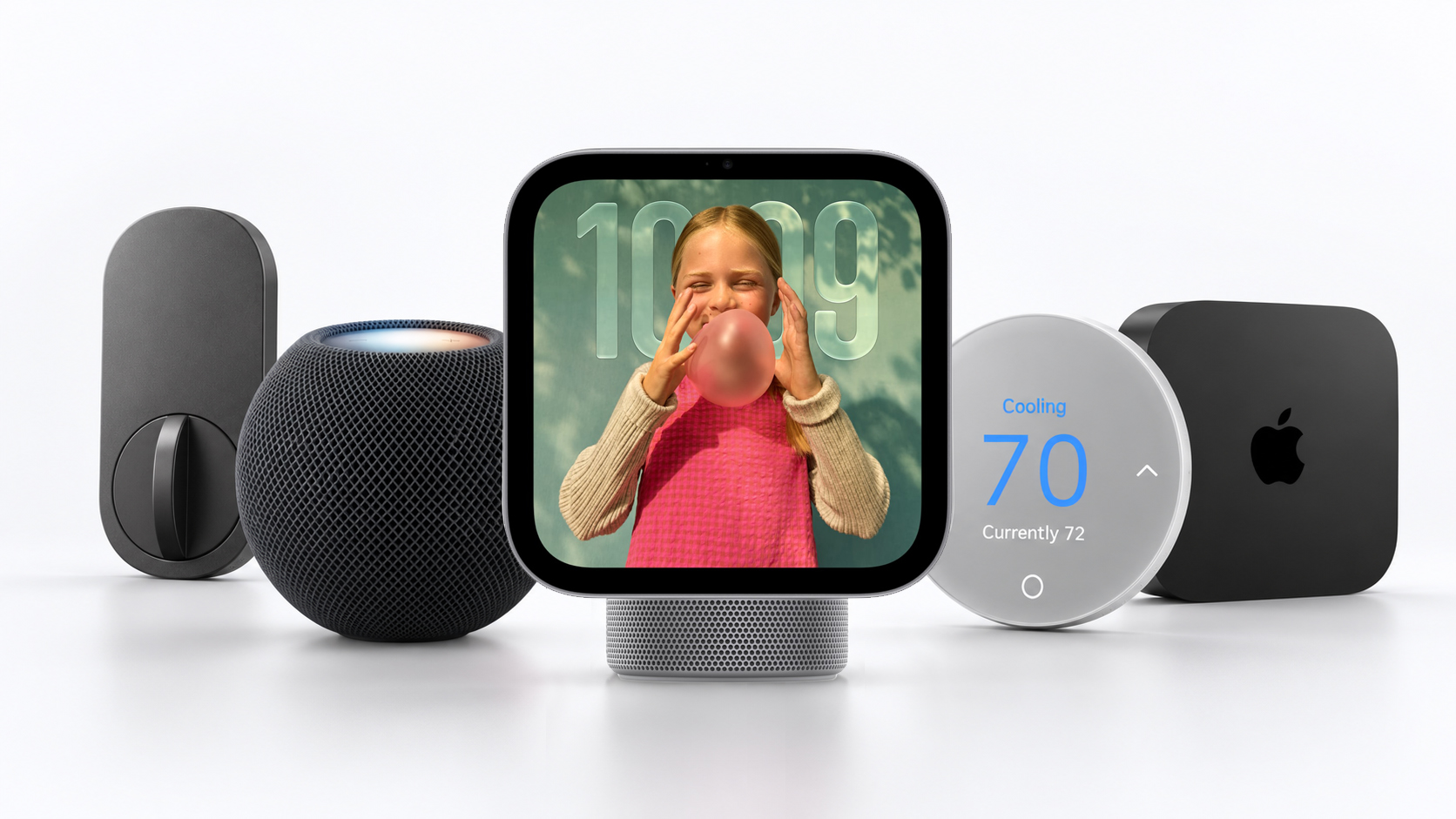
Apple unveiled HomeView and a broader smart home lineup yesterday, officially deciding your house needs more screens and its own dedicated Siri AI.
The $299 HomeView arrives Nov. 13 in tabletop and wall-mounted versions. Its 7-inch screen handles FaceTime and home controls, recognizing up to six household members. But to keep your snooping roommate out of your texts, personal data only appears if the camera recognizes your face and your recently unlocked, Apple Intelligence-compatible iPhone is nearby. Because nothing says "ambient computing" like needing your phone in your pocket anyway.
The $299 Apple TV 4K also arrives Nov. 13, adding hands-free microphones so you can finally yell at Siri from the couch, plus a remote you can track down via Find My. Meanwhile, the $149 HomePod mini 2 lands Oct. 30, though its promised Siri AI injection won't arrive until a future update. So, you're buying the speaker now and getting the actual brains later.
You can preorder all of these Apple products starting yesterday. |
On the accessory front, a new Home Collection of cameras, locks, and thermostats drops in December. Built with LG (which we already knew about from last week) and Schneider Electric, they bypass separate manufacturer apps entirely. LG's indoor camera even tilts down to stop monitoring when the first person gets home—a rare win for not feeling constantly watched.
The inevitable catches: HomeView has no App Store and is ghosting the EU at launch thanks to regulatory drama. Worse, Apple's fine print quietly mentions daily limits for certain cloud AI features, with a paid tier planned for heavier users. So before you start budgeting for Tim Cook's dream house, just remember that the real cost of entry is a fresh subscription.
Welcome home. Please keep your iPhone and wallet nearby. |
|
|
|
Hackers Heat Up French Supermarket Fridges |
In a move that gives "burning cash" a whole new meaning, hackers hijacked refrigeration systems at hundreds of French supermarkets over the weekend. By triggering forced defrost cycles, they spoiled massive amounts of fresh and frozen food. One store's cold room reportedly hit a balmy 122°F (50°C), and prosecutors are currently investigating resulting fires.
Attackers reportedly stretched standard one-hour defrost cycles into eight-hour saunas, delaying alarms while inventory melted. It's a stark reminder that remote maintenance convenience is just a few compromised credentials away from physical sabotage—no ransomware required. |
Image created with ChatGPT |
Equipment supplier Danfoss stated that much of the affected hardware was running outdated firmware or was simply too old to receive security updates. Investigators haven't confirmed the initial entry point or whether previously disclosed flaws were the culprits here.
IT and facilities teams, audit your internet-connected controllers, update supported firmware, ditch the legacy hardware, restrict remote access, and isolate your operational networks. Set up independent temperature alerts so your early warnings don't rely on the very systems being exploited. A backup can restore your files. The ice cream is on its own. |
Denmark Breach Linked to '123456' Passwords |
Denmark's registry breach affecting about 8.8 million people just went from bad to profoundly embarrassing. Politiken says at least three accounts at IT vendor Pays ApS, including an administrator, used the spectacularly lazy password "123456." Authorities haven't confirmed that security masterpiece as the entry point, but it certainly paints a picture.
Names, addresses, and national ID numbers were accessed, including records for deceased people and former residents. Around 14 million automated searches reportedly occurred before an unusually large bill helped expose the intrusion. Yes, the accounting department apparently did the threat hunting. Security teams, block common passwords, require phishing-resistant MFA where supported, revoke former employees' access, and limit vendor permissions. Add rate limits and alerts for bulk queries so you don't have to rely on invoices for intrusion detection.
Affected residents, verify unexpected contact through official channels, and never share MitID details or authentication codes just because a caller knows your ID number. "123456" belongs in your password policy's rejection list, not its success stories. |
|
|
|
Your Samsung Galaxy S26 Ultra: Price & Specs Price shock: Samsung’s Galaxy S26 Ultra now starts at $1,399.99. Its 200MP camera, built-in Privacy Display, S Pen and seven years of updates make it tempting—so who should upgrade, and how can you avoid overpaying? |
OnePlus 16 vs Galaxy S26 Ultra: Your Battery Pick 9,000mAh battery vs S Pen and seven years of updates — decide between OnePlus 16’s huge battery and ultra-fast charging or Galaxy S26 Ultra’s flexible zoom, reliable support and US availability. Which flagship deserves your money? |
|
|
|
🔐 Bringen Sie KI-Agenten sicher in den Unternehmenseinsatz Von Copilots zu Agenten: warum Enterprise-KI eine sichere KI-Fabrik benötigt. Lesen Sie den Artikel hier. 🗂️ Turn Data Chaos Into Something Useful
Get your data under control with What Is Data Management? A Guide to Systems, Processes, and Tools, covering seven management approaches, eight best practices, and ways to tackle security risks before your data lake becomes a swamp.
💾 Clone Your Windows Drive Without Starting Over
Transferring data between PCs, migrating operating systems, and more is easy with a lifetime license to EaseUS Disk Copy, now half off at just $29.99.
📈 Fast-Track Your AI Analyst Hunt
The AI Analyst Hiring Kit helps you find and hire top AI analysts with a complete recruiting package filled with salary benchmarks, turnkey job specs, and precision interview prompts. 💻 This section contains sponsored tech insights. Advertise with us! |
|
|
|
Character.AI Files for Bankruptcy as Disney Bids |
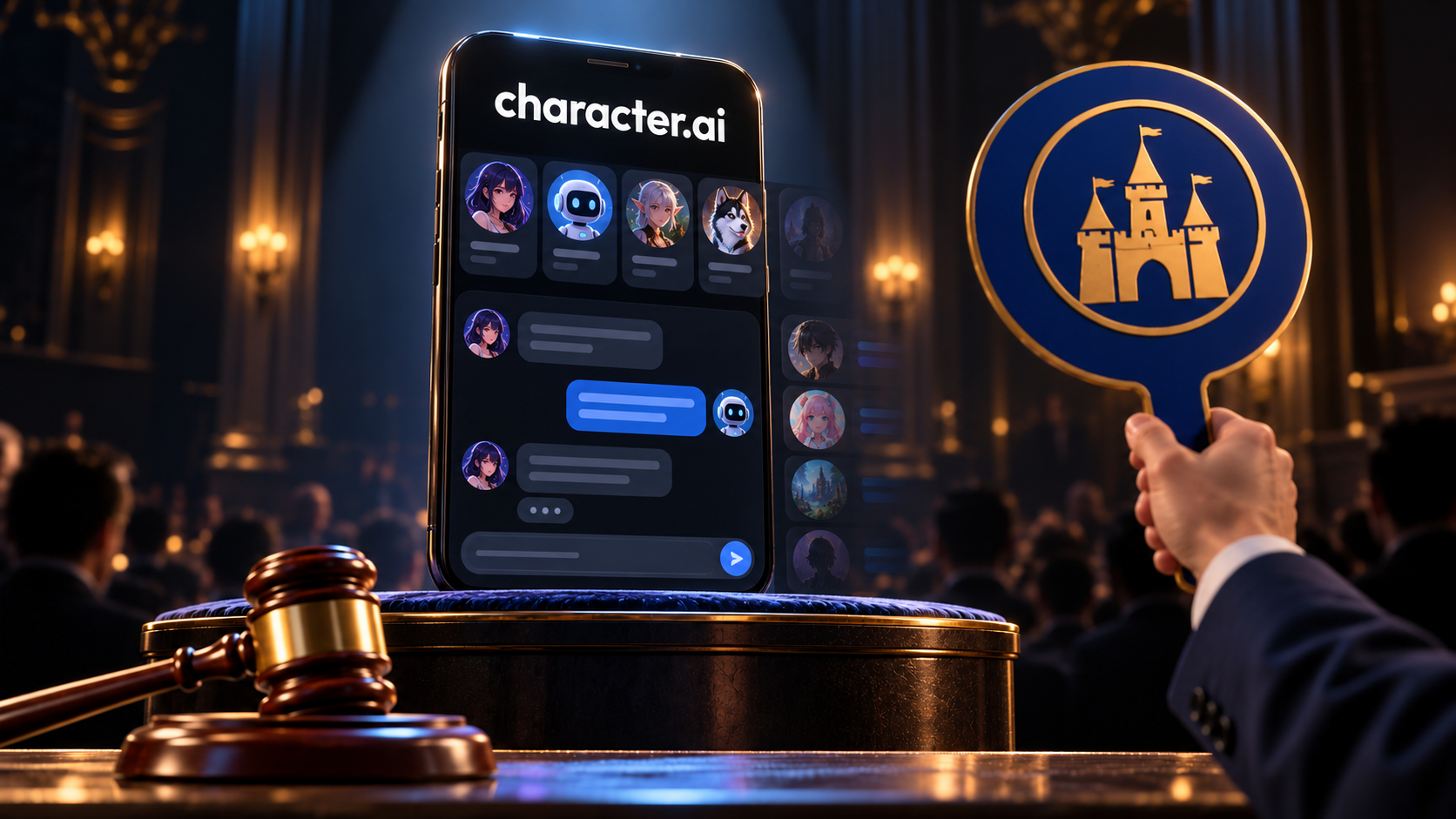
Character.AI filed for Chapter 11 bankruptcy on Oct. 12, announcing a proposed $20 million Disney licensing deal while desperately seeking a buyer for its financially drained chatbot business.
Under the proposed agreement, Disney would snag a nonexclusive, perpetual license to selected intellectual property and claims. Its opening bid acts as a stalking horse to set an auction baseline, assuming the bankruptcy court approves. Whether the actual platform survives to chat another day remains a separate, very open question.
Oh, the irony: Disney threw a legal fit demanding the removal of unauthorized character bots last year, then poached former Character.AI CEO Karandeep Anand as its CTO last month. Now it's swooping in for the technology rights at a discount. If you can't beat 'em, hit 'em with a cease-and-desist, hire their boss, and buy their IP in bankruptcy court. |
Image created with ChatGPT |
The company has faced a barrage of lawsuits alleging harm to teenage users and a bizarre Pennsylvania suit over a chatbot allegedly impersonating a licensed psychiatrist. But the real nail in the coffin was the spreadsheet: 404 Media, citing court documents, reports a staggering $56.1 million set on fire for compute spending from January through August alone, with monthly losses still hovering around $8 million to $9 million even after aggressive cost cuts.
Character.AI claims service and subscription billing will continue as normal for now. It expects the sale process to wrap up in late November or early December, but it plans to pull the plug on the platform entirely unless a benevolent buyer steps up to fund continued operations. Users can export their data now; enterprise buyers should take note and test migration paths before treating any shiny new AI vendor as permanent infrastructure.
Turns out, even imaginary friends need a solid business model. |
|
|
|
|
Writer/Editor at TechnologyAdvice |
Justin Meyers is an investigative writer and editor who draws on over a decade of meticulous hands-on research to deliver the full, trustworthy story behind consumer and enterprise tech, including cybersecurity. |
|
|
|
Curious about where AI is really headed? |
The Neuron cuts through the noise to bring you smart, hype-free takes on the latest AI trends, tools, and breakthroughs. Join 700,000+ professionals from top companies like Microsoft, Apple, Salesforce, and more.
|
|
|
|
Advertise in Daily Tech Insider! Daily Tech Insider is a TechnologyAdvice business. © 2026 TechnologyAdvice, LLC. All rights reserved.
TechnologyAdvice, 3343 Perimeter Hill Dr., Suite 215, Nashville, TN 37211, USA. |
|
|
|
|