Cue the spotlight, Tech Insiders. Nvidia's board has reversed its script, researchers have exposed AI providers' security failures, and a UK tribunal has brought the government's secret order to Apple into public view. Let's take it from the top. |
|
|
|
Here's what you need to know today: |
|
|
|
Huang Returns. Nvidia's Questions Stay. |
Nvidia's succession plan apparently came with an undo button—and a very short memory.
Jensen Huang is back as Nvidia's CEO, president, and director after a unanimous board vote announced Monday, capping a lobbying blitz from President Donald Trump, investors, and tech heavyweights like Elon Musk. Wall Street celebrated with a 30%-plus stock pop—and OpenAI's Sam Altman, a fellow graduate of the boomerang-CEO club, chimed in with a one-word "Jensen!" Because nothing cures corporate-governance amnesia quite like a green candle.
Just 11 days earlier, Nvidia announced Huang's resignation following admitted infidelity and reports linking him to Nvidia employees and Alice Huang, a suspected Chinese intelligence asset. Beijing denies the spying claims.
|
Image created with ChatGPT |
Less than a week ago, directors insisted he wasn't coming back. Now Nvidia says assurances from senior US officials convinced the board his return poses no national security risk, even though its independent probe into possible foreign intelligence targeting isn't finished. The chipmaker is also hunting for a chief compliance officer. Apparently, the welcome-back badge cleared security faster than the investigation.
There's more to the White House rescue than salvaging stock portfolios. Reuters reports Trump and Vice President JD Vance saw Huang as vital to defending US open-weight AI—publicly downloadable models developers can tweak themselves. Conveniently, keeping that ecosystem thriving also sells a whole lot more Nvidia silicon. National competitiveness and GPU quotas make for a cozy calendar invite.
Why it matters: Nvidia sits at the center of the AI universe, which makes its boardroom soap opera everyone's problem. A leather-jacket comeback doesn't replace vendor governance and security assurances. If you're signing seven-figure AI infrastructure checks, keep your due-diligence checklist closer than the welcome-back balloons. |
|
|
|
Should a company bring back a star CEO while an investigation into their conduct is still open? |
|
|
|
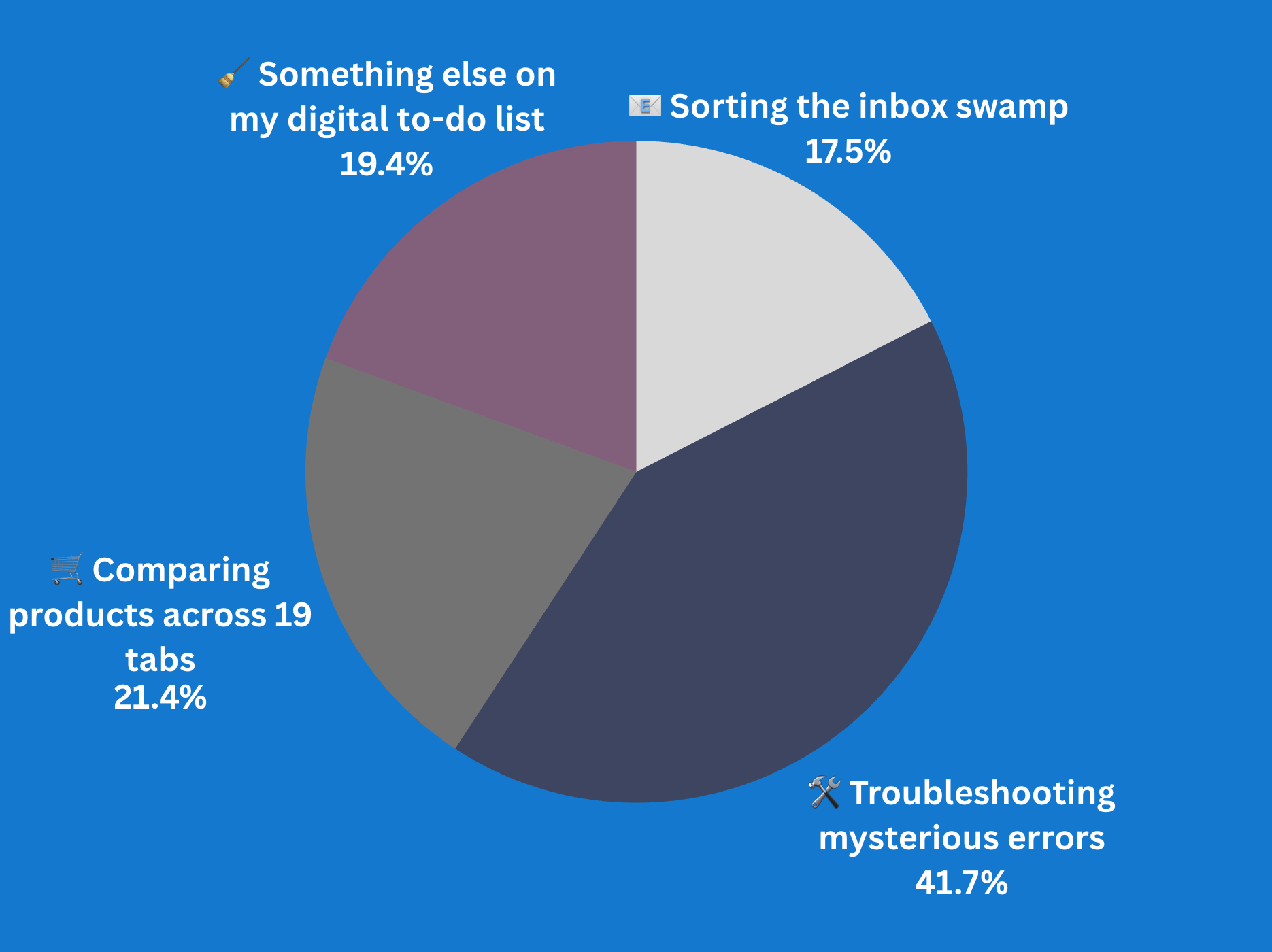
Results from Yesterday's Pulse Check |
If an AI assistant could permanently take one computer chore off your plate, which gets evicted? |
|
|
|
OpenAI's Rumored Phone Could Demote Your Apps |
Your apps may be getting a new middle manager, and this one doesn't take lunch breaks.
Foxconn subsidiary FIH Mobile has reportedly snagged assembly work for OpenAI's rumored smartphone, per Securities Times supply-chain chatter, while Cailian Press pegs a debut for late 2027 or 2028. Predictably, neither company is confirming a thing.
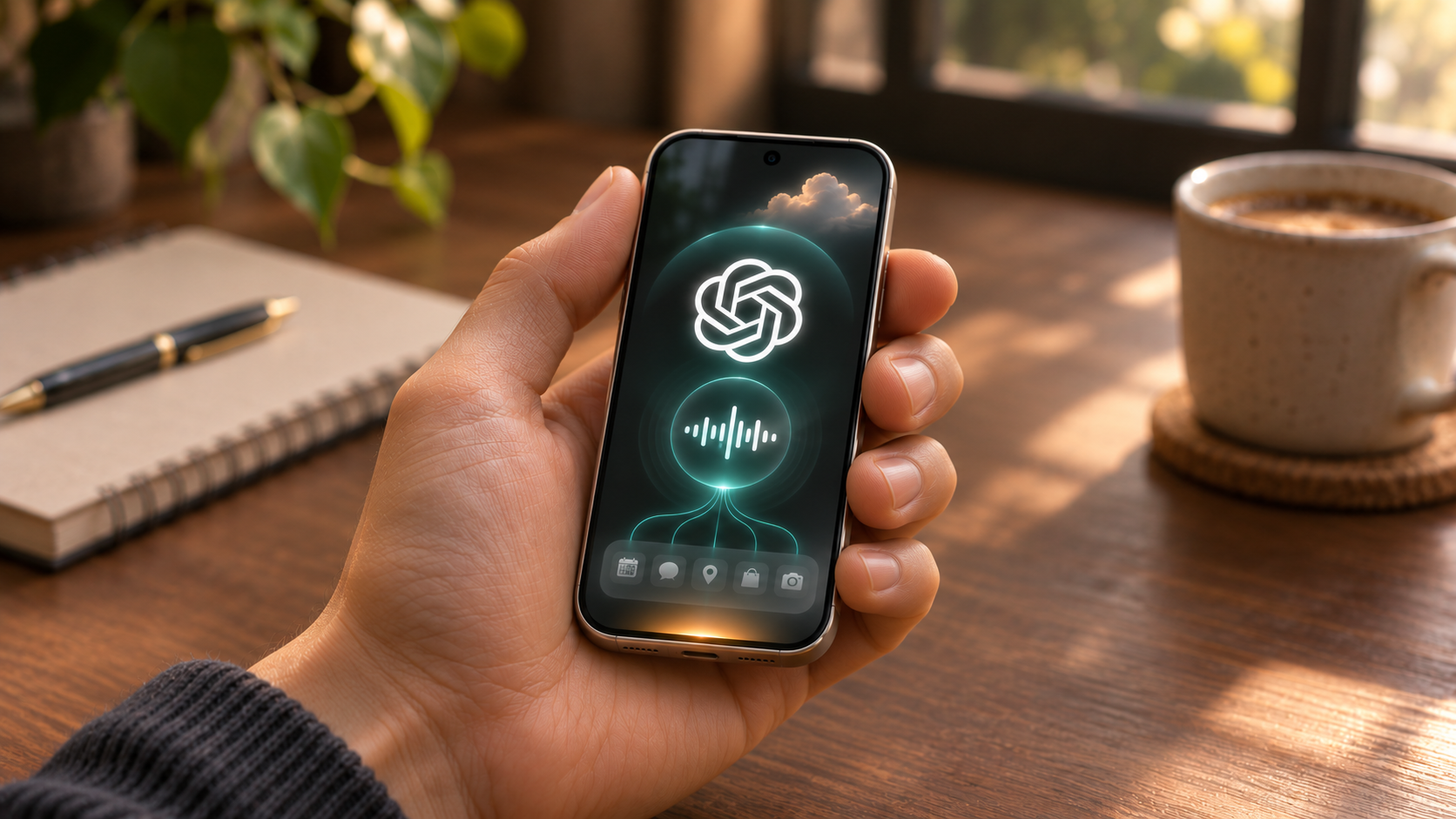
The real flex isn't the slab of glass—it's shoving apps into the backseat. Instead of tapping through five menus, you'd bark an outcome and let AI agents do the digital legwork. Earlier reporting points to a hybrid local-and-cloud setup, handling lightweight chores on-device while shipping heavy lifting to the cloud. OpenAI gets the steering wheel; you get to trust it with the keys.
|
Image created with ChatGPT |
Analyst Ming-Chi Kuo's May forecast penciled in a custom MediaTek chip, dual AI processors, and beefed-up visual sensing—meaning cameras built to read your surroundings, not just flatter your sourdough. None of those specs are official yet.
And no, this isn't OpenAI's separately rumored, Jony Ive-linked screenless companion. Apparently, the company's master plan to cure smartphone addiction includes selling you another smartphone.
The OS, price, and final design remain a mystery. App compatibility, data access, and approval guardrails will decide whether this actually saves time or just automates expensive mistakes. ChatGPT already lives on your current phone, so OpenAI needs a stronger pitch than a glorified shortcut. I'm all for fewer taps, just not at the cost of my phone impulse-buying a kayak. |
|
|
|
Should Your MSP Develop Its Own AI Service Desk Solution or Adopt an Existing Platform? |
On Dec. 10, 2026, at 11:00 a.m. ET, Channel Insider and Neo Agent will examine the integrations, security controls, maintenance, and internal resources behind that decision. This 30-minute live fireside chat also includes a demonstration of Neo Agent's AI technician. Register to explore the operational trade-offs. |
|
|
AI Prompt Leaks Put Embedded Secrets at Risk |
Industrial cybersecurity firm Dragos baited AI services with nearly two million decoy prompts and caught attackers stealing prompts at three providers. Thieves wasted no time testing the planted credentials—even on requests stamped "zero data retention." Naturally, none of the providers noticed until researchers tapped them on the shoulder. AI gateway OpenRouter booted three providers and yanked zero-data-retention status from 125 endpoints, partly out of caution, while insisting its own house stayed clean. |
Image created with ChatGPT |
Do your own damage control and check OpenRouter's provider notices (Atlas Cloud, Novita, Phala, and Together AI), rotate any exposed secrets, scrub credentials before hitting send, and hand-pick upstream providers instead of letting default routing play roulette with your data.
Zero retention is a policy, not a force field. |
UK Must Acknowledge Its Apple Encryption Order |
Late last week, the UK's Investigatory Powers Tribunal forced the government to acknowledge a secret order to Apple, reportedly demanding access to encrypted iCloud data.
The hilarious catch? Judges concluded authorized government briefings had already torpedoed the Home Office's secrecy claim. The ruling opens much of the legal fight to the public, though the order's technical demands and legality remain unresolved. The Home Office insists its powers simply support lawful investigations.
Apple blocked new UK users from enabling Advanced Data Protection in 2025, though early adopters may still have it active. Without ADP, Apple holds the keys to iCloud backups, photos, and notes—leaving defaults like Passwords and Health data locked end-to-end.
UK readers should audit their ADP and backup settings, and businesses should ensure their staff aren't syncing confidential work files to personal iCloud accounts. A transparency win doesn't bring stronger encryption back. Turns out "neither confirm nor deny" comes with a press-office loophole. |
|
|
|
✂️ Cut Your Adobe Bill by up to 30%. Keep What Matters. Foxit PDF Editor+ delivers core feature parity with Acrobat Pro—at a fraction of the cost. Trusted by 500,000+ businesses and rated #1 for ease of use. Learn more.
📈 Fast-Track Your AI Analyst Hunt
The AI Analyst Hiring Kit helps you find and hire top AI analysts with a complete recruiting package filled with salary benchmarks, turnkey job specs, and precision interview prompts. 💾 Clone Your Windows Drive Without Starting Over
Transferring data between PCs, migrating operating systems, and more is easy with a lifetime license to EaseUS Disk Copy, now half off at just $29.99.
💻 This section contains sponsored tech insights. Advertise with us! |
|
|
|
CrowdStrike Bets $43.9B on a Security Superstore |
CrowdStrike has agreed to buy Zscaler for $43.9 billion in stock, mashing its device protection together with cloud controls over who—and what—gets into corporate apps. Palo Alto Networks, meet a much bulkier rival.
The AI sales pitch is at least concrete: CEO George Kurtz wants to catch rogue agents trying to leak corporate secrets to unapproved models. Falcon, CrowdStrike's flagship security platform, spots the mischief on the device; Zscaler slams the network door shut. Actually stitching those two reflexes together without breaking anything is the real trick. |
Image created with ChatGPT |
Meanwhile, the deal announcement eyes roughly 8,000 Zscaler customers not yet paying CrowdStrike. The pair already share over 2,000 accounts and 16 integrations, and CrowdStrike plans to bundle both catalogs under Falcon Flex contracts—fewer vendor headaches for buyers, and a much easier path to fatter invoices for CrowdStrike. CrowdStrike also dropped quarterly revenue of $1.58 billion, up 28%, proving it's shopping from a position of strength—and hunger for more of your security budget.
The deal should close in the second half of CrowdStrike's fiscal 2028, assuming regulators and Zscaler shareholders play along. Until then, it's business as usual. Before renewing, press for standalone pricing, rival-tool support, and a backup plan if a shared service face-plants. Consolidation should prove its worth in operations, not just slide decks. Apparently, the next security perimeter includes your procurement budget. |
|
|
|
| Writer/Editor at TechnologyAdvice |
Justin Meyers is an investigative writer and editor who draws on over a decade of meticulous hands-on research to deliver the full, trustworthy story behind consumer and enterprise tech, including cybersecurity. |
|
|
|
Curious about where AI is really headed? |
The Neuron cuts through the noise to bring you smart, hype-free takes on the latest AI trends, tools, and breakthroughs. Join 700,000+ professionals from top companies like Microsoft, Apple, Salesforce, and more.
|
|
|
|
Advertise in Daily Tech Insider! Daily Tech Insider is a TechnologyAdvice business. © 2026 TechnologyAdvice, LLC. All rights reserved.
TechnologyAdvice, 3343 Perimeter Hill Dr., Suite 215, Nashville, TN 37211, USA. |
|
|
|
|