






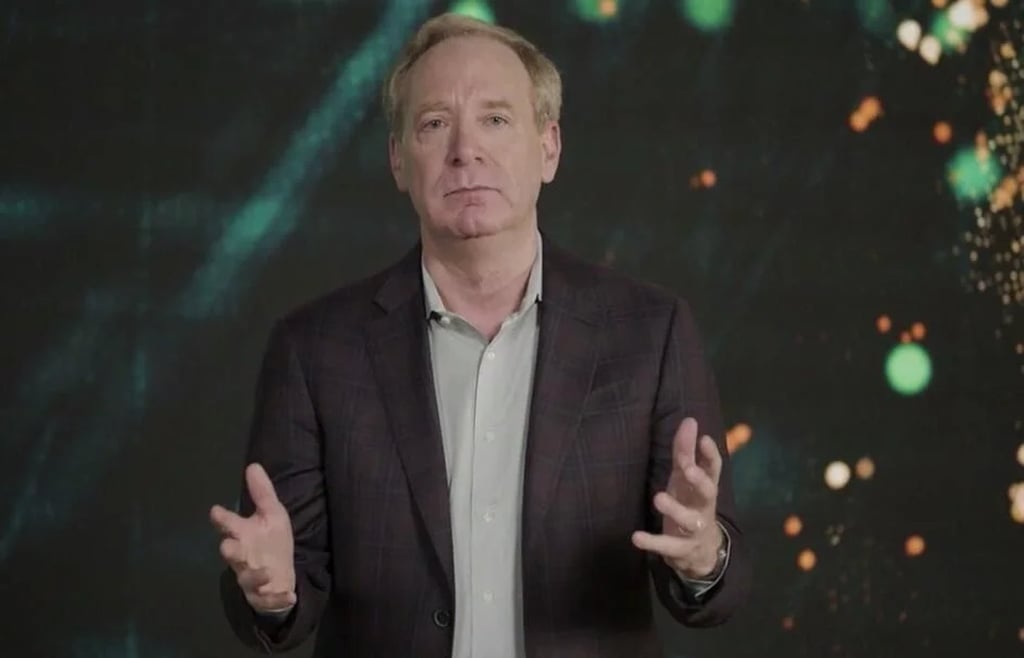


In a blog post published today, Vice Chair and President of Microsoft Brad Smith expressed concerns over the Biden administration’s interim final AI Diffusion Rule, cautioning that it could inadvertently hinder U.S. leadership in artificial intelligence (AI) and benefit China’s AI sector. Smith argued that the rule, which limits the export of advanced AI components to certain countries, could weaken relationships with key allies and stifle economic growth in these regions.
What is the AI Diffusion Rule?
Introduced in January 2025, the AI Diffusion Rule aims to protect national security by restricting the export of advanced AI components to nations designated as “Tier Two” countries, including Switzerland, Poland, Greece, Singapore, India, and Israel, among others. These countries face quantitative limits on the import of American AI technology, raising concerns about supply shortages. Smith noted that customers in these countries now worry about “an insufficient supply of critical American AI technology,” potentially driving them to seek alternatives from Chinese AI suppliers.
The rule is part of a broader U.S. strategy to control the global distribution of AI technologies and prevent adversaries from acquiring advanced AI capabilities. Smith and other critics argue that it imposes centralized control over the global computing economy, restricting the reach of U.S. technology companies.
Implications for tech sector and geopolitics
Smith highlighted the potential impact on U.S. economic growth and global tech leadership, pointing to Microsoft’s $80 billion investment in AI infrastructure worldwide — more than half of which is dedicated to the U.S. He argued that expanding AI infrastructure in other countries is essential to provide low-latency services to local enterprises and consumers, warning that the current rule “discourages what should be regarded as an American economic opportunity — the export of world-leading chips and technology services.”
Smith urged the Trump administration to revise the rule, suggesting the removal of quantitative caps and the preservation of qualitative security standards and emphasized the importance of enabling American firms to compete globally.
“America’s AI race with China begins at home,” he wrote.
Other perspectives
Biden’s Undersecretary of Commerce for Industry and Security Alan Estevez defended the rule in January as preventing adversaries from acquiring advanced AI capabilities that could pose security threats. But after taking office just a few days later, President Trump signed Executive Order 14179, titled “Removing Barriers to American Leadership in Artificial Intelligence,” which revoked some prior policies and established a plan to promote AI development.
The order mandates the creation of an action plan within 180 days to sustain U.S. AI leadership, focusing on human flourishing, economic competitiveness, and national security. Additionally, it requires the review of existing policies to identify and address actions that may conflict with these new policy goals. While the administration has not yet detailed specific changes to the AI Diffusion Rule, this executive order indicates a shift toward policies that prioritize U.S. AI innovation and leadership.
Learn more about the top AI companies most likely to be affected by this rule.