Glove up, Tech Insiders. This week's fights feature Wikipedia vs. AI freeloaders, Apple vs. lock-screen phishers, and Microsoft vs. Europe's energy grid—all while "123456" refuses to tap out.
Seconds out, let's watch the heavyweights swing. |
|
|
Here's what you need to know today: |
|
|
Wikipedia Tells AI Firms to Stop Free Lunch |
Turns out footnotes don't grow on GPU trees.
The Wikimedia Foundation just served notice to the AI industry: credit your sources and cough up some cash.
In a pre-birthday blog post, the nonprofit said large language models stumble when its vast, human-written encyclopedia isn't in the training mix.
Generative-AI bots, it adds, have quietly slammed Wikipedia's servers (traffic spikes in May and June turned out to be from a surge of disguised scrapers) while actual human page views slipped 8% year over year. |
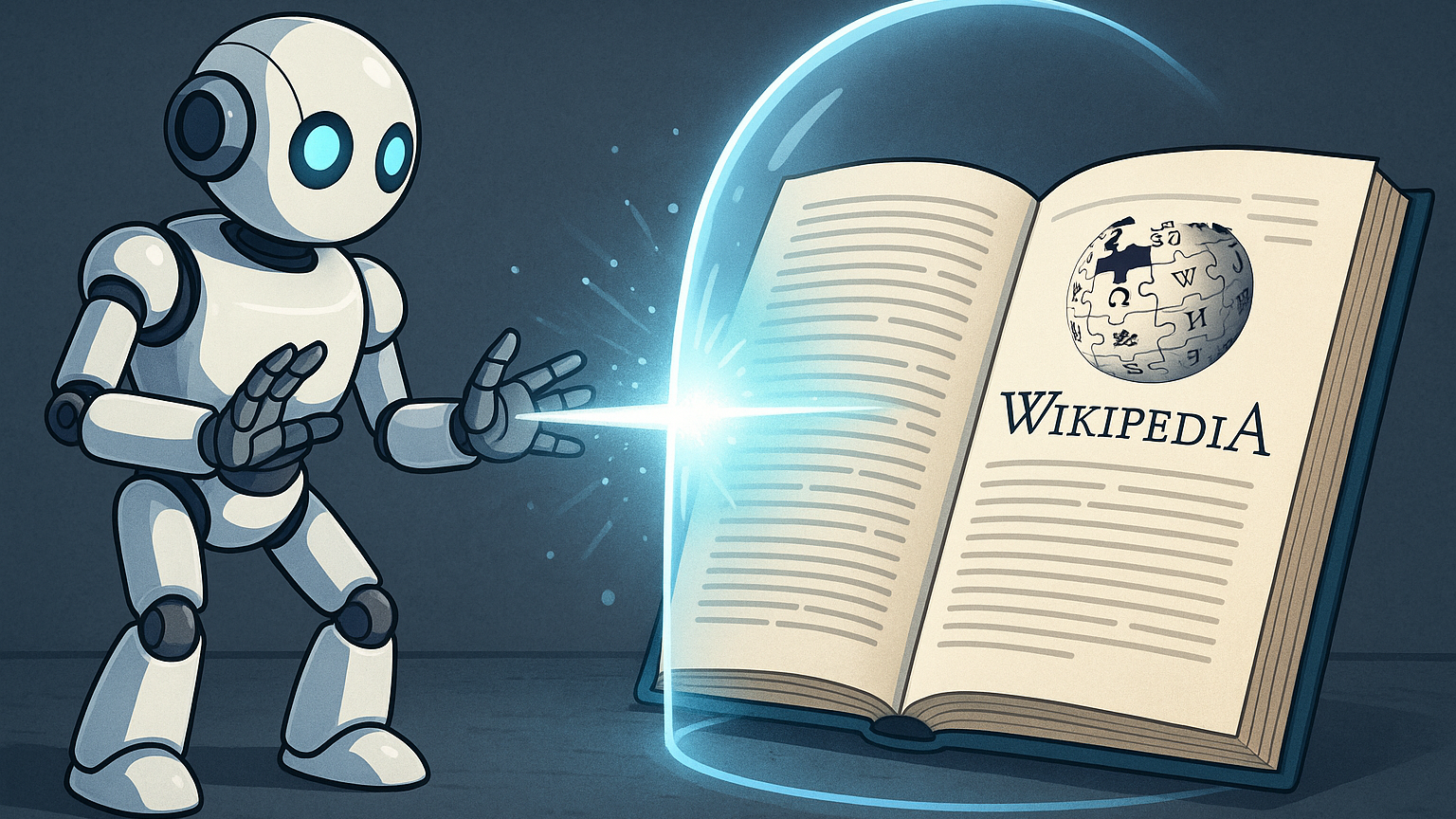
Image created with ChatGPT |
So the foundation wants two things. First, clear attribution so users can trace facts back to real editors. Second, use of its paid Wikimedia Enterprise API instead of stealth scraping, directing some Silicon Valley riches toward the encyclopedia's upkeep.
And this isn't just a cash grab. As science communicator Hank Green warns, without fresh human knowledge, AI could "end up eating itself" and collapse. Wikimedia agrees, arguing it uses AI to assist its human volunteers with grunt work, not replace them. No volunteers, no new data, no reliable chatbots.
Why it matters: If everyone keeps raiding Wikipedia's pantry without paying (looking at you, Grokipedia), the free buffet closes, taking your chatbot's brain food with it. A sliver of Big AI's budget would keep the internet's last fact-checker alive and your AI responses a lot less hallucinatory. |
|
|
Should AI firms pay Wikipedia for data access? |
|
|
Results from Yesterday's Pulse Check |
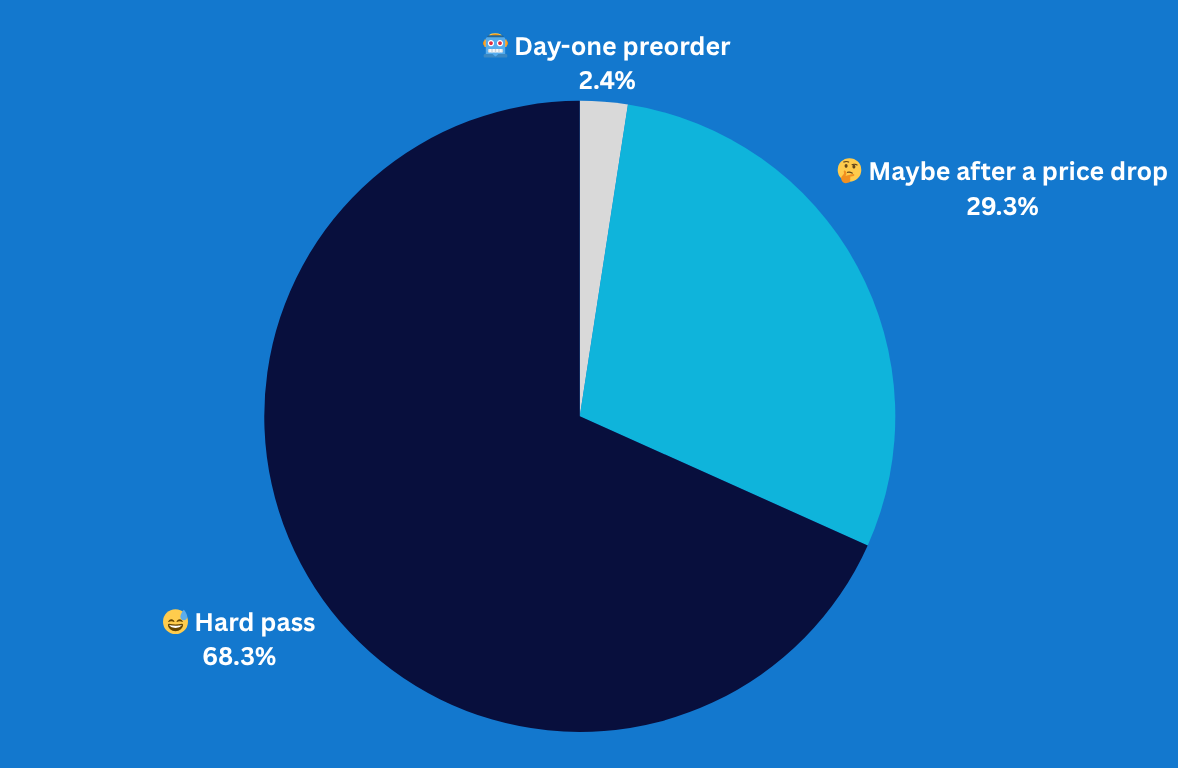
Would you invite a $30K Apple robot into your home? |
|
|
Facebook's Like Button Leaves the Open Web |
Insert nostalgic thumbs-up here... while you still can.
Meta will pull the plug on Facebook's external Like and Comment plugins on Feb. 10, 2026, ending a nearly 16-year run that once glued millions of sites to its social graph. (The separate Share button, for now, survives the purge.)
After the cutoff, the widgets won't break pages; they'll simply render as an invisible 0×0 pixel, and developers can delete the orphaned code at their leisure. |
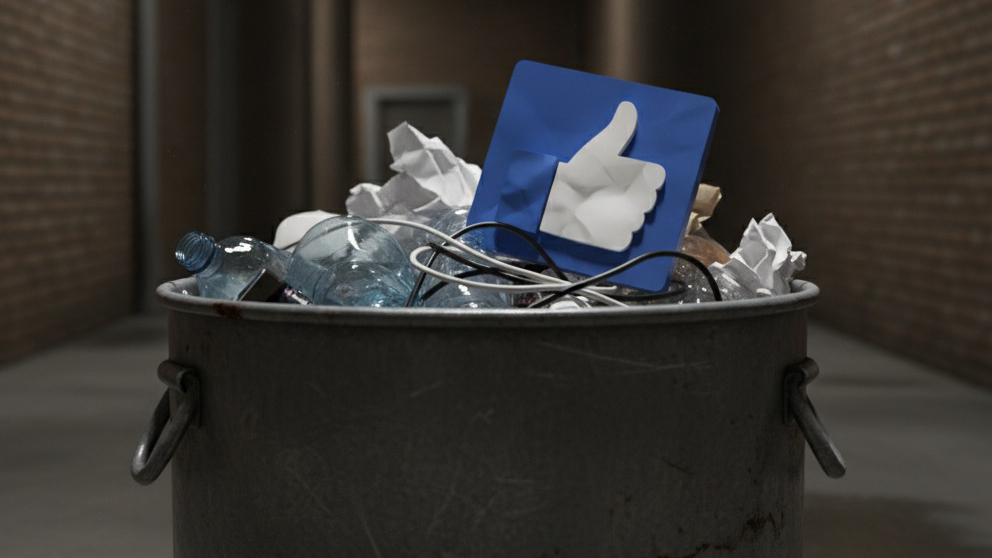
Image created with Gemini |
Meta says the relics "reflect an earlier era of web development" as privacy laws stiffened and sharing fragmented across newer platforms. Killing the cross-site trackers also defuses long-running criticism that the buttons vacuumed up browsing data for ad targeting.
The in-app Like remains alive and well, but the retreat signals a strategic shift to keep engagement—and insights—inside Meta's own walls rather than sprinkling social pixie dust across the open web. First, they came for FarmVille; now, they're coming for your embedded thumbs. |
|
|
🎤 Upgrade Client Rooms With Shure Kits AV for IT Providers shows how Shure's IntelliMix Room Kits bridge the gap between all-in-ones and full custom builds—explore case studies and unlock scalable audio perfection.
📱 Snag a Budget iPad Air
Grab an Apple iPad Air 3rd Gen (10.5-inch) with Accessories for just $159—smooth A12 performance, 10-hour battery, and case + charger included.
🚀 Compare 2025's Best Project Management Software
A quick rundown of the Best Project Management Software of 2025 lets you test-drive monday, Wrike, Smartsheet, and more—so your Gantt charts look genius before Q4 crunch time. 💻 This section contains sponsored tech insights. Advertise with us! |
|
|
Watch AI Agents Power Effortless Support |
AI agents are the future of IT support, and that future starts now.
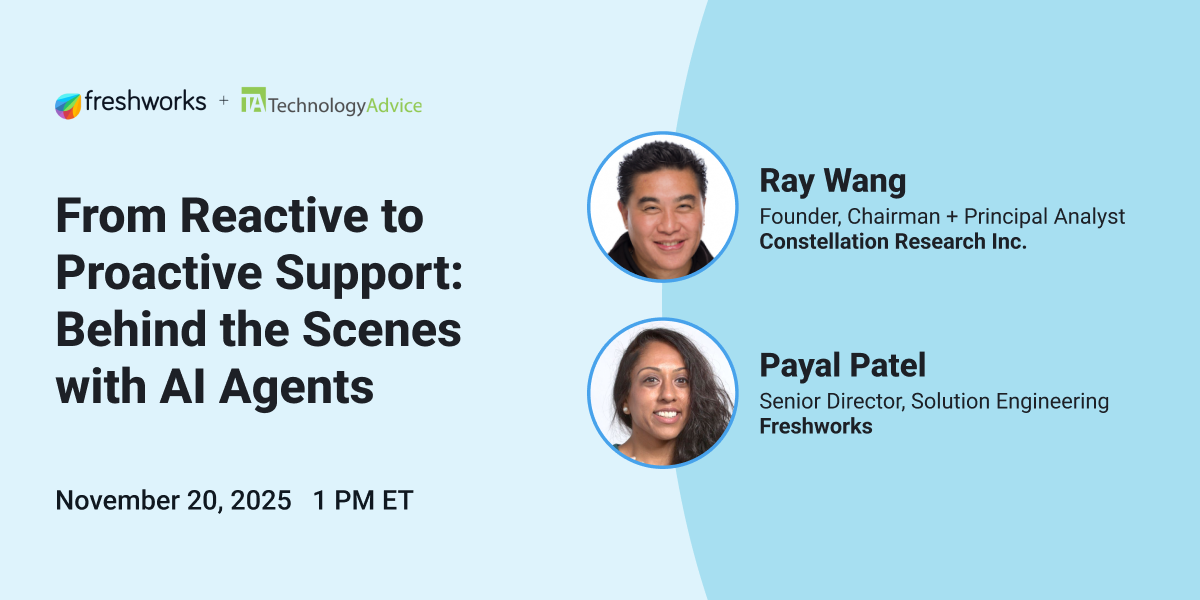
Join TechnologyAdvice × Freshworks on November 20, 2025, at 1:00 PM ET for From Reactive to Proactive Support: Behind the Scenes with AI Agents. See how automation and orchestration combine to eliminate busywork and deliver effortless service. Join peers leading the shift to proactive IT. |
|
|
The Top Passwords of 2025 Are Still a Joke |
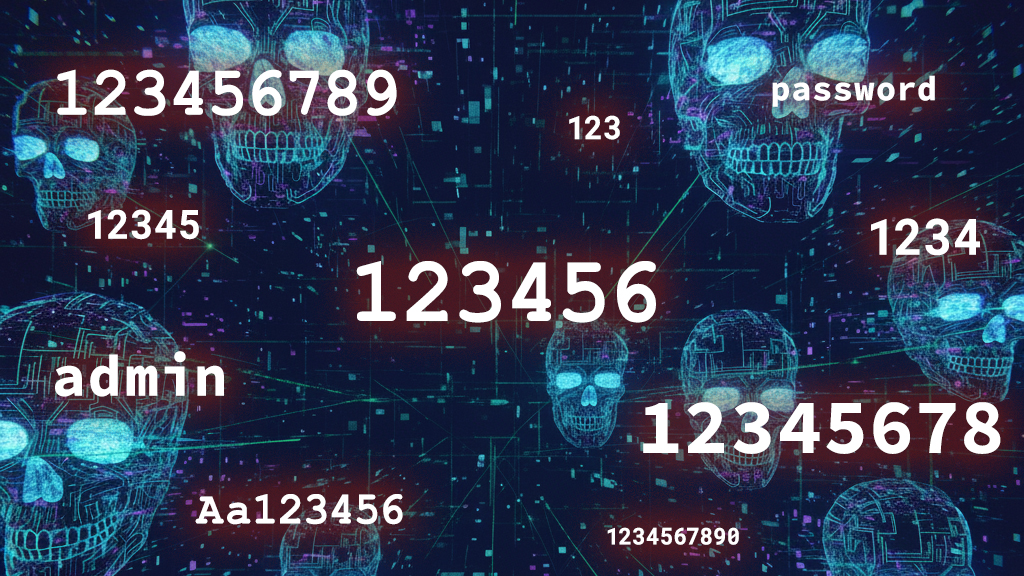
Comparitech pored over 2 billion leaked passwords from 2025 and found the same sad story: "123456," "admin," and "password" still rule. Nearly 39% of the top 1,000 passwords contain the string "123," and only 3.2% stretch to a truly strong 16 characters or more.
Short, recycled logins feed credential-stuffing bots that break accounts in seconds. |
Image partially created with Gemini
|
Google is done babysitting. For years, it has been nudging Gmail's over two billion users toward passkeys—phone- or biometric-based logins that can't be phished and never need remembering.
Bottom line: Ditch the keyboard walks. At a minimum, enable two-factor authentication (2FA). Then embrace a 12-plus-character passphrase or a passkey before your inbox becomes someone else's side hustle. If your password is "qwerty," the bad guys say thanks. |
Lost Your iPhone? Don't Fall for This 'Find My' Phishing Scam |
Scammers are hijacking Apple IDs by posing as the Find My team. After stealing an iPhone, crooks message the owner using the lock screen contact info that appears when the device is in Lost Mode. The text claims the device was "found abroad" and links to a perfect clone of Apple's login page.
Because thieves can pull the phone's details (model, color, storage size, and even your phone number from an unlocked SIM), the phishing lure feels legit. Hand over your Apple ID, and they'll disable Activation Lock, wipe the device, resell it, then rummage through your iCloud data. Stay safe: Enable Lost Mode immediately. Ignore all "we found your phone" messages. Crucially, never remove the device from your Apple ID account, as this disables the lock. Use a throwaway email on the lock screen, not your number. Also, protect your SIM with a PIN before you lose your iPhone. If Apple ever texts you first, that's your real red flag. |
Microsoft, Google Drop $16B+ on European AI Land-Grab |
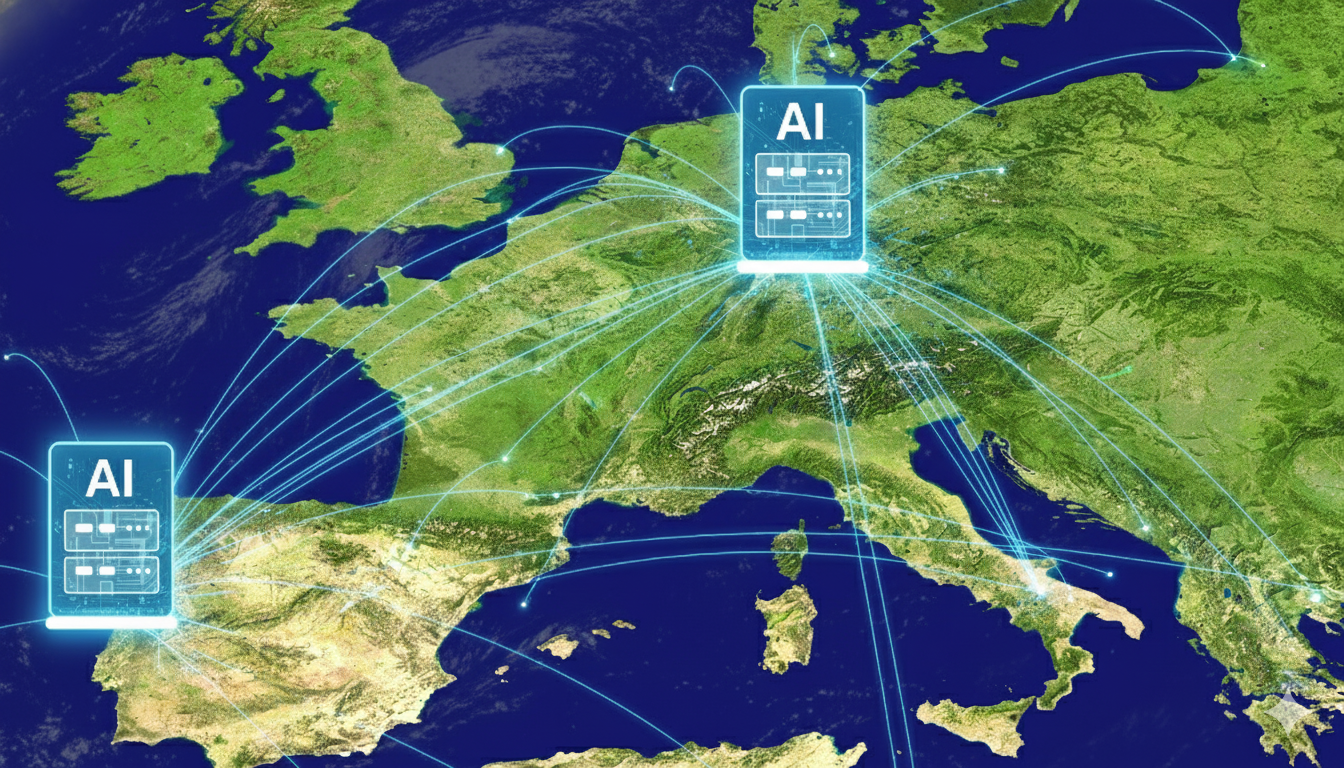
Microsoft just pledged $10 billion to build a sprawling AI data hub in Sines, Portugal.
Partnering with Start Campus and British outfit Nscale, Redmond will pack the Atlantic-side hub with roughly 12,600 next-gen Nvidia GB300 GPUs, turning the quiet port city into a heavyweight cloud and training region for Azure customers across Europe.
One of six planned buildings is already humming, and the Microsoft deployment is set to go live in early 2026, backed by Portugal's cheap renewables and a web of undersea cables that land right on Sines' shoreline. |
Brad Smith called Sines "a very important and attractive" data center spot in Europe, noting the project is larger than Microsoft's entire Spanish footprint. The same day, Google earmarked €5.5 billion ($6.37 billion) for new German AI data centers, underscoring Big Tech's continental land-grab. Beyond capacity, the Sines campus will tap local green-energy projects to keep power-hungry GPUs from torching Microsoft's 2030 carbon-negative pledge.
For Portugal, the news adds to a €2 billion ($2.3 billion) EV-battery gigafactory already underway, cementing the region's status as Europe's next data and energy corridor. Turns out Portugal's hottest new export might be teraflops, not port wine. |
|
|
|
Writer at TechnologyAdvice |
Justin Meyers is an investigative writer and editor who draws on over a decade of meticulous hands-on research to deliver the full, trustworthy story behind consumer and enterprise tech, including cybersecurity. |
|
|
Curious about where AI is really headed? |
The Neuron cuts through the noise to bring you smart, hype-free takes on the latest AI trends, tools, and breakthroughs. Join 500,000+ professionals from top companies like Microsoft, Apple, Salesforce and more.
|
|
|
Advertise in Daily Tech Insider! Daily Tech Insider is a TechnologyAdvice business
© 2025 TechnologyAdvice, LLC. All rights reserved. TechnologyAdvice, 3343 Perimeter Hill Dr., Suite 215, Nashville, TN 37211, USA. |
|
|
|