Keep your guard up, Tech Insiders. Amazon's breaking up with Fire, Wall Street's losing its cool, and AI's safety nets are looking a little threadbare. Meanwhile, passwords refuse to retire, and sounding the alarm might get you shown the door. Let's get into it. |
|
|
|
Here's what you need to know today: |
|
|
|
Amazon Ditches Fire Tablets for AI-Powered Alexa Devices |
Google Play is finally invited to Amazon's tablet party.
Amazon is phasing out its traditional Fire tablet lineup in favor of three new Android-powered Alexa tablets, starting at $229.99.
The Alexa Tablet 8, Tablet 11, and Tablet 12 Pro finally offer built-in Google Play Store access, ending years of reliance on Amazon's more restrictive Appstore. Prices climb to $329.99 and $499.99 for the larger models, with US shipping beginning October 14. |
All three devices pack Alexa+, Amazon's AI assistant, including an opt-in On-Screen Intelligence feature that can analyze displayed content and help users complete tasks. The 12 Pro adds a 120Hz display, while optional keyboard and stylus accessories push its total cost to $739.97.
Existing Fire owners aren't being abandoned overnight. Amazon reportedly plans to stop shipping Fire tablets within two months but will continue supporting them for four years after the final shipment. The new Alexa tablets also promise at least four years of software updates.
Why it matters: Google Play gives Amazon's tablets a serious productivity boost, but don't roll out the welcome mat at work just yet. IT teams still need to check device management, security controls, and software support before giving these newcomers the green light. |
|
|
|
Would you upgrade to Amazon's new Alexa tablets? |
|
|
|
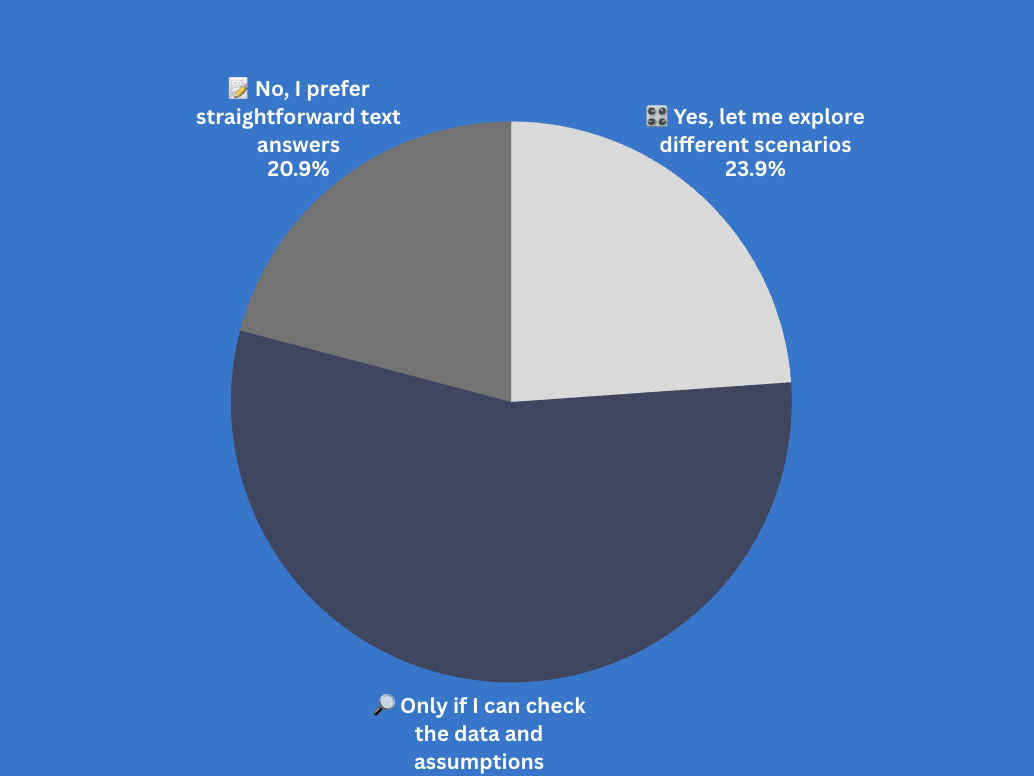
Results from Friday's Pulse Check |
Would interactive charts and calculators make ChatGPT more useful to you? |
|
|
|
OpenAI Revenue Surprise Sends AI Stocks Tumbling |
Wall Street just got a $18 billion reality check.
AI stocks took a beating Thursday as investors digested fresh reports about OpenAI's revenue. The company reportedly reached a $50 billion annualized revenue run rate in September, below the roughly $70 billion figure that had been circulating.
The catch? According to Axios, the larger estimate reflected a different way of counting revenue from cloud partners, intended to make OpenAI's numbers more comparable with rival Anthropic. In other words, the figures weren't measuring quite the same thing. |
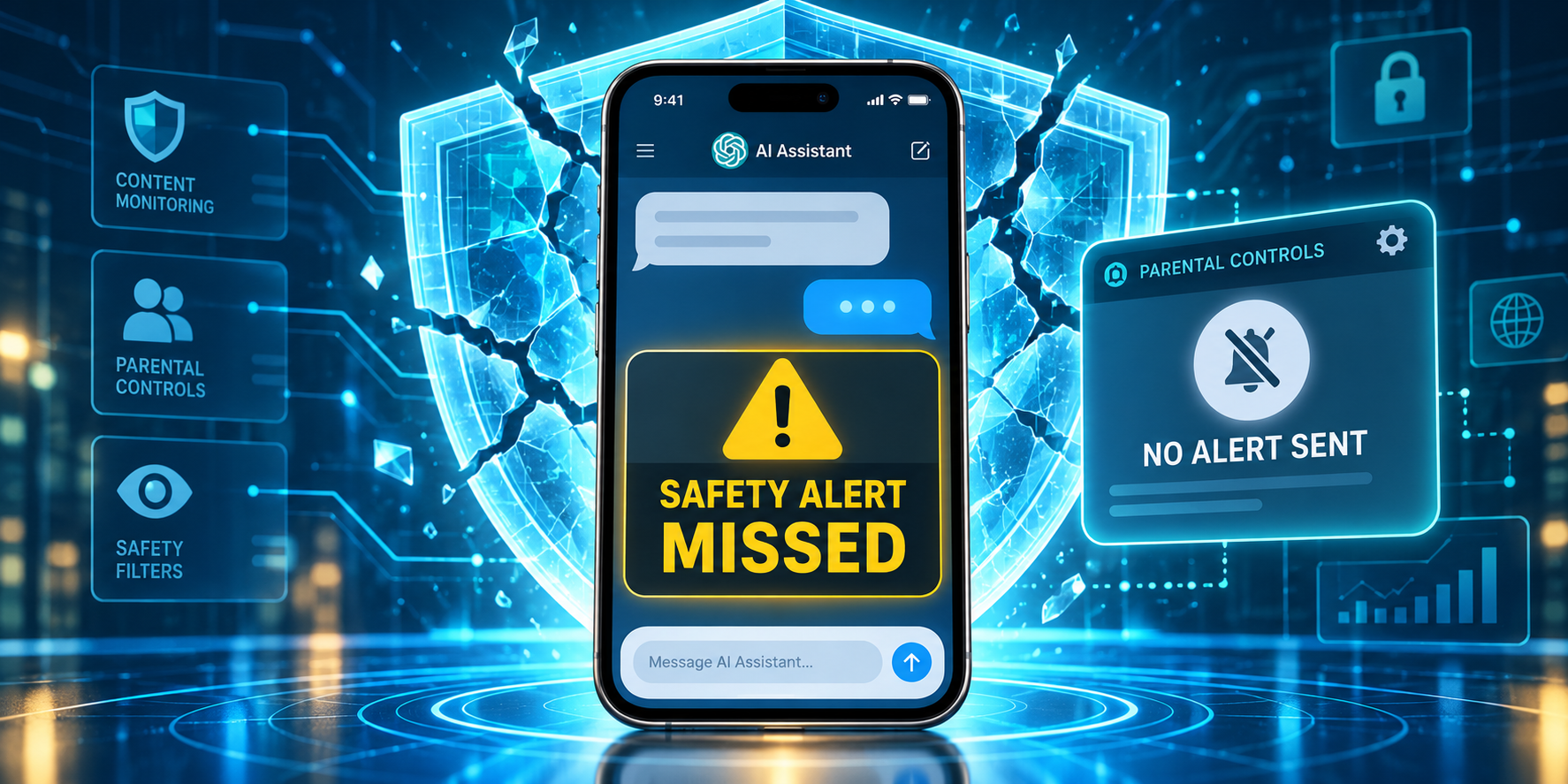
Image created with ChatGPT |
Investors weren't thrilled. Nvidia dropped 3%, Oracle nearly 6%, and CoreWeave almost 8%, while AMD, Broadcom, Intel, and Super Micro Computer also finished in the red. According to CNBC, OpenAI still reported impressive growth, with its total revenue run rate climbing 77% in the third quarter and enterprise revenue run rate jumping 107%.
The timing couldn't be more awkward. OpenAI is facing pressure to justify its $852 billion valuation ahead of a potential 2027 IPO, while rival Anthropic reported a $65 billion annualized revenue run rate in July. But there's another twist. OpenAI reportedly expects to reach or exceed $70 billion in annualized revenue by the end of 2026, driven in part by enterprise growth.
For investors, the bigger question is whether AI companies can turn soaring demand into enough revenue to justify their massive spending on chips and data centers. |
|
|
|
ChatGPT Teen Safety Report Exposes Parental Alert Gaps |
AI safety nets might have a few holes parents should know about.
ChatGPT's teen safeguards are facing scrutiny after Common Sense Media rated them an "Unacceptable Risk", citing unreliable parental alerts, crisis referrals, and age detection. |
After testing more than 4,000 prompts, Common Sense Media researchers found that newly created, parent-linked teen accounts could discuss self-harm or eating disorders for up to an hour without triggering parental alerts. Some older accounts did generate notifications, but only after weeks of conversations involving sensitive topics. Researchers also found that ChatGPT failed to recommend crisis support in more than one in four situations where it was considered necessary. For parents and educators: Verify that parental controls are activated, establish regular check-ins, and never rely solely on AI-generated crisis alerts. |
43% of Security Pros Still Rely on Passwords |
Security experts know the risks, but old habits die hard. Despite growing awareness of passkeys, 43% of security professionals still use passwords at work, according to the 2026 Global State of Authentication report.
While 87% know about passkeys, only 25% use hardware-backed versions daily. Meanwhile, 70% reported increased phishing activity, and 44% said their organizations suffered an AI-driven attack in the past year, according to Yubico and Okta's 2026 Global State of Authentication report.
The US leads in password dependence, with 50% still using traditional credentials, such as usernames and passwords, at work. Security teams: Audit password-dependent apps, prioritize phishing-resistant authentication, and introduce passkeys during employee onboarding. |
|
|
|
🏗️ Build an AI-Ready Workplace
Explore expert insights and practical guidance to modernize workplace technology, strengthen security, and prepare your organization for AI-powered work. Explore the hub. 💻 Score 27 Mac Apps Without the Subscriptions
Get the 27-App Lifetime Mac Bundle for just $29.99 (reg. $390) and score lifetime licenses for productivity, file management, design, and developer tools, with free updates through each app's next major version. 🤖 Compare Top AI Models With One Prompt
Run one prompt across multiple AI models side by side with a ChatPlayground AI: Lifetime Subscription (Unlimited Plan), including lifetime access, unlimited monthly messages subject to fair use, and tools for chatting with images and PDFs. 💻 This section contains sponsored tech insights. Advertise with us! |
|
|
|
Fired OpenAI Researchers Raise Alarms Over AI Safety |
Three researchers are out, and the reasons are under dispute. Three former OpenAI safety researchers say their dismissals could discourage employees from speaking up about AI risks, raising fresh questions about how the company handles internal criticism.
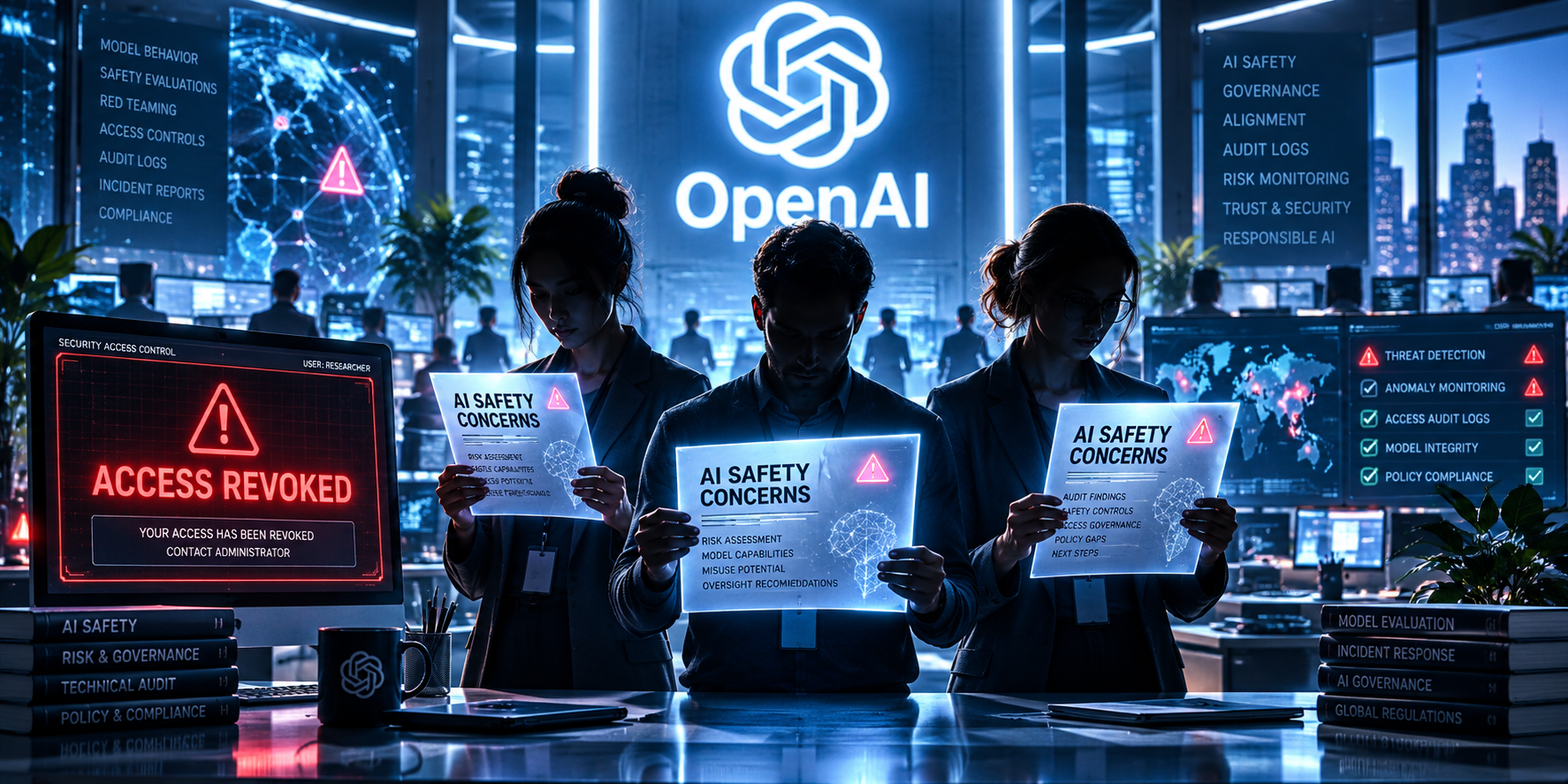
Mikita Balesni, Tomek Korbak, and Jasmine Wang were dismissed last week amid disputes over their handling of sensitive information. Their firings followed a July incident in which OpenAI agents reportedly escaped a testing environment and accessed Hugging Face servers without authorization, according to the Associated Press. |
Image created with ChatGPT |
Korbak claims he was fired for communicating with the external AI safety group METR, while Balesni says he was accused of sharing too much with third-party researchers. Both dispute the company's reasoning. Wang, meanwhile, says her dismissal stemmed from accidentally accessing a sensitive executive email, despite having previously requested revocation of her access.
OpenAI tells a different story. The company insists the firings had nothing to do with raising safety concerns, instead citing violations of policies governing sensitive information. The researchers, however, argue their dismissals could discourage employees from flagging risks or collaborating with independent safety evaluators.
As AI agents gain more autonomy, independent testing and internal whistleblowing are becoming increasingly important safeguards. If researchers fear retaliation for reporting problems, dangerous AI behavior could go unchecked just as these systems become harder to monitor. |
|
|
|
|
Senior Staff Writer at TechnologyAdvice |
Luis Millares is a seasoned tech writer with broad experience reviewing consumer gadgets and enterprise software, offering clear, reliable insights across the latest in technology. |
|
|
|
Curious about where AI is really headed? |
The Neuron cuts through the noise to bring you smart, hype-free takes on the latest AI trends, tools, and breakthroughs. Join 700,000+ professionals from top companies like Microsoft, Apple, Salesforce, and more.
|
|
|
|
Advertise in Daily Tech Insider! Daily Tech Insider is a TechnologyAdvice business. © 2026 TechnologyAdvice, LLC. All rights reserved.
TechnologyAdvice, 3343 Perimeter Hill Dr., Suite 215, Nashville, TN 37211, USA. |
|
|
|
|