Mind the bots, Tech Insiders.
Citi says humanoids are clocking in, Meta's dropping $100B on an AMD mountain, and Nvidia's hijacking your next laptop. Let's scan the circuit board before it scans us. |
|
|
Here's what you need to know today: |
|
|
Citi Exec Predicts Robot Takeover Timeline |
The pink-slip parade might arrive on hydraulic legs.
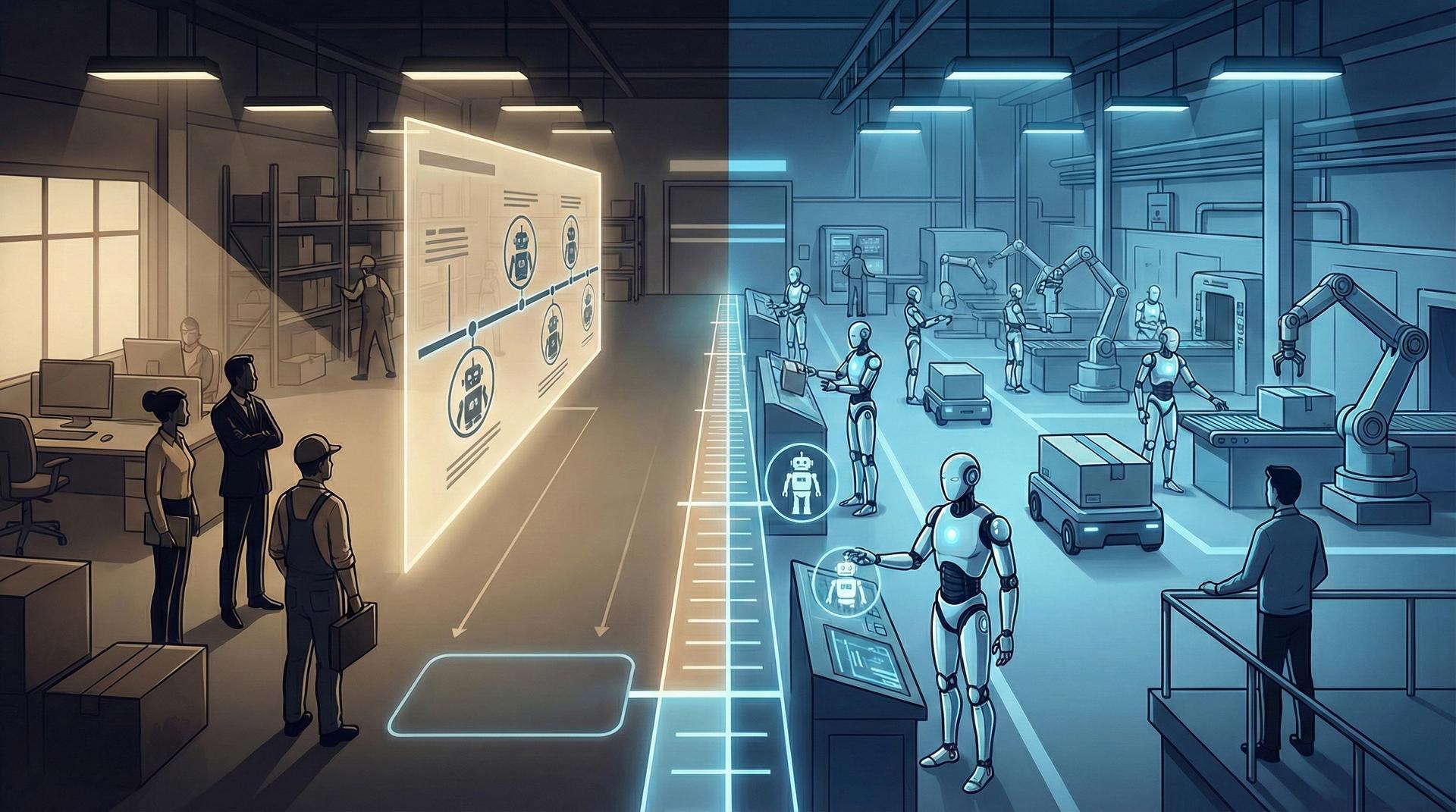
Rob Garlick, Citi's ex–future-of-work guru, told CNBC this week that AI robots will outnumber human workers within a few decades, ballooning to 1.3 billion by 2035 thanks to plunging hardware costs and relentless profit math. His 2024 Citi report shows that a $35,000 humanoid can repay itself in nine weeks when swapped for a $41-an-hour employee, and cheaper models can slice the breakeven to under four.
Late last year, McKinsey researchers estimated that up to 50% of US work hours could be automated with today's tech.
Oxford Economics echoes the drumbeat, warning that 20% of US jobs—especially in trucking, warehousing, and hospitality—sit in physical automation's crosshairs over the next two decades. |
Image created with Nano Banana Pro |
Meanwhile, McKinsey already fields 20,000 AI "agents" internally, and Amazon's latest warehouse tour flaunts Roomba-like haulers and label-slapping arms built to skip water breaks. Even Toyota just signed a robots-as-a-service deal for Agility Robotics' Digit, while Unitree vows to ship 20,000 flip-happy humanoids this year.
Not everyone's cheering. Federal Reserve governor Lisa Cook cautions that displacement could nudge unemployment higher before new roles emerge, and unions are racing to bake AI clauses into contracts. Anthropic engineer Boris Cherny sums up the vibe: if your job lives in a browser tab or a forklift bay, brace for "painful" change.
Why it matters: Whether you're a coder or a cart loader, the countdown to collaborating or competing with tireless, bathroom-free colleagues has begun. Hone the skills bots stink at (judgment, supervision, unscripted nuance) or risk being the carbon-based cost center on tomorrow's balance sheet. |
|
|
If your favorite coffee shop replaced baristas with robots, you would... |
|
|
Results from Yesterday's Pulse Check |
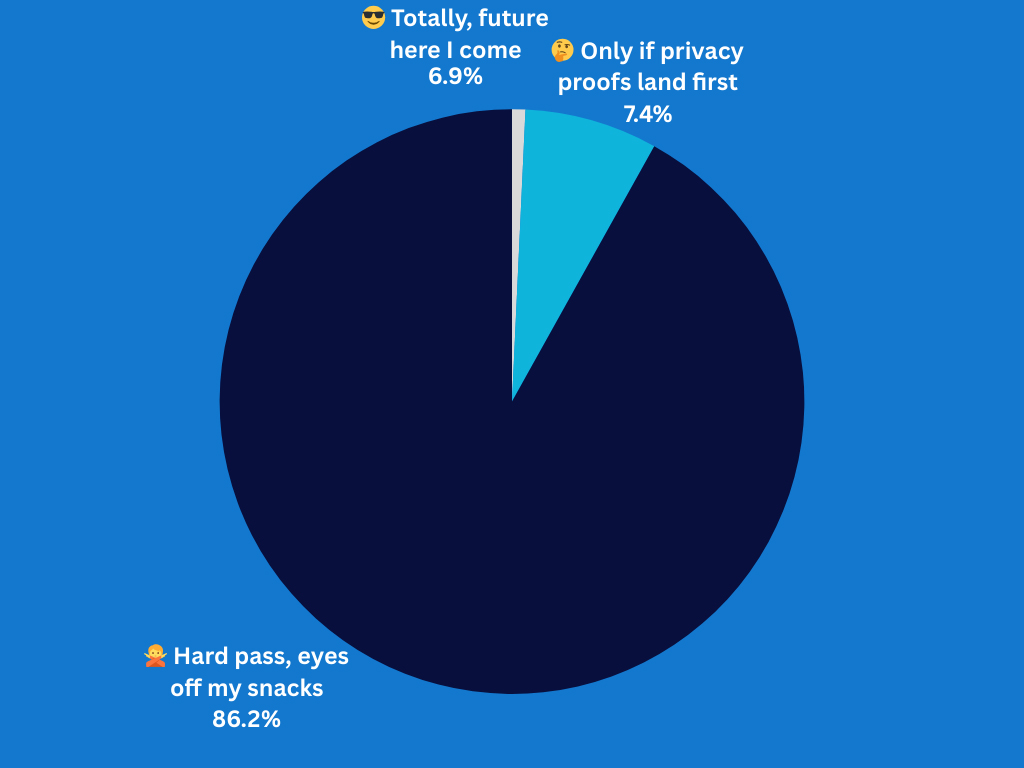
Would you trust a camera-equipped OpenAI speaker in your living room? |
|
|
Meta Locks an Estimated $100B GPU Pact With AMD |
Meta officially inked a multiyear agreement on Tuesday to scoop up more than $100 billion worth of AMD Instinct GPUs and EPYC CPUs. It's enough silicon to power six gigawatts of new AI data centers, so Mark Zuckerberg can build us all a "personal superintelligence."
The contract comes with a sweetener, too. Performance-based warrants could hand Meta up to 160 million shares, or 10% of AMD, if the chipmaker's stock tops $600 and shipment milestones are met, mirroring AMD's October deal with OpenAI. |
AMD will spin a custom MI450-class GPU and 6th-gen "Venice" EPYC CPU for Meta's inference workloads, with the first gigawatt's worth shipping on the joint Helios rack architecture in the second half of 2026.
The move gives AMD a marquee win against Nvidia's near monopoly (thrusting it into direct competition with custom-chip king Broadcom), while Meta hedges its massive 2026 cap-ex plan (already pegged at $135 billion) with a second supplier.
Wall Street noticed: AMD jumped 7% on the news, even after Meta committed to "millions" of Nvidia GPUs last week. The circular-financing arms race may spook bubble watchers, but for now, the chips (and shares) keep flying. Apparently, diversification now means owning the supplier's lunch and then eating it. |
|
|
💾 Fix AI Memory Bottlenecks Fast
TechRepublic's guide on How to Solve Memory Bottlenecks Impeding AI Apps unpacks CXL breakthroughs and retrieval pyramids to keep your AI workloads humming instead of choking on RAM limits. 🤖 Fast-Track Your AI Analyst Hunt
The AI Analyst Hiring Kit helps you find and hire top AI analysts with a complete recruiting package filled with salary benchmarks, turnkey job specs, and precision interview prompts. 🐍 Boost Your Python Mastery for 88% Less
The 2026 Python All-in-One Course Bundle packs 11 courses and 61 hours of hands-on training for $39.99, empowering you to build GUIs, web apps, and data projects while pocketing an 88% savings. 💻 This section contains sponsored tech insights. Advertise with us! |
|
|
Audit Risk Is Shifting—Secure Your Seat |
Compliance effort is rising, but audit confidence isn't.
Join The State of Audit and AI Compliance in 2026 on March 19 at 1:00 p.m. ET for a research-backed discussion led by Thoropass. The session will examine where compliance programs are struggling, why audit execution has become the primary risk, and how leaders are restoring governance and visibility.
|
|
|
Claude Cloning Siege Triggers AI IP Alarms |
Anthropic says three Chinese labs, specifically DeepSeek (150K queries), Moonshot (3.4M), and MiniMax (13M), used 24,000 fake accounts to run 16 million prompts, siphoning Claude's agentic reasoning and coding tricks in an illicit distillation spree. Uncovered on Monday, the attacks dodged China geoblocks using proxy "hydra" networks. |
Image created with ChatGPT |
Richly ironic for an industry built on uncompensated data scraping? Absolutely. But with DeepSeek V4's release looming, the competitive panic is palpable.
Anthropic is deploying behavioral fingerprinting and stricter vetting. If you run public LLM endpoints, slam the gate: cap query rates, flag chain-of-thought requests, geo-block risky regions, and watermark sensitive outputs. |
Therapy Apps Spill Secrets Through 1,500 Holes |
Oversecured's audit of 10 Android mental-health apps with a combined 14.7 million installs found 1,575 flaws exposing therapy transcripts and mood logs—including 54 high-severity bugs.
Since these apps rarely fall under HIPAA, your data is legally unprotected and technically vulnerable. Weak token generation in several apps and hijackable intents let sketchy third-party software peek at records fetching more than $1,000 on the dark web. Despite the severity, most apps haven't been updated in months. You should update or ditch affected apps, purge suspicious third-party junk (like that free flashlight app), trim permissions, stay unrooted, and clear old session data. Enterprises should demand patch SLAs and run pen-tests. |
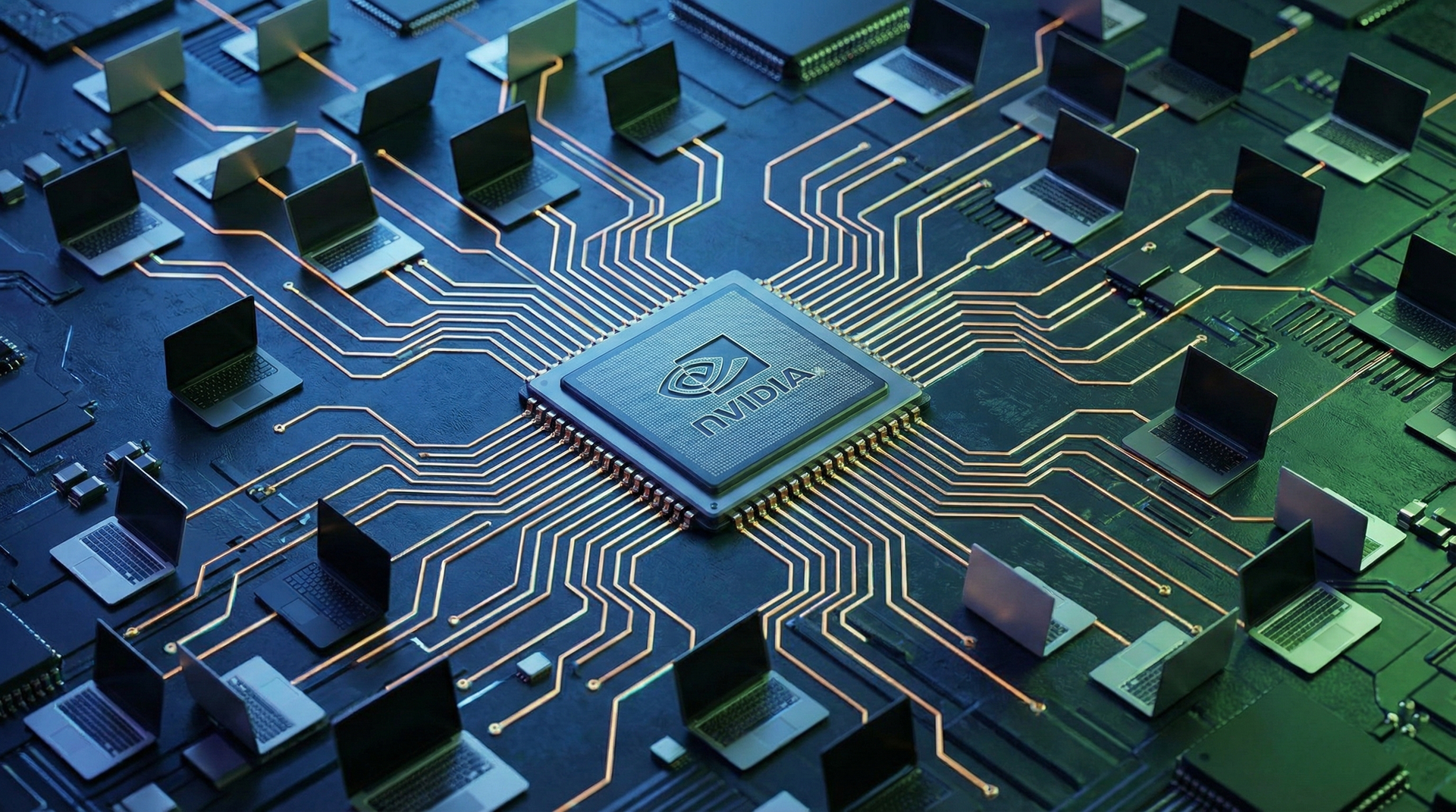
Nvidia Plots Arm Laptop Chip Comeback
|
Image created with Nano Banana Pro |
The SoCs cram CPU, GPU, and neural engines onto one slab of silicon, shrinking thermals enough for thinner, lighter Windows machines while chasing the mandatory AI horsepower Microsoft touts for its Copilot+ AI club.
Analysts say Nvidia must keep retail prices in the $1,000–$1,500 range or risk becoming a boutique option, and Arm software compatibility, especially for AAA games, remains a wild card.
Still, the stakes are high. Tapping into a market that moves 150 to 200 million laptops annually would extend Nvidia's CUDA moat from cloud servers to café tables, squeeze Qualcomm's Snapdragon X ambitions, and give PC makers a fresh weapon against Apple Silicon. Fail, and it's just another expensive detour in the company's GPU joyride.
Turns out, the only thing Nvidia loves more than total server dominance is a good old-fashioned hardware turf war. |
|
|
|
Writer at TechnologyAdvice |
Justin Meyers is an investigative writer and editor who draws on over a decade of meticulous hands-on research to deliver the full, trustworthy story behind consumer and enterprise tech, including cybersecurity. |
|
|
Curious about where AI is really headed? |
The Neuron cuts through the noise to bring you smart, hype-free takes on the latest AI trends, tools, and breakthroughs. Join 500,000+ professionals from top companies like Microsoft, Apple, Salesforce and more.
|
|
|
Advertise in Daily Tech Insider! Daily Tech Insider is a TechnologyAdvice business.
© 2026 TechnologyAdvice, LLC. All rights reserved. TechnologyAdvice, 3343 Perimeter Hill Dr., Suite 215, Nashville, TN 37211, USA. |
|
|
|