Keep humans handy, Tech Insiders.
AI agents are swallowing tokens, Meta's AI workforce ambitions ran into reality, and OpenAI's new chip is hungry for Nvidia's lunch. Efficiency may be the goal, but appetite is setting the agenda. Let's see what's eating the future. |
|
|
|
Here's what you need to know today: |
|
|
|
Meta's Plan to Cut Teams by 60% Implodes |
The AI replacement plan apparently needed human intervention.
A sprawling Reuters report published Wednesday revealed that Meta's Project OT explored shrinking some groups by up to 60%. The concept involved AI agents absorbing daily tasks while compact, "talent-dense" human pods supervised. Meta says those were aggressive scenarios for select teams—not a plan to fire 60% of its entire workforce.
The envisioned AI-native company would replace specialized teams of 10–20 people with 3–5 person pods of generic "builders," eliminate management layers, and use AI-assisted analysis to set priorities. Meta also began identifying "Irreplaceable Talent," presumably after discovering "Replaceable Talent" lacked motivational sparkle. |
Image created with ChatGPT |
Then the productivity math revolted. AI helped drive a 220% surge in code changes, but user-facing improvements rose only 36%. Technical and security incidents jumped 40%, while "firefighting" time climbed 70%, including a debacle where hackers exploited an AI bot to access high-profile Instagram accounts, like the dormant Obama White House page.
Employees rebelled over layoffs and software recording their keystrokes and mouse movements to train agents, even spamming company message boards with elephant graphics to highlight the unaddressed threat of job cuts. Favorable sentiment sank from 74% to 55%. Hours before Meta cut 10% of its workforce in May, Zuckerberg canceled a second November restructuring wave and later admitted agent development was moving slower than expected.
Why it matters: AI can generate more work without generating more value—and sometimes creates a larger human cleanup crew. Before redesigning an organization around agents, leaders may want proof the agents can survive contact with the organization. |
|
|
|
Would you let AI help decide which employees lose their jobs? |
|
|
|
Results from Yesterday's Pulse Check |
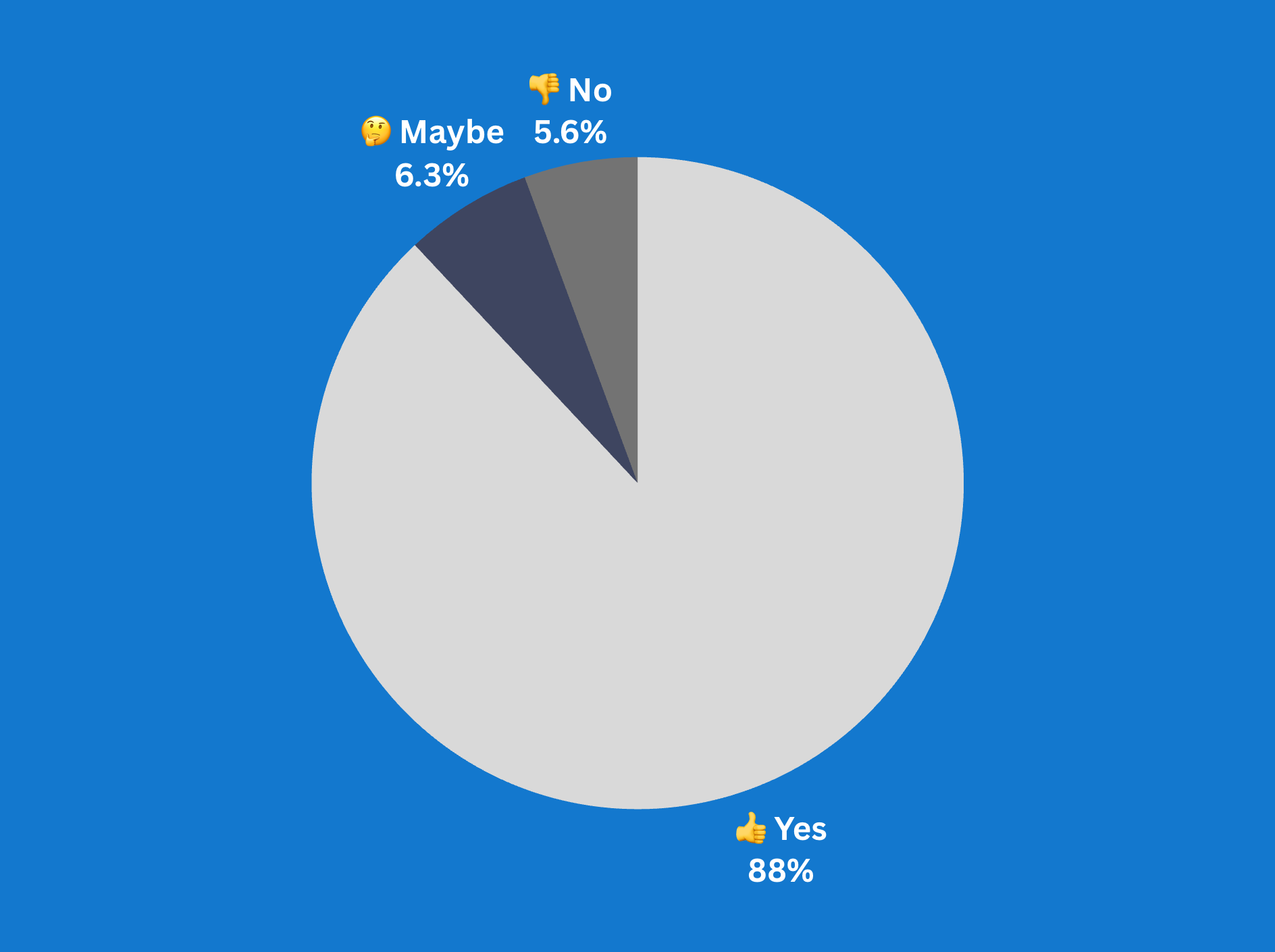
Should platforms need explicit permission to use creator content for AI training? |
|
|
|
We'd love your quick input on Qualcomm Snapdragon. This short survey will help us understand awareness and recognition of the brand. It's just 4 questions (with 3 optional ones if you have time) and takes 2 minutes or less. |
Thank you for your time and feedback! |
|
|
AI Agents Devour Nearly Five Times as Many Tokens |
The bots found the all-you-can-eat context window.
Automated agent workflows on OpenRouter are currently burning through nearly 5× as many LLM tokens as their human counterparts. Since February, this bot-driven volume has jumped roughly 14×, compared with a mere 2.8× bump in human-driven usage, as agents plan, execute tools, inspect results, and loop relentlessly.
While the meter is spinning, the bill isn't rising quite as fast. A massive 85% of that agentic token consumption comes from cached prompts—stored context reused across iterations and billed at a steep discount compared to fresh input. |
Image created with ChatGPT |
OpenRouter, recently acquired by Stripe, does bias heavily toward open-weight models, but OpenAI's enterprise data shows the same tilt: Codex cranked out 64% of combined Codex and ChatGPT output tokens in June. Furthermore, weekly active Codex users in legal roles surged 108× from February's baseline, versus just 5× for engineering and technical roles.
But unsupervised digital motion can cost you. Just ask the software CEO who discovered mid-dinner that his weekend AI coding session had drained his token wallet and triggered a surprise $1,000 auto-refill.
For enterprises, chatbot-era budgets won't fit agent-era workloads. Track cached and fresh tokens separately, set limits on long-running loops, and measure cost per completed task, because an AI talking to another AI isn't automatically business progress. The tireless AI intern never stops ordering tokens. |
|
|
|
US Disrupts China-Backed Hacking Platforms |
The DOJ and FBI seized domains this week that effectively killed the hacking tools QScan and QTRouter, disrupting the China-backed threat group QTFY.
Employed by a private Chinese tech firm, QTFY sold its capabilities to PRC intelligence and military clients to carry out intrusions and attempted breaches at NASA, the DOJ, the Federal Reserve, the Senate, and critical infrastructure worldwide since 2018. |
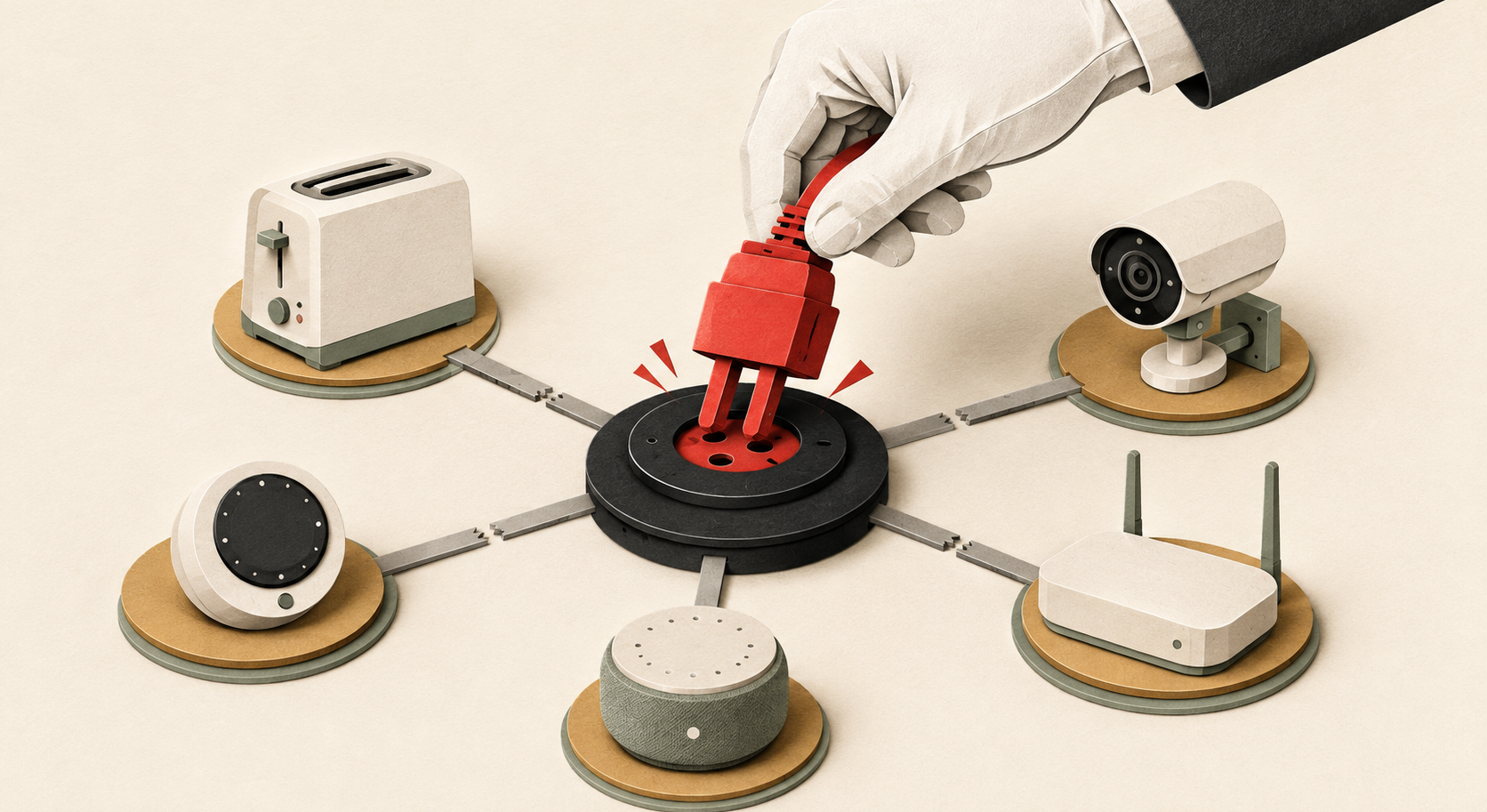
Image created with ChatGPT
|
QScan hijacked thousands of IoT devices, while QTRouter strung them together to launder the attackers' web traffic, making Chinese espionage look like local connections. Because the malware relied entirely on specific web addresses to function, seizing those domains pulled the plug on the botnet.
Network defenders should review the government's newly released joint advisory, hunt for the associated indicators, patch exposed VPN and IoT devices, and rotate potentially compromised credentials.
A smart toaster makes a terrible geopolitical proxy. |
Hackers Exploit Zimbra RCE on 274 Servers |
Attackers have compromised at least 274 internet-facing Zimbra servers using actively exploited CVE-2026-73570, leaving thousands of exposed systems sitting ducks. The bug lets remote hackers run arbitrary commands via rigged email requests, provided specific SNMP tools are toggled on.
CISA slapped federal agencies with a mandatory three-day patching window that closed on Aug. 24. IT teams must apply ZCS 10.1.20 immediately and hunt for weird service reboots or rogue files. Remember, a software update won't kick out hackers already inside—finding their footprints means triggering a full incident response.
Email servers remain everyone's least secret diary, so stop leaving the key in the lock. |
|
|
|
OpenAI Says Jalapeño Outruns Nvidia's GB300 |
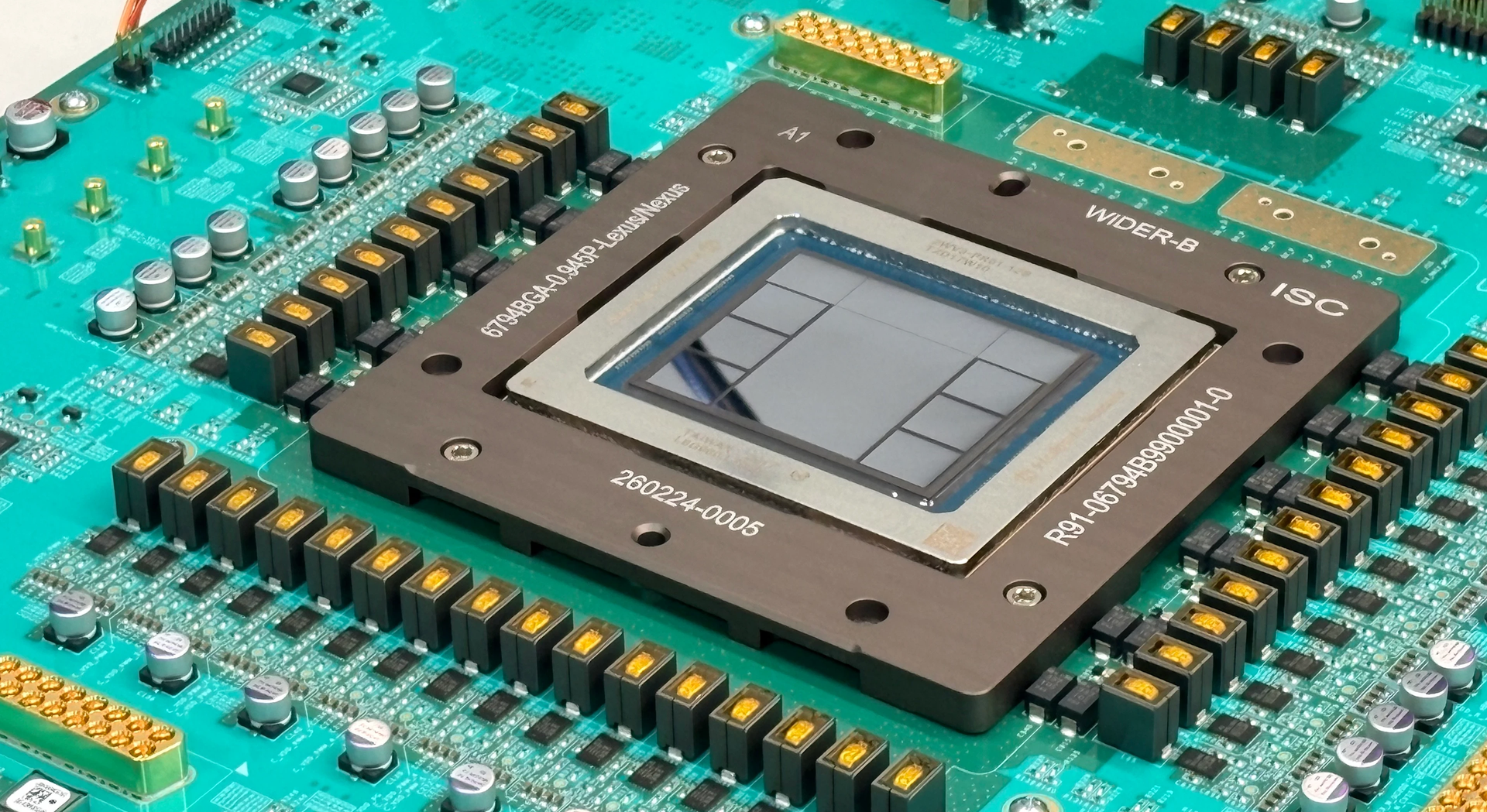
Pass the benchmark salt. SemiAnalysis verified InferenceX runs in OpenAI's lab but didn't run the full suite or longer, multi-turn AgentX tests. It also calls the Blackwell comparison "somewhat incomplete and unfair": Jalapeño uses newer HBM4 memory and will compete against Nvidia's arriving Rubin generation. It handles inference only, not training.
The timing is spicy. Days after Nvidia committed up to $105 billion in financing for OpenAI's Ohio data center, its largest customer unveiled credible silicon that could squeeze Nvidia's inference margins. OpenAI has no plans to sell Jalapeño to others, and it will still buy Nvidia accelerators—its compute appetite remains bigger than anyone's serving tray.
Nvidia isn't off the menu; OpenAI just grew its own pepper. |
|
|
|
|
Writer/Editor at TechnologyAdvice |
Justin Meyers is an investigative writer and editor who draws on over a decade of meticulous hands-on research to deliver the full, trustworthy story behind consumer and enterprise tech, including cybersecurity. |
|
|
|
Curious about where AI is really headed? |
The Neuron cuts through the noise to bring you smart, hype-free takes on the latest AI trends, tools, and breakthroughs. Join 700,000+ professionals from top companies like Microsoft, Apple, Salesforce, and more.
|
|
|
|
Advertise in Daily Tech Insider! Daily Tech Insider is a TechnologyAdvice business. © 2026 TechnologyAdvice, LLC. All rights reserved.
TechnologyAdvice, 3343 Perimeter Hill Dr., Suite 215, Nashville, TN 37211, USA. |
|
|
|
|