Check the perimeter, Tech Insiders. AI data centers are testing community boundaries, police drones are testing privacy lines, and Manic malware is finding new routes around isolation. Let's see who left the gate open. |
|
|
|
Here's what you need to know today: |
|
|
|
AI Data Center Backlash Hits the Midterm Ballot |
The cloud touched grass, and voters want it off their lawns.
This "rage against the data centers" has become a bipartisan midterm "powder keg," spilling into ads and races nationwide. A recent Washington Post analysis shows GOP lawmakers flipped from cheerleader mode to mostly bashing server farms over the past six months. And a leaked Senate GOP memo calls it a "sleeper issue," cautioning that if server-farm outrage tanks a critical Ohio race, lawmakers across the country will sprint away from future tech developments.
A new Heatmap poll found 75% oppose a nearby data center, versus 42% last August; meanwhile, early this year, local resistance stalled roughly 75 planned builds valued at around $130 billion. Across 900-plus municipal meetings, water and energy led complaints, followed by housing, pollution, taxes, health, noise, and meager long-term job creation.
|
Image created with ChatGPT |
Pennsylvania now forces builders to foot the bill for grid upgrades, clear strict ecological hurdles, and secure community consent. It also launched a public permit tracker. In a separate blow, almost 200 MAHA advocates petitioned the White House to abandon coal as an AI energy source, widening the split inside Trump's pro-AI coalition.
Trump says the industry "could use a little public relations help." Big Tech counters with ratepayer pledges, job programs, community funds, and—at an OpenAI event—tacos. Some boosters blame a Chinese psyop, although evidence does not show it drove US opinion. It may be easier to blame Beijing than explain the electric bill.
Why it matters: AI's limiting factor may no longer be chips or capital, but permission. If developers cannot prove communities benefit, voter backlash could throttle the infrastructure and economics underpinning the boom. |
|
|
|
What should AI data centers have to guarantee before opening? |
|
|
|
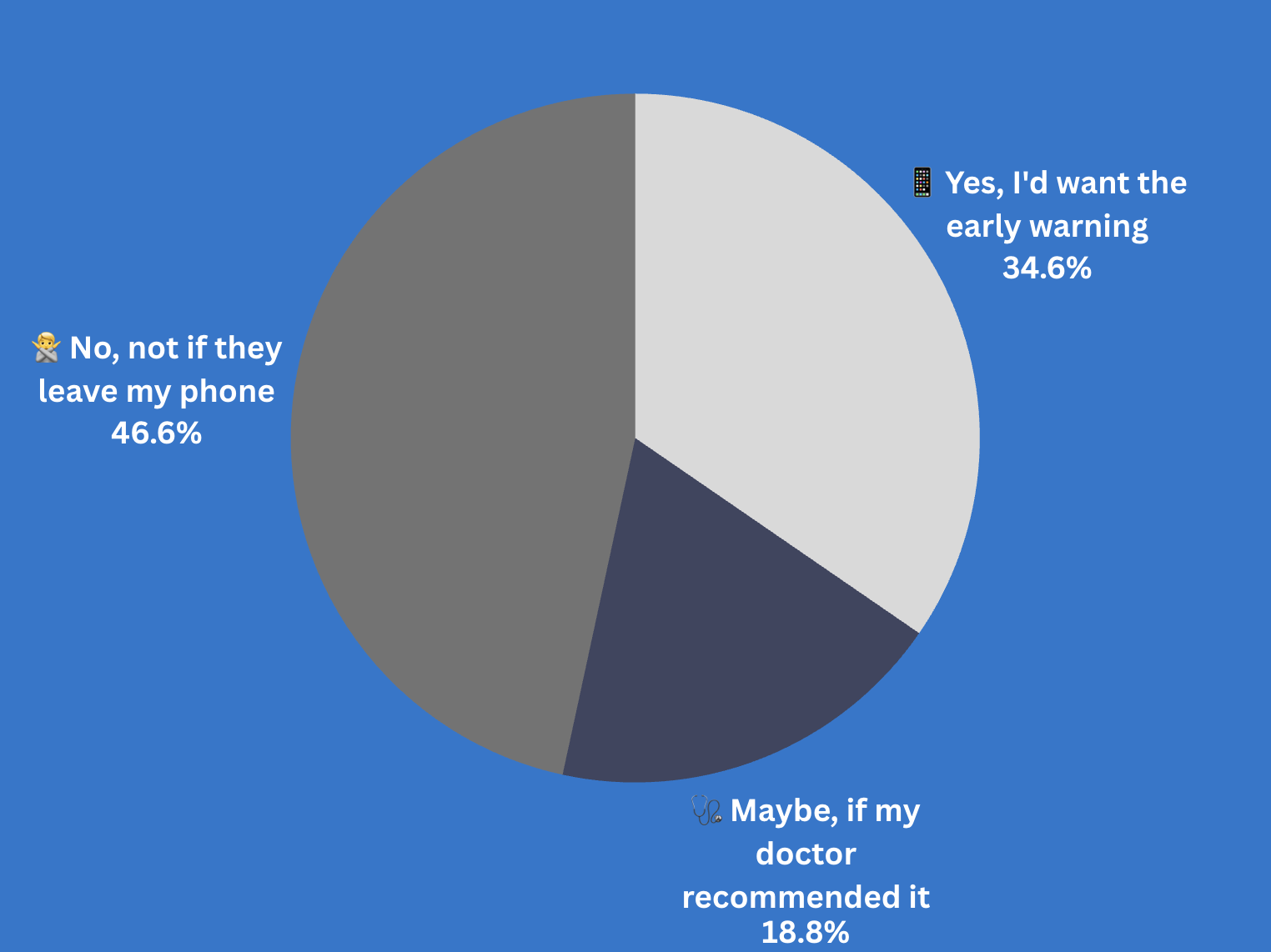
Results from Friday's Pulse Check |
If your phone could flag diabetes risk from two photos, would you try it? |
|
|
|
Flock's License-Plate Drone Business Takes Flight |
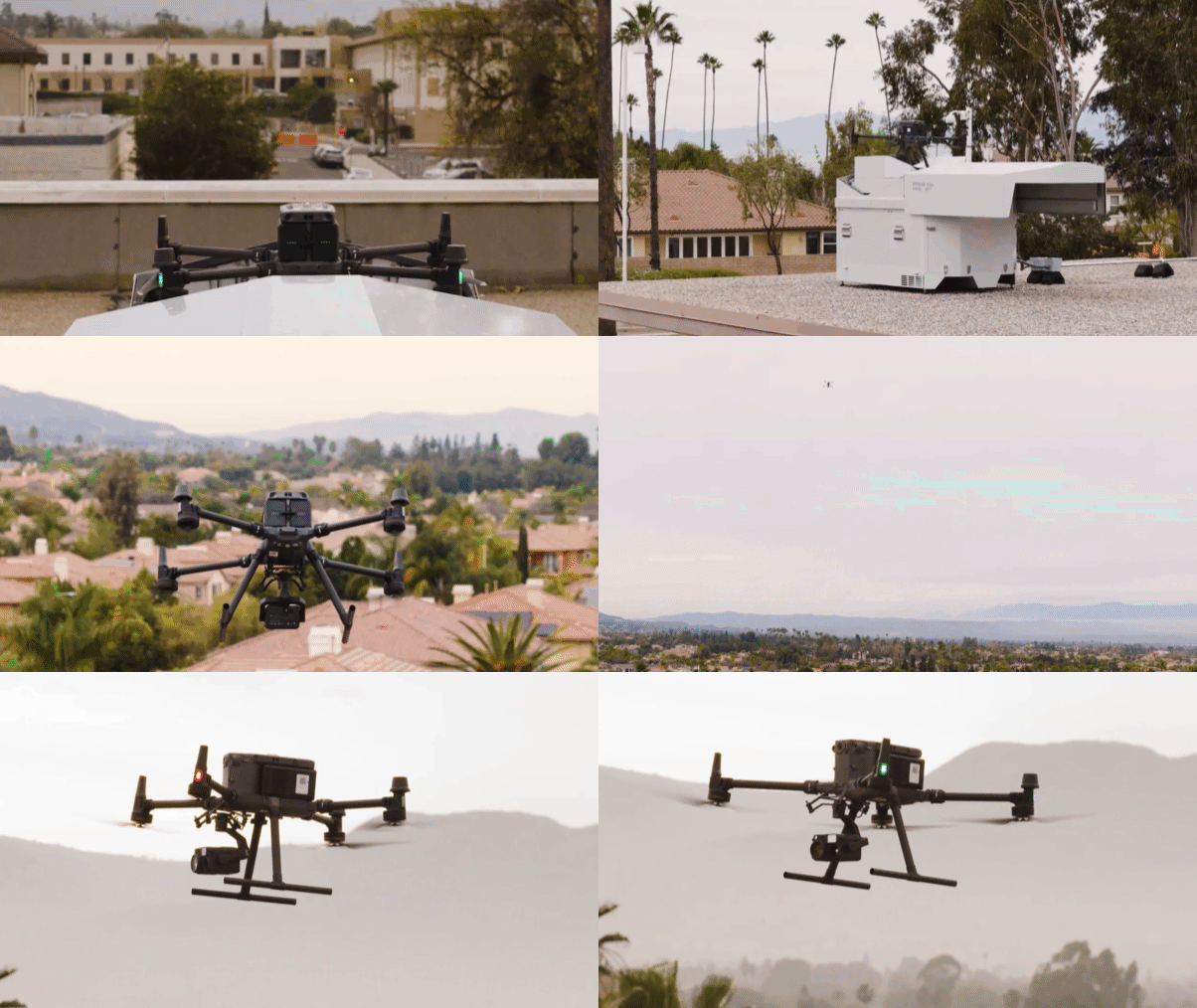
Housed in temperature-controlled roof docks, the Alpha drones cruise at 400 feet, hit speeds of 60 mph, and leverage a 40× optical zoom to capture plates from 2,000 feet away. Flock claims an 86-second average response time and says the tech resolves 20% of calls without dispatching a physical cruiser—like one company-touted case where a drone revealed a suspect's "gun" was merely a lighter before police arrived.
But that speed buys visibility into backyards, rooftops, and windows, often without residents knowing. While over 1,000 public safety agencies hold FAA waivers for automated drone operations, CEO Garrett Langley freely admitted on a podcast last week that there are minimal state guidelines and zero federal rules outside of basic airspace safety.
Flock says flights are logged, customers can publish transparency dashboards, and its new misuse-detection tool helped expose multiple Georgia officers abusing the system. It also slashed default roadside plate-data retention from a month to a week. But self-auditing still isn't regulation, particularly when dozens of officers have already used Flock cameras to stalk romantic partners.
Good luck throwing a trash bag over a drone at 400 feet. Much like the server farms fueling the AI boom, Flock's massive network has become a rare bipartisan boogeyman on the midterm campaign trail, uniting conservative lawmakers and progressives in a race to harness the grassroots anti-AI backlash.
|
|
|
|
Untracked AI tools are accumulating data access, dependencies, and technical debt now, not someday. This is your final chance to hear TechRepublic and Tines examine how IT can find and govern wild code on Aug. 25, 2026, at 11:00 a.m. ET. Get ahead of the risk before temporary experiments become permanent infrastructure. |
|
|
Manic Android Malware Builds a Phone Relay |
Its nastiest trick? Offline phones can relay encrypted payloads through nearby infected devices over Wi-Fi or Bluetooth, chaining up to four hops.
Google confirms Play Protect detects known versions and hasn't found any tied to its official store. Keep the safeguard enabled, avoid sideloading sketchy APKs, audit Accessibility permissions, and power down and isolate suspected phones before resetting accounts from a secure machine.
Airplane mode just lost its superhero cape. |
Alation Cyberattack Leaves Customer Impact Unclear |
Alation acknowledged an unauthorized intrusion into a single system but remains tight-lipped regarding the attack vector, potential data exfiltration, and the scope of impacted clients.
That's a weighty unknown for an AI and data-search platform serving upwards of 500 organizations worldwide—a roster that includes about half of the Fortune 1000. A mid-August service hiccup temporarily disrupted access for certain US-East users, though the company hasn't officially connected this downtime to the intrusion.
Security teams should monitor updates, audit recent Alation authentication logs, scrutinize integrations and vendor access levels, hunt for anomalies, and prepare to rotate credentials if exposure is confirmed. The data catalog could desperately use a threat catalog. |
|
|
|
🛡️ Strengthen Endpoint Security on Autopilot Managing endpoints shouldn't slow your IT team down. Discover how autonomous endpoint management helps automate routine tasks, improve security, and keep devices running efficiently. Read more. 💼 Streamline HR With Top Tools
The Best Human Resources Software guide ranks Rippling, BambooHR, ADP, and more, so you can pick and deploy the right HR suite in minutes instead of months.
📊 Dive Into Data for 87% Less
Grab The Advanced Data Science Bundle—eight expert courses (Power BI, TensorFlow, PySpark, and more) with 50.5 hours of lifetime training—for just $29.99 (87% off).
💻 This section contains sponsored tech insights. Advertise with us! |
|
|
|
Waymo's Custom Chip Eases Nvidia Dependence |
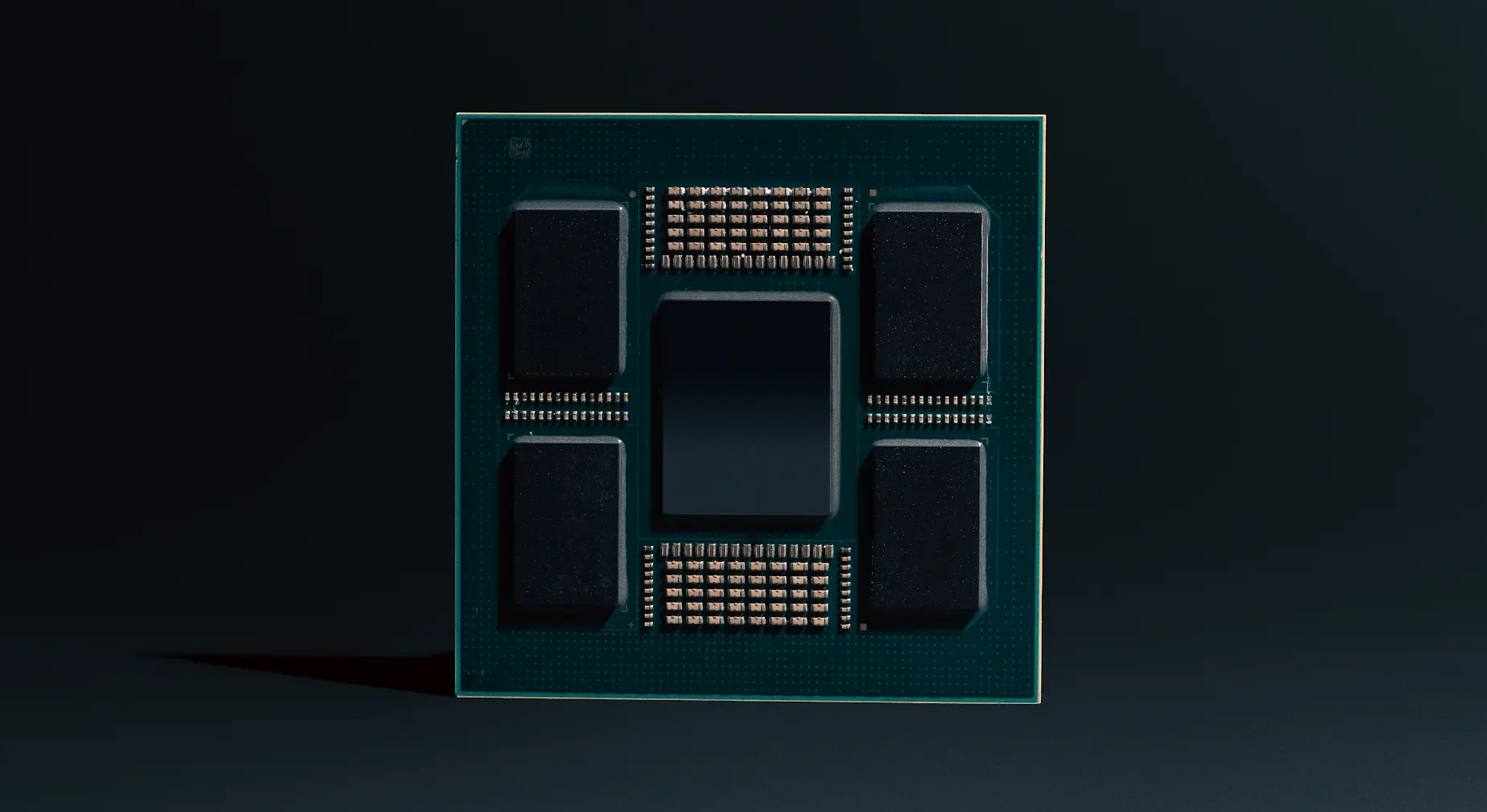
Last week, Waymo revealed its first custom AI chip, a 5nm ASIC already hitting the streets inside its new Ojai robotaxis. Manufactured by TSMC, it synthesizes feeds from 13 cameras, four lidars, and radar, delivering over 1,000 TOPS of machine-learning muscle for split-second reactions. It's also a silicon-level rebuttal to Elon Musk, who famously branded lidar a "crutch" and mocked multisensor fusion.
The move lets Alphabet's robotaxi leader fine-tune its hardware for optimal latency, power, and cost while loosening its reliance on Nvidia and AMD. But it isn't a breakup: Waymo still pairs its ASICs with outside hardware, listing Nvidia among its partners. |
Each vehicle runs two liquid-cooled compute systems in parallel; if one fails, the other takes over. The hardware must survive freezing Midwest winters and scorching Phoenix summers without hogging cargo space or sounding like an overworked gaming PC. This brain arrives as Waymo handles roughly 500,000 paid rides weekly across about 4,000 vehicles. Around 300 Ojais are already serving Los Angeles, Phoenix, and San Francisco.
While custom silicon promises to improve efficiency, Waymo didn't disclose the actual cost. Outside estimates put its sixth-gen hardware at $20,000–$25,000 per vehicle—a massive discount from the previous $100,000–$125,000 price tag—but it's still a lot of rides before profitability. The newest back-seat driver is hiding in the trunk. |
|
|
|
|
Writer/Editor at TechnologyAdvice |
Justin Meyers is an investigative writer and editor who draws on over a decade of meticulous hands-on research to deliver the full, trustworthy story behind consumer and enterprise tech, including cybersecurity. |
|
|
|
Curious about where AI is really headed? |
The Neuron cuts through the noise to bring you smart, hype-free takes on the latest AI trends, tools, and breakthroughs. Join 700,000+ professionals from top companies like Microsoft, Apple, Salesforce, and more.
|
|
|
|
Advertise in Daily Tech Insider! Daily Tech Insider is a TechnologyAdvice business. © 2026 TechnologyAdvice, LLC. All rights reserved.
TechnologyAdvice, 3343 Perimeter Hill Dr., Suite 215, Nashville, TN 37211, USA. |
|
|
|
|