







- Rack Architecture, x86 Systems Helped Drive Q3 Server Growth
- HPE, Dell Still the Top 2 Vendors
- Lenovo Big Gainer, IBM Big Loser
- It Wasn’t All Bad for IBM
- Cisco Continues Its Growth Patterns
- Vendors Just Keep on Shipping
- Volume Systems by the Volume
- Good News at the High End As Well
- The Midrange Continues to Get Squeezed
- The Growing Demand for x86
- IBM’s Mainframes Buoy the Non-x86 Market
- Data Centers Embrace Rack-Based Architecture
- Asia-Pacific Takes the Lead in Server Revenue
- A Short-Term Look at the Market
- Emerging Workloads Will Drive Long-Term Growth
Rack Architecture, x86 Systems Helped Drive Q3 Server Growth
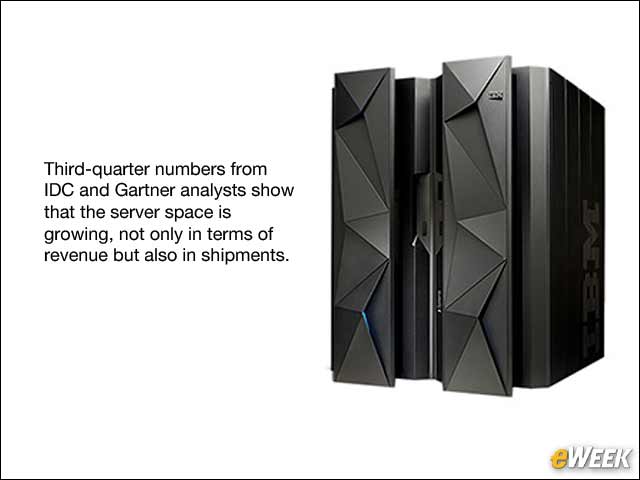
Third-quarter numbers from IDC and Gartner analysts show that the server space is growing, not only in terms of revenue but also in shipments.
HPE, Dell Still the Top 2 Vendors
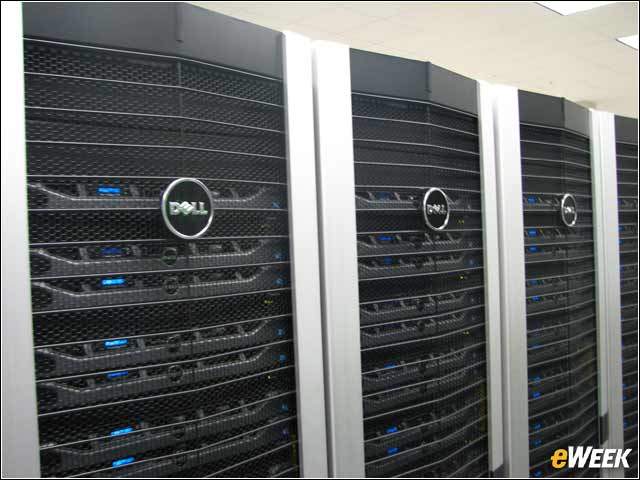
In numbers from both IDC and Gartner, Hewlett Packard Enterprise (HPE) and Dell not only held on to the number one and two slots in revenue, they saw their shares of the market increase.
Lenovo Big Gainer, IBM Big Loser
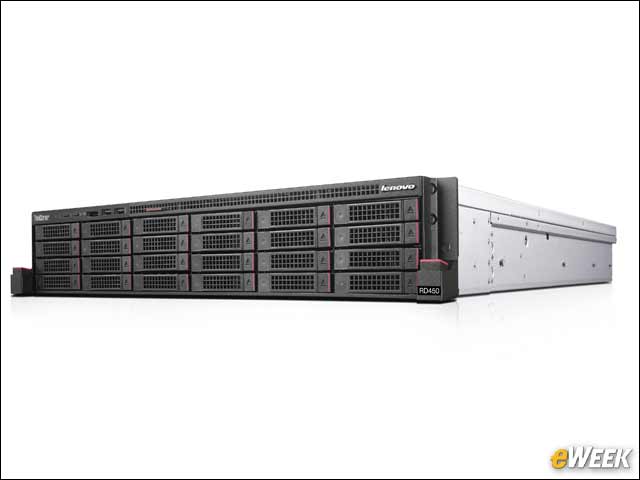
Lenovo buying IBM’s x86 server business last year had a significant impact on both vendors, with IBM being the only major server OEM to lose revenue (a 42.8 to 44.6 percent drop), while Lenovo saw a huge spike (growth of 536.1 to 545.2 percent).
It Wasn’t All Bad for IBM
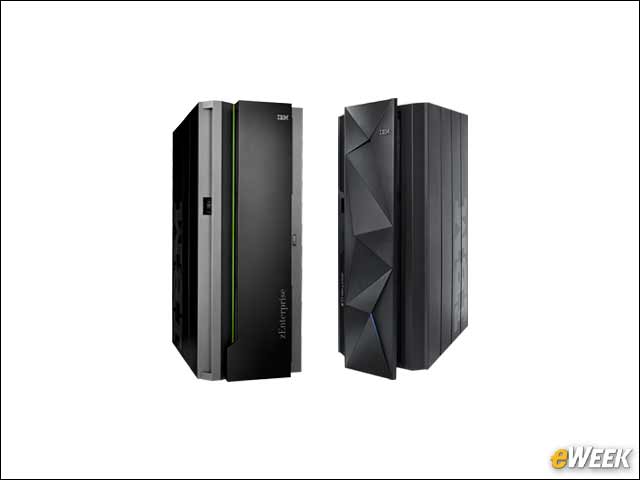
The impact of the Lenovo deal on the numbers for Big Blue skewed IBM’s performance to a degree. According to Gartner, beyond the deal, IBM’s Power-based RISC business fell 3.1 percent, but its System z mainframe unit saw 15 percent revenue growth. Overall, the server businesses IBM kept showed a 5.1 percent growth.
Cisco Continues Its Growth Patterns
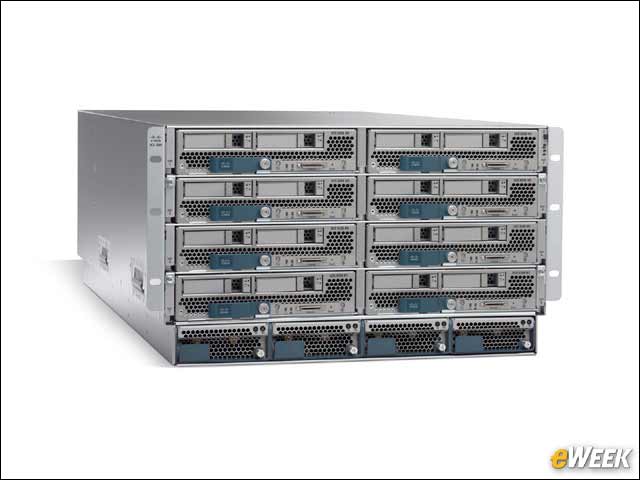
Both IDC and Gartner found that Cisco—through the strength of its Unified Computing Systems (UCS)—continues to grow revenues by as much as 12.7 percent (IDC) and 13 percent (Gartner). IDC also noted that original design manufacturers also grew revenue by 7.1 percent.
Vendors Just Keep on Shipping
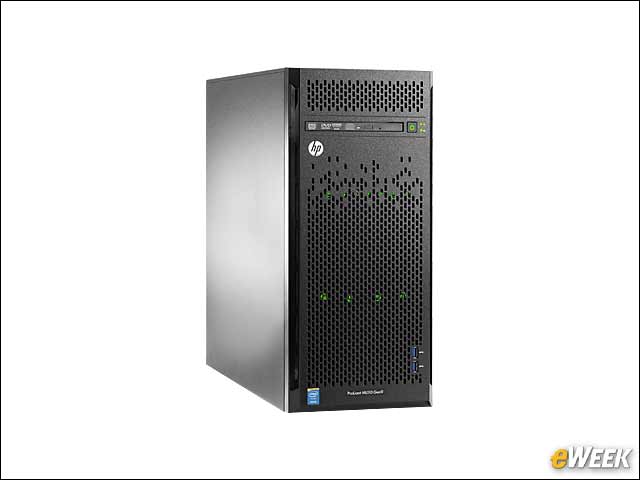
All of the top five vendors in server shipments (HPE, Dell, Lenovo, Huawei Technologies and Inspur) increased their numbers during the quarter, with Lenovo recording the largest growth of 183.2 percent, Gartner said. Systems makers worldwide saw shipments collectively fall 2.3 percent.
Volume Systems by the Volume

Revenue for volume systems jumped 7 percent in the third quarter to $10.8 billion, helped by the continued expansion of x86-based hyperscale environments and system refreshes by enterprises and SMBs, according to IDC.
Good News at the High End As Well
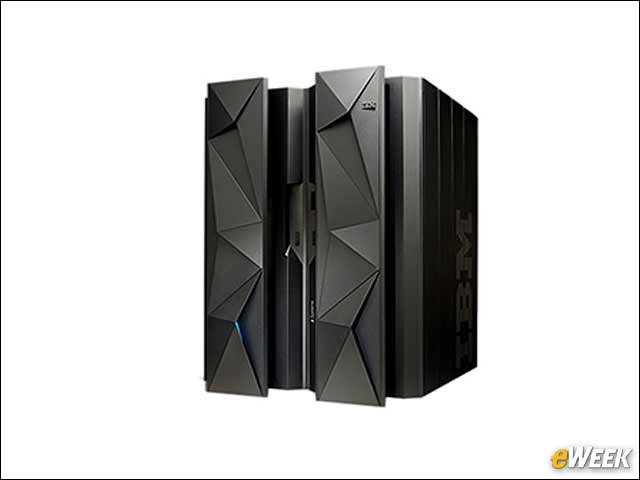
High-end systems saw revenue increase 1.2 percent, to $1.4 billion, helped in large part by IBM’s z13 refresh, which began in the first quarter, IDC said. However, that refresh is now decelerating.
The Midrange Continues to Get Squeezed
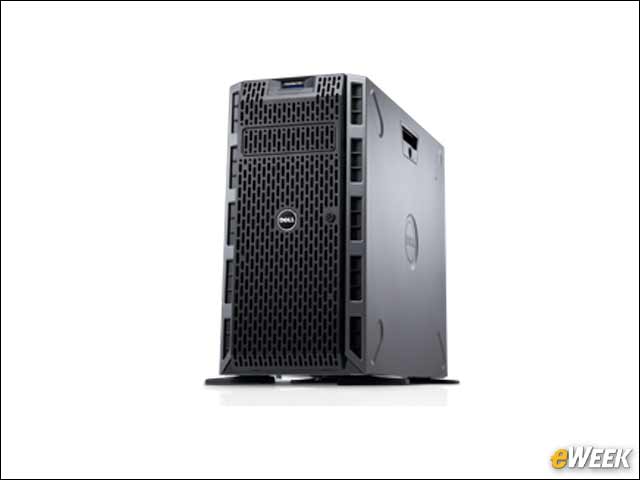
The x86 refresh with Intel’s Xeon “Grantley” chips that help drive demand in the midrange earlier in the year has run its course, IDC analysts said. Revenue in the space shrank 5.8 percent year over year, to $1.2 billion.
The Growing Demand for x86
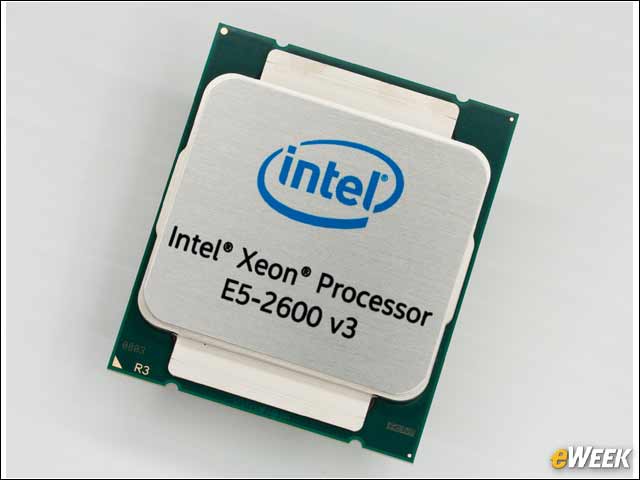
Revenue for x86 systems in the third quarter jumped 7.1 percent year over year, to $11.5 billion, with shipments growing 4.5 percent to 2.47 million servers, IDC said.
IBM’s Mainframes Buoy the Non-x86 Market
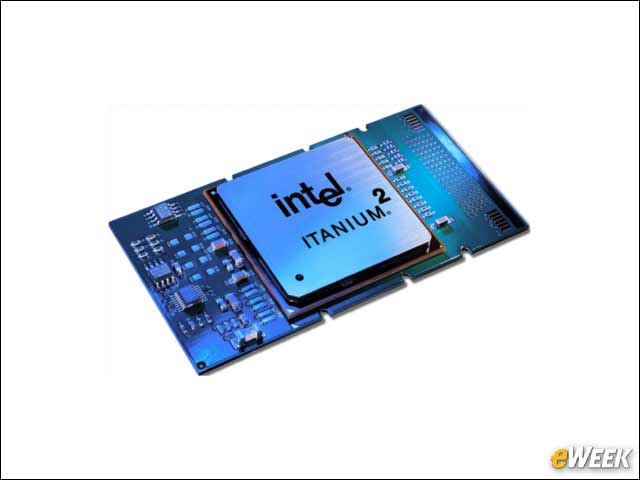
Revenue for those systems not powered by x86 chips from Intel or Advanced Micro Devices—such as RISC- and Itanium-based servers—fell 5.5 percent in the third quarter after a strong first quarter and a slight decline in the second, IDC said. IBM’s System z mainframe business saw 15 percent growth year over year—led by its z13 refresh—which helped soften the decline.
Data Centers Embrace Rack-Based Architecture
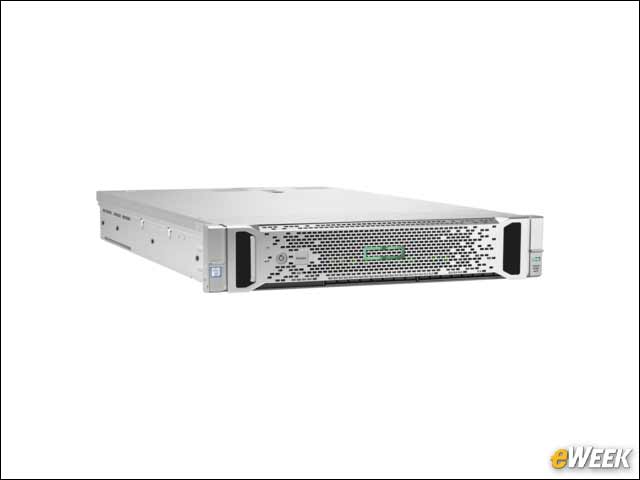
Rack-optimized system revenue grew 9.7 percent and—by contributing 125 percent to unit growth and 112 percent to revenue growth—kept the overall server market from declining, IDC said. In the third quarter, more than 130,000 extra units in this form factor shipped over the same period last year, adding an extra $727 million to the overall market. HPE and Dell contributed to more than half the growth.
Asia-Pacific Takes the Lead in Server Revenue
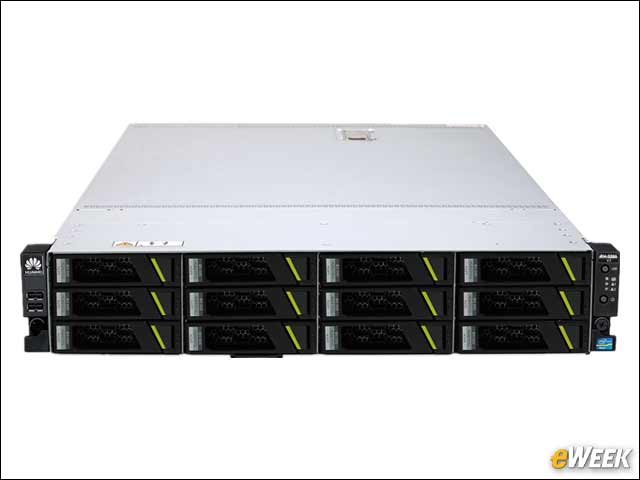
In the first two quarters, the United States was number one in server revenue, but the Asia-Pacific region took the top spot, with 24 percent revenue growth, thanks to 32.4 percent growth in China, IDC said. The U.S. growth rate was 4.2 percent. China’s strength was seen in Gartner’s list of top vendors in server shipments, where the country’s Huawei and Inspur ranked fourth and fifth.
A Short-Term Look at the Market
The refreshes driven by Microsoft’s ending support for Windows Server 2003 and Intel’s Grantley release are ending, but there are opportunities around Microsoft’s ending support for SQL Server 2005 in April 2016. IDC estimates that there are about 800,000 servers worldwide still running the software.
Emerging Workloads Will Drive Long-Term Growth
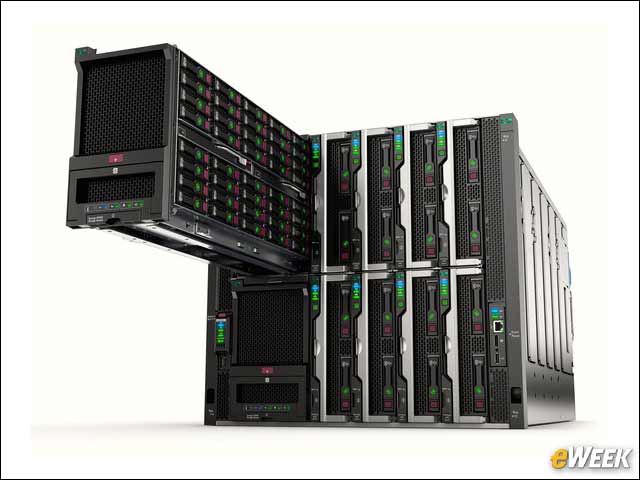
Software-defined, disaggregated servers and systems designed to be deployed at the edge of networks for the Internet of things will fuel growth down the road, according to IDC.