








- Top500 Supercomputers List Highlights HPC Technology Advances
- The Massive Tiahne-2 Is Still the Fastest in the World
- Piz Daint Debuts at No. 6
- Intel Remains the Top Processor Maker in the List
- Processor Cores Matter in Supercomputing
- Organizations Look to Accelerate Performance
- Top 10 Supercomputers Also Use Accelerators
- The Power of the Supercomputers Keeps Growing
- The U.S. Remains the Top Supercomputing Country
- The Number of Supercomputers in China Stabilizes
- It’s a Close Race in Europe
Top500 Supercomputers List Highlights HPC Technology Advances
By Jeffrey Burt
The Massive Tiahne-2 Is Still the Fastest in the World
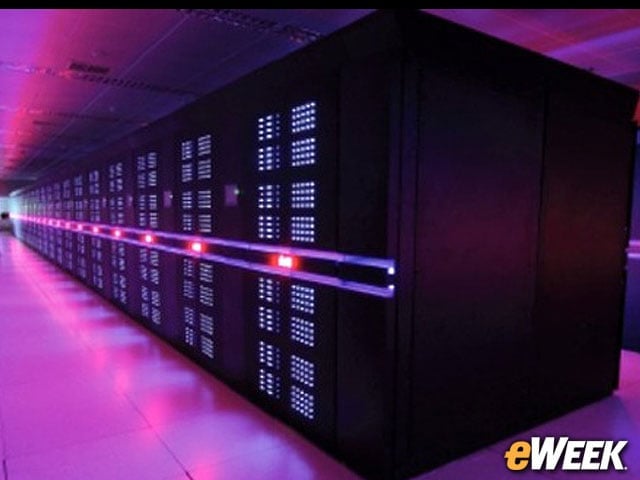
Housed in China’s National University of Defense Technology, the system runs at 33.68 petaflops, or quadrillion calculations per second. The supercomputer is powered by 3.12 million Intel Xeon and Xeon Phi processor cores.
Piz Daint Debuts at No. 6
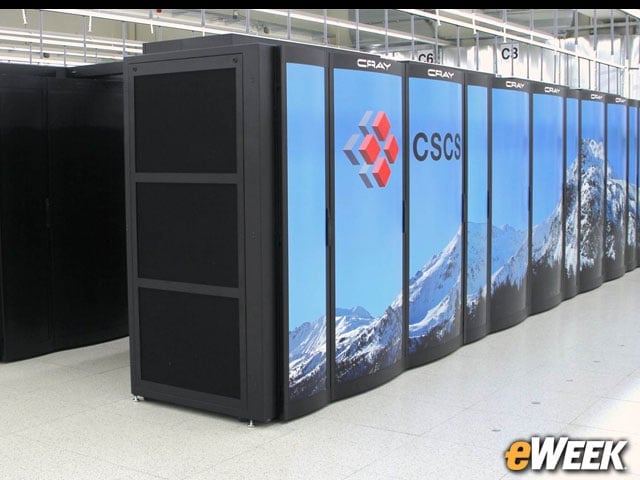
The only new entrant into the top 10 was the Piz Daint supercomputer at the Swiss National Supercomputing Centre. A Cray XC30 system, the supercomputer hit 6.27 petaflops in performance, making it Europe’s most powerful system. It also leverages 5,272 of Nvidia’s K20X GPU accelerators, and is the most energy-efficient of the systems in the top 10.
Intel Remains the Top Processor Maker in the List

According to the organizers of the Top500 list, 82.4 percent of the fastest 500 supercomputers run Intel processors. Pictured is Diane Bryant, senior vice president and general manager of Intel’s Datacenter and Connected Systems Group, showing off the new Xeon E5-2600 v2 chip at the Intel Developer Forum in September.
Processor Cores Matter in Supercomputing
Ninety-four percent of systems on the list use processors with six or more cores. Seventy-five percent use processors with eight or more cores.
Organizations Look to Accelerate Performance
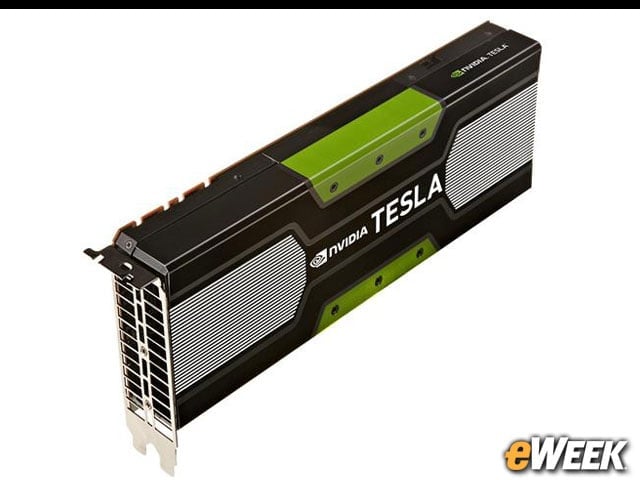
Fifty-three of the 500 supercomputers on the list use GPU accelerators or coprocessors from Intel to ramp up the performance of their systems without driving up power consumption. Of these 53 supercomputers, 38 use Nvidia chips, 13 systems use Intel’s Xeon Phi coprocessor and two use Radeon GPUs from Advanced Micro Devices.
Top 10 Supercomputers Also Use Accelerators
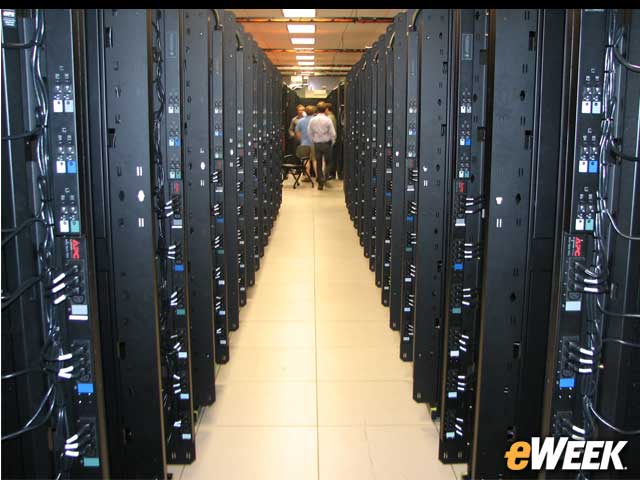
The Tianhe-2 supercomputer and the Dell-based Stampede system at the Texas Advanced Computing Center (pictured)—which is number seven on the list—both use Xeon Phi coprocessors to speed up their computational capabilities. Titan, a Cray XKY supercomputer and number two on the list, and Piz Daint leverage Nvidia’s GPU accelerators.
The Power of the Supercomputers Keeps Growing
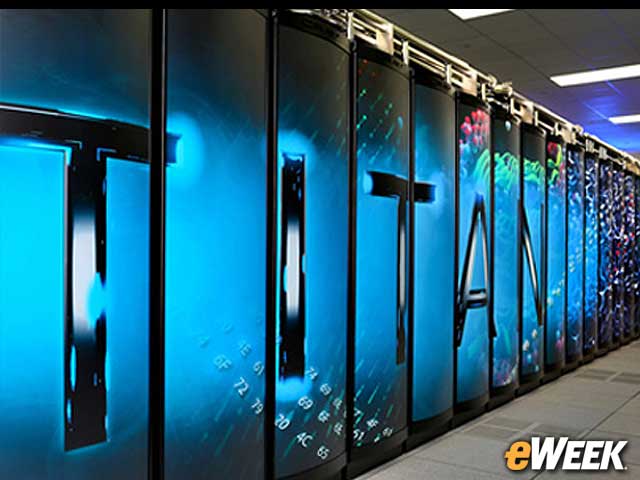
In the November list, 31 of the systems offer a performance greater than a petaflop, including Titan (pictured), at 17.59 petaflops. On the June list, there were 26 such supercomputers. In addition, the last system on the list—a cluster created by Hewlett-Packard, with a performance of 117.8 teraflops—was number 363 in June.
The U.S. Remains the Top Supercomputing Country
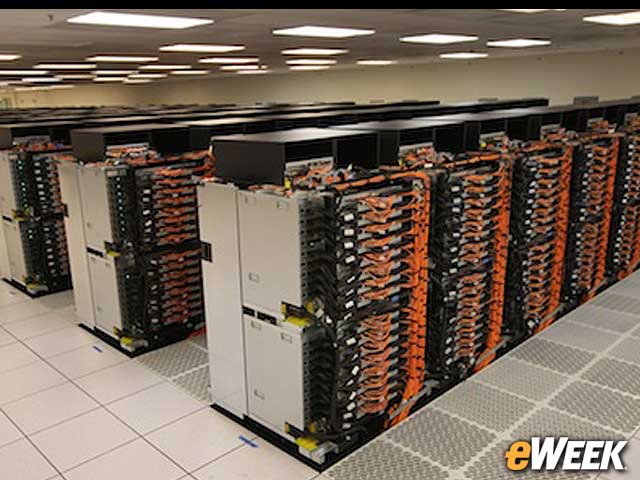
Of the 500 systems on the list, 265 are housed in the United States, up from 253 in June. Among those is the IBM BlueGene/Q-based Sequoia supercomputer (pictured) at the Lawrence Livermore National Lab in California. Asia was the second-largest region, with 115 systems (down from 118 in June), while Europe housed 102 supercomputers (compared with 112 in June).
The Number of Supercomputers in China Stabilizes
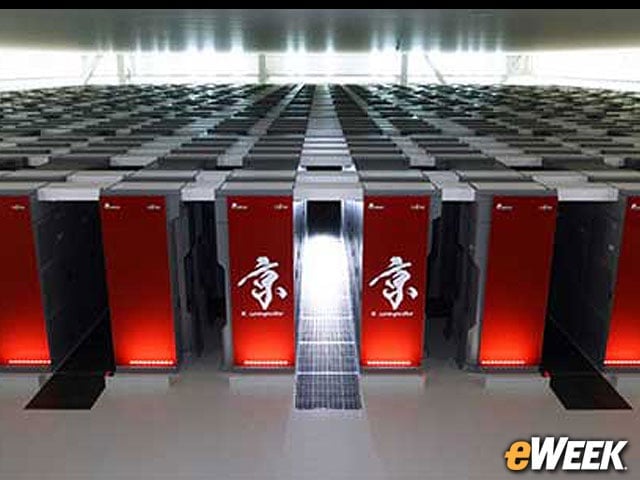
Sixty-three of the world’s 500 fastest supercomputers are in China, including Tianhe-2, the fastest in the world. That number compares with 65 in the list in June. China is the second-largest user of HPC behind the United States, but ahead of other countries, including Japan (28 systems), the United Kingdom, France and Germany. Thanks to Tianhe-2, China also was the number two in the share of performance on the list, topping number three Japan. Japan’s K Computer (pictured), running on Fujitsu Power64 processors, was number four on the list of the fastest systems.
It’s a Close Race in Europe
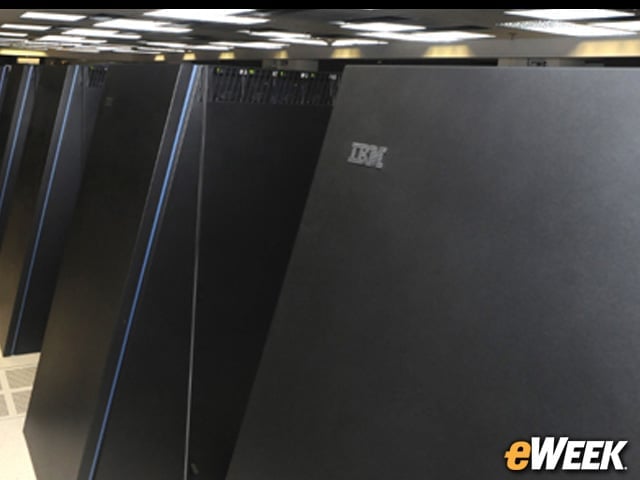
The United Kingdom houses 23 HPC systems, while France has 22 and Germany has 20, including the JuQueen (pictured), another IBM BlueGene/Q system that includes 458,752 IBM Power cores and at 5.2 petaflops is number eight on the list.