






A cheaper coding model can still cost more if engineers spend extra time fixing its work.
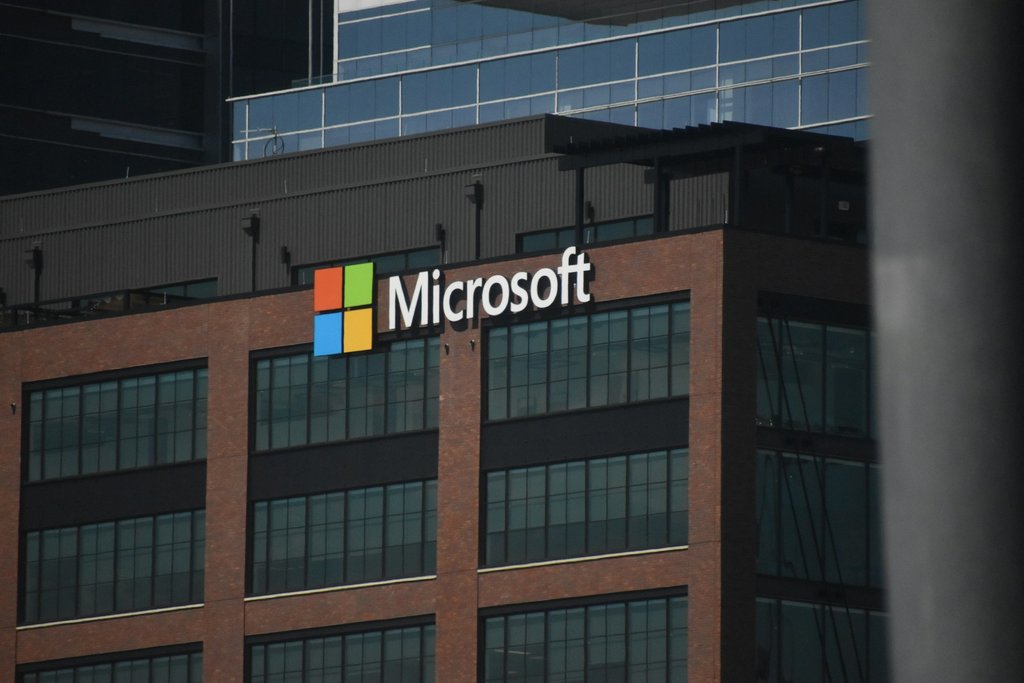
Microsoft unveiled seven AI models at Ignite on Nov. 17, taking on OpenAI and Anthropic in tasks ranging from software development to image editing. In one comparison, Microsoft says its MAI Code 2 model delivered 96% of Claude Opus 5.5’s performance across four coding benchmarks at 5% of the price, using a promotional rate.
The bigger test for Microsoft is whether those savings hold once companies factor in retries, review time, and the prices they’ll pay after the promotion.
Seven AI models target different enterprise tasks
Microsoft's Nov. 17 announcement introduced MAI Cyber 2 Flash, MAI Code 2, MAI Code 2 Flash, MAI Image 2.7, MAI Realtime 1, MAI Transcribe 2, and Decision 1.1.
Both coding models are available in GitHub Copilot on eligible plans, and MAI Code 2 Flash is in limited-access preview in Microsoft Foundry. MAI Image 2.7 is in public preview in Foundry, and Decision 1.1 is generally available.
MAI Realtime 1 is available to try in MAI Labs, with pricing starting at $0.01 per audio minute. MAI Transcribe 2 powers the transcription feature already live in Dragon Copilot. Microsoft says MAI Cyber 2 Flash will start rolling out to eligible Codename MDASH customers in mid-December as part of an exclusive rollout through Microsoft security products.
Microsoft AI chief Mustafa Suleyman told Reuters that the company's approach "co-optimizes performance and price."
Microsoft plans customizable AI models within Azure
Microsoft's MAI Licensed Weights is intended to let selected enterprises customize its models with proprietary data and deploy them in their own Azure environments. Microsoft says customers can manage access and upgrades while retaining control over their adaptations.
That could help companies retain control of proprietary knowledge. Microsoft says it will not use customer data or adaptations to train its models without express agreement.
Microsoft cites past customization work with AT&T, Woven by Toyota, and Alaska Airlines, although results are task-specific. Licensed Weights is still coming soon through Frontier Company engagements, without a broad launch date. Microsoft has described Azure deployment, not support for other clouds.
What eWEEK found: Microsoft's biggest savings depend on the task
Microsoft's comparisons suggest savings on specific tasks, not across all workloads.
Model | Microsoft's claimed result | Evaluation scope |
MAI Code 2 | 96% of Claude Opus 5.5's coding performance at 5% of the price | Four coding benchmarks |
MAI Cyber 2 Flash | Comparable GPT-6 Astra performance at less than 2% of cost per task | CyberGymE2E security benchmark |
MAI Image 2.7 | Higher image-editing ranking than GPT Image 2.6 Sunburst (max) at one-fifth the price | Artificial Analysis image editing |
Microsoft's coding methodology bases the Code 2 price comparison on a 50% promotional rate. The security figure is a benchmark cost per task, not a measure of an organization's total spending. Code 2 is also not optimized for scientific research or very long-running agents.
What enterprise teams should check before switching AI models
Lower prices matter only if the models perform reliably. Tests should vary by team:
- Developers: Measure how many AI-suggested fixes pass tests without major rewrites.
- Security teams: Check vulnerability findings for accuracy and false positives before acting.
- IT teams: Review production availability, data handling, Azure dependencies, and response times.
- Procurement teams: Compare cost per successful task, including retries, monitoring, and human review.
Businesses need not replace OpenAI or Anthropic tools immediately. A small pilot can establish whether a Microsoft model is better for a defined task. Organizations can then use different providers where each performs best.
Microsoft's lower prices may pressure competitors to improve their offers. For buyers, the real advantage could be more negotiating power and more choice, provided those savings survive tests with their own workloads.
Learn to use AI more effectively with The Neuron Academy's free How to Talk to Your AI course, then explore more lessons with seven days of free access.