Gear up for the silicon showdown, Tech Insiders. China's homegrown chips are challenging Nvidia, while Washington clamps down on Korean fabs and Meta shops for borrowed brainpower.
Buckle in as we decode who's really powering tomorrow's AI. |
|
|
Here's what you need to know today: |
|
|
Alibaba Unveils Nvidia-Friendly AI Inference Chip |
New chip, old playbook: if you can't buy Nvidia, be Nvidia.
Alibaba just pulled a surprise move in China’s AI race: a new inference chip designed to run Nvidia’s popular CUDA software—but built at a local Chinese foundry instead of overseas. By doing this, Alibaba dodges US export bans and gets a homegrown alternative ready for its own cloud servers. The best part? It can slide in as a replacement for Nvidia’s H20 chip without forcing developers to rewrite their code.
The timing is strategic. Washington's export restrictions on cutting-edge gear have forced rivals like MetaX to get creative, stitching two smaller chips together as a workaround. Meanwhile, Huawei's Ascend chip struggles for traction, not just for being a power hog but because private firms are hesitant to buy critical hardware from a direct cloud competitor.
Alibaba, flush with a $53 billion three-year AI-cloud war chest, thinks compatibility is the killer feature. |
Early momentum is clear: cloud revenue jumped 26% last quarter, and Hong Kong-listed shares spiked 19% after the company's strong earnings report coincided with news of the chip. Supply remains the wild card, with domestic fabs running older nodes already at capacity, but Beijing's new $8.4 billion AI fund suggests more silicon is on the way.
Why it matters: If Alibaba proves that good-enough inference chips can run Western software, China's AI stack gets a homegrown safety net. But this isn't a direct haymaker to Nvidia; Alibaba isn't selling the hardware, just renting its power. And the Holy Grail, domestically produced chips for AI training, remains elusive. For now, Nvidia has a rival that speaks its language, albeit with a limited vocabulary. |
|
|
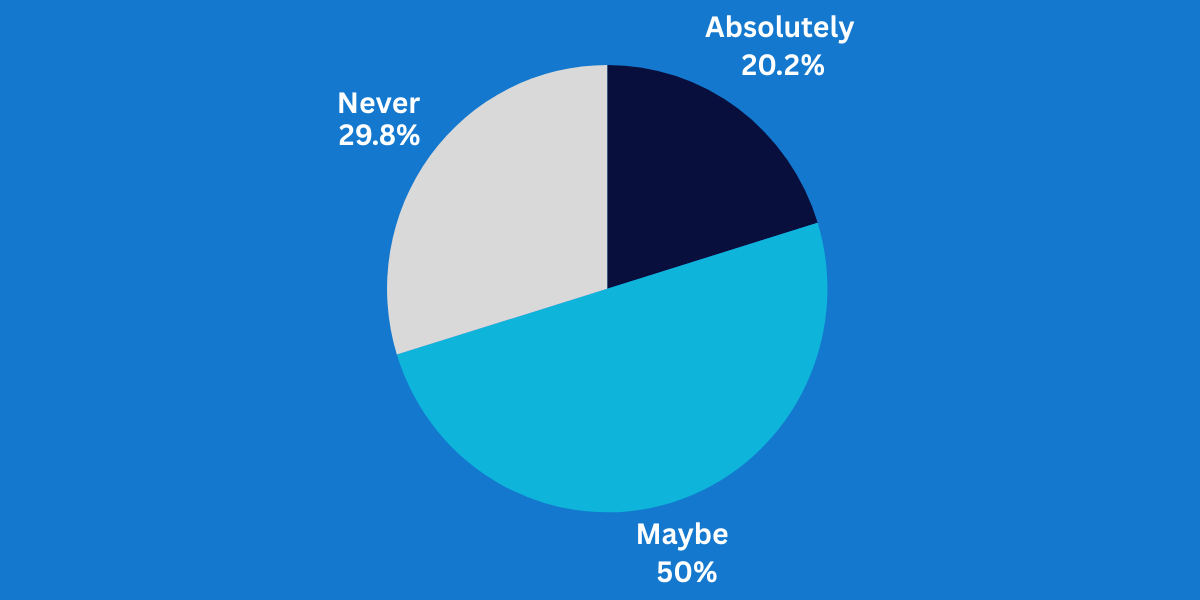
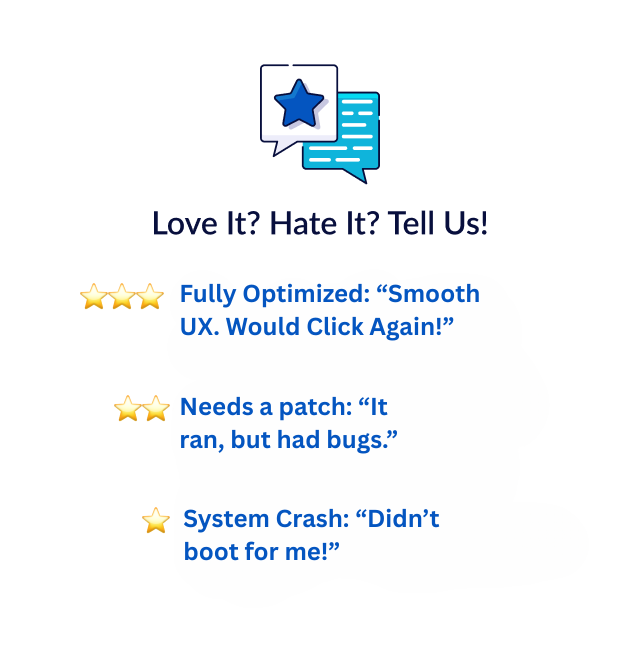
How much faith do you put in made-in-China AI chips? |
|
|
Results from Yesterday's Pulse Check |
Would you let an AI voice assistant read your daily news instead of a human anchor? |
|
|
Meta Eyes Gemini to Boost Chatbot |
Sometimes the fastest way to ship is to borrow a neighbor's engine. Meta's new Superintelligence Labs is openly weighing a short-term fling with Google's Gemini or even OpenAI's GPT-4. The goal is to turbocharge Meta AI across Facebook, Instagram, and WhatsApp by plugging rival models into the backend while Llama 5 bulks up to heavyweight status.
Internal experiments have already allowed engineers to invoke Anthropic models for code assistance, and executives have offered A-list salaries to lure defectors from Mountain View and San Francisco, a hiring spree led by new lab co-heads Alexandr Wang and Nat Friedman. The revolving door, however, seems to be spinning both ways, with recent reports indicating the lab is already losing key staff to competitors.
|
Any external deal would be time-boxed; Meta wants to prove it can own the full stack, a move that could preemptively soothe regulators or privacy hawks. A spokesperson called this an "all-of-the-above approach," which is corporate-speak for using whatever works.
It's a strategic hedge investors can get behind; a best-model-wins approach keeps Meta AI from falling behind rivals, even if it means paying licensing fees in the interim. For Google and OpenAI, the partnership would presumably add billions of fresh queries and plenty of training data to their pipelines. So yes, the frenemies phase of generative AI is officially upon us. |
|
|
☁️ Snag 75% Off Hostinger Hosting
The Hostinger deal drops web hosting plans to $2.99/month (plus three free months), so launching that side-hustle site costs less than coffee. 🚀 Compare 2025's Best Project Management Software
A quick rundown of the Best Project Management Software of 2025 lets you test-drive monday, Quickbase, Smartsheet, and more—so your Gantt charts look genius before Q3 crunch time.
🛡️ Master Ethical Hacking Skills for Less
The All-in-One Ethical Hacking and Penetration Testing Bundle delivers nine expert-led courses and 46 hours of lab time for $29.99 (83% off)—500+ sold, so act fast.
📝 Share Your Observability Wisdom, Get Insights Back
Calling all software and IT professionals! Add your voice to DZone's Enterprise Observability research survey, covering topics such as strategy, tooling, AI-driven performance optimization, and monitoring. Your insights and expertise are what make our research real, relevant, and actionable. Take the 7-minute survey.
💻 This section contains sponsored tech insights. Advertise with us! |
|
|
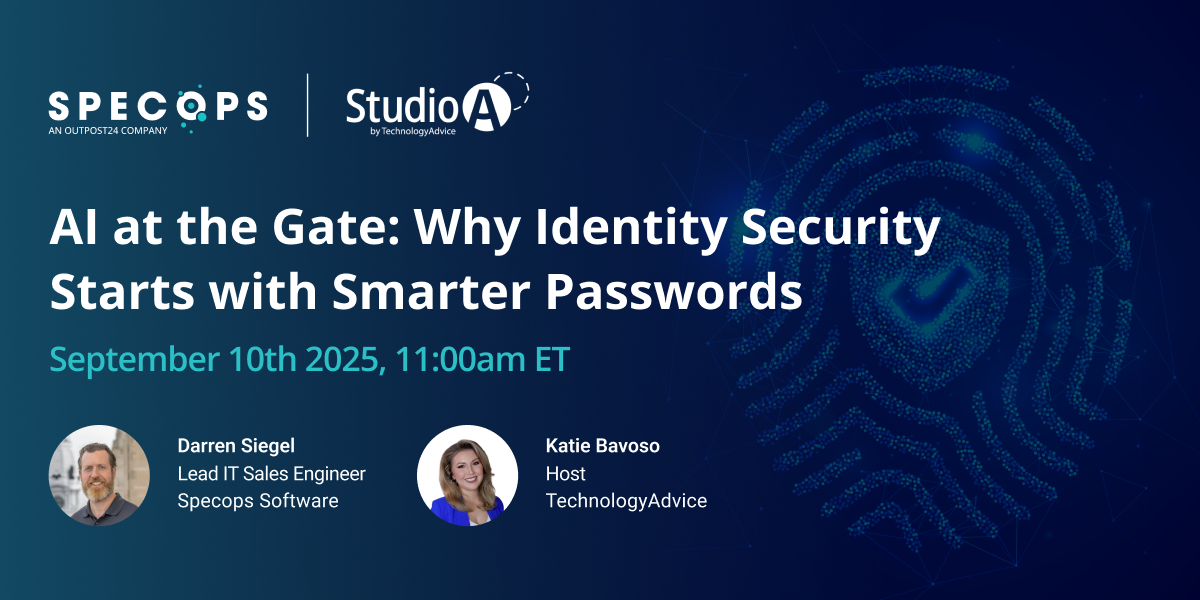
AI at the Gate: Why Identity Security Starts with Smarter Passwords |
Identity threats are evolving—and passwords are the new battleground.
Join this webinar on September 10 at 11:00 AM ET, hosted by Specops Software and TechnologyAdvice, to explore how smarter password strategies can protect your workforce and brand. |
| |
WhatsApp Spies With Zero-Click |
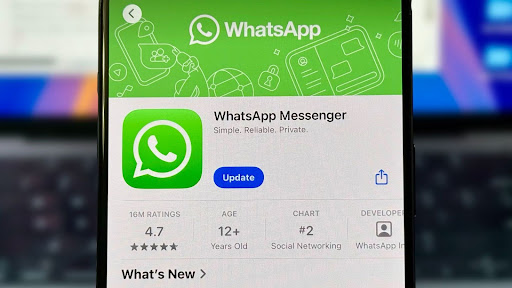
Fewer than 200 high-profile users (think journalists and activists) got the dreaded in-app WhatsApp notification warning them of an attack by a still-unidentified party that could siphon messages and data without a single tap.
Meta patched the iPhone app on July 28 and the Mac app on Aug. 4; Apple closed its side on Aug. 20.
Suggested action: Update both apps and your OS if you haven't already. Enable automatic updates from now on unless you enjoy surprise factory resets. |
FEMA Cyberfailures Trigger Mass Firings |
A DHS audit found FEMA still relying on legacy protocols, no MFA, and a pile of unpatched vulnerabilities, reportedly even turning a hacker's credentials back on after DHS had shut them down.
Homeland Security Secretary Kristi Noem canned the CIO, CISO, and 22 staffers, calling them "deep-state" obstructors. (Though some colleagues described the ousted leaders as "highly respected.") Officials insist no citizen data left the building, but the purge lands during hurricane season, when FEMA systems run hottest. When your disaster agency needs disaster recovery, you've got a branding problem. |
Washington Tightens Screws on Korean Chip Giants |
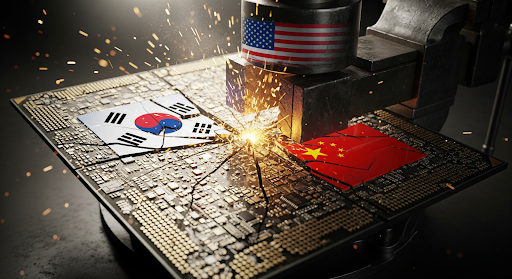
The Commerce Department, closing what it calls a "Biden-era loophole," revoked the validated end-user waiver that let Samsung and SK Hynix ship US fab gear to their Chinese plants without a license.
The duo now has 120 days before the paperwork grind kicks in, freezing tech upgrades and capacity adds at plants that churn out a third of Samsung's NAND chips and a hefty 20%–40% of SK Hynix's DRAM and NAND. |
Shares slid up to 5%, while US toolmakers like KLA and Lam Research also felt the sting. Micron, of course, grinned from the sidelines.
Analysts say legacy DRAM and NAND lines will survive, but future nodes may migrate back to Korea... or wherever Uncle Sam smiles. So much for sightseeing in Xi'an; new US wafer tools won't be getting an entry visa anytime soon. |
|
|
| Writer at TechnologyAdvice |
Justin Meyers is an investigative writer and editor who draws on over a decade of meticulous hands-on research to deliver the full, trustworthy story behind consumer and enterprise tech, including cybersecurity. |
|
|
| Writer at TechnologyAdvice |
Justin Meyers is an investigative writer and editor who draws on over a decade of meticulous hands-on research to deliver the full, trustworthy story behind consumer and enterprise tech, including cybersecurity. |
|
|
Curious about where AI is really headed? |
The Neuron cuts through the noise to bring you smart, hype-free takes on the latest AI trends, tools, and breakthroughs. Join 500,000+ professionals from top companies like Microsoft, Apple, Salesforce and more.
|
|
|
Advertise in Daily Tech Insider! Daily Tech Insider is a TechnologyAdvice business
© 2025 TechnologyAdvice, LLC. All rights reserved. TechnologyAdvice, 3343 Perimeter Hill Dr., Suite 215, Nashville, TN 37211, USA. |
|
|
|