Sync up, Tech Insiders. AI models are getting warmer, wallets are getting smarter, and scammers are getting sneakier.
Let's sync the upgrades, both official and underground, that will shape how you code, travel, and dodge fraud. |
|
|
Here's what you need to know today: |
|
|
OpenAI Unwraps Smarter GPT-5.1 Upgrade |
Ever had a chatbot sound like an over-caffeinated thesaurus? GPT-5.1 swears it left that phase behind.
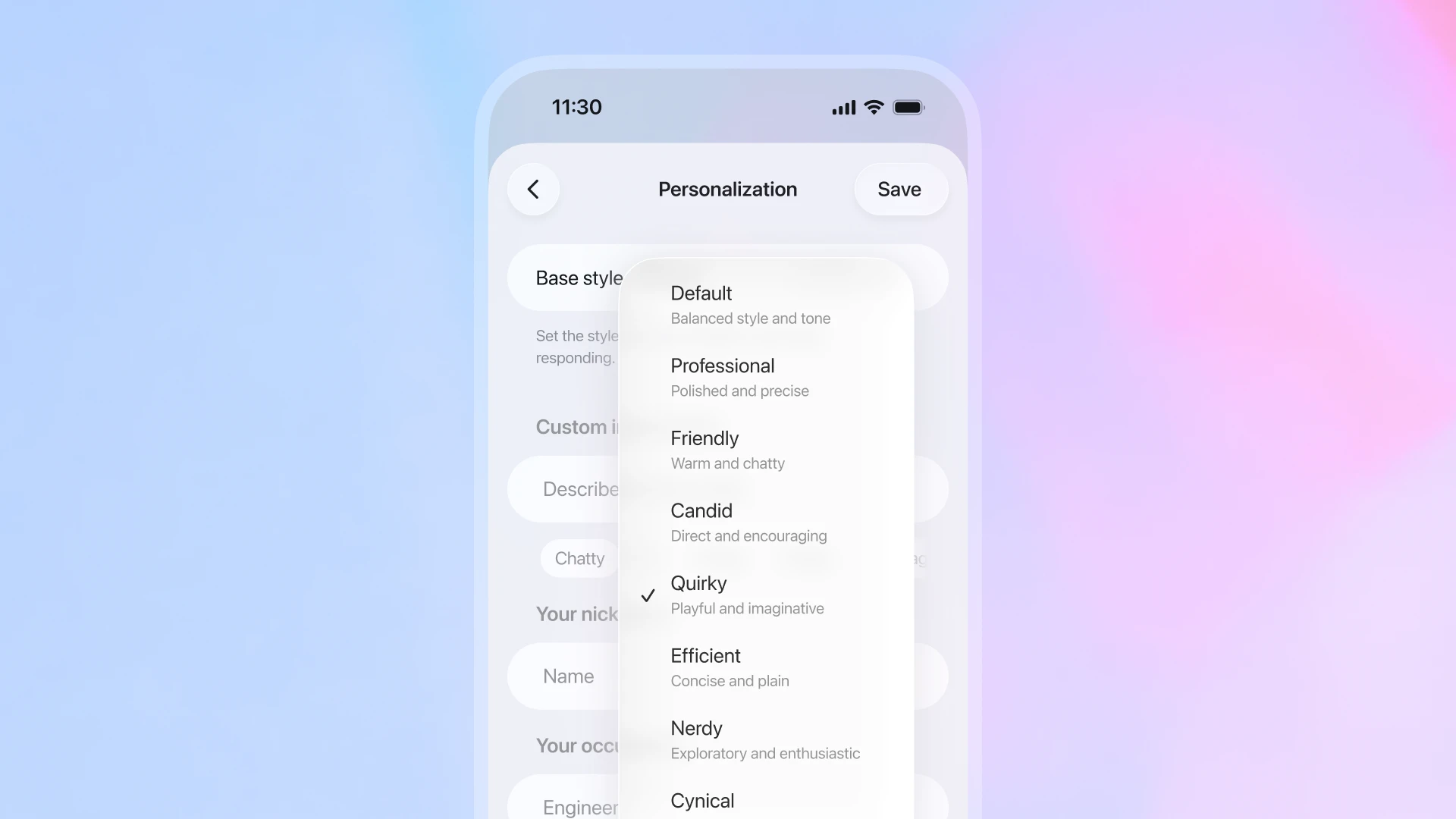
After GPT -5's wobbly debut in August, OpenAI is back with GPT-5.1 Instant and GPT-5.1 Thinking. Instant chats faster yet feels "warmer" by default, while Thinking now dials up (or down) its reasoning time so you're not stuck waiting for simple answers or short-changed on complex ones.
Users can flip personalities on the fly—Default, Professional, Candid, Quirky, Friendly, Efficient, Cynical, or Nerdy—and tweak response warmth, length, and even emoji habits without starting a new chat. |
Early testers report snappier math and code solves, plus fewer wild tangents, thanks to "adaptive reasoning." But OpenAI's own system card flags light safety regressions in hate, harassment, and sexual content checks, plus a dip in handling "emotional reliance," nudging the company to fine-tune fast. Paid ChatGPT tiers get first crack, then it rolls out to free and logged-out users. Free users can send 10 GPT-5.1 messages every five hours until the wider rollout finishes next week. Meanwhile, legacy GPT-5 models stick around for three months, so paid power users can compare and transition before they vanish.
Microsoft's Copilot Studio and other partners flipped the switch on GPT-5.1 the same day, underscoring how big brands still bet on OpenAI, even after flirting with rivals like Anthropic. For the millions who felt GPT-5 was as cozy as a tax form, 5.1 aims to bring EQ back to IQ.
Why it matters: If OpenAI nails the tone-plus-talent combo, ChatGPT could reclaim the "daily default" crown and leave competitors scrambling to match a bot that finally sounds human without acting unhinged (or inviting more lawsuits). |
|
|
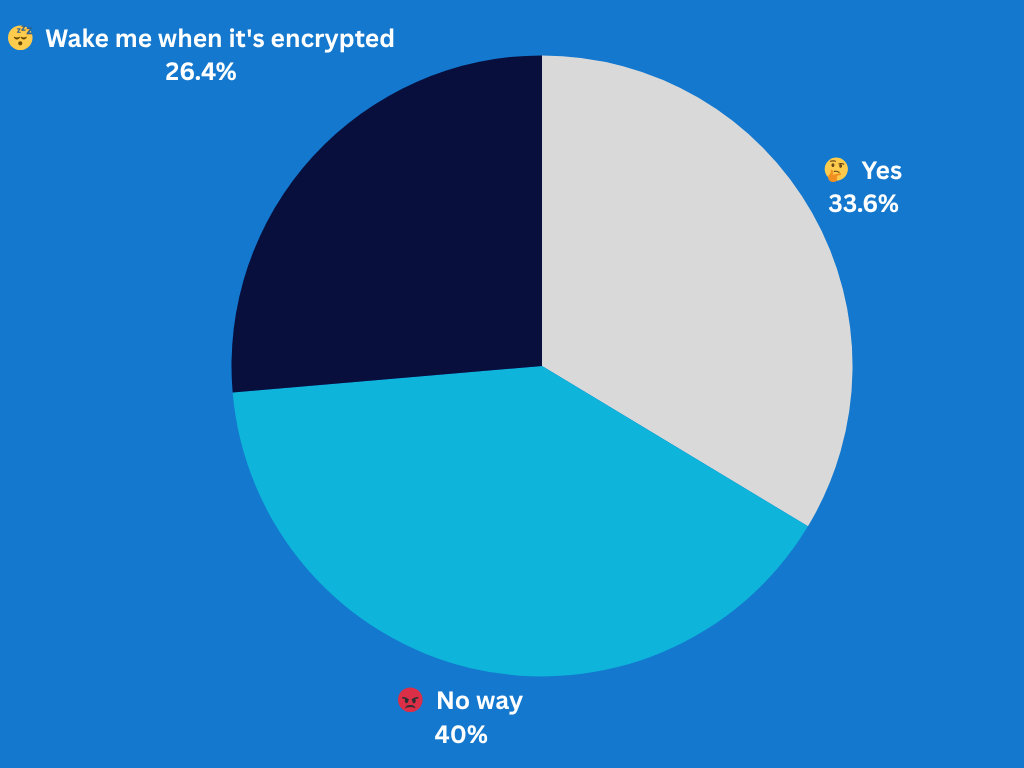
Do you plan to switch your daily chats to GPT-5.1 right away? |
|
|
Results from Yesterday's Pulse Check |
Should the courts dig through 20 million anonymized user chats? |
|
|
Google Debuts Private AI Compute for Cloud Privacy |
Even Google's servers now claim they can't snoop... must be serious. Google has unveiled Private AI Compute, a cloud enclave that lets Gemini models crunch your data while pretending they never saw it.
Requests leave your Pixel 10, hop through a third-party blind relay, and land in Titanium Intelligence Enclaves running on custom TPUs. There's no shell access, keys live inside Titan security chips, and each session self-shreds, so not even a debugging engineer can peek at your late-night recipe prompts. |
Under the hood, AMD-based trusted-execution hardware encrypts memory, remote attestation proves every node's identity, and signed code plus binary authorization blocks mystery binaries.
Cybersecurity firm NCC Group's six-month audit found only low-risk timing quirks and a few denial-of-service gremlins—nothing that spilled the beans.
Early wins include crisper Recorder summaries and timelier Magic Cue suggestions on Pixel 10, with broader Google-wide rollouts to follow.
Sound familiar? Apple's Private Cloud Compute pushed the same stateless, no-privileged-access model last year, powered by Apple silicon and fully published images for researchers. Google mirrors the five cardinal rules (stateless data, enforceable guarantees, zero admin peeks, non-targetability, and transparency) but swaps in TPUs, Titan-grade attestation, and its Secure AI Framework.
The privacy race now hinges on who open-sources more binaries and who blinks first on side-channel fixes. So yes, the cloud finally learned to zip its lips; let's hope it doesn't forget the passphrase. |
|
|
🎤 Upgrade Client Rooms With Shure Kits
AV for IT Providers shows how Shure's IntelliMix Room Kits bridge the gap between all-in-ones and full custom builds—explore case studies and unlock scalable audio perfection. 🤖 Hire a Vision Pro, Minus the Guesswork
The Computer Vision Engineer Hiring Kit packs a job spec, interview Qs, and advert template—saving you 20 hours of recruiting legwork.
🔍 Audit Your Endpoints in One Dashboard Snag the Best Remote Monitoring and Management Software 2025 list to automate patches and keep remote fleets hacker-free in 2025. 💻 This section contains sponsored tech insights. Advertise with us! |
|
|
Turn Chaos into Clarity with Freshworks AI |
Too many tickets. Too little time. Too much complexity.
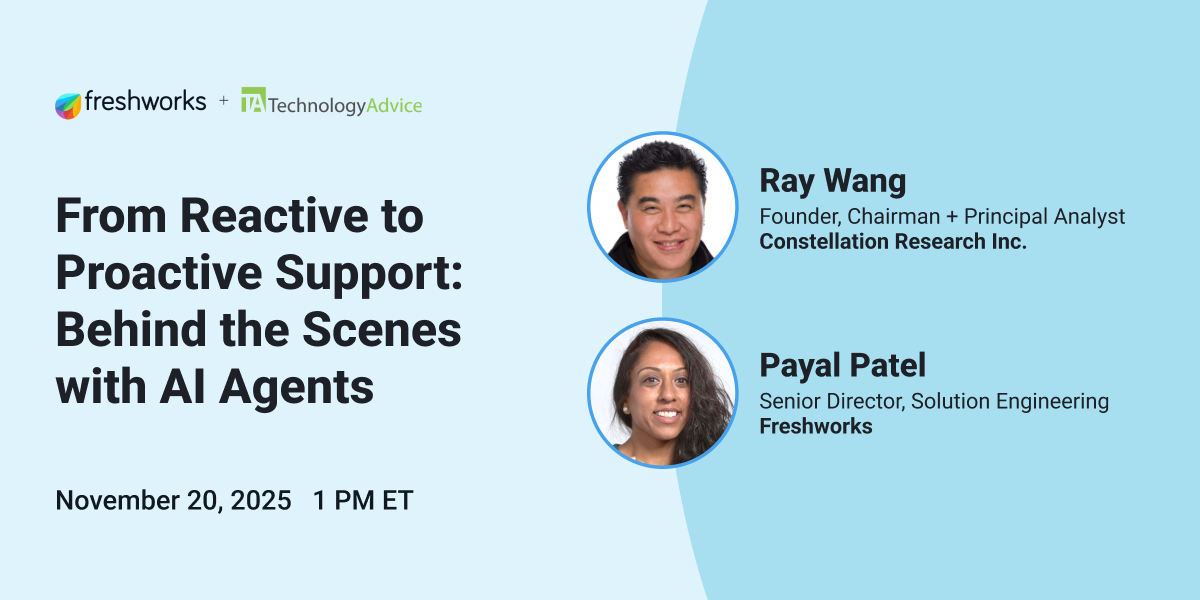
Join TechnologyAdvice × Freshworks on November 20, 2025, at 1:00 PM ET, and see how AI agents cut through the chaos. Learn how always-on automation drives faster resolutions and simpler service delivery, without overloading your team. |
|
|
Gen-AI Bots Prime Holiday Fraud Weeks Ahead |
KasadaIQ warns 2025 holiday fraud started two weeks early. Attackers are hawking automated "config" scripts, testing bots that mimic human shoppers, and launching credential-stuffing waves to fuel a gift-card-draining spree peaking on Black Friday and again in mid-December. |
Image created with Gemini |
Gen-AI bots may inflate traffic by 520%, hammering backend APIs to spin up fake loyalty accounts and complete checkouts in milliseconds—far beyond CAPTCHA's reach.
Defenders should move "holiday mode" to mid-November, enforce adaptive MFA, monitor gift-card APIs, and use behavioral fingerprinting at the API layer to spot high-entropy bot swarms. Santa isn't the only one making a list of accounts. |
Fake 'Safery' Wallet Skims Seed Phrases via Sui |
Researchers say a Chrome add-on called Safery: Ethereum Wallet steals seed phrases.
The extension, which is still live, encodes your mnemonic into fake Sui addresses and fires 0.000001 of SUI crypto from a hard-coded wallet. Anyone watching that wallet can decode the addresses and empty your funds, no command-and-control server required.
Safery appears next to the popular MetaMask wallet in store searches, touting two-click transfers and no data collection. Security firms Socket and Koi found clipboard grabs, base64-encoded keys, and dynamic code; takedown requests are pending.
Protect yourself: Stick to verified wallets, review extension permissions, flag unexpected blockchain calls, and migrate funds if you installed Safery. Phishing never looked so decentralized. |
Apple Puts Your Passport in Your Pocket-Screen |
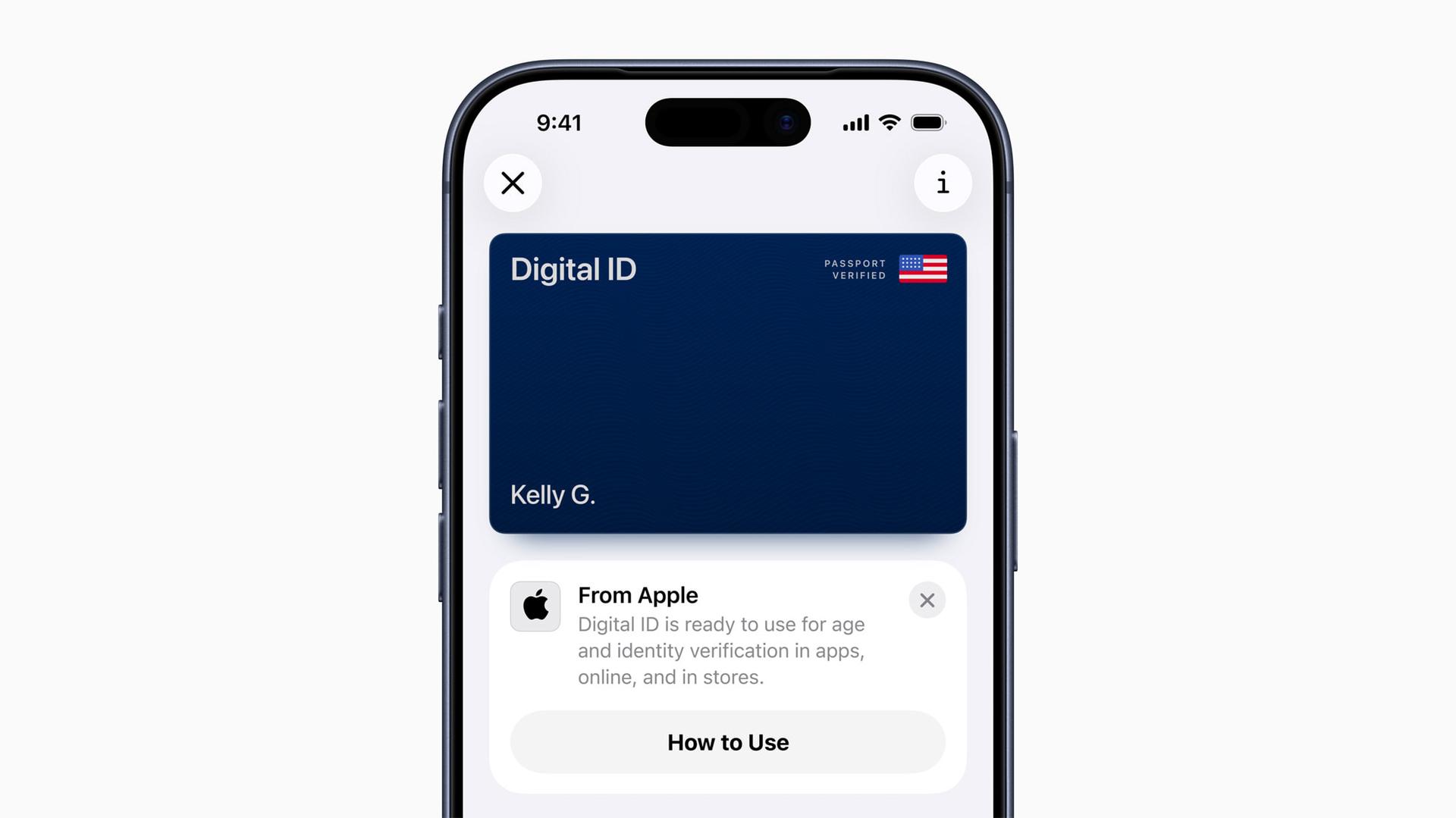
Apple has flipped the switch on Digital ID, letting an iPhone 11 or later (running at least iOS 26.1) convert a US passport into an encrypted credential inside Wallet. That can then be synced with an Apple Watch Series 6 or later (with at least watchOS 26.1).
Debuting this week in public beta, the feature already works at TSA readers in more than 250 domestic airports, so boarding passes, payment cards, state IDs, and now passport IDs sit behind a single double-click. |
Setup is quick. First, scan the passport photo page, read the embedded chip, take a selfie, then add a short head wiggle to prove you're alive. The finished credential lives only on-device, shielded by the Secure Enclave, and each use requires Face ID or Touch ID; Apple insists it can't see when or where you flash it. Travelers are cheering the shorter queues, but privacy hawks note that a coerced unlock (or a dead battery) could expose wallet and identity at once.
Digital ID won't replace a physical passport for border crossings, and skeptics suggest keeping the paper booklet handy until more states, retailers, and regulators join in. Pro tip: Keep your battery topped up; TSA accepts Digital ID, not Dead-iPhone ID. |
|
|
|
Writer at TechnologyAdvice |
Justin Meyers is an investigative writer and editor who draws on over a decade of meticulous hands-on research to deliver the full, trustworthy story behind consumer and enterprise tech, including cybersecurity. |
|
|
Curious about where AI is really headed? |
The Neuron cuts through the noise to bring you smart, hype-free takes on the latest AI trends, tools, and breakthroughs. Join 500,000+ professionals from top companies like Microsoft, Apple, Salesforce and more.
|
|
|
Advertise in Daily Tech Insider! Daily Tech Insider is a TechnologyAdvice business
© 2025 TechnologyAdvice, LLC. All rights reserved. TechnologyAdvice, 3343 Perimeter Hill Dr., Suite 215, Nashville, TN 37211, USA. |
|
|
|