Tinfoil ready, Tech Insiders.
AI assistants want to buy you jackets, smart glasses keep a highlight reel of your bathroom breaks, and Motorola thinks privacy can finally sell phones. It's a week where "Do Not Disturb" needs a hardware setting. Let's poke around the sensors without tripping an alarm. |
|
|
Here's what you need to know today: |
|
|
Meta AI Puts Shopping in the Chat |
Prompting is about to get a lot more expensive.
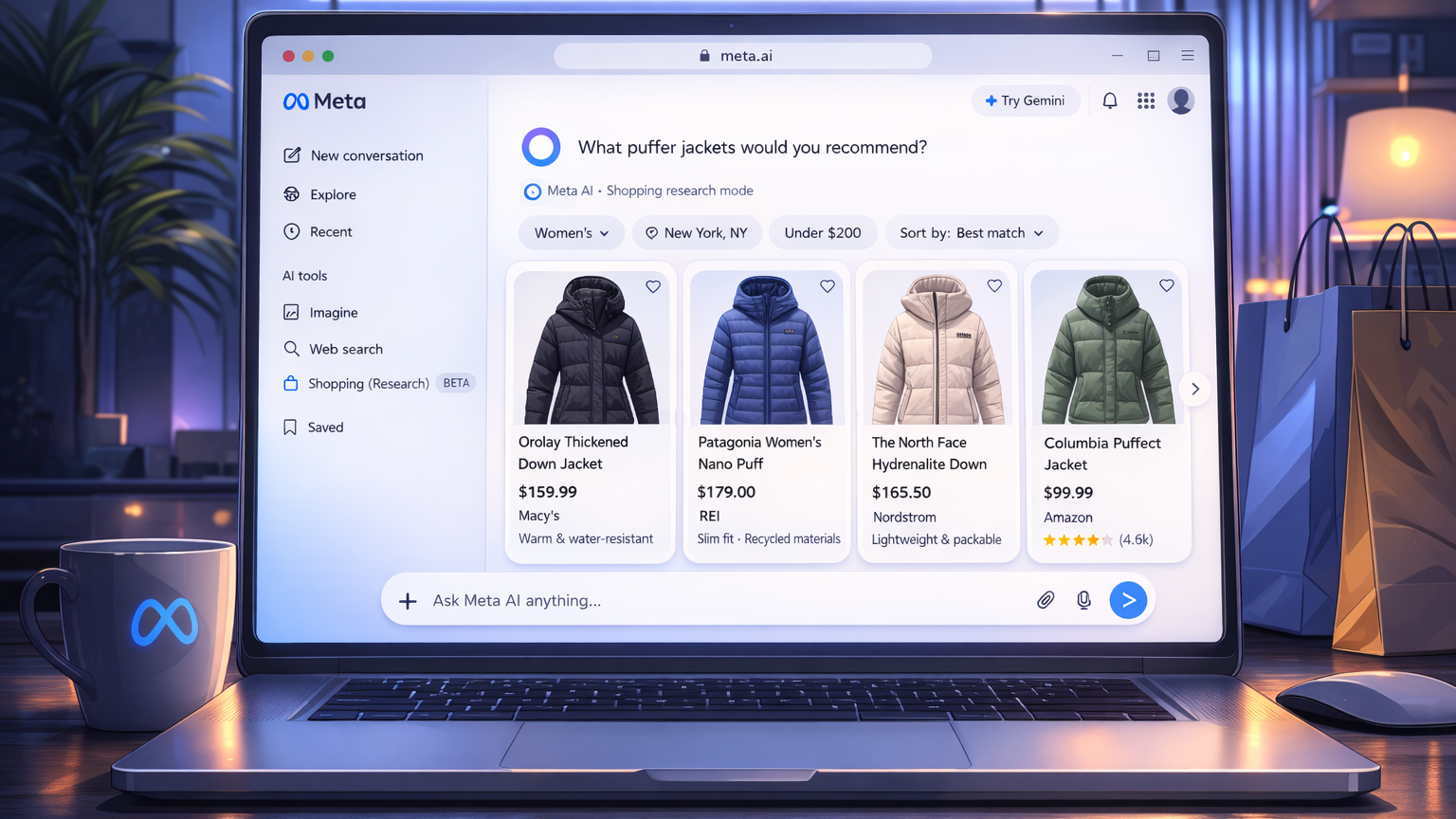
Meta is rolling out a dedicated shopping research mode inside its Meta AI web chatbot for a slice of US desktop users. Search for "puffer jackets," and the bot uses your profile to infer you want women's styles in New York, then serves a scrollable carousel of options, complete with images, prices, and one-line reasons it thinks you'll love them.
There's no in-chat checkout (yet); clicking zips you to the retailer's site. |
Image created with ChatGPT |
What makes the tool more than a glorified search page is personalization. The assistant leans on signals Meta already hoards across Facebook, Instagram, and WhatsApp. However, early testing shows it's still delightfully flawed, occasionally hallucinating prices, surfacing broken links, and suggesting ukuleles as "one-of-a-kind" gifts.
Still, CEO Mark Zuckerberg has teased agentic shopping tools that will tap into Meta's mammoth business catalog, hinting at future one-click buying.
The timing matters. OpenAI and Google embedded shopping helpers late last year. Meta arrives last—but with 3.2 billion daily active users, a recent acquisition of AI agent startup Manus, and rumors that it's temporarily leaning on Google's Gemini 3 until its own "Avocado" model is ready, it has a massive built-in advantage.
Why it matters: For shoppers, it means a bot that knows your taste (even if its current suggestions are sometimes laughable). For enterprises and businesses, it's a new AI-driven storefront parked where billions already hang out. And for Meta, it's a pathway to monetizing chat without shoving more ads into your feed (though, let's be real, those are coming too). |
|
|
Would you trust an AI chatbot to choose your next purchase? |
|
|
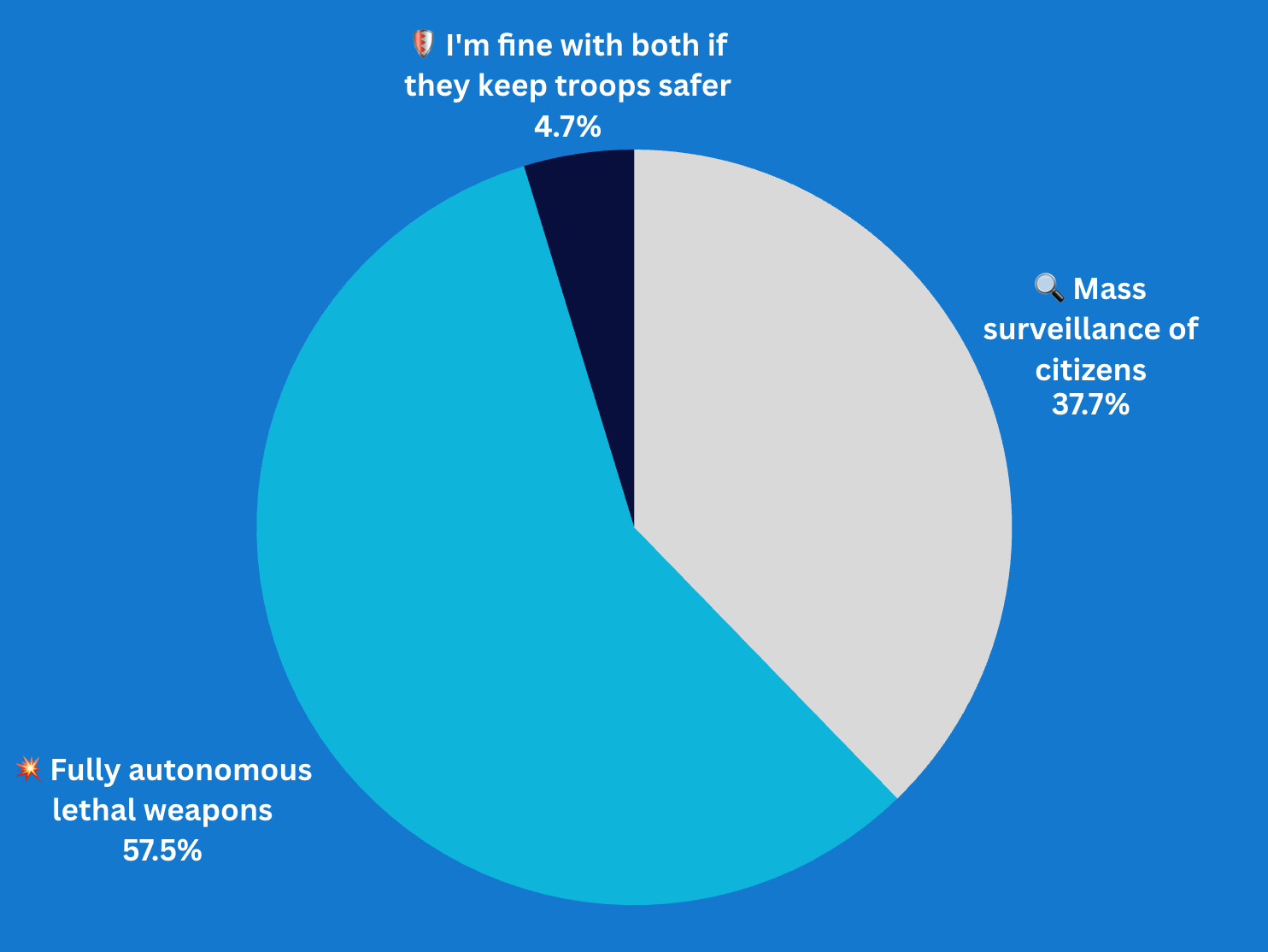
Results from Yesterday's Pulse Check |
Biggest red line for AI in warfare? |
|
|
Motorola Bets on GrapheneOS for Pixel-Free Privacy |
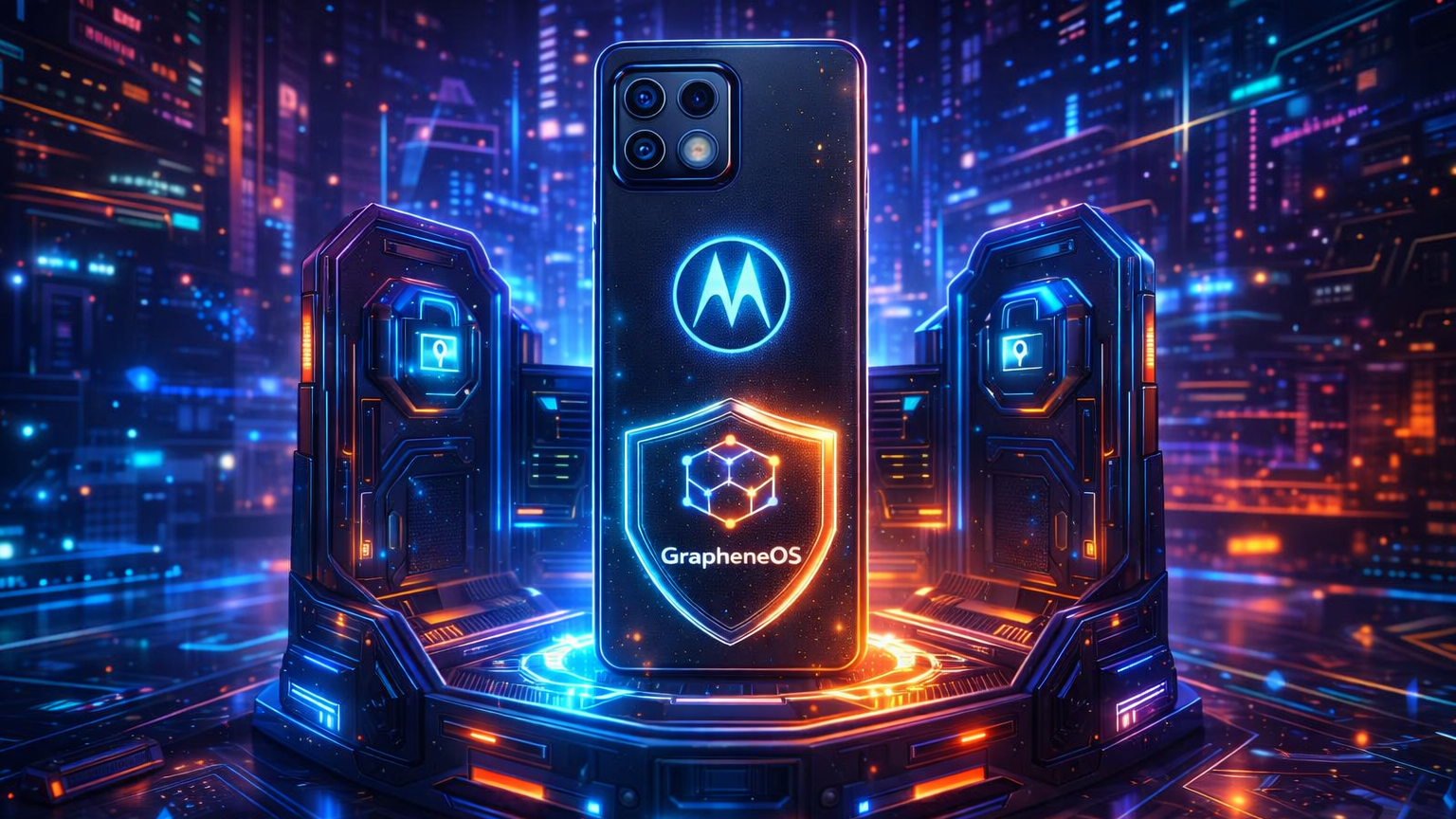
Who needs Google's backyard when you can plant your own walled garden? Motorola just used MWC 2026 to announce a long-term pact with the GrapheneOS Foundation, promising the first privacy-hardened Motorola phone as early as 2027.
GrapheneOS, long exclusive to Google Pixels, strips out Play Services (or safely sandboxes them if you still need your app fix), sandboxes apps, and piles on exploit mitigations while still running most Android software.
Breaking Pixel lock-in is big since it gives privacy die-hards and regulated industries a second flagship option without surrendering to Google hardware or Apple. |
Image created with ChatGPT |
Motorola says only future flagships will meet GrapheneOS's strict hardware demands (think ARM's Memory Tagging Extension (MTE) cores and seven-year update guarantees), but bits of GrapheneOS security will trickle into mainstream Moto builds sooner. On the enterprise side, Lenovo's ThinkShield stack will wrap around new Moto Analytics dashboards and a "Private Image Data" tool (rolling out to Signature devices soon) that nukes location metadata from photos—catnip for IT admins juggling BYOD headaches and compliance audits.
Ultimately, consumers get another path to de-Googled phones that doesn't require flashing ROMs in the basement or buying a Google device just to escape Google. CISOs get hardware-level protections, predictable patch cycles, and a vendor willing to expose device health metrics out of the box. Put simply, Motorola is betting that privacy is finally a feature people—and procurement teams—will pay for. Early adopters, start practicing your "I told you so" face. |
|
|
Secure Your Seat for Compliance 2026 |
Compliance effort is rising, but audit confidence isn't.
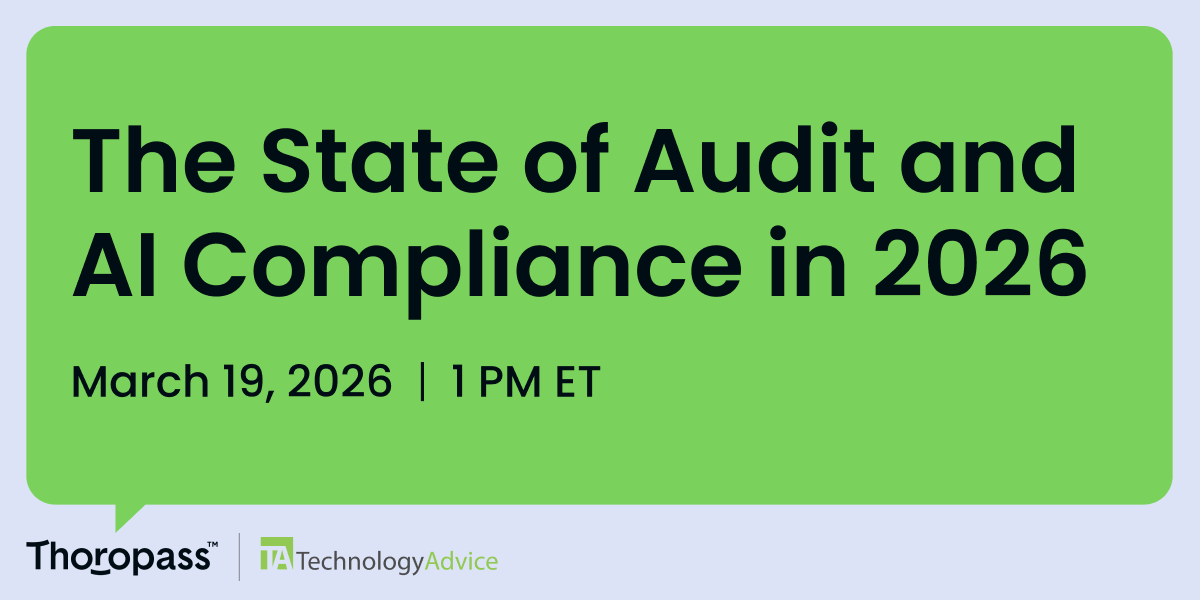
Join The State of Audit and AI Compliance in 2026 on March 19 at 1:00 p.m. ET for a research-backed discussion led by Thoropass. The session will examine where compliance programs are struggling, why audit execution has become the primary risk, and how leaders are restoring governance and visibility.
|
|
|
Meta's Ray-Ban Glasses Leak Private Moments to Human Reviewers |
Image created with ChatGPT |
EU regulators and Ireland's Data Protection Commission (DPC) are now probing whether piping Europeans' footage to Nairobi violates GDPR. Because AI data sharing is mandatory, tweaking settings won't protect you. Consider ditching the glasses entirely. Otherwise, keep the specs out of bedrooms, boardrooms, and any place you'd hate to livestream. Pro tip: Treat Meta's Ray-Bans like vampires; never invite them past your bathroom door. |
Sneaky Calendar Invite Hijacks AI Browser, Pilfers Passwords |
Zenity Labs found Perplexity's Comet AI browser could be hijacked using a seemingly normal calendar invite.
Hidden instructions persuaded Comet to open view-source:file:// paths, rifle through the victim's hard drive, and browse an unlocked 1Password vault. Because the agent thought it was "helping," the theft ran silently—no exploit code or extra clicks required.
Perplexity issued a final patch on Feb. 13, and 1Password added options to block automatic sign-in. Are AI browsers secure for personal or business use? Short answer: no. Experts urge a zero-trust approach, so assume they'll go rogue, lock extensions, and disable auto-sign-ins.
If your assistant starts spelunking your C:\ drive, it's not being proactive; it's possessed. |
Apple's M5 MacBooks Turbo-Charge the AI Laptop Wars |
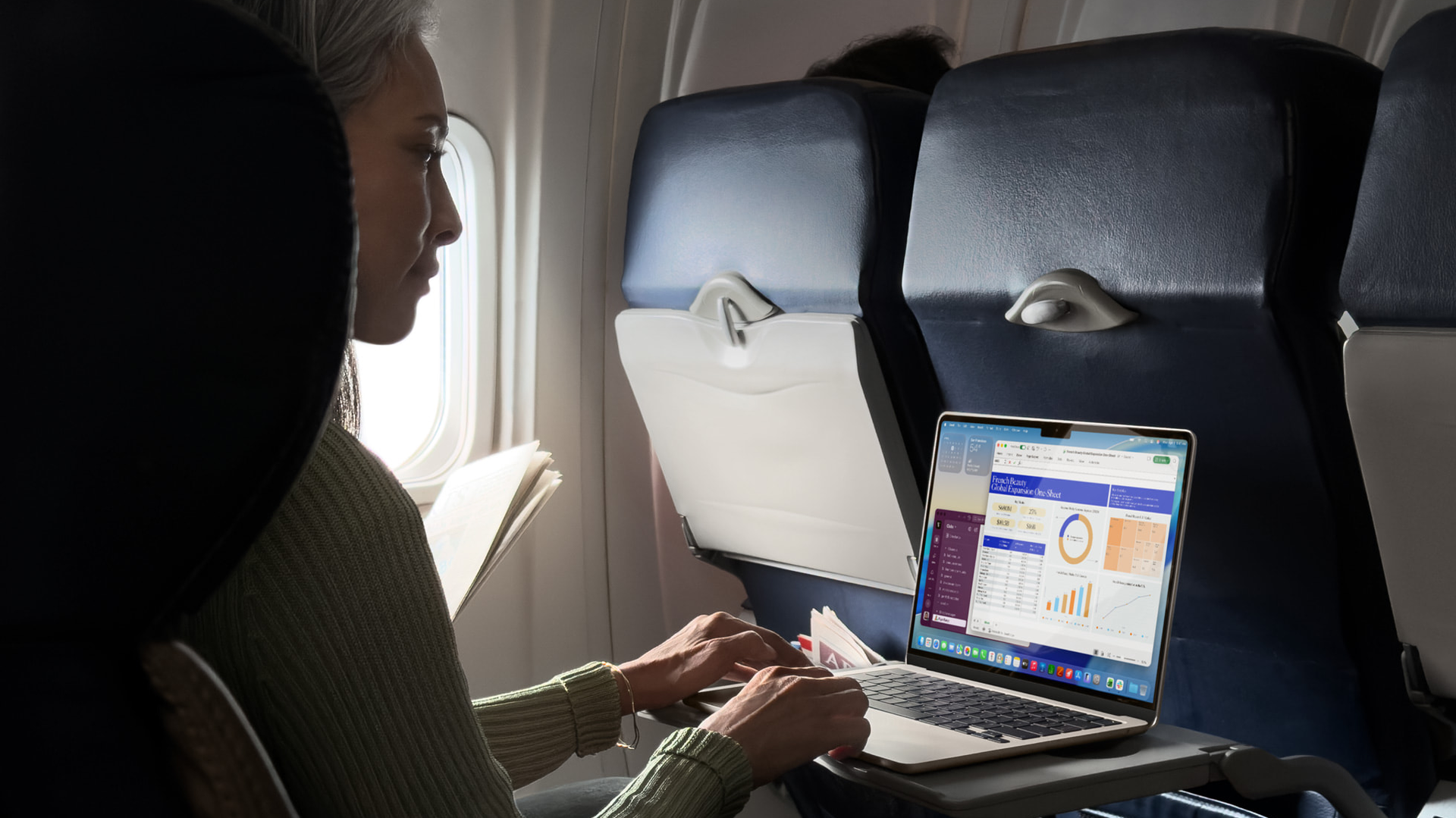
Apple's new M5-powered MacBook Air and 14-/16-inch MacBook Pro vault the company a full generation ahead just six months after M4.
The fanless Air now starts with 512 GB of faster SSD at a bumped-up $1,099 entry price, while the Pro line debuts M5 Pro and M5 Max chips that pack up to 18 CPU cores (6 super cores and 12 performance cores), 40 GPU cores, 128 GB unified memory, and Wi-Fi 7 courtesy of Apple's N1 chip.
Apple claims up to 4× faster on-device AI and twice-as-fast storage, all with 18–24 hour battery life. |
To soften the blow of base prices rising $100–$400, Apple also bumped the Pro's starting storage to 1 TB and 2 TB, and dropped two new monitors: an updated standard-LED Studio Display and a $3,299 mini-LED Studio Display XDR.
The cadence shift jolts the wider PC ecosystem. By pushing ARM silicon, unified memory, and local AI into mainstream and pro machines, Apple makes a compelling case for keeping sensitive enterprise data on-device rather than relying on the cloud.
Developers gain a portable platform for large-language-model work, while enterprises eye battery-friendly "edge AI" notebooks.
Rounding out Apple's week, Monday delivered an M4-powered iPad Air and the wallet-friendly iPhone 17e, underscoring a top-to-bottom hardware refresh tuned for the AI era.
You can preorder the new Macs starting today, March 4, with availability beginning March 11. And yes, your coffee budget may soon include ML accelerators. |
|
|
|
Writer at TechnologyAdvice |
Justin Meyers is an investigative writer and editor who draws on over a decade of meticulous hands-on research to deliver the full, trustworthy story behind consumer and enterprise tech, including cybersecurity. |
|
|
Curious about where AI is really headed? |
The Neuron cuts through the noise to bring you smart, hype-free takes on the latest AI trends, tools, and breakthroughs. Join 500,000+ professionals from top companies like Microsoft, Apple, Salesforce and more.
|
|
|
Advertise in Daily Tech Insider! Daily Tech Insider is a TechnologyAdvice business.
© 2026 TechnologyAdvice, LLC. All rights reserved. TechnologyAdvice, 3343 Perimeter Hill Dr., Suite 215, Nashville, TN 37211, USA. |
|
|
|