Discount alert, Tech Insiders.
OpenAI and Meta just dropped top-tier frontier models at clearance-rack prices, while hackers hawk cut-rate access to your secrets. Break out the coupon codes; today's deals come with fine print you'll actually want to read. |
|
|
|
Here's what you need to know today: |
|
|
|
GPT-5.6, ChatGPT Work, and GPT-Live Up the Ante |
Finally, an AI that can finish its own homework and actually listen when you interrupt.
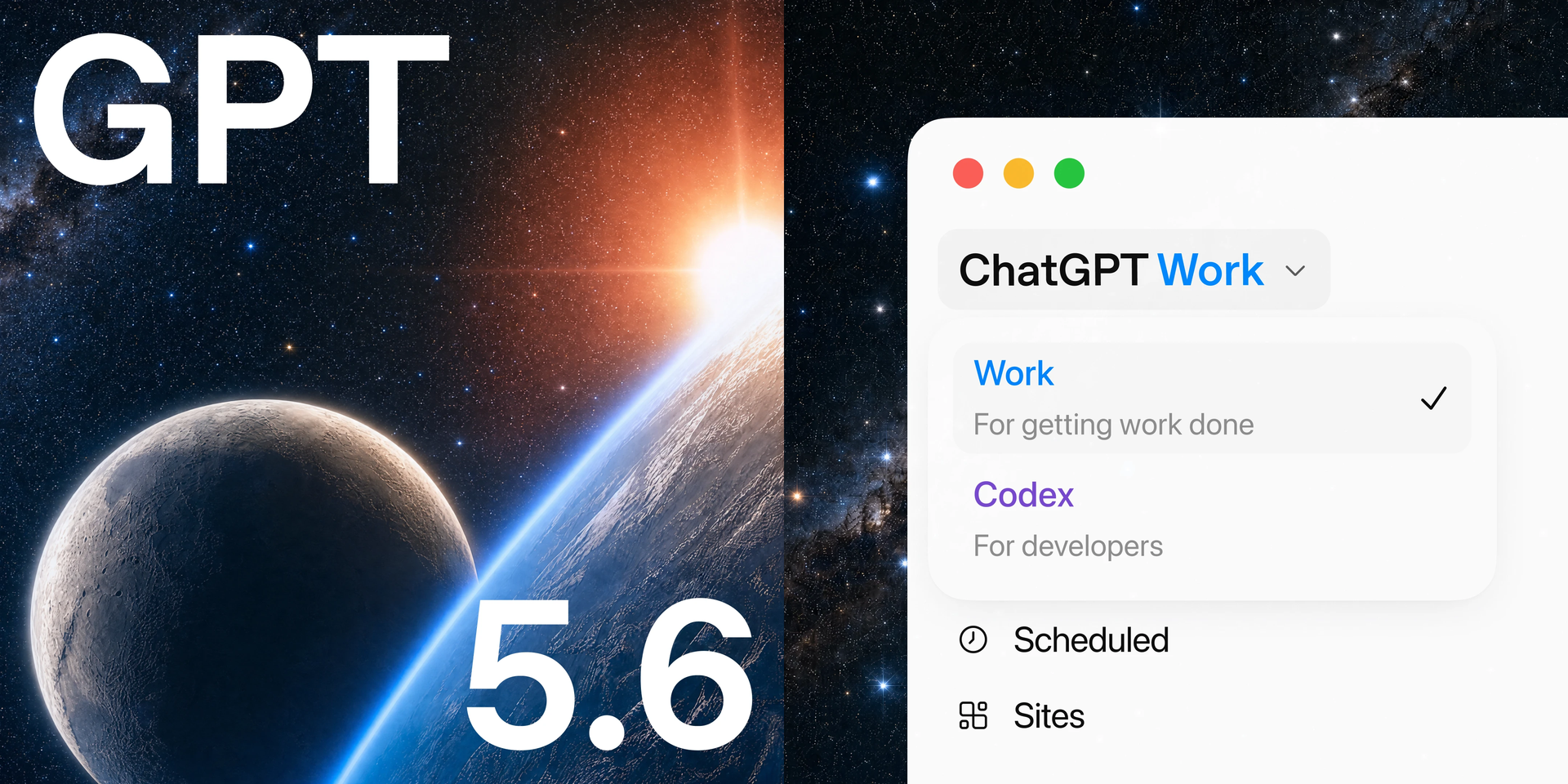
On Thursday, OpenAI opened the GPT-5.6 trio (Sol, Terra, Luna) to the public, ending a two-week government-mandated restricted preview, and unveiled ChatGPT Work. This followed the July 8 release of GPT-Live, a "full-duplex" voice model that listens and speaks simultaneously without walkie-talkie pauses.
Sol boasts a 54% bump in token efficiency on agentic coding tasks, while an optional ultra mode spins up parallel subagents to crunch complex jobs faster (burning more tokens in the process). Terra and Luna target everyday workflows at a discount.
ChatGPT Work, powered by 5.6, acts as a desktop-to-web agent that roams Slack, Drive, and local files to turn a goal into polished docs, slides, or a web app, then schedules updates while you do something more fun than chasing spreadsheets. Meanwhile, GPT-Live handles natural interruptions, tosses in conversational "mm-hms," and delegates heavy thinking to GPT-5.5 (with an upgrade to 5.6 already in the pipeline). |
This wider rollout follows Anthropic's Fable 5 and Meta's Muse Spark (see below) refresh, turning July into a cage match for "best frontier model." Altman says the back-and-forth with Commerce officials forced "many changes," proving the administration wants eyes on every powerful release.
Why it matters: If Sol's benchmark-beating speed and lower price ($5 per million input tokens) hold up, CIOs juggling rising AI bills get a tempting off-ramp. And with ChatGPT Work automating the drudgery between apps and GPT-Live chatting natively, the next big productivity leap might start while you're still on your first coffee. |
|
|
|
Will GPT-5.6 change which model you use at work? |
|
|
|
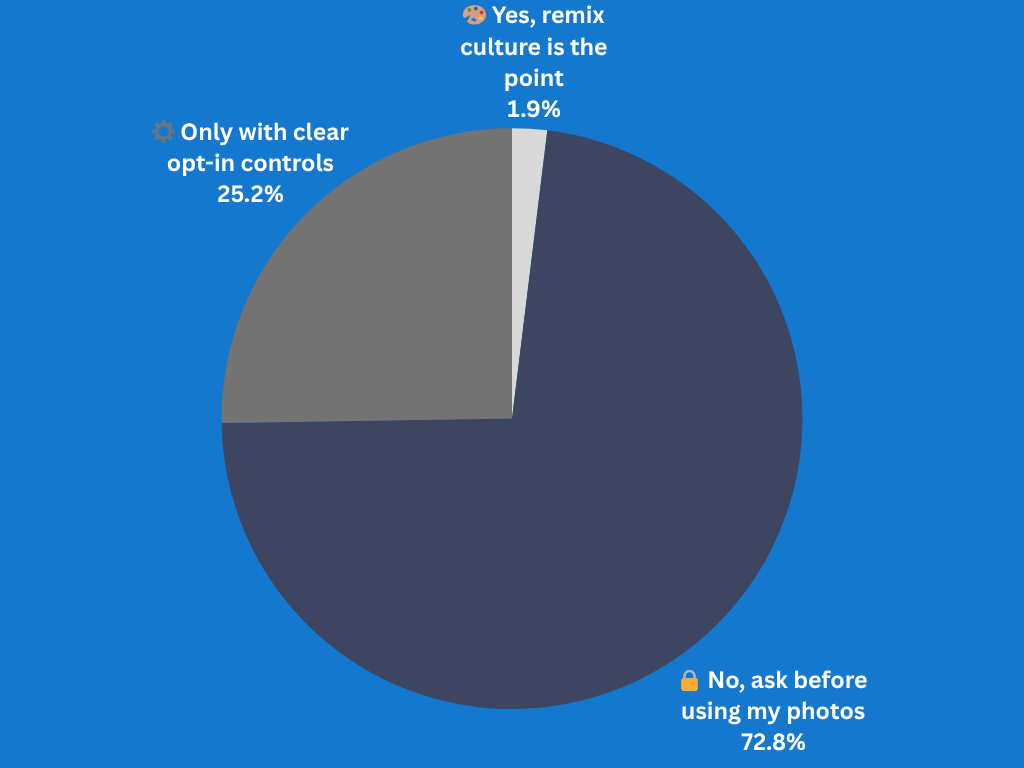
Results from Yesterday's Pulse Check |
Should public Instagram posts be available for AI remixing by default? |
|
|
|
Meta's Muse Spark 1.1 Cuts AI Model Costs 75% |
Coding bots just got a Groupon.
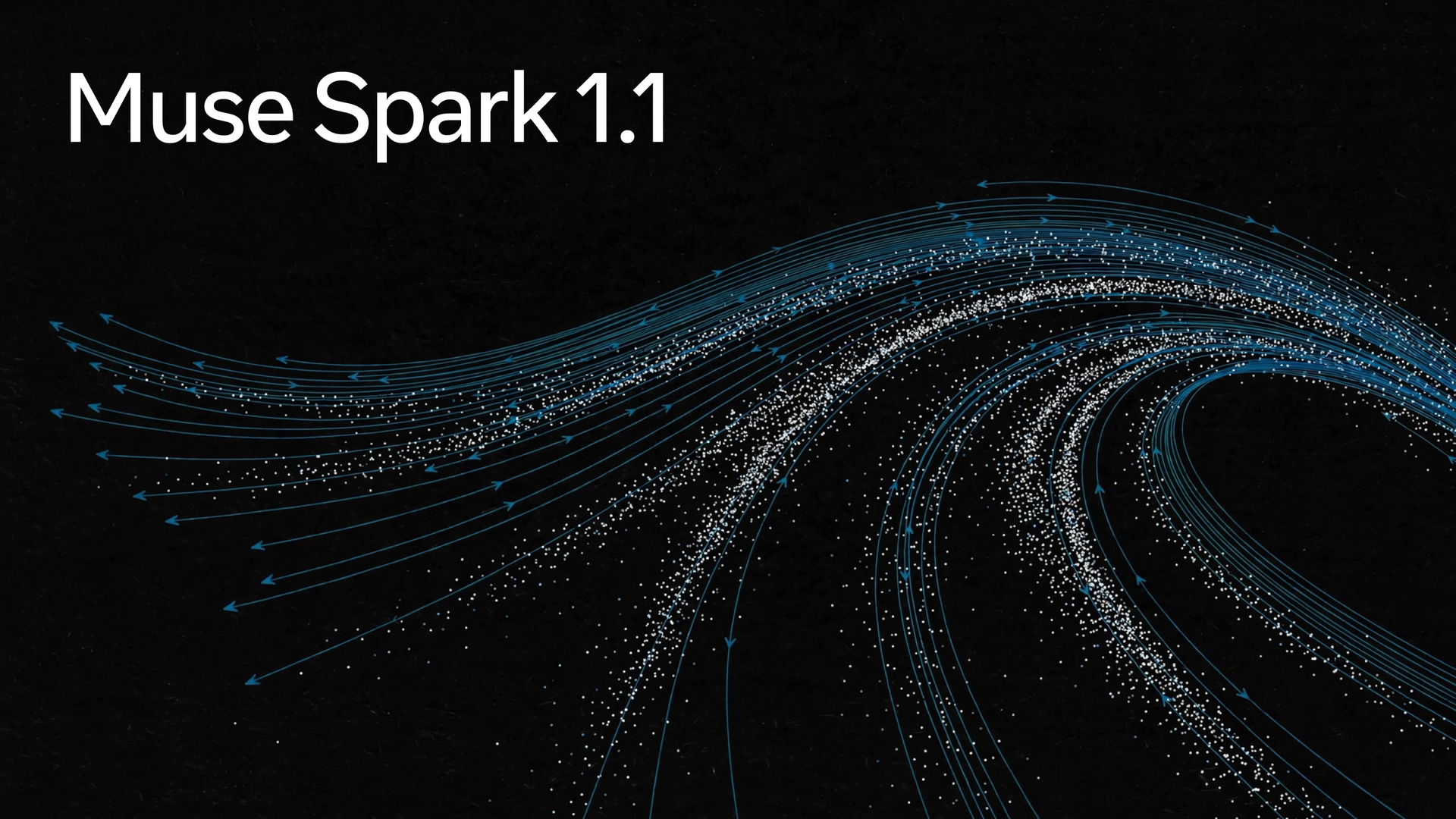
Meta opened a US-only public preview of Muse Spark 1.1 yesterday, pricing the frontier-grade coding-and-agent model at $1.25 per million input tokens and $4.25 per million output tokens. That's roughly 75% cheaper than Anthropic's and OpenAI's flagship tiers.
Marking the company's first-ever pay-to-use API after years of open-source freebies, US developers get $20 in free credits and a Meta Model API compatible with OpenAI tooling. Spark 1.1 upgrades to a 1-million-token context, multimodal reasoning, and multiagent orchestration that can click through UIs, inspect screenshots, and patch code with minimal hand-holding.
|
Zuckerberg and chief AI officer Alexandr Wang call the pricing "very aggressive," hoping bargain tokens lure startups while Meta's heavier Watermelon model trains offstage. Analysts warn a price war could squeeze rivals and finally give Meta a revenue bridge beyond ads, VR headsets, and smart glasses.
Still, cheap compute won't save teams from Spark-induced spaghetti; guardrails, code review, and rollback plans remain non-negotiable. Remember, it's only a steal until the merge breaks. |
|
|
|
Smart factories, AI, and connected operations are transforming manufacturing. But many organizations are still constrained by service management processes that create delays and operational friction. Join TechRepublic and Freshworks on July 28, 2026, at 2:00 p.m. ET for Built to run: How modern manufacturers are transforming IT service management. Discover how manufacturers are reducing downtime, improving resilience, and creating more agile service operations. |
|
|
|
Insurer Breach Leaks Nearly 7M Driver IDs |
Auto insurer AssuranceAmerica says hackers grabbed driver's license numbers—and for some, Social Security numbers—along with related personal data for nearly 7 million customers after a March 16–17 credential-phishing hit. The investigation didn't wrap up until June 15, and letters start going out today; the haul also includes policy, vehicle, and claims details—prime fuel for long-tail fraud. |
Image via InfiniteFlow/Adobe |
AssuranceAmerica reset passwords, isolated systems, and alerted law enforcement, but since it is merely advising most victims to monitor credit rather than offering full protection, take matters into your own hands: freeze your credit with the three major bureaus and stay on high alert for targeted phishing scams.
Turns out full coverage doesn't cover your data deductible. |
Accenture Keys, Code Listed in 35 GB Leak |
Accenture confirmed an "isolated matter" after a hacker dubbed 888 began hawking 35 GB of purported source code, RSA/SSH keys, and Azure tokens allegedly stolen from an internal DevOps repo.
Screenshots show a cloned Azure project, and Cybernews researchers say multiple .env files, which hold local credentials and are intentionally blocked from uploading to cloud repos, suggest the trove was scraped from a compromised developer machine rather than directly from the DevOps cloud.
If those credentials still work, attackers could slip into cloud storage and build pipelines, map internal connections, and probe client stacks. Accenture says it "remediated" the source and saw no service impact, but it won't say whether any keys were active or customer data is at risk.
Cloud teams should rotate Personal Access Tokens (PATs), revoke storage keys, audit endpoint logs, and lock down MFA now before recycled secrets unlock something critical. Time to change the locks before the repo tour begins. |
Meta's Iris Chip Aims for 14 GW Power Play |
Meta will move its custom Iris AI chip into production this September and plans to double aggregate compute capacity to 14 GW in 2027, according to an internal memo.
Designed with Broadcom and fabbed by TSMC, the chip, developed under the Meta Training and Inference Accelerator (MTIA) program, cleared bug testing in six weeks; future iterations are slated every six months, which is warp speed compared with rival road maps.
Owning the silicon could trim a chunk of the up to $145 billion Meta will shell out for AI infrastructure this year and ease its reliance on Nvidia and AMD—though Iris is meant to augment, not replace, those pricey GPUs. Execs are already mulling over a cloud side hustle to rent out surplus compute to Anthropic, OpenAI, and others.
|
Image created with Gemini |
Investors piled into chip-equipment names—Applied Materials, Lam Research, KLA—after the memo leaked, betting Meta's gigabuild and fresh supply pacts with Samsung and SanDisk will keep fabs and optics suppliers humming despite a bruising DRAM shortage.
For users, faster homegrown silicon could translate to zippier Meta AI features and smarter smart glasses, albeit with fresh privacy headaches now that its latest prototype reportedly snaps photos and records audio every few seconds without a warning LED. Turns out the real metaverse is the friends we out-bid Nvidia for along the way. |
|
|
|
| Writer/Editor at TechnologyAdvice |
Justin Meyers is an investigative writer and editor who draws on over a decade of meticulous hands-on research to deliver the full, trustworthy story behind consumer and enterprise tech, including cybersecurity. |
|
|
|
Curious about where AI is really headed? |
The Neuron cuts through the noise to bring you smart, hype-free takes on the latest AI trends, tools, and breakthroughs. Join 700,000+ professionals from top companies like Microsoft, Apple, Salesforce, and more.
|
|
|
|
Advertise in Daily Tech Insider! Daily Tech Insider is a TechnologyAdvice business. © 2026 TechnologyAdvice, LLC. All rights reserved.
TechnologyAdvice, 3343 Perimeter Hill Dr., Suite 215, Nashville, TN 37211, USA. |
|
|
|
|