Eyes on the sky, Tech Insiders.
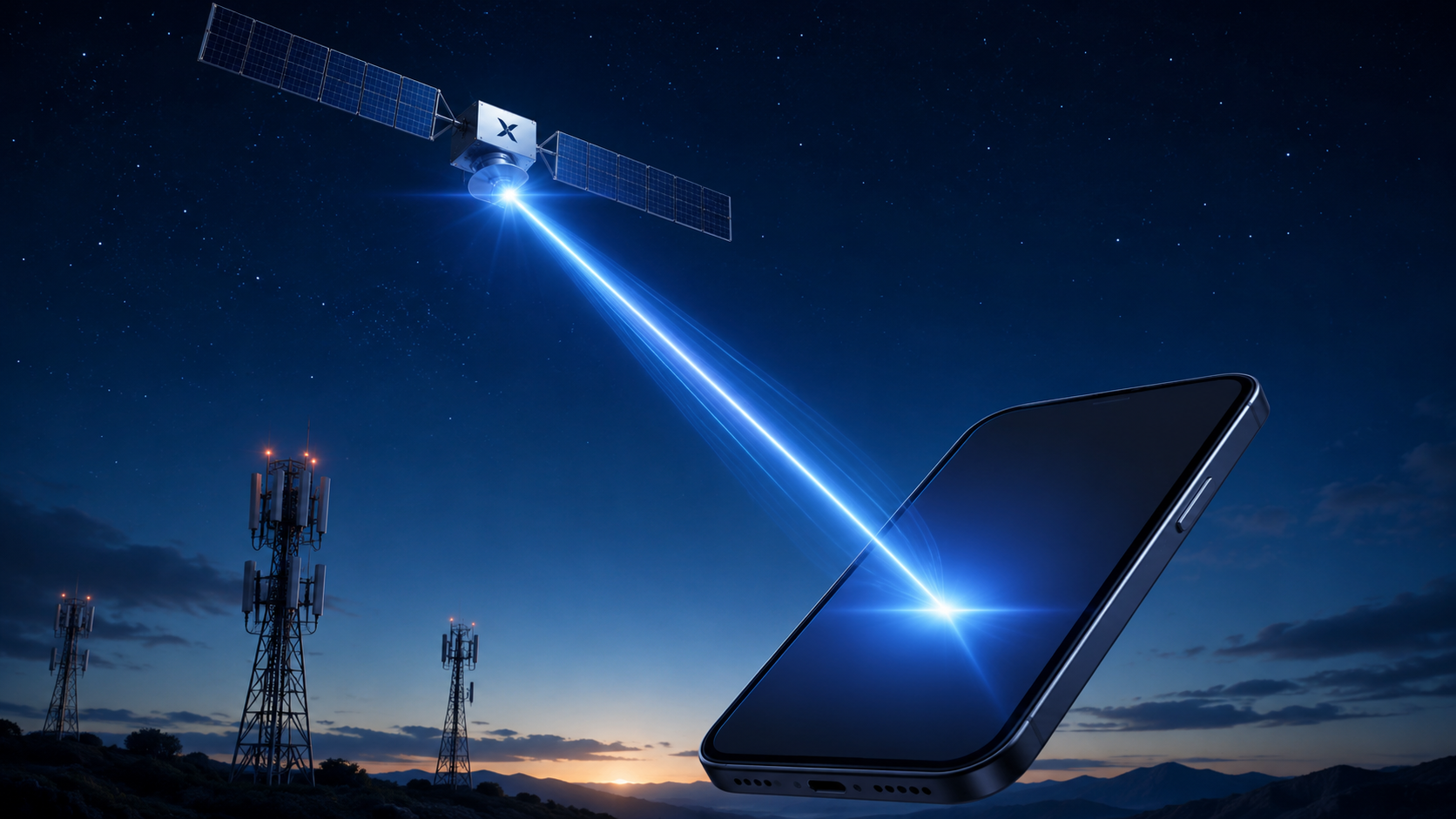
Quake-spotting phones monitor the ground while Starlink aims to beam directly to your pocket, leaving the legacy carriers in between scrambling to keep up. Let's track the trajectories. |
|
|
|
Here's what you need to know today: |
|
|
|
Android Quake Alerts Reach 11.4M Venezuelans |
Your phone just graduated from humble screen-flipper to pocket seismologist.
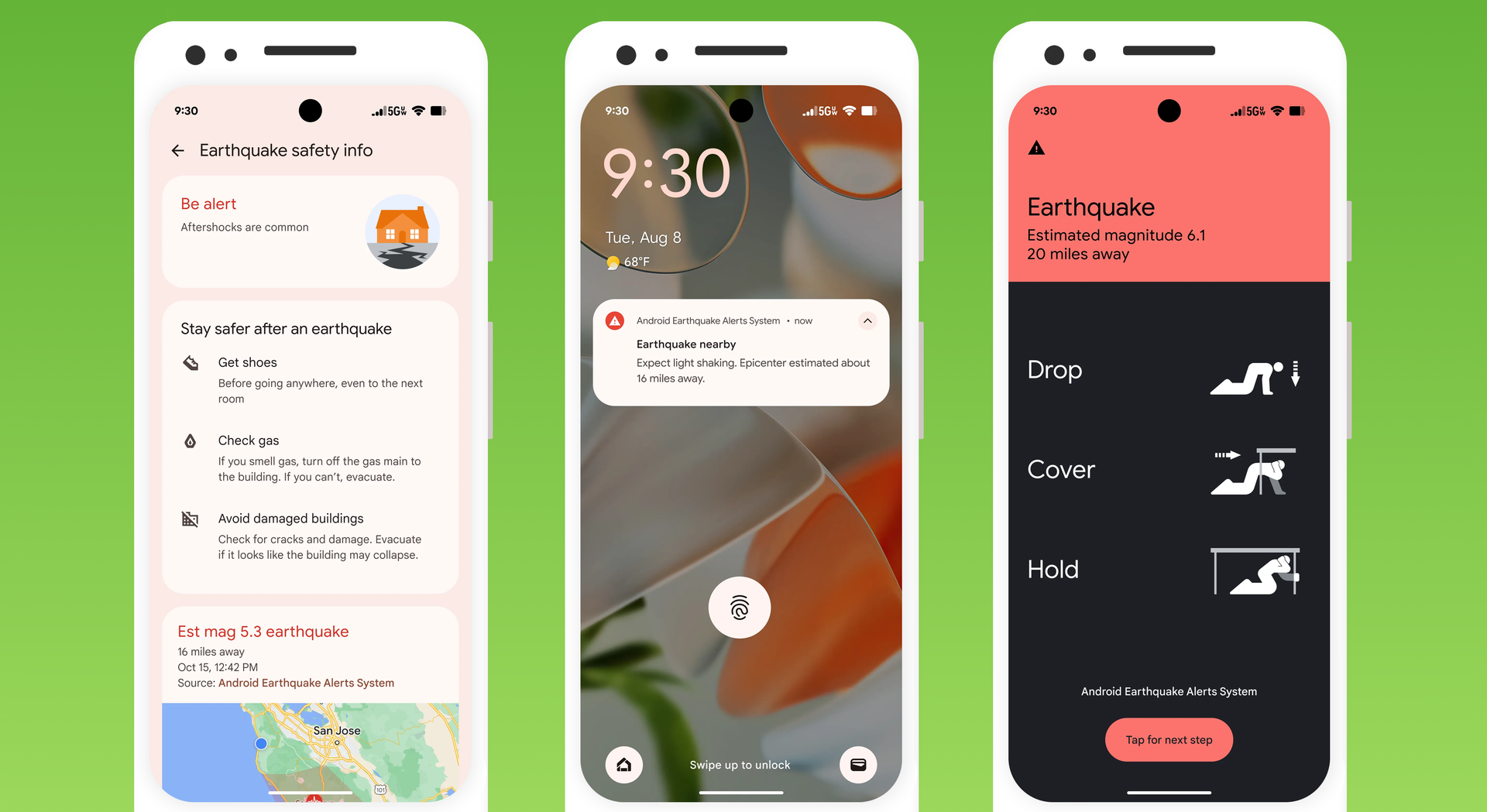
Google's Android Earthquake Alerts got its biggest real-world test on June 24 when magnitude 7.2 and 7.5 quakes ripped through northern Venezuela. Within nine seconds of the first rumble, the crowdsourced network of idle Android phones had verified the shaking and pushed warnings to roughly 11.4 million users, 1.4 million of them flagged with a blaring "Take Action" alert. Depending on distance from the epicenter, residents gained anywhere from a few seconds to nearly two minutes to drop, cover, and hold on.
The system turns the accelerometer in every stationary Android device into a mini-seismometer. When enough phones register the fast but mild P-waves (primary), Google's servers triangulate the quake and race a notification ahead of the slower, destructive S-waves (secondary). |
Apple users, meanwhile, stayed in the dark: iPhones can relay official government warnings but lack their own sensor network.
How the system stacks up: |
- The track record: The service is now live in 98 countries, has issued some 790 million alerts, and halved its magnitude-estimate error since launch.
-
The catch: To work, phones must be stationary with Wi-Fi/data enabled. It also can't replace national systems for those directly at the epicenter.
- The privacy: Users who prefer not to crowdsource their tremors can simply opt out by toggling off Location Accuracy or the alerts in their settings.
|
Why it matters: In seismic regions without expensive sensor grids, the world's biggest OS just handed residents life-saving seconds—for free. For businesses, public agencies, and app builders, it's proof that a crowd of everyday gadgets can out-sense dedicated hardware and still keep privacy intact. |
|
|
|
Will you keep Android's earthquake alerts switched on? |
|
|
|
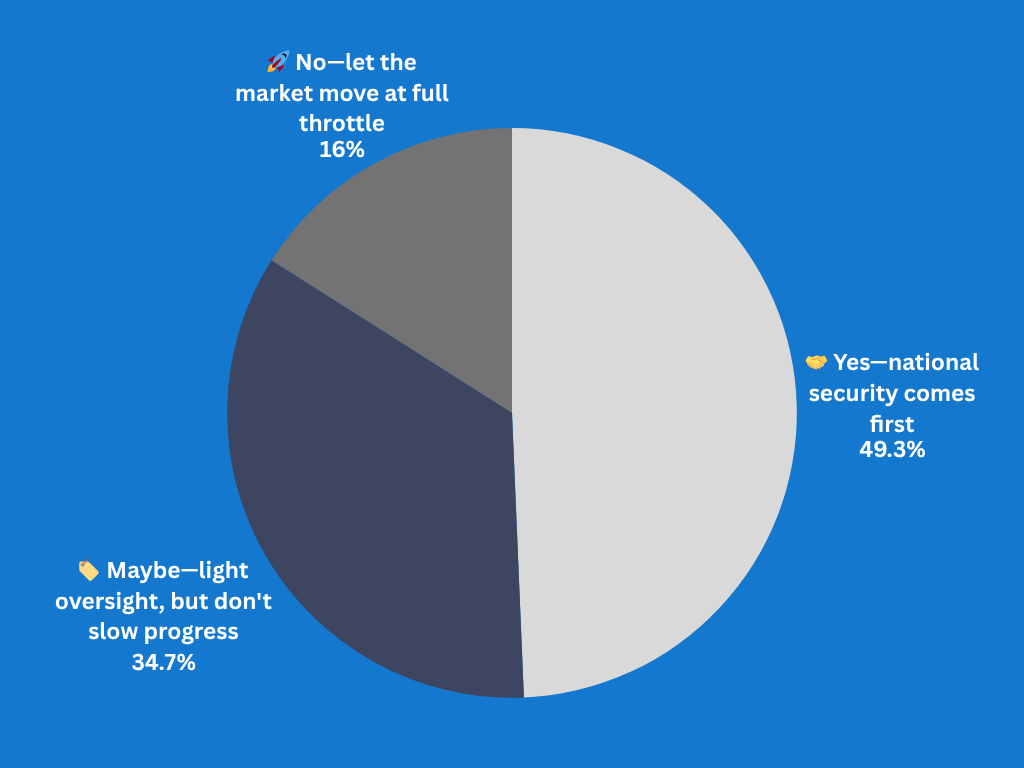
Results from Yesterday's Pulse Check |
Should the US government preapprove every frontier AI model release? |
|
|
|
HP Rolls Out OpenAI Frontier Worldwide |
Your next support chat might actually talk back, politely.
HP Inc. on Sunday, June 28, unveiled a strategic partnership with OpenAI that will deploy the Frontier enterprise AI platform across its 180-country footprint.
Frontier-powered agents will underpin customer and partner self-service, mine device telemetry via HP's Workforce Experience Platform (WXP), turbocharge employee workflows, and grease the code pipeline.
Early pilots already let a security team compress a month of triage into a single day—freeing roughly 82 staff hours per week—and helped one engineer close 122 pull requests across 43 projects in a matter of weeks. |
The deal is an important enterprise win for OpenAI as CFOs demand proof of ROI; HP joins Intuit, Oracle, State Farm, Thermo Fisher, and Uber as early adopters of the February-launched platform that bundles context, governance, and agent execution under one roof.
HP also teased always-on "AI devices" built for 24/7 inference, all managed through its Gartner-lauded WXP console. Conveniently, this newfound "efficiency" pairs well with HP's plans to slash up to 6,000 jobs by 2028 as it leans harder into its AI rollout.
Guess printers finally found their killer app. |
|
|
|
🤖 Scale AI From Pilot to Production
Plenty of companies can launch an AI pilot. Far fewer know how to make it stick. Learn more.
🚀 Turbocharge IaC With AI Orchestration
Spacelift is the infrastructure orchestration platform built for the AI-accelerated software era. Its platform manages the full lifecycle for both traditional IaC and AI-provisioned infrastructure. Try for free. 📊 Dive Into Data for 87% Less
Grab The Advanced Data Science Bundle—eight expert courses (Power BI, TensorFlow, PySpark, and more) with 50.5 hours of lifetime training—for just $29.99 (87% off).
💻 This section contains sponsored tech insights. Advertise with us! |
|
|
|
Chrome 149 Fixes 21 Flaws—Update Now |
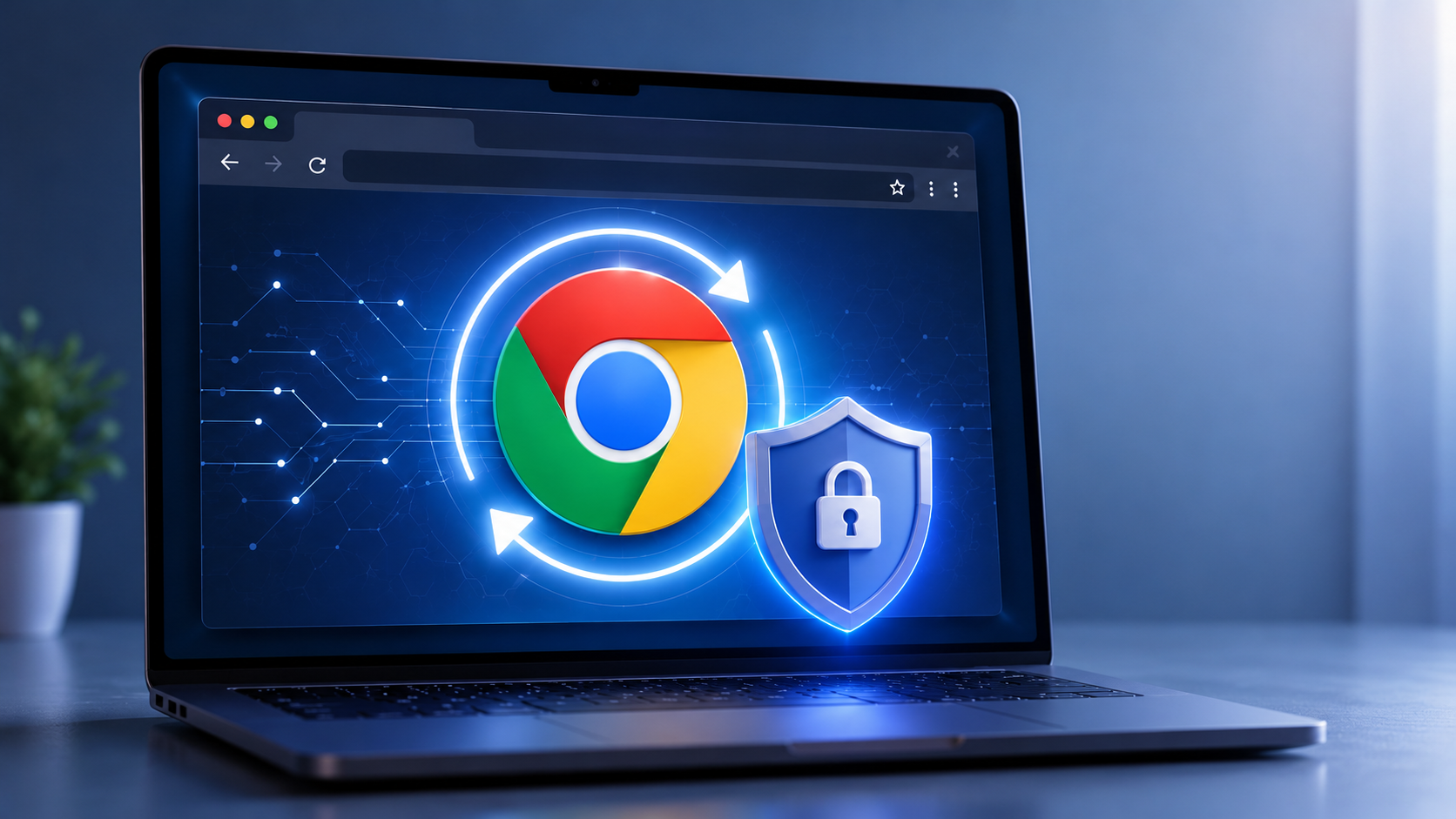
Google launched Chrome 149 with a hefty batch of 18 security fixes, only to follow it up days later with a surprise update that brings the total to 21 bugs squashed last week.
The latest release bumps the stable build to 149.0.7827.200/201 on Windows and Mac, and 200 on Linux. While there's no evidence of active exploitation of any of the vulnerabilities yet, don't press your luck. |
Image created with ChatGPT |
June 23's patches quelled two use-after-free bugs in WebGL, one in Autofill, and an out-of-bounds read in Blink that attackers could chain to escape the sandbox; June 25's trio, all high-severity, plugs holes in Mojo, Payments, and AdFilter.
If you don't have automatic updates, you can update now via the About Chrome menu, restart the browser to lock it in, and tell any Chromium-based browsers to follow suit. At the time of this writing, Brave has already integrated the latest fixes, but Arc only squeezed in the first batch. Opera and Edge are still snoozing and need to catch up.
Patch procrastinators, consider this your browser's final boarding call. |
SimpleHelp Hole Weaponized to Drop Djinn Stealer |
Threat hunters say crooks are exploiting SimpleHelp's CVE-2026-48558 auth-bypass to spin up privileged support accounts and then use the tool itself to push a TaskWeaver loader and fresh Djinn Stealer malware. Djinn rifles through Windows, macOS, and Linux boxes for cloud keys, Git and package-registry tokens, and even AI-coding-bot secrets—enough loot to hijack builds or empty wallets.
Update SimpleHelp to the latest build, kill unknown technician sessions, and force MFA or SSO on the console. Then, rotate any credentials the tool could reach. Crucially, ask your MSPs (managed service providers) or contractors if they expose SimpleHelp and demand they patch immediately. You should also segment your RMM (remote monitoring and management) tools away from crown-jewel systems so a compromised help desk doesn't become a VIP pass to your domain controllers.
Remote help just turned into remote hell; patch before the genie roams into your production environments. |
Starlink Mobile Push Jolts US Carriers |
SpaceX told IPO investors it may launch a retail Starlink mobile service—and even build its own US cellular network—setting up a head-to-head with Verizon, AT&T, and T-Mobile.
Doing so would flip Starlink from partner to rival. Armed with $19.6 billion in EchoStar spectrum but only 65 MHz against the incumbents' 1,020 MHz, it's an uphill battle. Still, the mere threat wiped an average 4.7% off the three telecom stocks on Monday. And the Big Three are already sweating; on May 14, they formed a spectrum-pooling JV to bolster their own satellite-to-phone play.
|
Image created with ChatGPT |
Analysts float three routes for Elon Musk's telecom takeover: squeeze sweeter wholesale terms, mount a moon-shot bid for T-Mobile, or strike a pact with Charter Communications. That last option isn't just a pipe dream; the two are reportedly already in high-level talks. Plus, the buzz only grew after Comcast announced yesterday that it will spin off NBCUniversal, clearing a path for a Comcast-Charter mash-up that would hand Musk new bargaining chips.
Either way, a fourth national carrier that blends rockets, satellites, and ground towers is already rewriting deal math across broadband, cable, and wireless—and could finally pry down prices while beaming bars into the last dead zones. Memo to carriers: when the internet literally falls from the sky, your cozy oligopoly might, too. |
|
|
|
|
Writer/Editor at TechnologyAdvice |
Justin Meyers is an investigative writer and editor who draws on over a decade of meticulous hands-on research to deliver the full, trustworthy story behind consumer and enterprise tech, including cybersecurity. |
|
|
|
Curious about where AI is really headed? |
The Neuron cuts through the noise to bring you smart, hype-free takes on the latest AI trends, tools, and breakthroughs. Join 700,000+ professionals from top companies like Microsoft, Apple, Salesforce, and more.
|
|
|
|
Advertise in Daily Tech Insider! Daily Tech Insider is a TechnologyAdvice business. © 2026 TechnologyAdvice, LLC. All rights reserved.
TechnologyAdvice, 3343 Perimeter Hill Dr., Suite 215, Nashville, TN 37211, USA. |
|
|
|
|