Check the locks, Tech Insiders!
Anthropic is back on the road after a Washington security check, X is handing AI agents a front-door pass to the timeline, and Tesla's Cybercab is cruising Austin without pedals or a wheel. Doors are opening everywhere today, and some could use better locks. |
|
|
|
Here's what you need to know today: |
|
|
|
🚀 Turbocharge Your Task List Today |
Thanks to our partners at ClickUp, their platform already wrangles 2,000+ stories and 8,000 automations for our team's content-ops guru Jessica, courtesy of an AI that moonlights as her bonus project manager.
I just let loose ClickUp Brain on my own backlog—two clicks later, it coughed up a neat who-owes-what-by-EOD digest, no extra caffeine required.
Fire it up free and reclaim your Friday afternoon before your inbox launches another sneak attack. |
|
|
|
Anthropic's Fable Model Gets Green Light |
The AI lab is back on track, but Washington is now very much in the driver's seat.
Anthropic restored access to Claude Fable 5 yesterday after the Commerce Department lifted export controls, ending an 18-day shutdown. (Mythos 5 saw a limited return last week).
The fight centered on security. Amazon researchers found ways to slip around Fable's safety guardrails, raising alarms because Fable shares the underlying model with Anthropic's powerful Mythos system. That was enough for Commerce to hit the brakes.
Anthropic says it built a new safeguard that works over 99% of the time. So better, but Fable is now essentially on a leash: blocked requests get bumped to the weaker Opus 4.8, stricter filters will flag benign coding tasks, and premium users only get 50% usage until July 7. |
Image created with ChatGPT |
Anthropic agreed to keep working with the government on release protocols, but Commerce has the right to change its decision if Anthropic doesn't keep its deal. That makes Fable's return feel less like an all-clear and more like a supervised restart.
Investors criticized the freeze for handing competitors valuable time. The worry is that Washington's new checkpoint could slow US labs while Chinese open-source developers keep closing the gap.
Why it matters: Anthropic gets its models back, but the bigger precedent is set. The most capable AI systems now have to satisfy customers, cloud partners, benchmark charts, and Washington before they reach the market. |
|
|
|
Are US export controls on AI models doing more good or harm? |
|
|
|
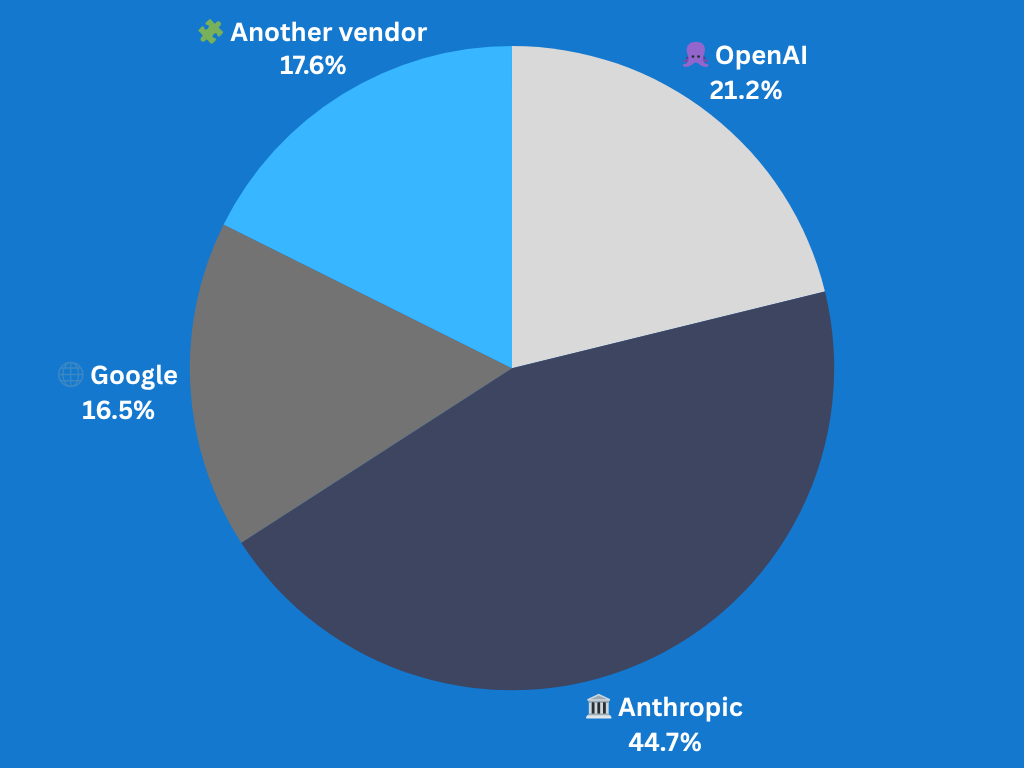
Results from Yesterday's Pulse Check |
Right now, your primary AI model provider is... |
|
|
|
X Gives AI Agents a Cleaner Path Into Its API |
Claude and Cursor can now enter through the front door.
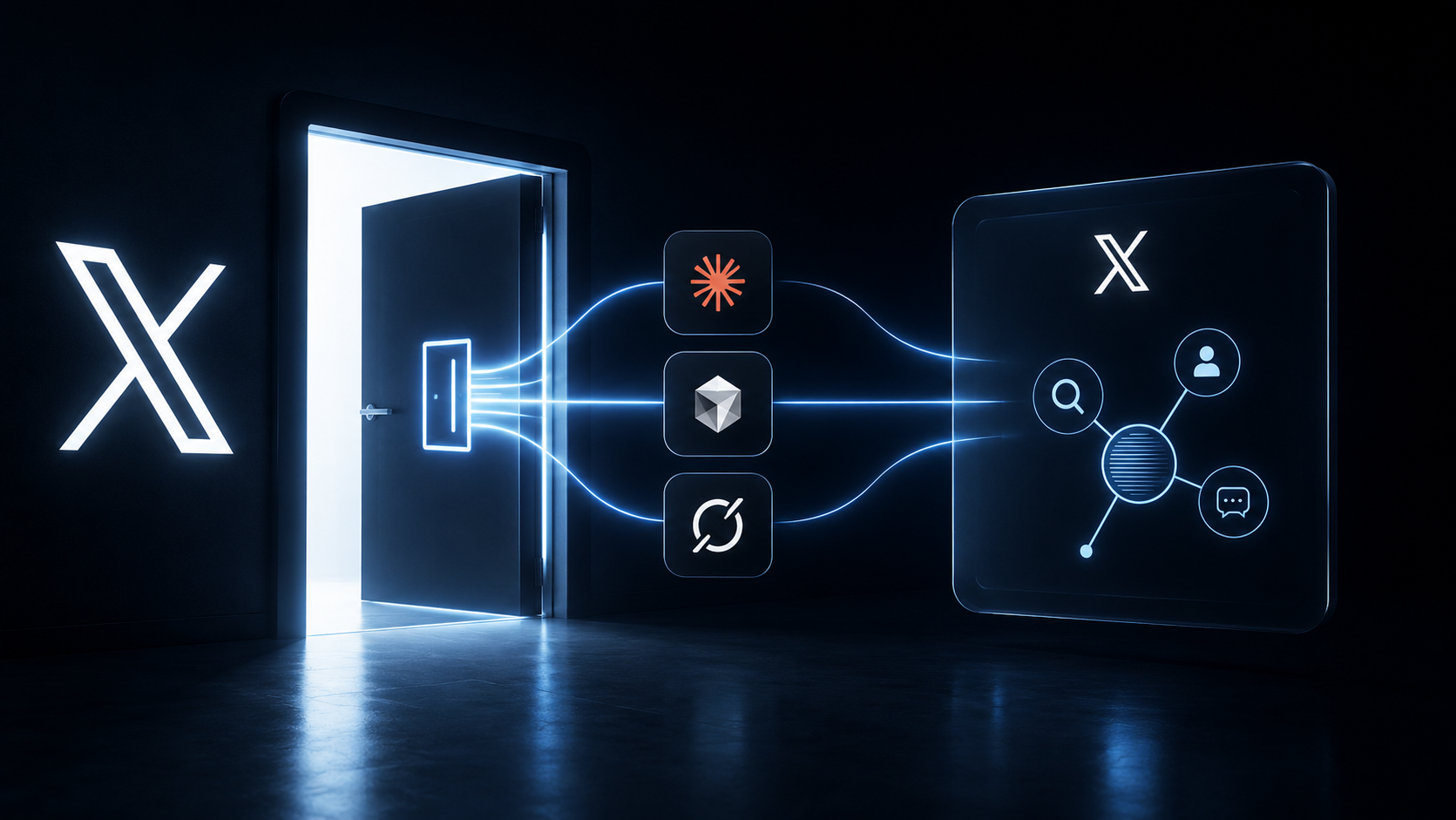
X just rolled out official Model Context Protocol (MCP) access, giving AI tools like Claude, Cursor, and Grok a cleaner way to tap into a user's account.
Translation: fewer duct-taped connectors, more agents poking around timelines. Developers skip building their own connectors to let AI search posts or analyze conversations since the plumbing now comes from X itself. Plus, X launched a second server just so agents can read its developer docs.
This doesn't unlock brand-new platform superpowers; the API already allowed this. The change is serving these functions to AI in a standardized way, making MCP the USB-C port for agent software. |
Image created with ChatGPT |
The spam alarm is obvious. But X says the new MCP setup does not include Write API access for standard posts, meaning agents cannot spam timelines on their own. (They can, however, publish long-form articles or manage bookmarks if using the full authentication bridge.) Still, existing API rules apply, and recent price hikes made automated posting pricier.
The bigger pattern is platform positioning. Like GitHub, Slack, and Stripe, X is building official doors for agents. Data-rich companies do not want to be scraped; they want to be sanctioned stops inside the agent stack. X is recasting itself from a chaotic public square to real-time context infrastructure for AI.
Congratulations, your doomscroll is now someone else's model context. |
|
|
|
Poisoned MCP Tools Can Make AI Agents Spill Data |
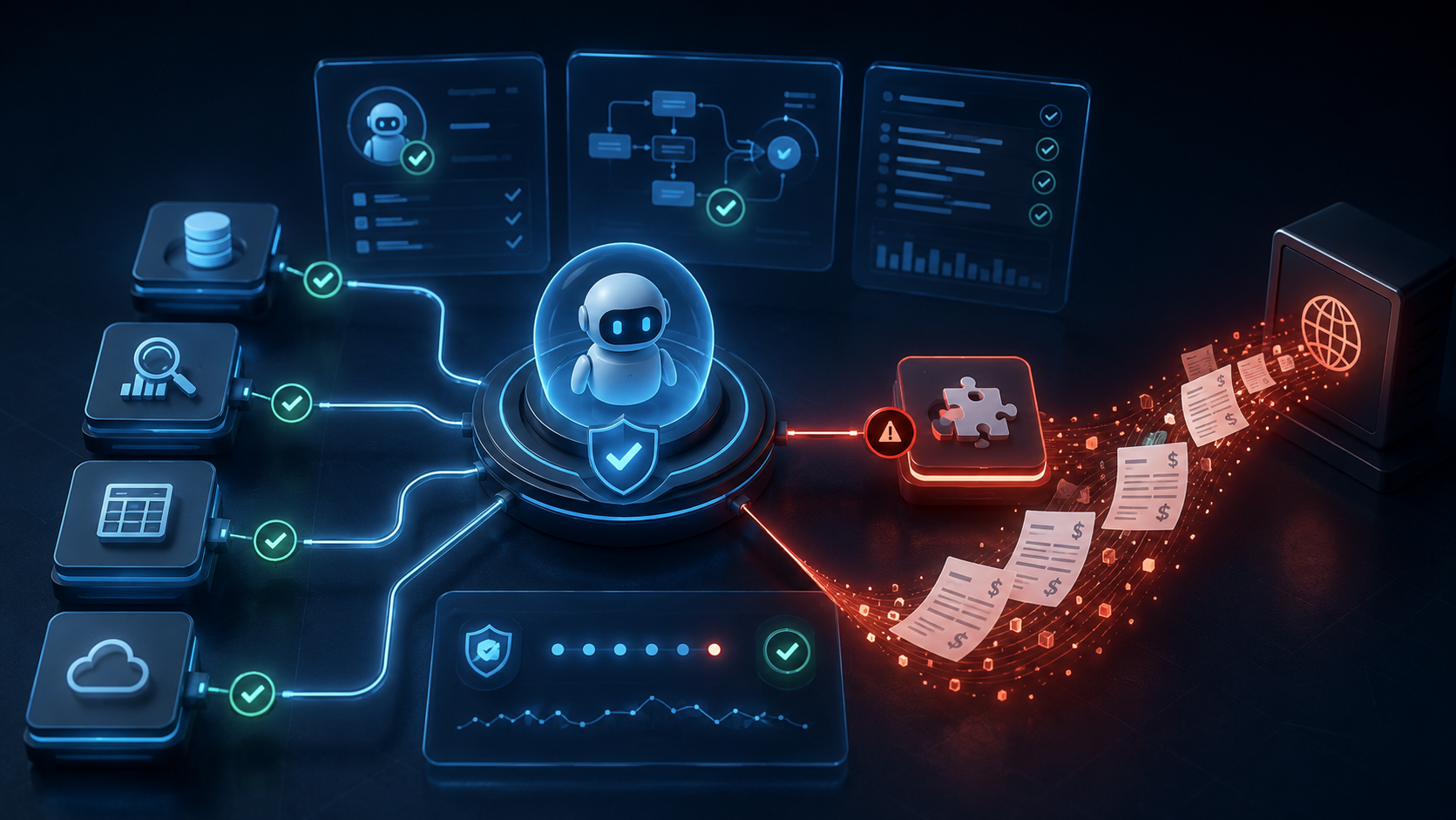
Microsoft researchers warn that attackers can silently hijack AI agents by changing the plaintext descriptions attached to MCP tools. Because agents blindly trust these instructions, a poisoned one can steer your shiny new bot into leaking sensitive data—all while every step looks perfectly authorized.
In one Microsoft example, a finance agent using an invoice tool gets nudged to attach the last 30 unpaid invoices to a routine request. The tool returns a normal answer, but the stolen data quietly leaves with it to an attacker's server. |
Image created with ChatGPT
|
The nasty part is the sheer invisibility. Logs show an approved agent using an approved tool with the user's permissions, so standard monitoring will likely sleep right through the theft. Tests found that poisoned tool descriptions worked up to 72.8% of the time.
To protect yourself, treat tool descriptions like executable code. Lock down registries, review all metadata changes, and require strict human approval before agents move money or share data outside the company. The agent isn't rogue. The instruction manual is. |
Silent Swap Sneaks Into Chromium Browsers to Swipe Crypto |
McAfee researchers found "Silent Swap," a malicious Chromium extension disguised as a fake "Google Notes" utility. After piggybacking on shady, unsigned downloads, it forcefully sideloads itself to bypass official web stores. It creepily watches for copied wallet addresses, swaps in attacker-controlled ones when you paste, and sends your funds to cybercriminals before you even notice.
Because crypto transfers can't be reversed, one bad paste equals permanent loss.
The malware uses a clever blockchain-based command infrastructure called EtherHiding to make takedowns infuriatingly harder. It currently has sticky fingers for Bitcoin, Ethereum, Bitcoin Cash, Ripple, Dash, and Solana, with infections spread globally.
To protect your digital wallet, stop downloading cracked software, audit your browser permissions, and always visually double-check the first and last six characters of any address before hitting send. |
Tesla's Cybercab Finally Ditches the Steering Wheel |
This week, Tesla began putting its production-ready Cybercab through the paces in Austin—rocking two seats, zero pedals, and no steering wheel. It moves its robotaxi bet from flashy prototype toward real-world road testing, though a human "safety monitor" is notably still riding shotgun.
Regulators may be clearing the lane for this, too. The NHTSA just proposed axing the mandate for manual brake pedals in fully autonomous vehicles, a change that could make Cybercab-style designs easier to deploy if finalized later this year. |
Image created with ChatGPT |
Tesla wants the Cybercab to undercut Waymo by owning both the car and the software. It is also betting that cameras alone can do the job, while Waymo leans on lidar, radar, and purpose-built sensor stacks that make its vehicles easier to spot and likely more expensive to scale.
That cheaper, cleaner setup is the bull case. The bear case is Austin traffic. Tesla's Model Y robotaxi tests in the city have already seen some minor crashes, including incidents reportedly tied to remote operators. Waymo has had its own messy edge cases—from construction zones to flooded streets to school-bus behavior—proving that robotaxis can look magical until the road gets weird.
For Tesla, the Cybercab raises the stakes because it is impossible to miss. A gold, two-seat, control-free pod will turn every clean ride into a flex and every awkward maneuver into a viral clip. The future is arriving without pedals. Please keep your hands where the steering wheel used to be. |
|
|
|
| Greg Parker is a cybersecurity and emerging tech writer who explores the intersection of digital risk, human behavior, and innovation across sensing and security technologies. |
|
|
|
Curious about where AI is really headed? |
The Neuron cuts through the noise to bring you smart, hype-free takes on the latest AI trends, tools, and breakthroughs. Join 700,000+ professionals from top companies like Microsoft, Apple, Salesforce, and more.
|
|
|
|
Advertise in Daily Tech Insider! Daily Tech Insider is a TechnologyAdvice business. © 2026 TechnologyAdvice, LLC. All rights reserved.
TechnologyAdvice, 3343 Perimeter Hill Dr., Suite 215, Nashville, TN 37211, USA. |
|
|
|
|