Brace for impact, Tech Insiders.
AI pink slips may be piling up, and data centers are guzzling power like sports cars at a gas-station giveaway. Court fights and cyber cons round out the chaos. Strap in—today's feed comes with airbags. |
|
|
|
Here's what you need to know today: |
|
|
|
200 Economists Sound Alarm on AI Job Disruption |
Experts just slapped a bright red "Danger: Bots Ahead" sticker on the labor market.
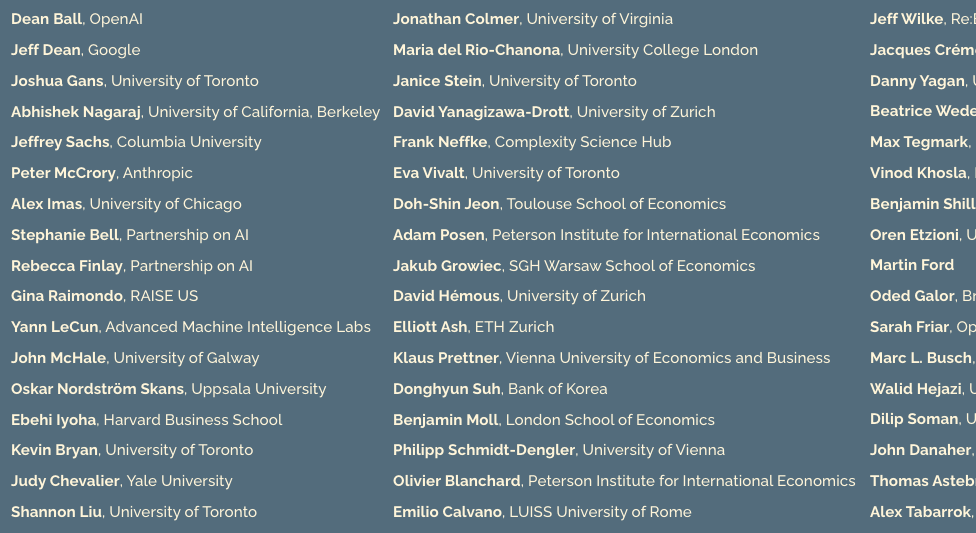
On July 13, more than 200 economists, Nobel laureates, and AI insiders released an 88-word statement bluntly titled "We Must Act Now." The letter warns that increasingly capable AI could overhaul employment faster than the Industrial Revolution and urges policymakers to act before workers are sidelined.
Signatories include former Google CEO Eric Schmidt, LinkedIn co-founder Reid Hoffman, OpenAI CFO Sarah Friar, and laureates Joseph Stiglitz and Daron Acemoglu. The manifesto's three bullet points predict radically more powerful AI within a decade, flag the risk of large-scale job losses, and call for "incentives, guardrails, and institutions" to ensure the technology complements humans. |
The plea lands amid mixed signals: AI-linked layoffs remain the corporate world's favorite excuse for job cuts, yet studies show heavy adopters are actually boosting head count. Furthermore, some economists argue a shrinking workforce actually needs an AI productivity jolt, with one organizer admitting they are "driving in the fog" without reliable data to measure the true impact.
The coalition's bottom line? Societies had decades to adjust to electricity; with AI, they may get only a few years. Why it matters: If the warning rings true, leaders should budget for rapid reskilling, audit which tasks are ripe for automation, and shore up safety nets now rather than scramble to rewrite labor rules after the bots have already clocked in. | |
|
|
Which policy would best cushion workers if AI slashes jobs? |
|
|
|
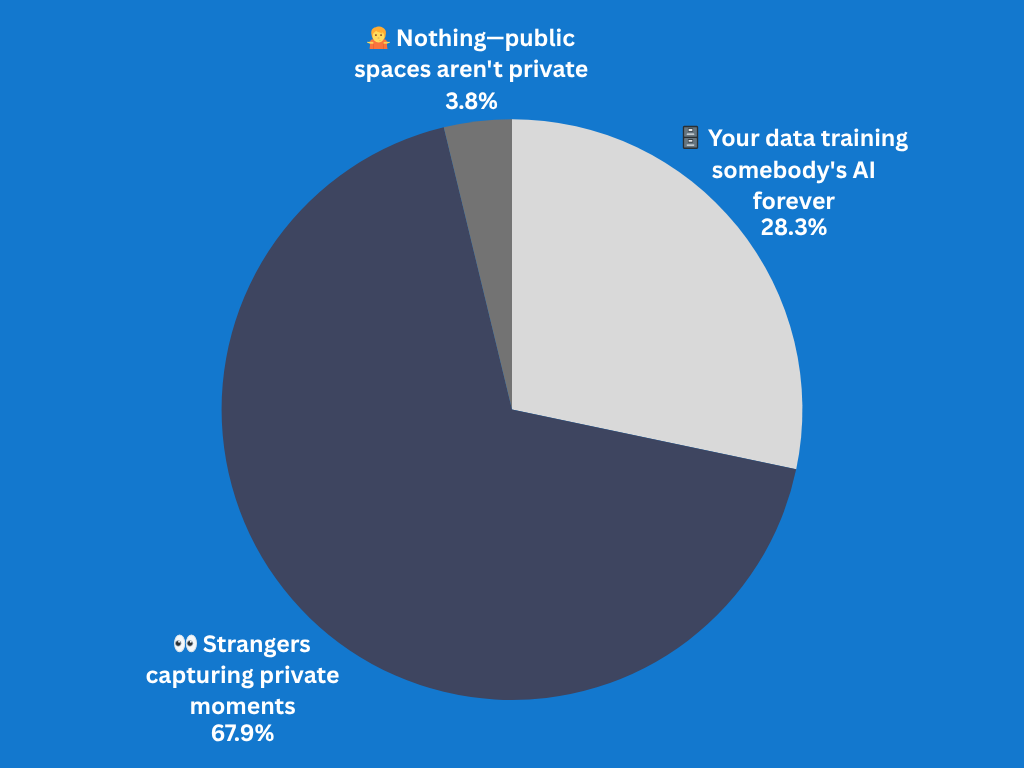
Results from Yesterday's Pulse Check |
What's the scariest part of always-recording smart glasses? |
|
|
|
Data Centers Devour 23% of Ireland's Electricity |
Guess those shamrocks need more outlets than sunlight.
According to recent data, data centers guzzled 7,663 GWh in 2025, which Ireland's Central Statistics Office reports is 23% of all metered electricity for the year, nearly matching the combined electricity use of every Irish home. The island's server farms have multiplied sixfold since 2015, and demand jumped another 10% last year, testing whether the grid can add clean capacity fast enough or pass costs to households.
Ireland isn't alone: US facilities dominate globally, soaking up 312.6 TWh in 2025, or nearly 40% of the world's data center power. Globally, energy consumption by data centers rivals entire nations. |
Image created with Gemini |
What does this mean for energy costs? Brace your wallet. Grid capacity charges in parts of the US surged over 1,000% recently. Because tech giants rarely pay their "fair share" for grid upgrades, utilities pass the buck. Homeowners, renters, and local businesses face surging bills and rolling blackouts.
Cooling those racks isn't cheap either; a 100 MW campus can slurp roughly 530,000 gallons of water a day, quietly draining resources in water-stressed regions. Lawmakers are floating mandatory reporting rules, such as the Clean Cloud Act of 2025, to keep tabs on both watts and water.
Industry argues hyperscale hubs create high-paying jobs and anchor renewable projects, but critics say the math only works if efficiency and new generation outpace the viral appetite for GPUs. And if you're hoping we can just launch this problem into the stratosphere, think again—orbital data centers won't be coming to the rescue anytime soon. In short, your next AI-generated selfie may owe a pint to the power grid. |
|
|
|
🤖 Fast-Track Your AI Analyst Hunt
The AI Analyst Hiring Kit helps you find and hire top AI analysts with a complete recruiting package filled with salary benchmarks, turnkey job specs, and precision interview prompts. 📊 Dive Into Data for 87% Less
Grab The Advanced Data Science Bundle—eight expert courses (Power BI, TensorFlow, PySpark, and more) with 50.5 hours of lifetime training—for just $29.99 (87% off).
🤝 Compare Top CRM Picks for 2026
The Best CRM Software of 2026 roundup benchmarks leading platforms, helping your team choose a customer-winning tool that fuels sales growth.
💻 This section contains sponsored tech insights. Advertise with us! |
|
|
|
Turn ChatGPT Into a High-Output Workflow Engine |
Most pros dabble with AI, then ditch it when results look generic. The Neuron Academy flips that curve with short, job-ready lessons that show you how to: |
-
Write sharper prompts that deliver the exact data, copy, or code you asked for—no more guess-and-revise loop.
- Automate repeatable workflows so daily briefs, research packets, and status updates build themselves.
|
And there are plenty more skills packed into the growing library.
Try the full collection free for 7 days. Keep it for $499/year while early-bird pricing lasts (save $500). |
|
|
|
Hackers Use Fake OAuth Client IDs to Quietly Map Entra Users |
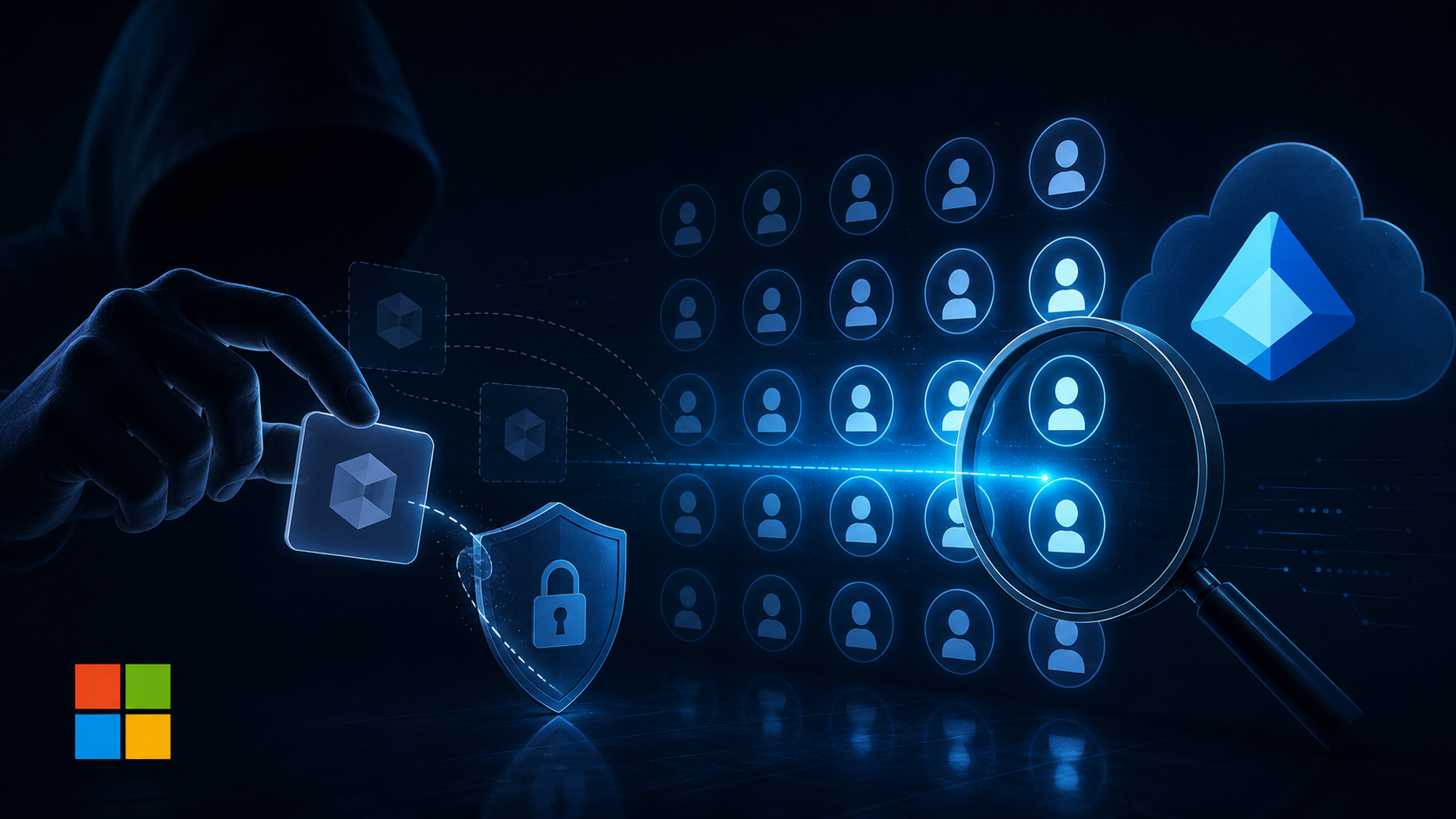
Proofpoint says threat actors are spoofing OAuth client IDs to enumerate Microsoft Entra user accounts without triggering normal sign-in events.
One massive campaign started in late 2025 but saved its biggest punch for March 2026, ultimately hurling 3.7 million bogus IDs at 2 million users. A separate January 2026 wave scattered 700,000 fake IDs across 4,000 organizations, mapping more than 1 million accounts and locking out 28% of those targets. Through it all, the application-name field stayed conveniently blank.
| Image created with ChatGPT |
Because Entra logs record error AADSTS700016 (a deceptively boring alert for an unrecognized application identifier), but not a successful login, defenders may blissfully miss that valid credentials were confirmed. And since spoofed IDs completely bypass app-scoped conditional access policies, don't rely on those to save you.
Microsoft admins should monitor for blank app IDs, treat AADSTS700016 hits as red flags, mandate MFA, and block legacy ROPC flows—an insecure authentication relic that accepts raw passwords directly. |
One Email Can Plant Persistent False Memories in AI Agents |
Researchers have unveiled MemGhost, an exploit that allows a single, carefully designed email to inject fabricated facts and user preferences into popular AI agents' persistent memory, then hide the evidence.
The team showed the gambit working against OpenClaw-style assistants, persuading them to file the lie as trusted knowledge 87.5% of the time on GPT-5.4 and 71.4% on Claude Code SDK running Sonnet 4.6, before quietly steering future answers and actions.
Because the payload looks like ordinary correspondence, purpose-built input sanitizers and even model-level guardrails missed it (the researchers noted standard spam filters were not tested). To protect your digital sidekick from this gaslighting, experts recommend separating tasks: route untrusted email through a stripped-down reader agent that lacks memory-writing capabilities.
Until vendors add tougher provenance checks or user confirmations for memory writes, you should restrict the permissions of email-triggered runs and manually review the memory files after anything suspicious arrives. |
Apple Sues OpenAI, Imperiling Hardware Plans |
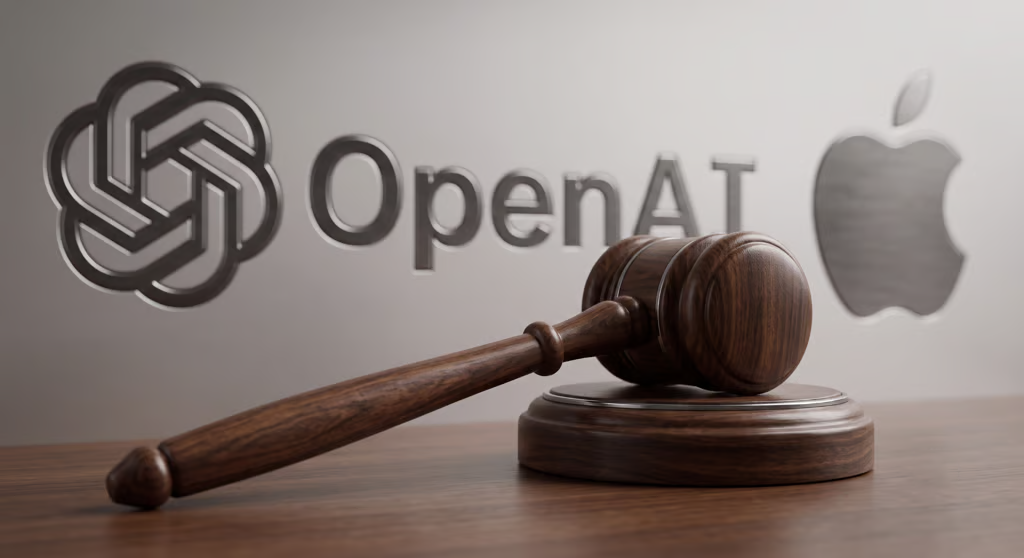
Apple has sued OpenAI, its acquired hardware startup io Products, and two ex-Apple engineers, alleging a coordinated heist of confidential designs and manufacturing know-how.
The 41-page complaint, filed Friday in California federal court, says OpenAI's hardware chief Tang Tan coached candidates to bring "actual parts" to interviews for "show and tell," while engineer Chang Liu kept a company laptop, exploited an authentication bug, and downloaded internal schematics.
According to the filing, Apple claims more than 400 of its alums now work at the AI lab. Even wilder? Apple alleges OpenAI tricked a supplier into performing a secret Apple metal-finishing technique for them. |
Image created with Gemini |
Beyond damages, Apple wants an injunction barring OpenAI from using any purloined data. This move could derail the startup's target timeline to unveil a Jony Ive-designed device in 2026 and ship it in 2027. Bloomberg says the case is already scaring suppliers and making Apple staff think twice before jumping ship.
OpenAI denies the accusations, insisting it has "no interest in other companies' trade secrets." The partners had been drifting apart since Apple tapped Google's Gemini to power a Siri reboot earlier this year.
Add a public Musk-Altman trash-talk session on X, and you have Silicon Valley's messiest custody battle over the post-iPhone future. If Apple wins, OpenAI's next launch event might be a really awkward unboxing. |
|
|
|
|
Writer/Editor at TechnologyAdvice |
Justin Meyers is an investigative writer and editor who draws on over a decade of meticulous hands-on research to deliver the full, trustworthy story behind consumer and enterprise tech, including cybersecurity. |
|
|
|
Curious about where AI is really headed? |
The Neuron cuts through the noise to bring you smart, hype-free takes on the latest AI trends, tools, and breakthroughs. Join 700,000+ professionals from top companies like Microsoft, Apple, Salesforce, and more.
|
|
|
|
Advertise in Daily Tech Insider! Daily Tech Insider is a TechnologyAdvice business. © 2026 TechnologyAdvice, LLC. All rights reserved.
TechnologyAdvice, 3343 Perimeter Hill Dr., Suite 215, Nashville, TN 37211, USA. |
|
|
|
|