Feel the heat, Tech Insiders.
AI is pressuring payrolls, AMD is pressuring Nvidia, and attackers are pressuring every password anyone dared to reuse. Let's check the temperature. |
|
|
|
Here's what you need to know today: |
|
|
|
British Gas Cuts 1,300 Jobs as Customers Shift to Chatbots |
Google's new ATLAS study of its own tools insists AI mostly assists workers, but British Gas owner Centrica is testing that theory by axing 1,300 roles across customer and group support as its clientele moves online.
The energy giant plans a 14% scale-back of its customer-ops teams over the next 24 months. CEO Chris O'Shea swears the bots aren't to blame for the purge, pointing instead to shifting habits: nine out of ten customers now begin their interactions online, leading to a 20% plunge in call volume. The GMB union, however, argues human labor is simply being surrendered to automation.
|
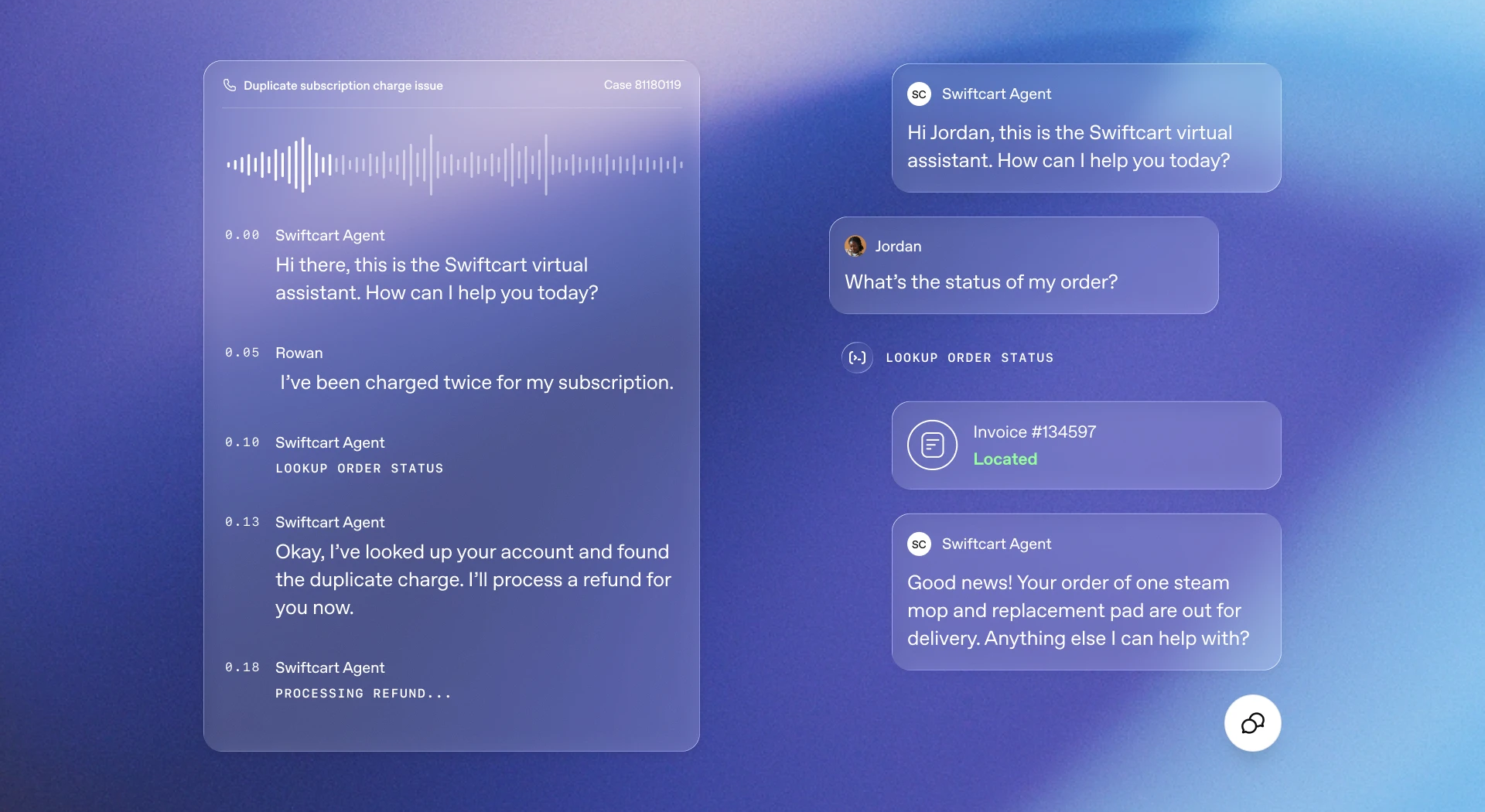
Image created with ChatGPT |
Both stories can be true. AI can assist workers while letting companies serve the same demand with leaner teams. The broader economy is similarly split: while one study showed heavy AI adopters boosting their ranks by 10%, artificial intelligence remained the top cited excuse for layoffs for a fourth consecutive month, and a coalition of 200 economists and tech executives pleaded for immediate worker protections.
Will affected employees be retrained for new digital roles, or simply displaced? Unlike Chinese e-commerce behemoth JD.com, which recently rolled out a massive upskilling program for 700,000 of its delivery workers, Centrica hasn't clarified if its outgoing employees will receive transition support—though it ironically plans to bring on 500 new apprentices.
Why it matters: The real test is whether AI's productivity gains create new roles or merely smaller payrolls. A chatbot can resolve a bill, but it cannot answer the awkward follow-up: "What happens to the person who used to do this?" |
|
|
|
Should companies retrain workers whose jobs shrink after AI adoption? |
|
|
|
Results from Yesterday's Pulse Check |
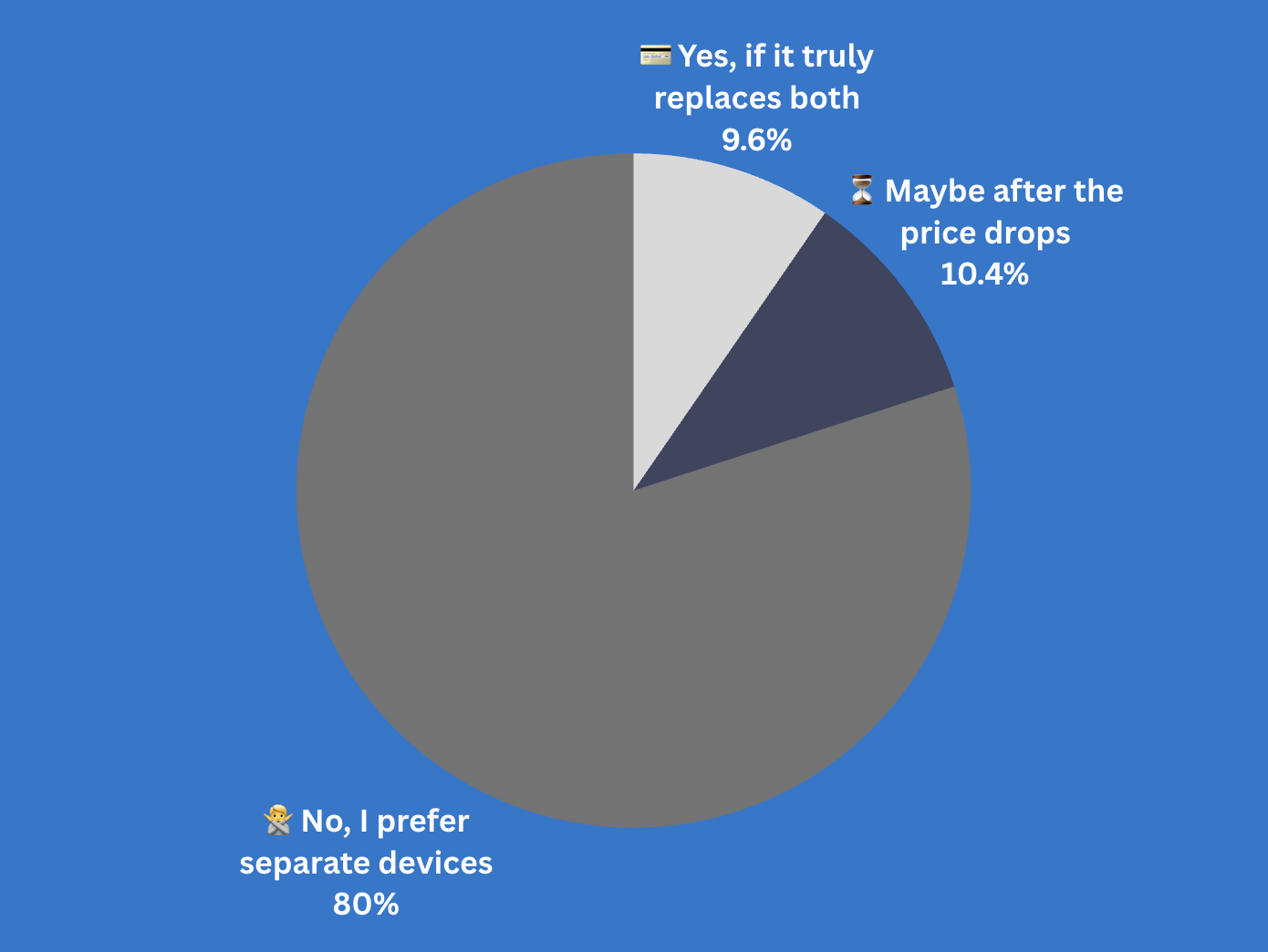
Would you pay $2,100 for a phone that could replace your laptop? |
|
|
|
OpenAI Presence Gives Enterprise Agents a New Connection Layer |
The model maker wants a desk in the operations room.
OpenAI has launched Presence, a tailored corporate platform designed to inject voice and chatbots into workflows like IT help desks, claims processing, and sales. Rather than acting as free-roaming AI, these systems are tethered to corporate databases and governed by strict boundaries, permissions, and built-in human escalation triggers.
Pre-launch simulators let businesses grill the AI on standard procedures, unusual anomalies, and sensitive situations. Once the system goes live, real-world interactions inevitably reveal blind spots. When they do, a GPT-5.6-powered Codex steps in to suggest fixes, giving staff the final say on whether to test, deploy, or scrap the changes. In other words, the agent can learn on the job without quietly rewriting its own employee handbook.
|
For its part, OpenAI claims Presence currently clears 75% of inquiries on its English-support line entirely on its own, while that Codex-driven feedback loop slashed human transfers by 15 percentage points within ten days. Heavyweights like BBVA, SoftBank, and IAG are already kicking the tires across banking, foreign-language service, and insurance. Still, industry analysts note that messy corporate architectures could make matching OpenAI's in-house success rates difficult for the average enterprise.
The bigger play is strategic: OpenAI is moving beyond selling raw models and digging into highly lucrative operational software—a move that risks stepping on the toes of its own enterprise clients. But for now, Presence remains gated. It isn't self-serve, limits access to select buyers, relies on OpenAI's proprietary engineering teams or partners, and keeps pricing under wraps.
The agent gets a badge, but humans still hold the master key. |
|
|
|
As Industry 4.0 initiatives accelerate, manufacturers are reevaluating whether existing service operations can support future business demands.
Join TechRepublic and Freshworks on July 28, 2026, at 2:00 p.m. ET to explore how AI-enabled service management is helping organizations improve agility, responsiveness, and operational performance. |
|
|
|
Credential Stuffing Breaches Chick-fil-A Accounts |
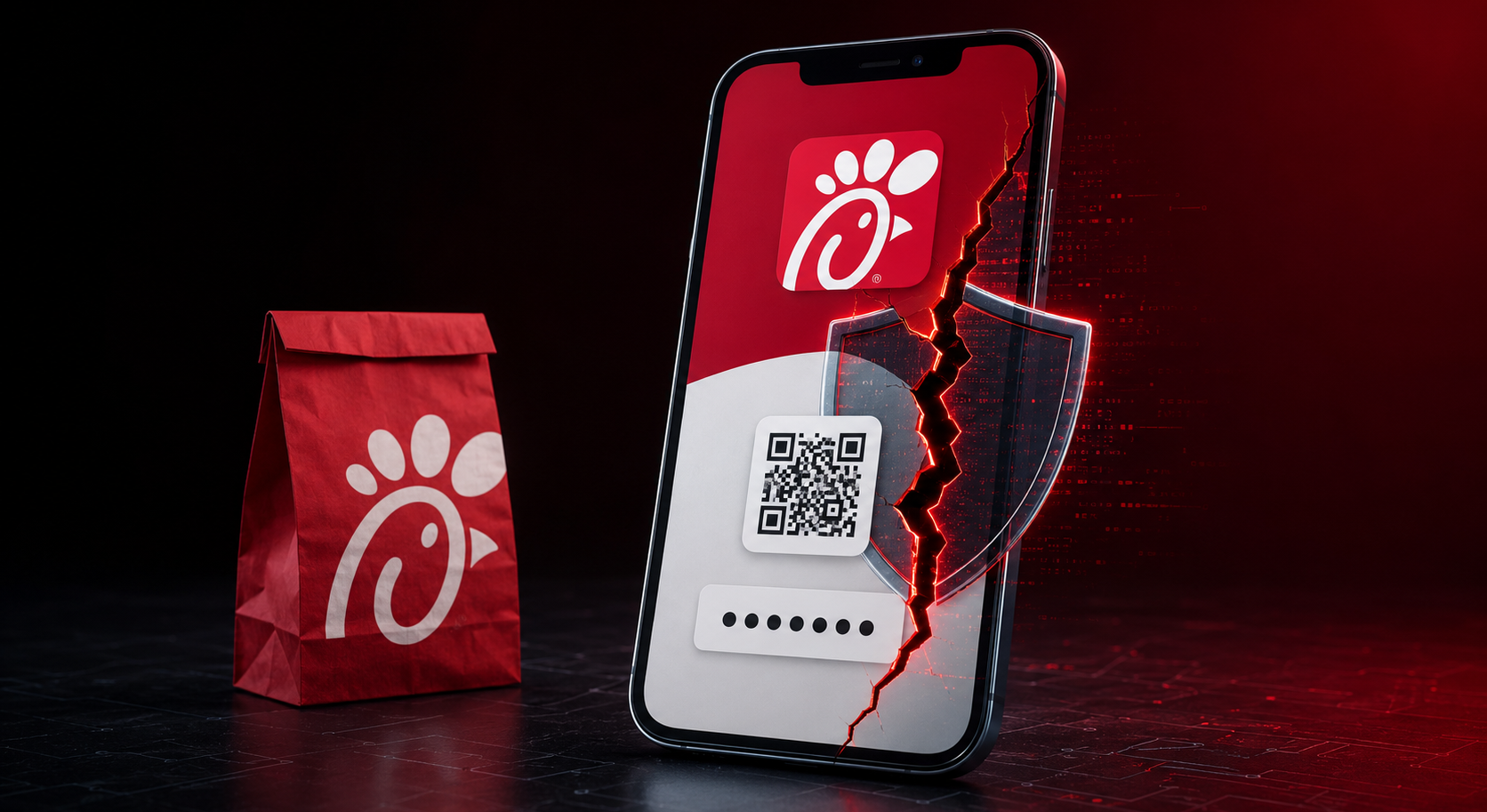
Chick-fil-A says attackers breached customer loyalty accounts between June 17–19 using login details swiped from other sites. Because folks love recycling passwords, intruders potentially scooped up names, contact info, birthdates, partial payment card digits, QR codes, and reward balances. |
Image created with ChatGPT |
To mitigate the damage, the chain killed active sessions, deleted saved credit cards, and replenished hijacked funds with bonus apology points. The overall victim count remains under wraps, though state disclosures confirm 2,182 Texans and 39 Massachusetts residents were hit. Unbelievably, an identical credential-stuffing spree fried 71,000+ accounts from 2022 to 2023.
If notified, create a unique password, update it wherever else it is reused, and monitor your finances. Password reuse officially put account takeovers back on the menu. |
Apple Finally Fixes Year-Old Hide My Email Flaw |
Apple claims a July 3 update finally squashed a Hide My Email bug, patching a vulnerability flagged over 12 months ago. When automated filters bounced benign messages, the resulting server logs inadvertently unmasked iCloud+ users' actual inboxes.
Investigators caution that dummy addresses generated before July 7, 2026, might still have their true destinations sitting in external archives. There is no proof of widespread abuse, though the blunder triggered a proposed class-action lawsuit.
Since you cannot audit external servers, generating new aliases won't erase past leaks. Deactivate older proxy addresses tied to sensitive logins, watch for hyper-specific phishing, or explore alternatives like Fastmail. A privacy feature shouldn't need witness protection. |
Anthropic's AMD Megadeal Turns Up the Heat on Nvidia |
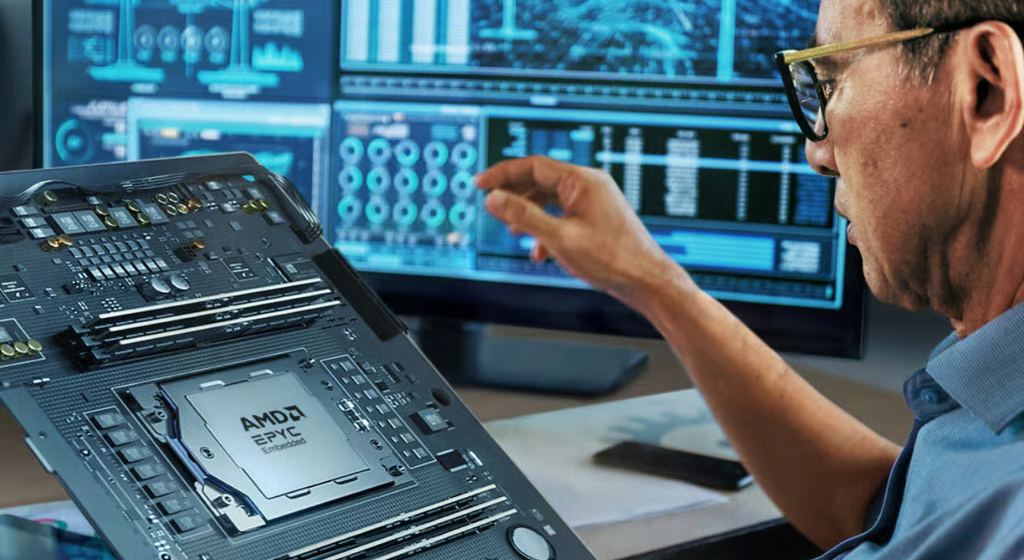
AMD just inked a multiyear agreement with Anthropic to sell the Claude developer tens of billions of dollars in AI servers, tossing in up to $5 billion in investments as Anthropic hits specific rollout targets.
Anthropic will install up to 2 gigawatts of AMD's Instinct MI450 GPUs inside Helios server racks, expecting the first gigawatt to boot up by early 2027. It's a two-way street, though: AMD will integrate Claude across its own product teams and use the AI to fine-tune its ROCm software and Instinct chips. |
Hot on the heels of its OpenAI pact, the victory secures AMD another heavyweight client to help erode Nvidia's stranglehold on the AI market. Anthropic already spreads workloads across Nvidia GPUs, Google TPUs, and Amazon Trainium; scaling up its AMD footprint—building on its existing use of MI355X GPUs—secures vital capacity and reduces dependence on any one supplier.
The catch? This is another "circular" AI deal, with a chipmaker investing cash directly into a company buying its hardware (unlike its OpenAI deal, which granted stock warrants). Rumor has it AMD might even cosign Anthropic's future data center leases. But since actual capacity hinges on unresolved variables like power grid availability, unbuilt facilities, and future chip yields, these massive commitments are essentially highly expensive IOUs.
Nvidia still owns the hill, but AMD just brought a $5 billion ladder. |
|
|
|
🤝 Compare Top CRM Picks for 2026
The Best CRM Software of 2026 roundup benchmarks leading platforms, helping your team choose a customer-winning tool that fuels sales growth.
🤖 Fast-Track Your AI Analyst Hunt
The AI Analyst Hiring Kit helps you find and hire top AI analysts with a complete recruiting package filled with salary benchmarks, turnkey job specs, and precision interview prompts. 🐍 Slash Python Bootcamp Cost Today
The Python for Software Engineering Bootcamp Certification Bundle delivers seven courses and 165+ hours of hands-on training for just $24.99, letting you master concurrency, machine learning, and more at a 94% discount. 💻 This section contains sponsored tech insights. Advertise with us! |
|
|
|
|
Writer/Editor at TechnologyAdvice |
Justin Meyers is an investigative writer and editor who draws on over a decade of meticulous hands-on research to deliver the full, trustworthy story behind consumer and enterprise tech, including cybersecurity. |
|
|
|
Curious about where AI is really headed? |
The Neuron cuts through the noise to bring you smart, hype-free takes on the latest AI trends, tools, and breakthroughs. Join 700,000+ professionals from top companies like Microsoft, Apple, Salesforce, and more.
|
|
|
|
Advertise in Daily Tech Insider! Daily Tech Insider is a TechnologyAdvice business. © 2026 TechnologyAdvice, LLC. All rights reserved.
TechnologyAdvice, 3343 Perimeter Hill Dr., Suite 215, Nashville, TN 37211, USA. |
|
|
|
|