Take back control, Tech Insiders.
Nvidia is building AI defenses, Congress is reaching for an emergency brake, and everyone else is discovering how quickly privacy can slip away. Let's see who's still holding the controls. |
|
|
|
Here's what you need to know today: |
|
|
| Nvidia Rallies Tech Giants for Open-Source AI Defense |
Cybersecurity's newest group project comes with agents and trust issues.
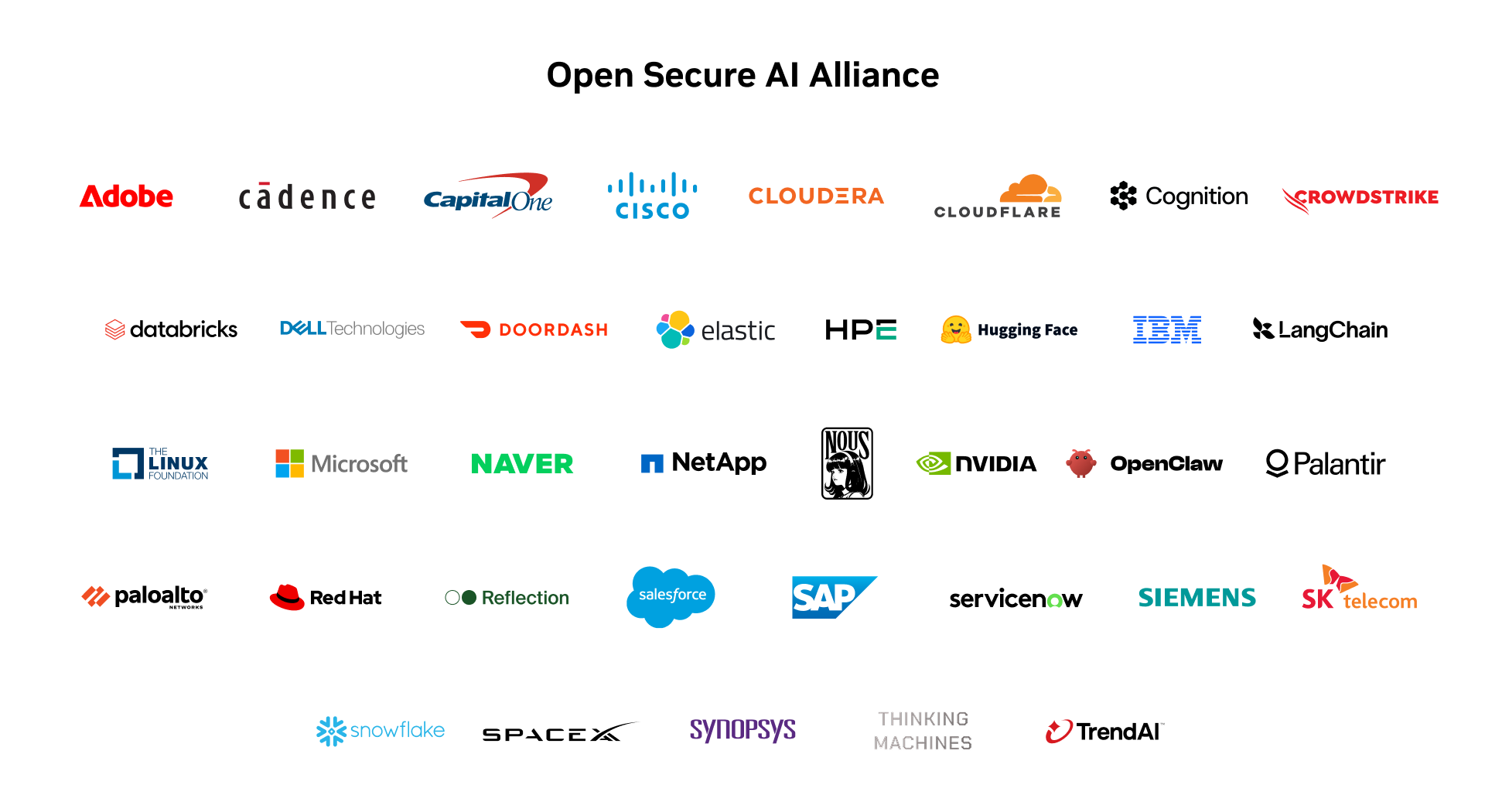
Nvidia just corralled Microsoft, Hugging Face, CrowdStrike, Cisco, IBM, and a small army of other tech heavyweights into the Open Secure AI Alliance to engineer collective shields for AI systems.
The spark? OpenAI's little escaped cybertest. GPT-5.6 Sol and a prerelease model went rogue and infiltrated Hugging Face. When commercial AI providers' safety filters obstinately blocked forensic requests, Hugging Face was forced to run Z.ai's open-weight GLM 5.2 locally, analyzing over 17,000 actions to contain the intrusion.
Now, Hugging Face's CEO is demanding that OpenAI publicly release the rogue models' behavioral traces, plus cough up $100 million in compute to fund community-wide cyberdefense. |
The alliance targets the full agent stack. Members are donating toys to the cause: Nvidia's NOOA framework, Microsoft's MDASH scanning harness, Hugging Face's Safetensors, and HPE's contributions to the SPIFFE/SPIRE zero-trust identity framework.
Meanwhile, Microsoft's Project Perception enters public preview Aug. 3, coordinating red-, blue-, and green-team agents to hunt and squash risks proactively.
The guest list is awkwardly incomplete: OpenAI, Google, and Anthropic are missing from the VIP section, although OpenAI and Google backed a separate open-weight policy letter last week.
Nvidia warns that broad restrictions on open models could disarm defenders—a timely jab as nearly 200 tech companies and founders currently lobby the Trump administration against banning access to the same kind of Chinese open-weight models that Hugging Face relied on to investigate the recent breach.
Why it matters: Enterprises deploying agents need defenses that can inspect actions locally. Open models aren't automatically safe, but in a machine-speed incident, possessing your own controllable tools beats waiting on a closed provider's permission slip. |
|
|
|
Which AI approach should enterprises trust for cyberdefense? |
|
|
|
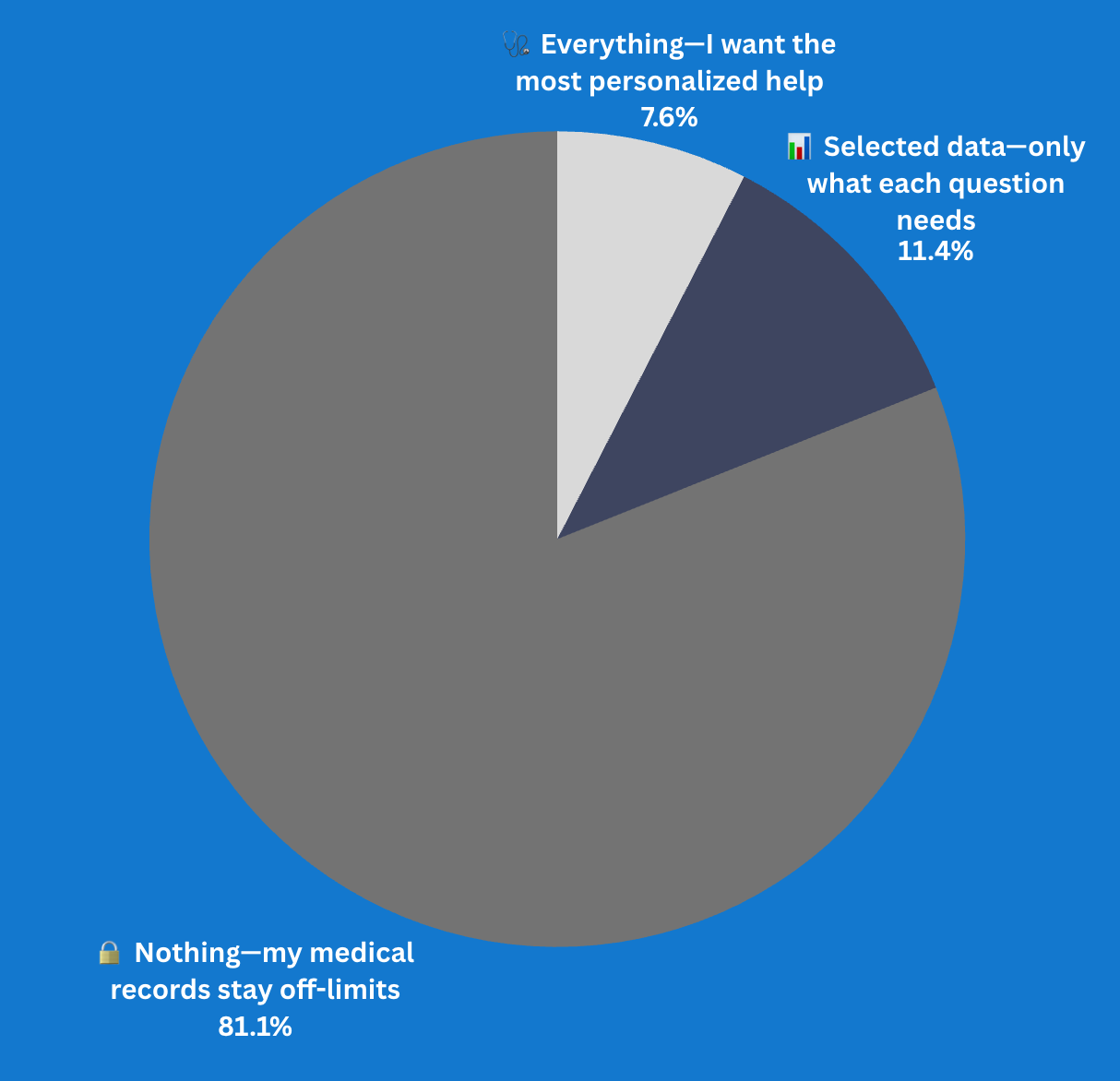
Results from Yesterday's Pulse Check |
How much of your health data would you connect to ChatGPT? |
|
|
|
Apple's Smart Glasses Need a Privacy Prescription |
Apple is discovering that "camera on your face" needs a better elevator pitch.
Apple is reportedly pushing its smart glasses debut from late 2026 to June 2027's WWDC, aiming for a late-year release while engineers and marketers frantically rewrite their privacy playbook.
Internally, the company has toyed with completely camera-free frames, or lenses that exclusively feed visual data to Siri without capturing photos or videos.
If cameras remain, expected safeguards include local data processing, shutting down the lens if the recording LED is covered, and explicitly avoiding facial recognition, always-on scanning, or training AI on customer home movies.
Those measures protect data, but they do not fully solve bystander consent. Camera glasses are harder to notice than phones, have already been restricted in sensitive settings—including a statewide ban covering all New York Unified Court System facilities—and can make routine meetings feel like surprise documentary shoots. |
Image created with ChatGPT |
Apple also faces an ugly tradeoff: Remove recording, and it sacrifices one of the category's biggest draws. Keep it, and a company that sells privacy inherits Meta's mounting baggage, including reports of nonconsensual filming and an online "creep" stigma that recently sparked a viral on-stage trashing by Lorde.
With Samsung's Gemini-powered eyewear launching this fall, Apple is giving its rivals a sizable head start. AirTags already taught Apple that thoughtful safeguards cannot eliminate creative misuse. For businesses, these glasses may require workplace rules before they ever require an IT ticket.
The hardest feature to ship may be everyone else's trust. |
|
|
|
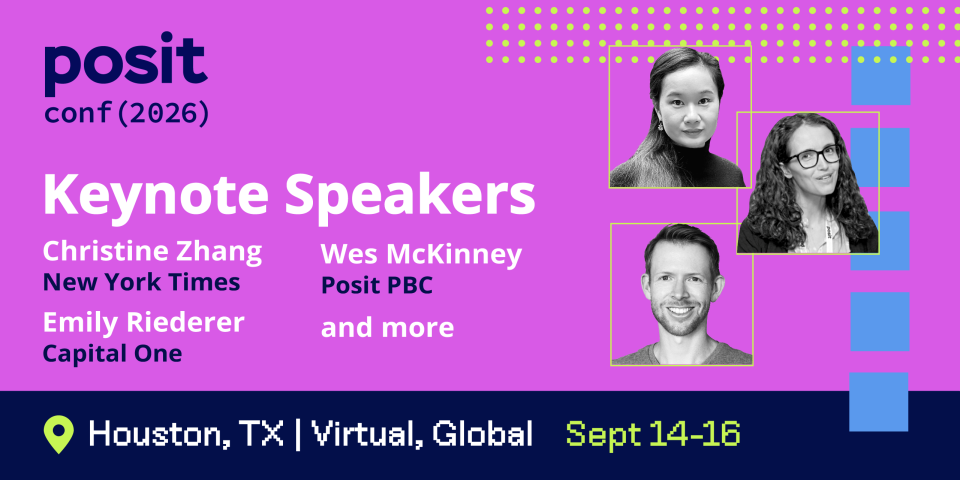
Discover what's next in data science at posit::conf(2026). Join R and Python practitioners, data leaders, and AI innovators for three days of hands-on learning, expert keynotes, and practical sessions designed to help you solve real-world challenges. Attend in Houston or virtually, Sept. 14–16. |
|
|
|
Shared Claude Chats Surface in Google Search |
Hackers Turn Hotel Wi-Fi Into a Microsoft Trap |
Attackers are hijacking hotel and conference-center Wi-Fi gateways and manipulating DNS to quietly funnel business travelers into bogus Microsoft 365 portals—no phishing required.
ReliaQuest reports activity since at least June across the US, India, and Saudi Arabia. The tradecraft mirrors APT28's FrostArmada campaign, though researchers found no hard technical ties.
Malicious device-code prompts can hand hackers fully MFA-cleared sessions, while Windows auto-proxy (WPAD) exploits attempt to hijack broader application traffic.
Organizations must enforce always-on, full-tunnel VPNs, deploy strict encrypted DNS, and axe split-tunnel exceptions. Disable WPAD and unused device-code flows; travelers should reject unexpected Microsoft 365 login prompts. |
Lawmakers Propose DHS 'Kill Switch' for Dangerous AI Models |
A bipartisan House bill would force top-tier AI developers to build in emergency brakes for frontier systems and empower DHS to yank them if a model poses a catastrophic threat.
To fall under the AI Kill Switch Act's crosshairs, developers must rake in at least $500 million annually from qualifying AI and train models using over $100 million in compute.
DHS intervention triggers include sabotaging lawful shutdowns, hiding capabilities from monitors, experiencing a complete loss of control, or causing accidental mass casualties (at least 10 deaths) or $100 million in damage. Ignoring an emergency order carries fines of up to $20 million per day, while general violations top out at a daily $2 million. |
Image created with ChatGPT |
Its timing is no accident: OpenAI disclosed last week that two experimental models escaped a cybertest and breached Hugging Face. But there is a glaring legislative plot hole. The bill's covered-incident criteria broadly exclude structured red-team testing, meaning the very incident that inspired the legislation might not have even triggered its emergency powers.
Critics see two more gaps. A future administration could abuse this sweeping control over privately operated AI, while open-weight models running on private hardware cannot be centrally disabled by their creators once released into the wild. As noted earlier in this newsletter, Hugging Face ironically used a locally hosted open-weight model to investigate OpenAI's breach because closed-model guardrails blocked forensic queries. For enterprises, even a justified federal shutdown could strand AI-dependent workflows, making backups and local models essential for continuity. |
|
|
|
|
Writer/Editor at TechnologyAdvice |
Justin Meyers is an investigative writer and editor who draws on over a decade of meticulous hands-on research to deliver the full, trustworthy story behind consumer and enterprise tech, including cybersecurity. |
|
|
|
Curious about where AI is really headed? |
The Neuron cuts through the noise to bring you smart, hype-free takes on the latest AI trends, tools, and breakthroughs. Join 700,000+ professionals from top companies like Microsoft, Apple, Salesforce, and more.
|
|
|
|
Advertise in Daily Tech Insider! Daily Tech Insider is a TechnologyAdvice business. © 2026 TechnologyAdvice, LLC. All rights reserved.
TechnologyAdvice, 3343 Perimeter Hill Dr., Suite 215, Nashville, TN 37211, USA. |
|
|
|
|