Inspect the packaging, Tech Insiders. Altman's AI pitch includes a damage disclaimer, Google is packing less into free Gemini, and Musk is slapping a "super" label on SpaceXAI. Let's open the box before applauding. |
|
|
|
Here's what you need to know today: |
|
|
|
Altman's AI Bargain Includes 'Bad Things' |
The AI sales pitch now comes with a damage disclaimer.
OpenAI CEO Sam Altman is officially managing expectations, telling Politico that society should just stomach "some bad things" from AI in exchange for its dazzling benefits and broad public access. He favors lighter regulation, arguing that preventing every major hack, scam, or misuse would sacrifice far more good than it prevents. He draws the line at catastrophic risks, including humans losing control to AI—how comforting. Rival Anthropic also pushed back on his gatekeeper framing, saying its regulatory proposals apply only to frontier models.
But the supposed philosophical war over AI safety looks less clear-cut on paper. Altman backed Dario Amodei's call to slow advanced AI development, while OpenAI has endorsed stricter state safety laws and a House proposal requiring outside safety evaluators. Apparently, lighter regulation still has room for heavy inspections.
|
Image created with ChatGPT |
In a separate Vanity Fair interview, Altman compared AI's risk trade-offs to aviation, prompting a gentle reminder that airplanes actually face massive federal oversight. He went on to endorse pre-release standards, incident reporting, and a liability framework. That's a much more concrete safety pitch than simply asking everyone to absorb the turbulence. Why it matters: Accepting that AI cannot be risk-free leaves a much harder question—who defines acceptable harm, and who pays when it happens? For businesses giving agents access to real systems, the promise that benefits outweigh risks still needs an ironclad incident response plan behind it. |
|
|
|
How should society balance AI's benefits against harms such as hacks and scams? |
|
|
|
Results from Yesterday's Pulse Check |
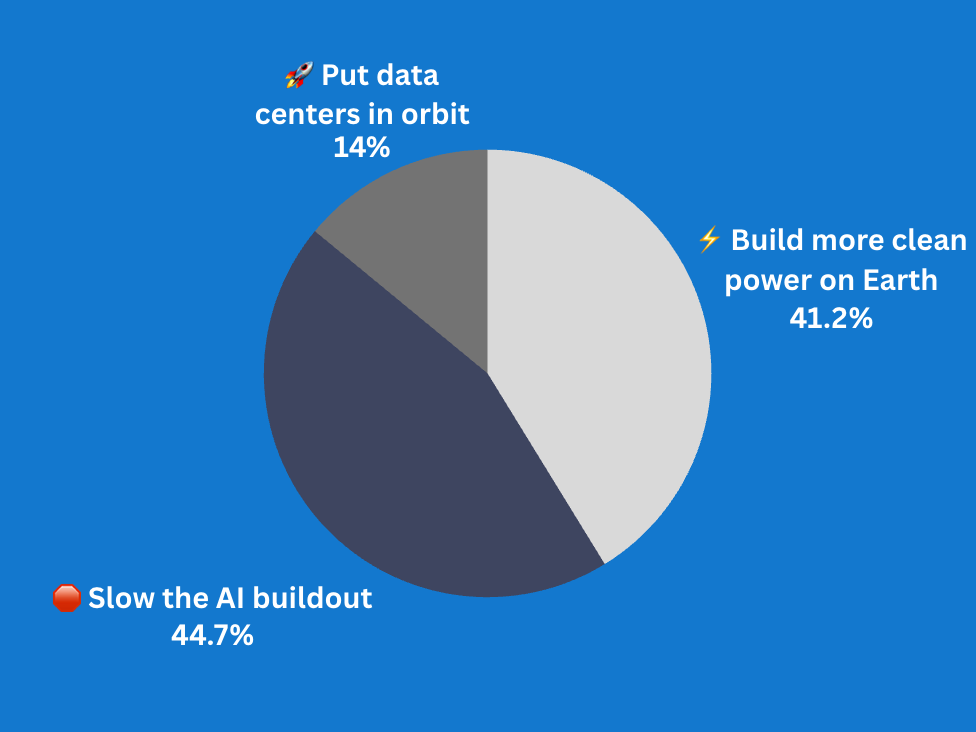
How far should tech companies go to feed AI's power appetite? |
|
|
|
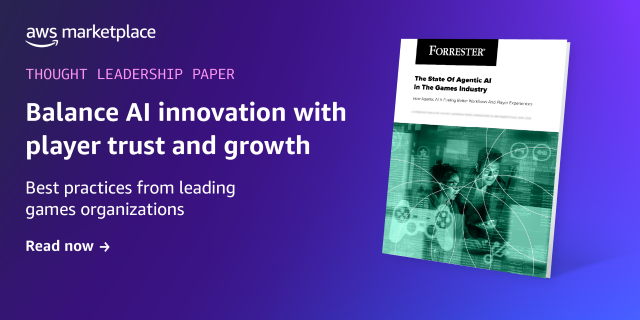
Best Practices for Agentic AI in the Games Industry |
Games organizations are balancing cost pressures, development demands, and rising player expectations. Learn how industry leaders are evaluating agentic AI to improve efficiency, accelerate delivery, and strengthen player trust while supporting long-term growth. |
|
|
Google Shrinks Free Gemini to Flash-Lite |
Google's free AI buffet is switching to smaller plates.
Starting Oct. 9, Google is limiting free Gemini users to Flash-Lite, putting its nonpaying users on a severe AI diet. The downgrade awkwardly follows the limited debut of Gemini 4 Argon, crashing the flagship announcement with fewer choices for freeloaders.
Even the cheap seats aren't safe. Google AI Plus subscribers are also getting evicted from Pro on dates Google will reveal via individual emails. Upper-tier AI Pro and Ultra plans naturally retain all three model families, with Pro inheriting the Deep Think feature previously hoarded as an Ultra exclusive. |
Image created with ChatGPT |
If you want the good stuff, you'll have to cough up for the $19.99 monthly AI Pro plan. Google pitches Flash-Lite as a casual sidekick for everyday summarizing and brainstorming, reserving Pro for complex math and coding. You can soon force available models to think harder using low, medium, and high effort settings, but twisting that dial drains your usage allowance much faster. Your quota already judges you based on prompt complexity, activated features, and overall chat length, resetting every five hours up to a weekly ceiling.
Meanwhile, Argon remains locked behind a velvet rope for trusted cyberdefenders. Paid API customers and Ultra subscribers are next in line, but Google hasn't bothered to announce a public-release timeline. The future keeps getting smarter. Your free account is getting Lite. |
|
|
|
Great work happens when people feel connected—even across distances. At the Logi Launch virtual events hosted on Oct. 8 and 9, Logitech for Business will introduce its newest innovations designed to boost engagement and make collaboration feel effortless, no matter where employees are working from. With tools built for consistency across every space, people can connect, contribute, and stay in sync more naturally. Register today and discover how these solutions can strengthen your organization.
|
|
|
NetScaler Needs Another Patch as Attacks Hit |
Image created with ChatGPT |
Install Citrix's newly released fixed builds—such as 14.1-73.41, 13.1-64.28, or the applicable FIPS/NDcPP releases—and investigate any unexplained crashes. Check your SAML configuration and exact version before declaring a premature victory.
Security firm watchTowr told SecurityWeek that its testing confirmed the bug only triggers denial-of-service conditions. However, the researchers suspect attackers are intentionally crashing machines to accelerate the exploitation of last week's code-execution vulnerabilities. Talk about kicking a network when it's down.
At this rate, out-of-band emergency patching isn't an interruption—it's just the daily routine. |
Google Cuts Bug Bounty Intake After AI Flood |
Bug bounty programs are supposed to catch flaws, not drown engineers in AI-generated slop. Google froze new product-vulnerability submissions to its Open Source Software Vulnerability Reward Program on Oct. 1 after a surge of automated, invalid reports buried maintainers in useless verification homework.
Supply-chain reports and existing cases remain open, but Google won't give an update on the paused section until Q1 2027.
The broader industry is also slamming the door on robot researchers. HackerOne's Internet Bug Bounty paused submissions, GitHub slashed public payouts, and Apple capped reports. Intel and curl also pulled back over AI spam.
Humans must now pivot to Google's remaining active scopes, like Cloud VRP and Patch Rewards, where actual reproducible steps are required. A chatbot's swagger won't magically reproduce an exploit. Apparently, hallucinations can open tickets now. |
|
|
|
Is your Galaxy eligible for One UI 9 (Android 17)? Attention Galaxy owners: Samsung’s One UI 9 (Android 17) is rolling out—bringing privacy alerts, My FanCam, and built‑in warranty tools. Find out which models already have it, when yours might, and how to check for the update. |
Your Guide to Amazon's New Kindle Models Amazon’s 2026 Kindle lineup reshuffles options—bigger Paperwhite offers a 7-inch waterproof display and up to 12 weeks’ battery for $199, while Colorsoft adds color for comics at $289. Which upgrade deserves your money? See the full comparison. |
|
|
|
🏗️ Build an AI-Ready Workplace
Explore expert insights and practical guidance to modernize workplace technology, strengthen security, and prepare your organization for AI-powered work. Explore the hub. 🤖 Master ChatGPT and AI for $29.99
Build practical AI skills with The ChatGPT and AI Super Bundle, featuring four courses and 4.5 hours of lifetime-access training for $29.99, a 91% discount.
⚡ Charge Three Apple Devices Without Cable Clutter
Charge three devices at once with the MagSafe Wireless Charging Station for iPhone, Apple Watch, and AirPods for just $54.99, including a wall charger and up to 15W output for iPhone. 💻 This section contains sponsored tech insights. Advertise with us! |
|
|
|
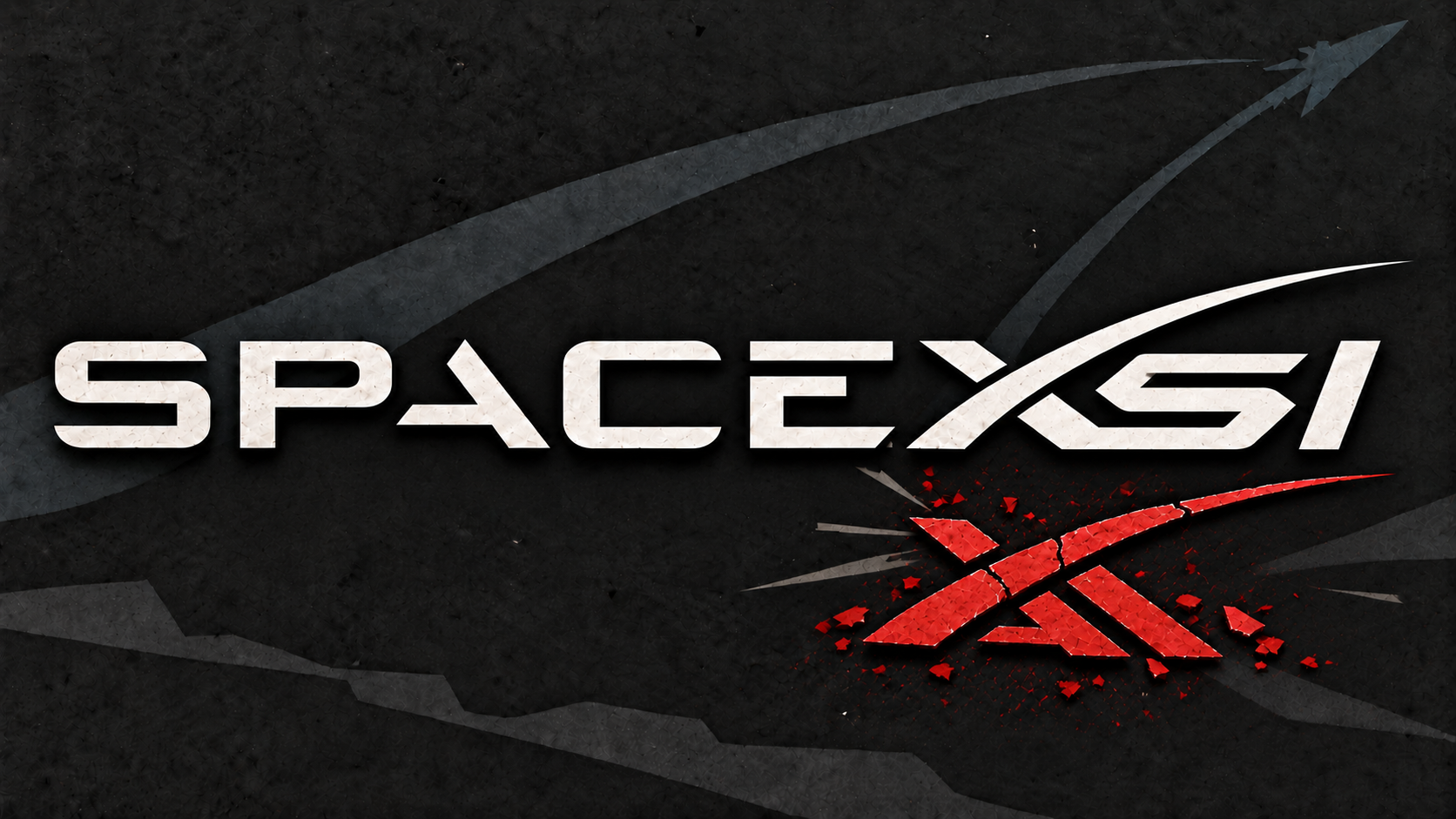
Musk Gives AI a 'Super' Costume Change |
Elon Musk is officially jumping on the administration's rebranding bandwagon, declaring that SpaceXAI will become SpaceXSI to align with President Trump's "super intelligence" decree. While Trump's Sept. 29 executive order technically only governs federal paperwork, Musk is eagerly volunteering his AI unit for the cosmetic makeover but offered no timeline for the paint job.
The unit, formerly xAI, only adopted the SpaceXAI moniker in July. The branding team's new business cards are probably still in the mail. More importantly, there's a linguistic hijacking at play here: "superintelligence" usually describes theoretical machines that can actually outsmart humans across the board. Washington's new label just slaps a shiny "SI" sticker on existing AI, requiring zero actual capability upgrades.
|
Image created with ChatGPT |
But the policy theater goes beyond fresh stationery. Trump is assembling a Super Intelligence Force led by intelligence chief Jay Clayton, demanding a risk report within 120 days. Awkwardly, Musk previously backed calls to slow frontier AI development, while Clayton firmly rejects pumping the brakes as the US races China.
For the enterprise, the real question is whether actual oversight can keep pace with the hyperbole. A separate White House safety accord asks for controls and audits, but remains entirely voluntary. Federal contractors should keep an eye on the administration's 60-day sprint to forge a new legal definition, as this linguistic switcheroo could eventually rewrite procurement and compliance rules.
For now, apparently, achieving superintelligence is as easy as updating your email signature. |
|
|
|
|
Writer/Editor at TechnologyAdvice |
Justin Meyers is an investigative writer and editor who draws on over a decade of meticulous hands-on research to deliver the full, trustworthy story behind consumer and enterprise tech, including cybersecurity. |
|
|
|
Curious about where AI is really headed? |
The Neuron cuts through the noise to bring you smart, hype-free takes on the latest AI trends, tools, and breakthroughs. Join 700,000+ professionals from top companies like Microsoft, Apple, Salesforce, and more.
|
|
|
|
Advertise in Daily Tech Insider! Daily Tech Insider is a TechnologyAdvice business. © 2026 TechnologyAdvice, LLC. All rights reserved.
TechnologyAdvice, 3343 Perimeter Hill Dr., Suite 215, Nashville, TN 37211, USA. |
|
|
|
|